Prenatal diagnosis
Recent articles
How geneticists can gain greater buy-in from the autistic community
My recommendations aim to foster a collaborative relationship between researchers and the Autistic community, resulting in an increase in the availability of genetic data.
How geneticists can gain greater buy-in from the autistic community
My recommendations aim to foster a collaborative relationship between researchers and the Autistic community, resulting in an increase in the availability of genetic data.
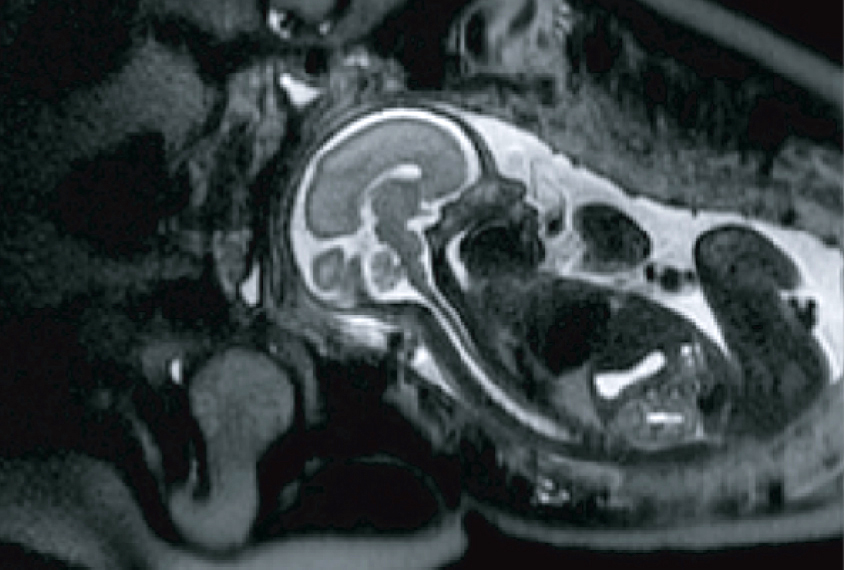
Fetal brain scans may forecast autism traits in toddlers
Children with highly folded and curved brains in utero tend to show autism-linked behaviors at 18 months of age, according to a longitudinal brain-imaging study.
Fetal brain scans may forecast autism traits in toddlers
Children with highly folded and curved brains in utero tend to show autism-linked behaviors at 18 months of age, according to a longitudinal brain-imaging study.
Notable papers in autism research, 2020
Gene therapies and the factors influencing autism traits top Spectrum’s list of the 10 most notable research findings we covered in 2020.
Notable papers in autism research, 2020
Gene therapies and the factors influencing autism traits top Spectrum’s list of the 10 most notable research findings we covered in 2020.
Prenatal CRISPR therapy blocks Angelman syndrome traits in mice
A gene-editing treatment shows long-lasting effects in a mouse model of Angelman syndrome, a genetic condition related to autism.
Prenatal CRISPR therapy blocks Angelman syndrome traits in mice
A gene-editing treatment shows long-lasting effects in a mouse model of Angelman syndrome, a genetic condition related to autism.
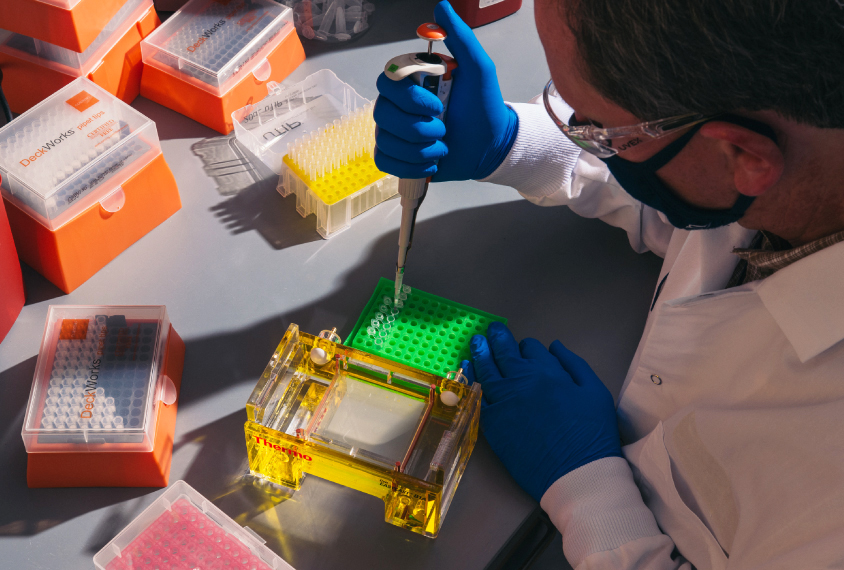
A quest for Quincy: Gene therapies come of age for some forms of autism
A gene therapy for Angelman syndrome stands at the forefront of efforts to treat autism-linked conditions that stem from single genes.
A quest for Quincy: Gene therapies come of age for some forms of autism
A gene therapy for Angelman syndrome stands at the forefront of efforts to treat autism-linked conditions that stem from single genes.
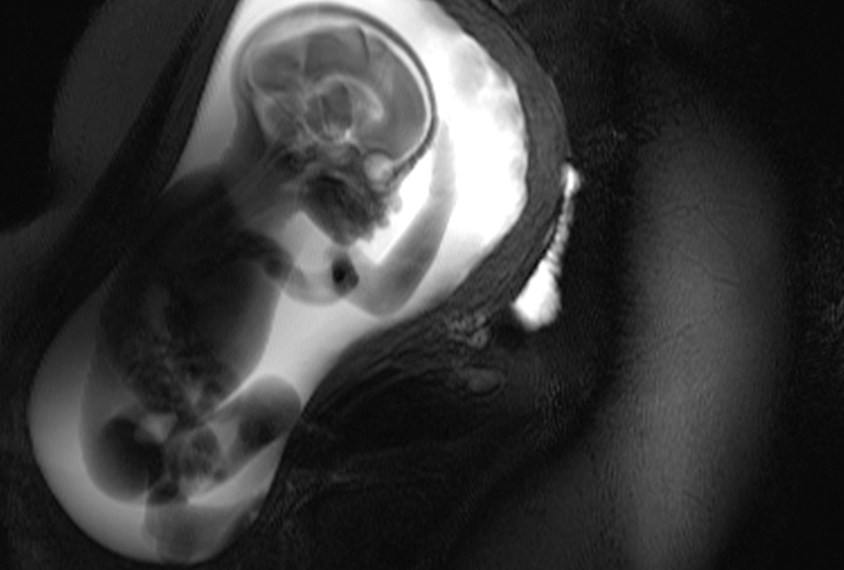
Researchers map connections in fetal human brain
A new map of the fetal brain during the second and third trimesters of pregnancy reveals the brain's complex network of connections.
Researchers map connections in fetal human brain
A new map of the fetal brain during the second and third trimesters of pregnancy reveals the brain's complex network of connections.
The problems with prenatal testing for autism
As prenatal testing improves, it presents a host of thorny issues — from what to test and how to interpret the results, to what to do about them.
The problems with prenatal testing for autism
As prenatal testing improves, it presents a host of thorny issues — from what to test and how to interpret the results, to what to do about them.
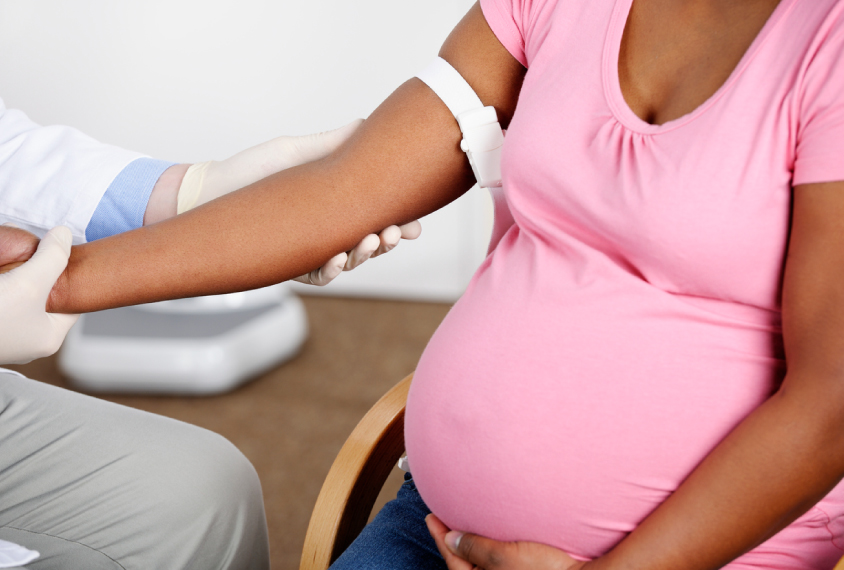
Ultrasensitive blood test may detect autism mutations in utero
A blood test can accurately detect whether a fetus carries large mutations of the kind linked to autism, according to pilot-study results.
Ultrasensitive blood test may detect autism mutations in utero
A blood test can accurately detect whether a fetus carries large mutations of the kind linked to autism, according to pilot-study results.
Prenatal sequencing for some autism genes may soon be available
Two new studies point to the possibility of detecting autism mutations before birth — along with all the ethical and logistical problems that may bring.
Prenatal sequencing for some autism genes may soon be available
Two new studies point to the possibility of detecting autism mutations before birth — along with all the ethical and logistical problems that may bring.
Mitochondrial risk; anxiety amelioration; fever factor and more
Some variants in mitochondrial DNA are more common than others in autism, cognitive therapy reduces anxiety for people on the spectrum, and maternal fever in the third trimester is tied to autism risk.
Mitochondrial risk; anxiety amelioration; fever factor and more
Some variants in mitochondrial DNA are more common than others in autism, cognitive therapy reduces anxiety for people on the spectrum, and maternal fever in the third trimester is tied to autism risk.
Explore more from The Transmitter
The three-banded panther worm is rewriting the story of brain evolution
The animal has a brain structure all its own, according to a 2026 preprint. The finding hints that brains could have evolved centralization before regionalization.
The three-banded panther worm is rewriting the story of brain evolution
The animal has a brain structure all its own, according to a 2026 preprint. The finding hints that brains could have evolved centralization before regionalization.
Does cognition happen in brain areas or between them?
Michael Cole explains how "brain flows" are the fundamental units of brain function and cognition.
Does cognition happen in brain areas or between them?
Michael Cole explains how "brain flows" are the fundamental units of brain function and cognition.
‘Brain Flows: How Network Dynamics Compose the Human Mind,’ an excerpt
In his new book, published today, Michael W. Cole examines how the movement of neuronal activity between neuronal populations shapes free will, intelligence and creativity. In this excerpt from Chapter 1, Cole explores why activity flows could unify efforts to map brain functions and connectivity.