Ethics
Recent articles
Stories about scientific misconduct, retractions, debates over research standards, and more
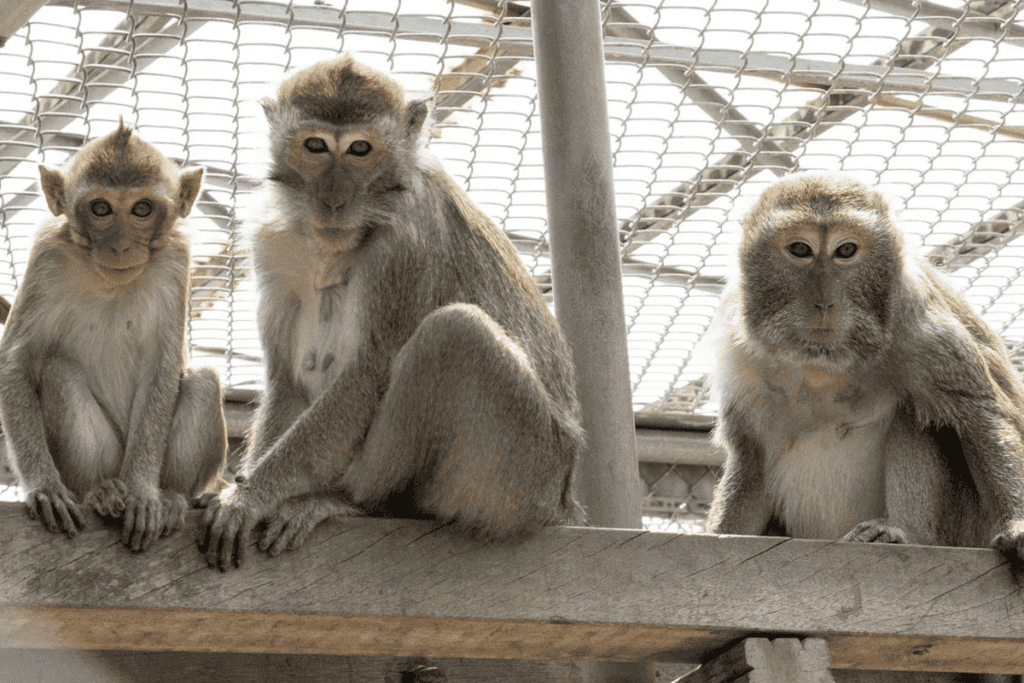
Dutch primate center awaits October animal research debate
Science is forging ahead at the Biomedical Primate Research Centre in the Netherlands, following a reversal of last year’s mandate to phase out primate studies. But researchers aren’t sure how long the reprieve will last.
Dutch primate center awaits October animal research debate
Science is forging ahead at the Biomedical Primate Research Centre in the Netherlands, following a reversal of last year’s mandate to phase out primate studies. But researchers aren’t sure how long the reprieve will last.
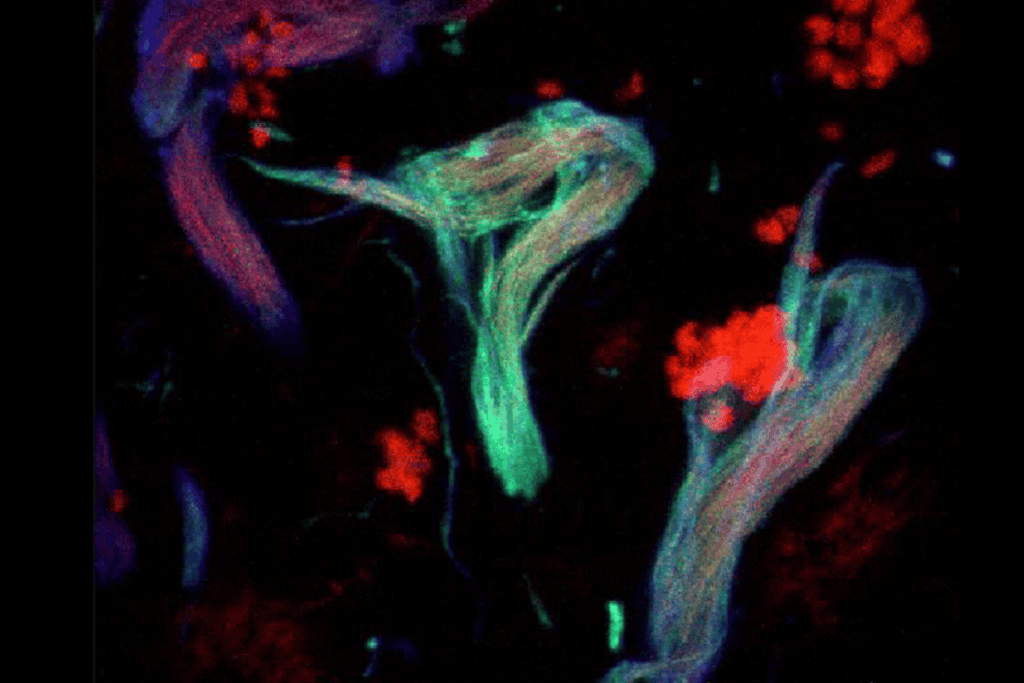
Reimagining Mexico’s brain bank
Since Alzheimer’s disease researcher José Luna-Muñoz assumed leadership of the facility—Latin America’s oldest—in 2011, he has been acquiring additional tissue types and is working to expand donor recruitment to rural areas.
Reimagining Mexico’s brain bank
Since Alzheimer’s disease researcher José Luna-Muñoz assumed leadership of the facility—Latin America’s oldest—in 2011, he has been acquiring additional tissue types and is working to expand donor recruitment to rural areas.
Reimaginando o banco de cérebros do México
Desde que o pesquisador da doença de Alzheimer José Luna-Muñoz assumiu a direção da instituição—a mais antiga da América Latina—em 2011, ele vem adquirindo novos tipos de tecido e trabalhando para ampliar o recrutamento de doadores nas áreas rurais
Reimaginando o banco de cérebros do México
Desde que o pesquisador da doença de Alzheimer José Luna-Muñoz assumiu a direção da instituição—a mais antiga da América Latina—em 2011, ele vem adquirindo novos tipos de tecido e trabalhando para ampliar o recrutamento de doadores nas áreas rurais
Reimaginando el banco de cerebros de México
Desde que el investigador de la enfermedad de Alzheimer José Luna-Muñoz se hizo cargo del banco de cerebros—el más antiguo de América Latina—en 2011, ha incorporado otros tipos de tejidos y trabaja para ampliar la captación de donantes a las zonas rurales.
Reimaginando el banco de cerebros de México
Desde que el investigador de la enfermedad de Alzheimer José Luna-Muñoz se hizo cargo del banco de cerebros—el más antiguo de América Latina—en 2011, ha incorporado otros tipos de tejidos y trabaja para ampliar la captación de donantes a las zonas rurales.
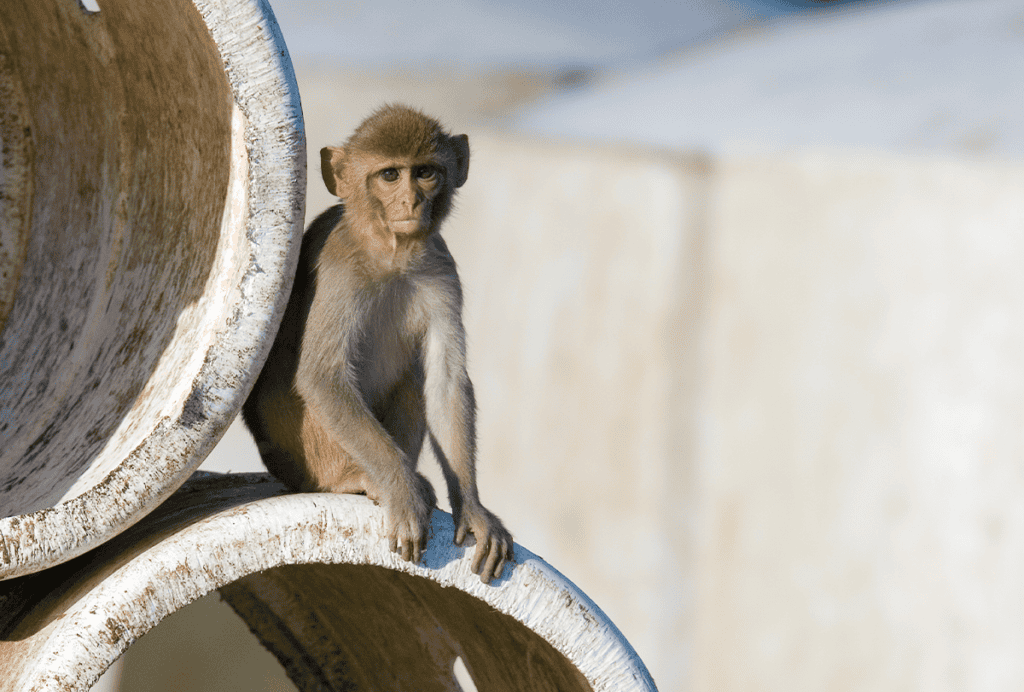
Oregon primate research center to downsize monkey colony, pivot to non-animal models
The center’s host university had been negotiating with the federal government about converting the center into an animal sanctuary. A new plan, approved today, preserves some of the center’s nonhuman primate studies.
Oregon primate research center to downsize monkey colony, pivot to non-animal models
The center’s host university had been negotiating with the federal government about converting the center into an animal sanctuary. A new plan, approved today, preserves some of the center’s nonhuman primate studies.
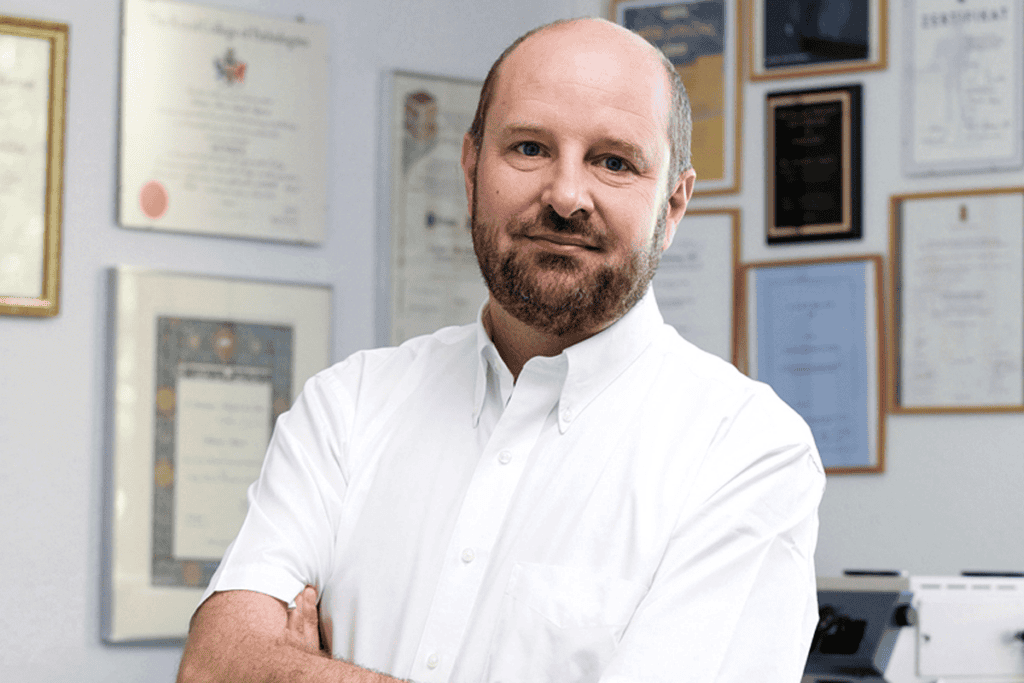
Neuropathologist not guilty of research misconduct, says university probe
The investigation determined that seven papers by corresponding author Adriano Aguzzi have “scientifically significant” errors, which Aguzzi attributes to his former students.
Neuropathologist not guilty of research misconduct, says university probe
The investigation determined that seven papers by corresponding author Adriano Aguzzi have “scientifically significant” errors, which Aguzzi attributes to his former students.
Bringing basic biology back to INSAR
As the International Society for Autism Research has grown over the past two decades, basic science has become less central, Christine Wu Nordahl says. This year, she and other meeting organizers aimed to change that.
Bringing basic biology back to INSAR
As the International Society for Autism Research has grown over the past two decades, basic science has become less central, Christine Wu Nordahl says. This year, she and other meeting organizers aimed to change that.
Oregon primate center scientists fight proposed sanctuary transition
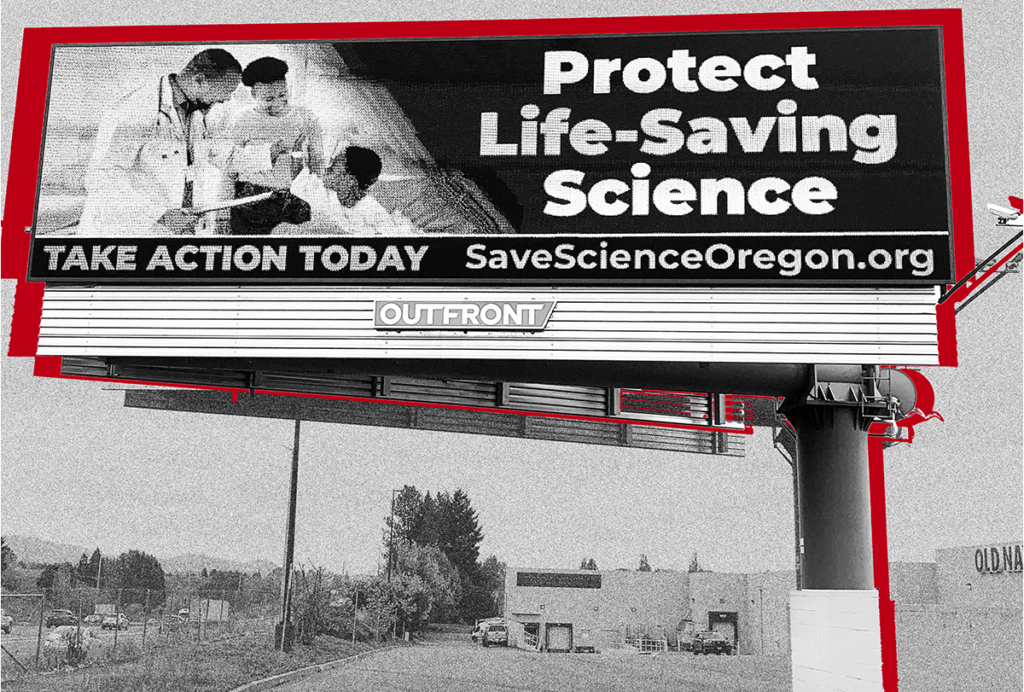
A group of employees has launched a series of campaigns to advocate for their work and argue against the center’s potential transition to an animal sanctuary.
Oregon primate center scientists fight proposed sanctuary transition
A group of employees has launched a series of campaigns to advocate for their work and argue against the center’s potential transition to an animal sanctuary.

How basic neuroscientists can connect with autistic people and their communities
A first-of-its-kind workshop offers a template for autism researchers who want to incorporate community perspectives into their work.
How basic neuroscientists can connect with autistic people and their communities
A first-of-its-kind workshop offers a template for autism researchers who want to incorporate community perspectives into their work.
Researchers retract multisensory learning paper after failed replications
Even though one set of experiments did not hold up, the authors stand by the original conclusions of the work and plan to resubmit it as a new paper.
Researchers retract multisensory learning paper after failed replications
Even though one set of experiments did not hold up, the authors stand by the original conclusions of the work and plan to resubmit it as a new paper.
Explore more from The Transmitter

Creating community through grant support
Fiona Sanderson, a senior program manager at the Brain Canada Foundation, shares how she got into grant administration and how she helps connect researchers with funding and one another.
Creating community through grant support
Fiona Sanderson, a senior program manager at the Brain Canada Foundation, shares how she got into grant administration and how she helps connect researchers with funding and one another.

This paper changed my life: A first glimpse into the ‘middle’ of brain processing
Work by Jeffrey Moran and Robert Desimone showed that monkeys could focus their attention on different stimuli in their visual field without shifting their gaze. Their work marked a key milestone in the emergence of cognitive neuroscience.
This paper changed my life: A first glimpse into the ‘middle’ of brain processing
Work by Jeffrey Moran and Robert Desimone showed that monkeys could focus their attention on different stimuli in their visual field without shifting their gaze. Their work marked a key milestone in the emergence of cognitive neuroscience.
Acetaminophen effects on developing brain organoids; and more
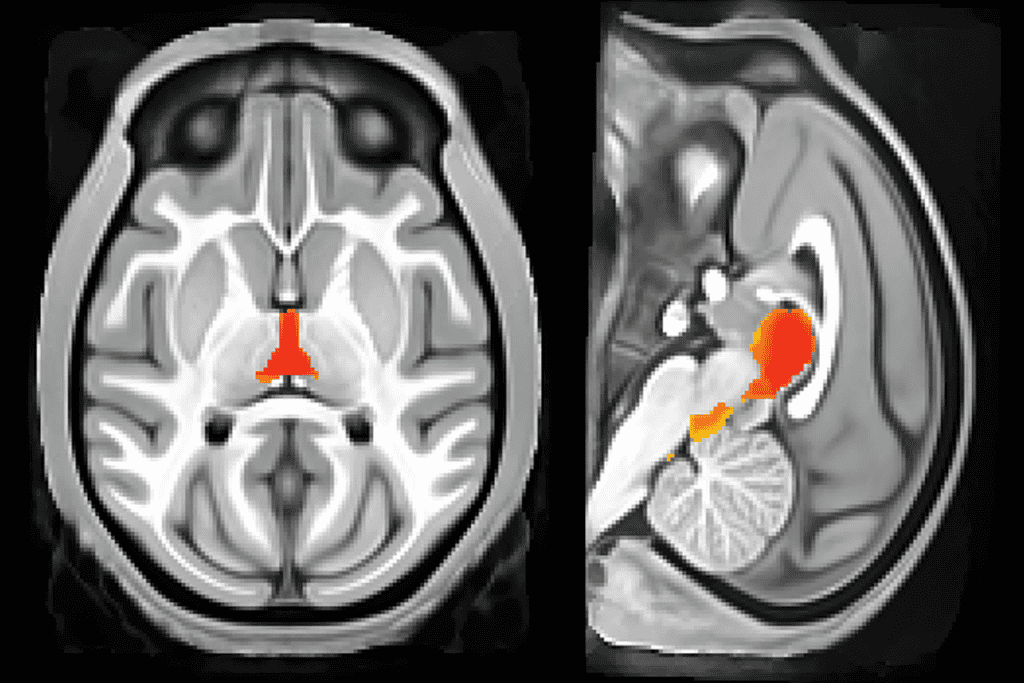
Here is a roundup of autism-related news and research spotted around the web for the week of 12 October.
Acetaminophen effects on developing brain organoids; and more
Here is a roundup of autism-related news and research spotted around the web for the week of 12 October.