Gene expression
Recent articles

Private initiative makes ‘historic’ investment in autism research
Aligning Research to Impact Autism has committed more than $450 million to build a new multidisciplinary research network to uncover the roots of profound autism and develop treatments.
Private initiative makes ‘historic’ investment in autism research
Aligning Research to Impact Autism has committed more than $450 million to build a new multidisciplinary research network to uncover the roots of profound autism and develop treatments.

Autism-linked variants converge on two molecular patterns in mouse brains
Gene activity across 17 autism mouse models occurs in either of two opposing transcriptomic states, supporting the idea that diverse genetic changes may converge on a few recurring biological patterns.
Autism-linked variants converge on two molecular patterns in mouse brains
Gene activity across 17 autism mouse models occurs in either of two opposing transcriptomic states, supporting the idea that diverse genetic changes may converge on a few recurring biological patterns.
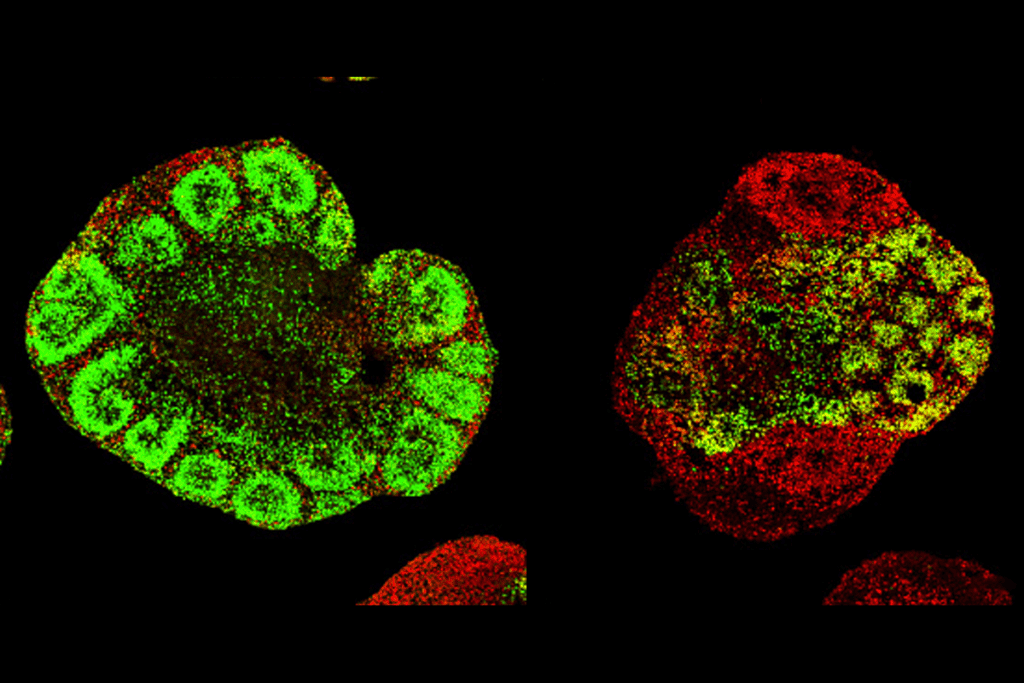
Polarized cortical organoids mimic the brain’s regional organization
The organoids show region-specific gene-expression changes that match those observed during fetal development.
Polarized cortical organoids mimic the brain’s regional organization
The organoids show region-specific gene-expression changes that match those observed during fetal development.
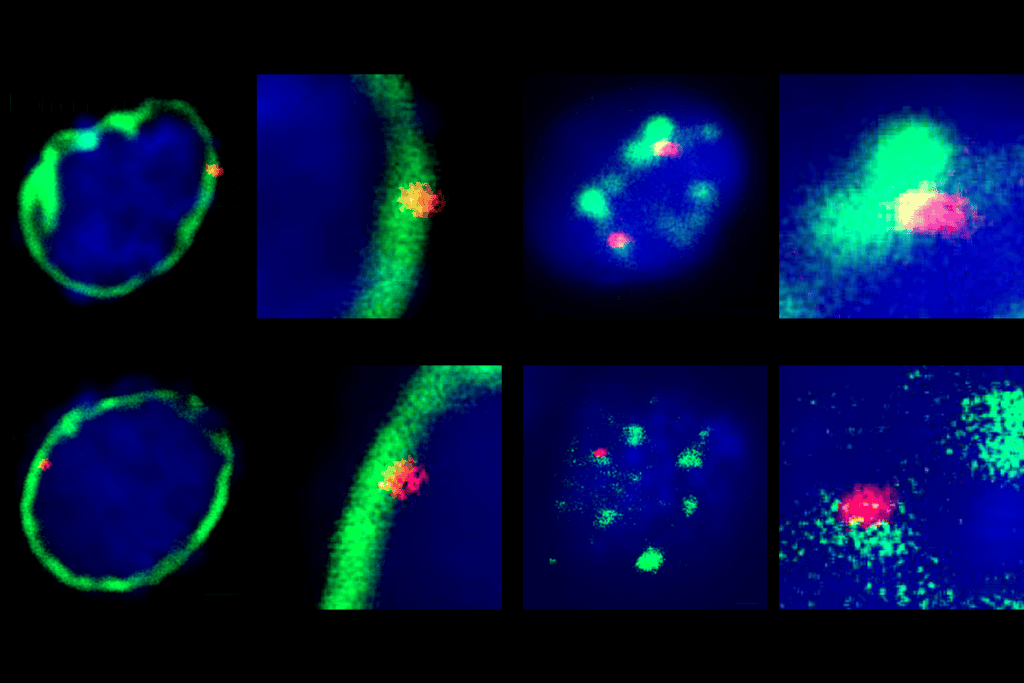
Nuclear location helps control gene activity during brain development
A study of developing human brain tissue suggests that genes switch on more strongly when they move from the nucleus’s edge toward structures that contain proteins involved in making and processing RNA.
Nuclear location helps control gene activity during brain development
A study of developing human brain tissue suggests that genes switch on more strongly when they move from the nucleus’s edge toward structures that contain proteins involved in making and processing RNA.
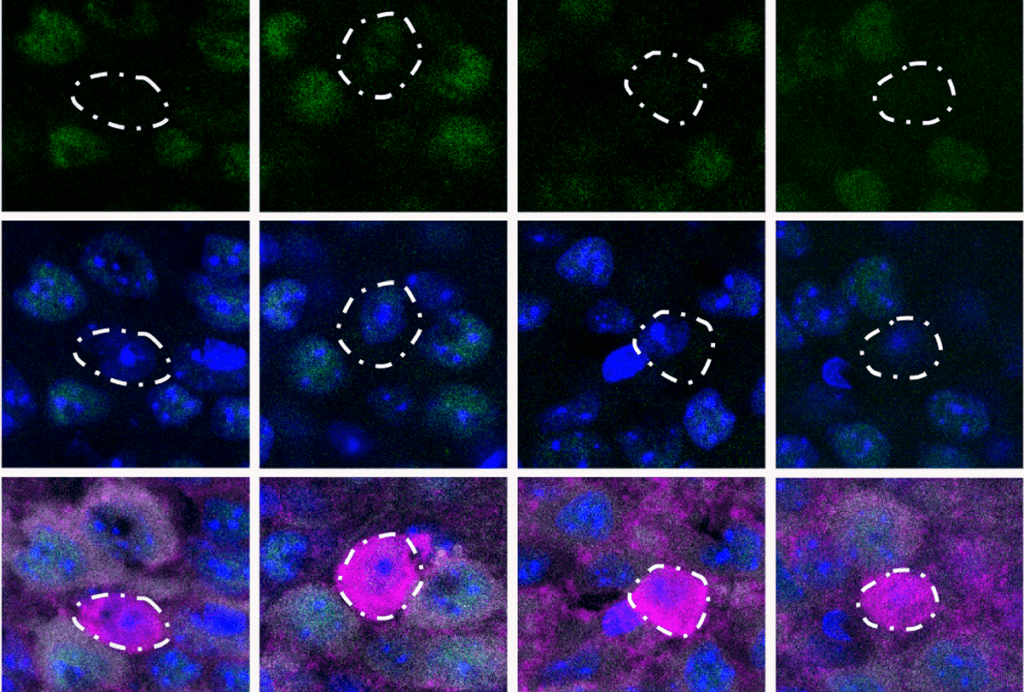
Loss of interneuron plasticity may be shared hallmark of neurodevelopmental conditions
Restoring an experience-dependent interneuron plasticity gene in adulthood improves memory and cuts seizures in CNTNAP2 knockout mice, a new study shows.
Loss of interneuron plasticity may be shared hallmark of neurodevelopmental conditions
Restoring an experience-dependent interneuron plasticity gene in adulthood improves memory and cuts seizures in CNTNAP2 knockout mice, a new study shows.
How thirteen-lined ground squirrels illuminate retinal development
In most mammalian retinas, rods outnumber cones. But that ratio is flipped in ground squirrels, a quirk that helps Seth Blackshaw explore how retinal cells develop their identities.
How thirteen-lined ground squirrels illuminate retinal development
In most mammalian retinas, rods outnumber cones. But that ratio is flipped in ground squirrels, a quirk that helps Seth Blackshaw explore how retinal cells develop their identities.
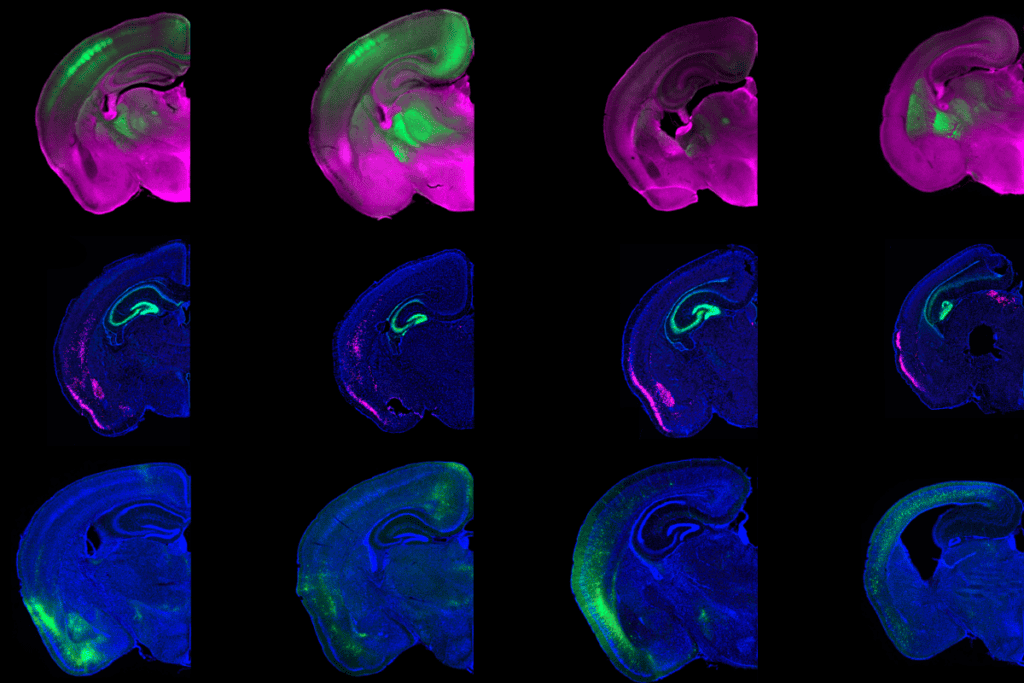
Cortical territories compete in developmental space race
Sensory and association regions are established through a reciprocal process, according to a new model of cortical development.
Cortical territories compete in developmental space race
Sensory and association regions are established through a reciprocal process, according to a new model of cortical development.
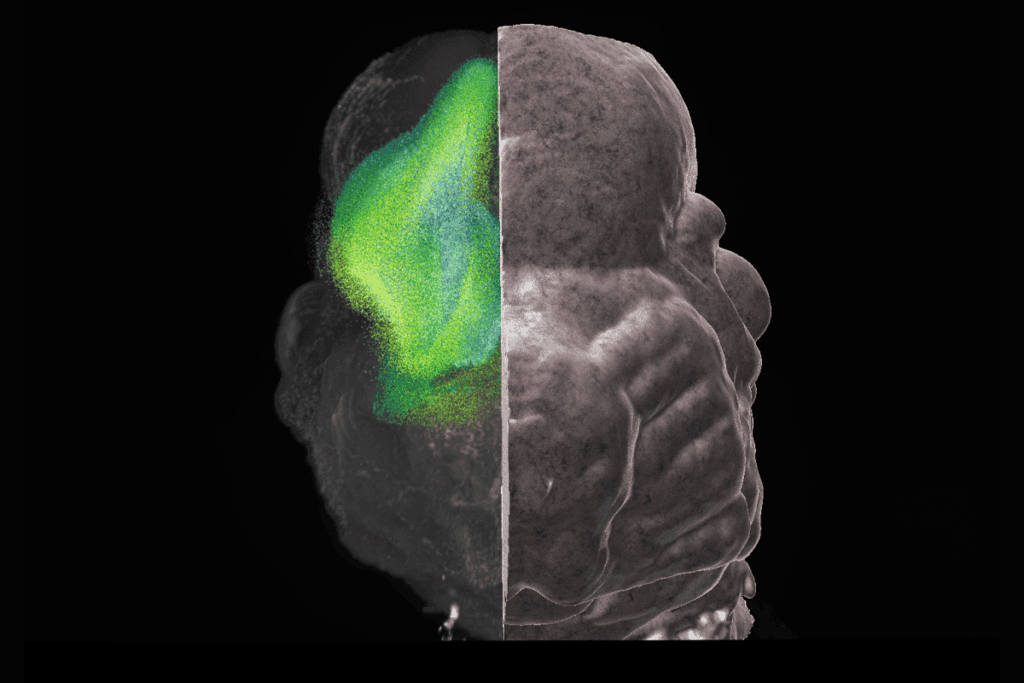
Diverse autism genes derail common developmental pathways
Multiple genetic mouse models initially show delayed cortical development, but the animals’ molecular trajectories diverge within weeks after birth, a new study finds.
Diverse autism genes derail common developmental pathways
Multiple genetic mouse models initially show delayed cortical development, but the animals’ molecular trajectories diverge within weeks after birth, a new study finds.
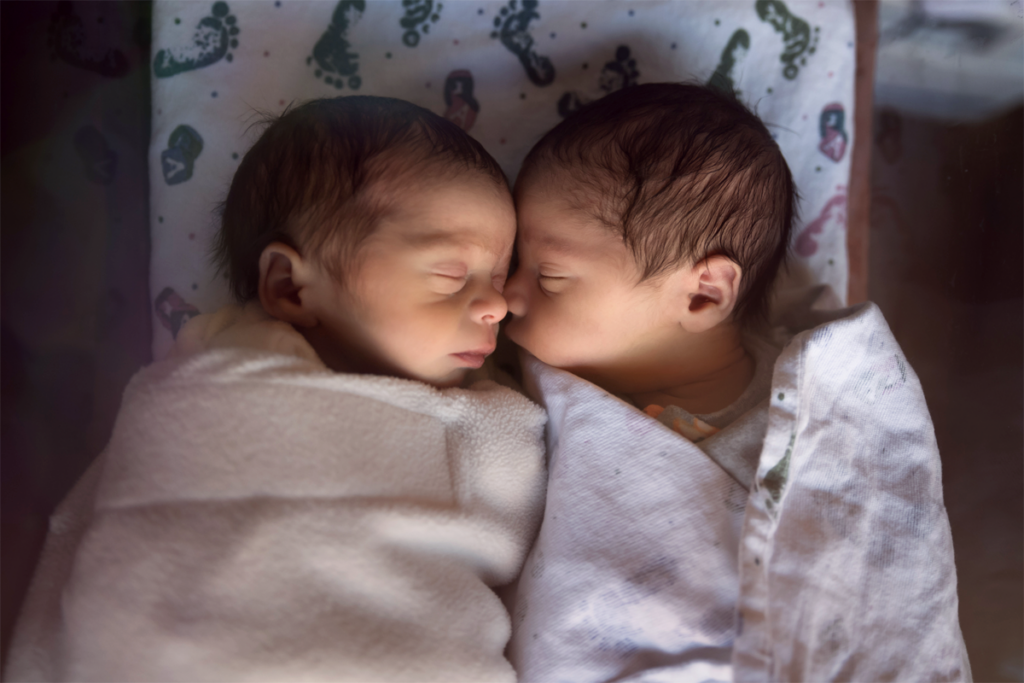
Cousin comparison parses genetic effects in autism
The approach helps reveal whether maternal genes contribute directly to autism in children or have indirect effects on the prenatal environment.
Cousin comparison parses genetic effects in autism
The approach helps reveal whether maternal genes contribute directly to autism in children or have indirect effects on the prenatal environment.
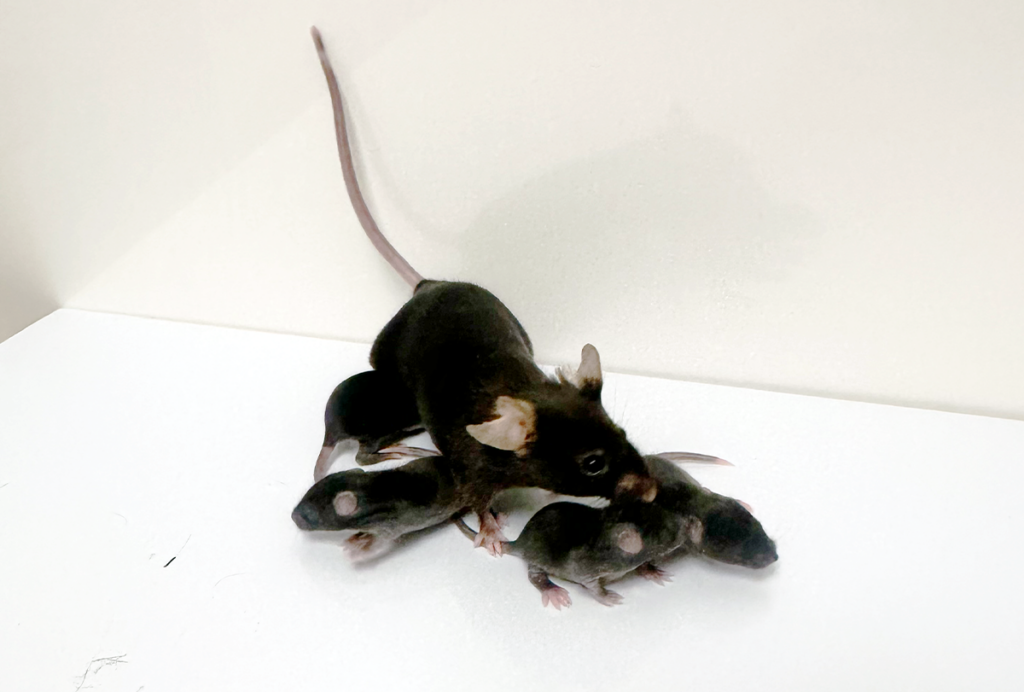
Maternity induces lasting gene-expression changes in mouse brains
The findings add to a small but growing body of research on neurological changes linked to pregnancy, birth and parenting.
Maternity induces lasting gene-expression changes in mouse brains
The findings add to a small but growing body of research on neurological changes linked to pregnancy, birth and parenting.
Explore more from The Transmitter
Is it time for neuroscience to shift its focus from a computational mind to a navigating mind?
Andrea Hiott explains her navigational approach to the mind, and why now is the time to embrace seemingly paradoxical findings in neuroscience.
Is it time for neuroscience to shift its focus from a computational mind to a navigating mind?
Andrea Hiott explains her navigational approach to the mind, and why now is the time to embrace seemingly paradoxical findings in neuroscience.
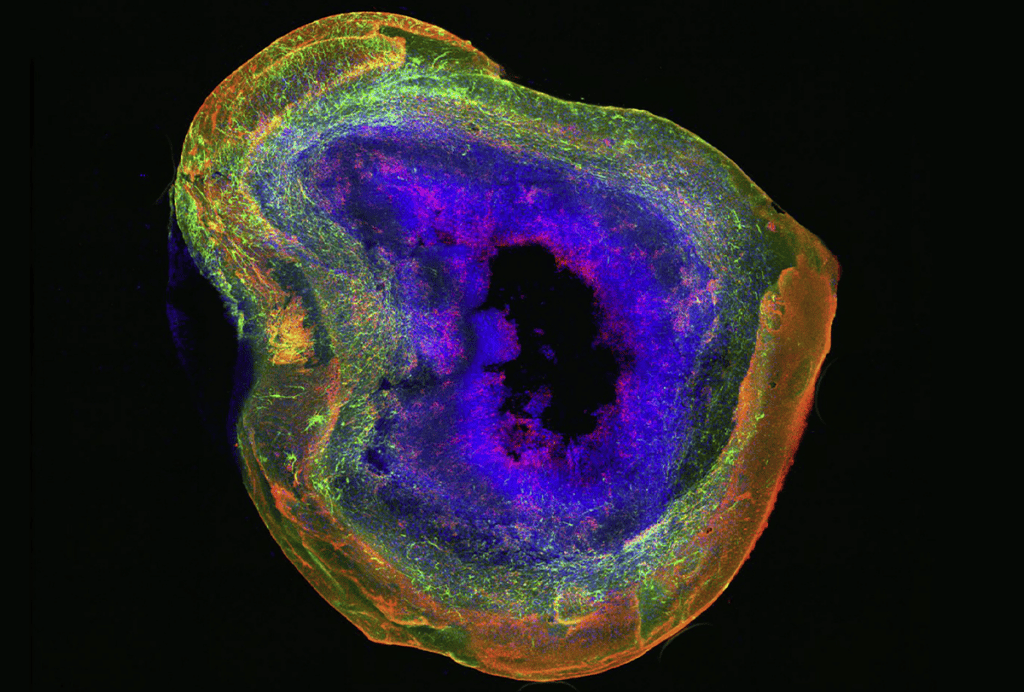
Human brain organoids come of age—but still have room to grow
The U.S. government has touted organoids as an alternative to animals for studying the brain. The model has improved since its debut in 2013, but scientists are still working to overcome key limitations: immaturity, consistency and the lack of vascularization.

Finding neuroheterogeneity’s sweet spot
Once thought to be detrimental to memory processing, neuronal diversity—at the right ‘Goldilocks’ dose—is a new boon to theoretical neuroscience.
Finding neuroheterogeneity’s sweet spot
Once thought to be detrimental to memory processing, neuronal diversity—at the right ‘Goldilocks’ dose—is a new boon to theoretical neuroscience.