Many genes linked to autism disrupt the same developmental pathways during embryonic development and the first two weeks of life, according to a new study in mice. As the animals mature, those shared changes give way to more gene-specific phenotypes, suggesting that the underlying pathways shift over time.
Different autism mouse models showed similar developmental changes, including delayed differentiation of neural stem cells during prenatal development and altered neuronal excitability one week after birth, the study found. By 2 weeks of age, however, the overlap among the models declines as each strain develops increasingly distinct molecular signatures.
“What we see is that the trajectories are changing over time, molecularly,” says study investigator Gaia Novarino, professor of neuroscience at the Institute of Science and Technology Austria. Because the phenotypic outcome may change just as dramatically, “it’s difficult to say that at a later stage, this is the same disorder [as in early development].”
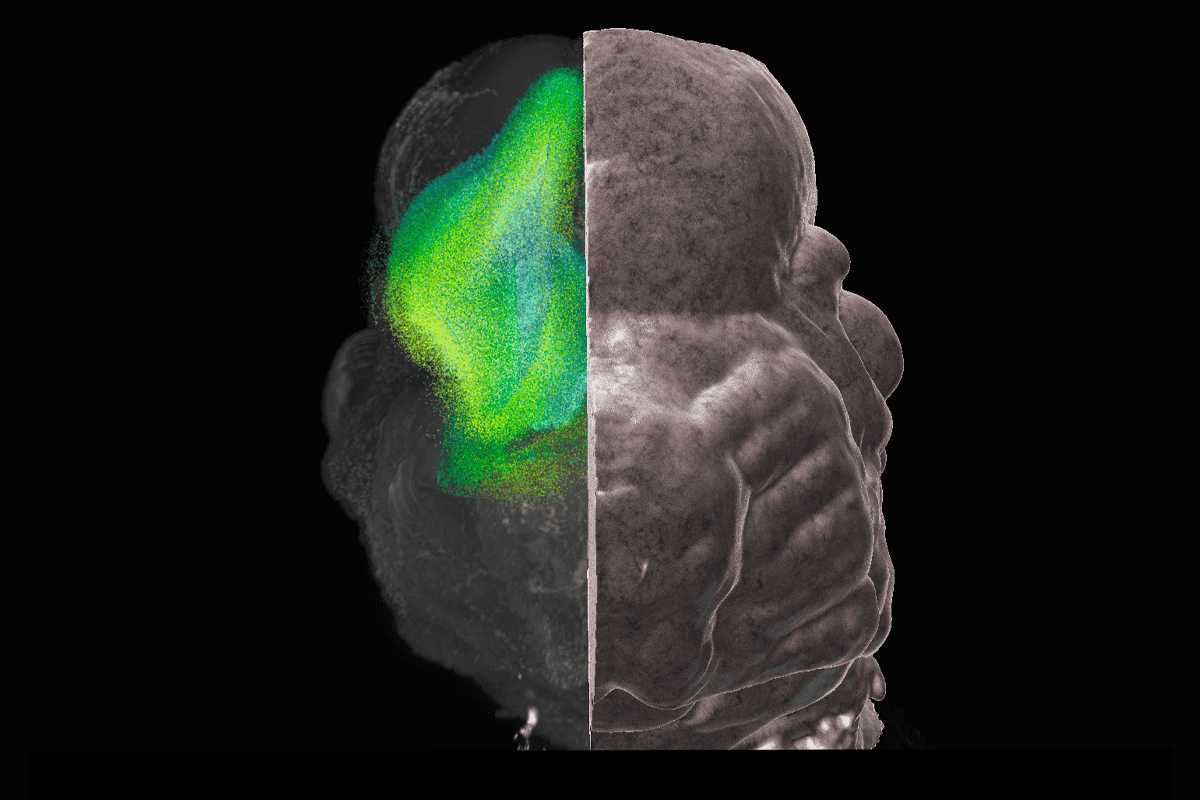
In the new study, Novarino and her colleagues analyzed 11 autism mouse models, including animals lacking one or both copies of CUL3, KDM6B, PTCHD1 or BCKDK. Those genes code for proteins with a diversity of functions, such as transcriptional regulation, protein clearance, synaptic function and cell metabolism. Compared with wildtype mice, the models have more radial glial cells and fewer mature cortical neurons during embryonic development, suggesting that neuronal differentiation is delayed in the autism models—differences that disappear soon after birth.
That transient delay “is particularly interesting, because it links autism risk genes to the timing of cortical development rather than simply to permanent cell-fate errors,” says Zoltán Molnár, professor of developmental neuroscience at the University of Oxford, who was not involved in the work.
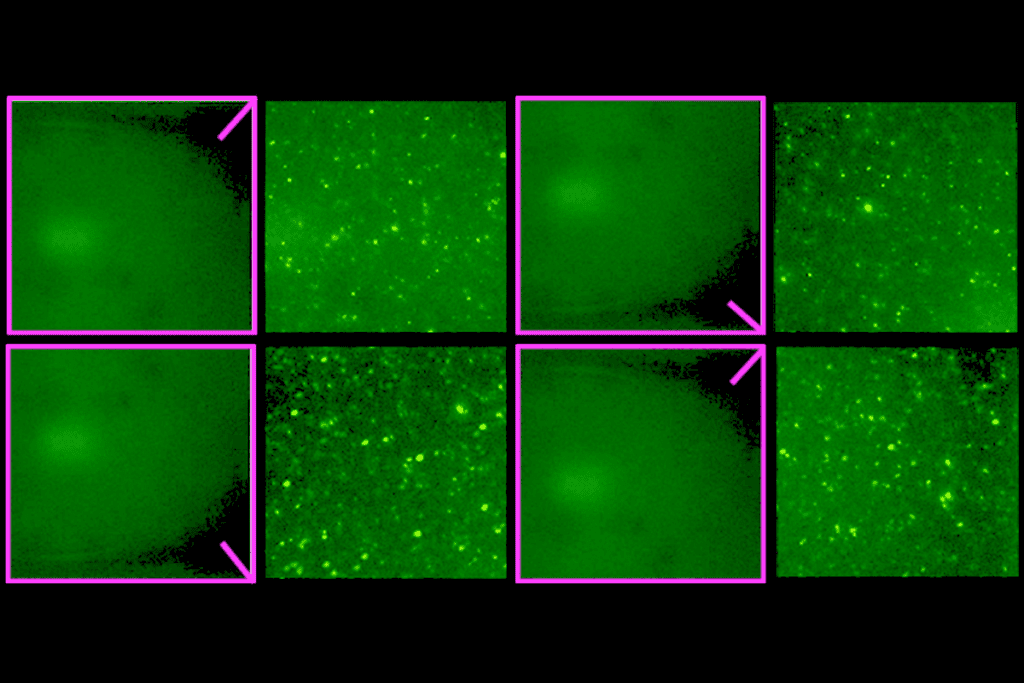
The engineered mice also show convergent changes in gene expression, particularly in excitatory neurons shortly after birth. Many of the affected genes encode proteins involved in synaptic signaling and neuronal activity, the study found. Consistent with those changes, the autism models show impaired action-potential firing and neuronal excitability, patch-clamp recordings revealed.
D
That “progressive divergence by [postnatal day] 14 has a sobering implication,” says Oscar Marín, professor of neuroscience at King’s College London, who was not involved in the study. “Later interventions may need to be increasingly genotype-specific rather than mechanism based. That’s why early interventions might become so important.”
Six of the models showed more gene-expression changes in female mice than in males, whereas the remaining models displayed few sex-specific differences, the study found. But those findings “should be interpreted with caution, as most of the comparisons came from a sample size of three or four animals,” says Donna Werling, assistant professor of genetics at the University of Wisconsin-Madison, who was not involved in the study. What’s more, stronger effects in females could reflect compensatory mechanisms rather than a more pronounced phenotype, she says.
Still, “studies like this remind us not to assume that research using mostly males will show us all of the relevant biology of autism,” Werling says. It emphasizes “the need to recruit more girls and women into studies and use equal numbers of male and female mice in research.”
The findings were published last month in Nature.
O
For example, cerebral organoid models point to larger effects in inhibitory neurons than the new paper showed. And autism-linked variants initially affect developing organoids in different ways before converging on shared pathways over time, according to a study published earlier this year.
But such differences are to be expected when using mice to model a human disease, says Tomasz Nowakowski, associate professor of neurological surgery, anatomy and psychiatry, and of behavioral sciences, at the University of California, San Francisco, who was not involved in the study. Putting aside those differences, organoid models often exhibit disruptions in neurogenesis, he says. “I think that, on a high level, there is a lot of similarity with the human work.”
Novarino’s team next plans to investigate how sex-specific changes in gene expression relate to behavior, and whether they contribute to autism traits or instead serve as compensatory mechanisms, she says. Another avenue is to examine how molecular convergence changes when the animals are placed in challenging environments. By forcing the brain to solve problems, the researchers may see greater convergence in early development, Novarino says.