Hippocampus
Recent articles
Is it time for neuroscience to shift its focus from a computational mind to a navigating mind?
Andrea Hiott explains her navigational approach to the mind, and why now is the time to embrace seemingly paradoxical findings in neuroscience.
Is it time for neuroscience to shift its focus from a computational mind to a navigating mind?
Andrea Hiott explains her navigational approach to the mind, and why now is the time to embrace seemingly paradoxical findings in neuroscience.
New findings begin to resolve theta sweep debate
Theta sweeps have been mired in controversy for decades, but the field is starting to converge on a consensus view of their function.
New findings begin to resolve theta sweep debate
Theta sweeps have been mired in controversy for decades, but the field is starting to converge on a consensus view of their function.
Reverse engineering neural circuits; success stories from computational neuroscience
Kevin Mitchell talks with Timothy Behrens about ring attractors, the role of innate structure, and an expanded view of cognitive maps.
Reverse engineering neural circuits; success stories from computational neuroscience
Kevin Mitchell talks with Timothy Behrens about ring attractors, the role of innate structure, and an expanded view of cognitive maps.
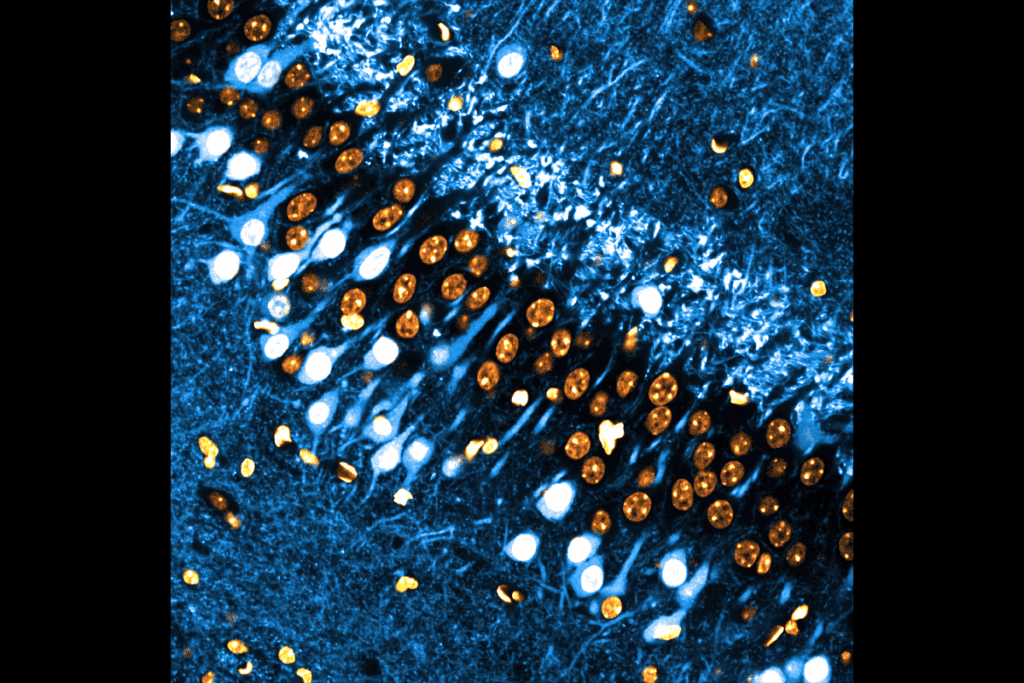
Textbook model of hippocampus’s role in memory may need updating
The CA3 region, long thought to have just one circuit, has two, sporting different wiring and functions, a new preprint suggests.
Textbook model of hippocampus’s role in memory may need updating
The CA3 region, long thought to have just one circuit, has two, sporting different wiring and functions, a new preprint suggests.
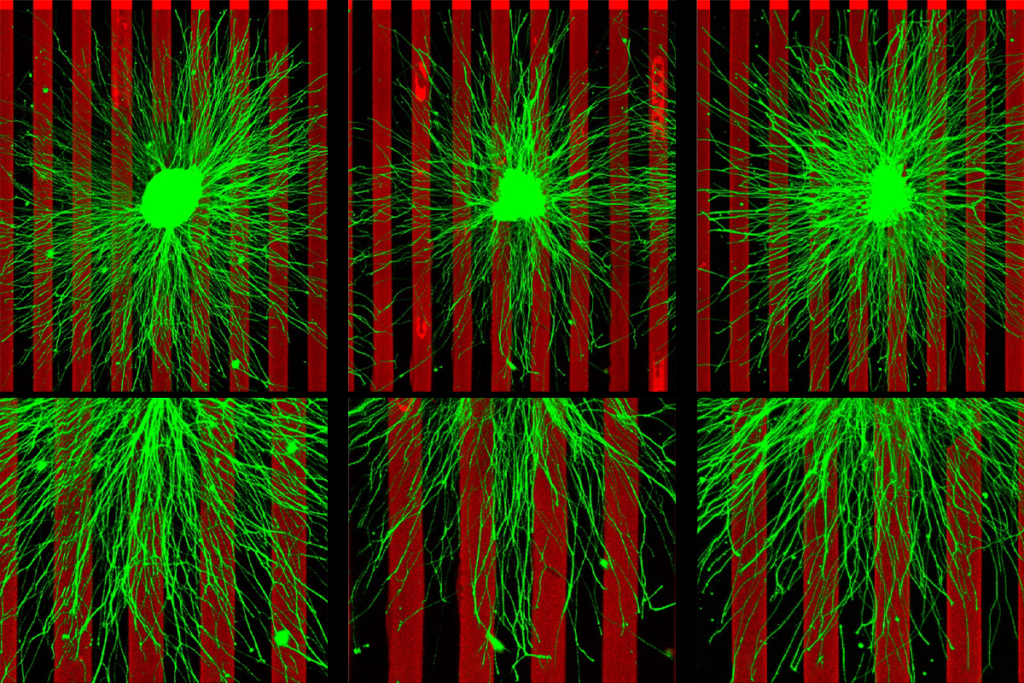
‘Push-pull’ recipe for neural wiring used in multiple brain regions
A versatile pair of proteins steers neurons toward their targets and helps establish the brain’s sensory maps, new studies suggest.
‘Push-pull’ recipe for neural wiring used in multiple brain regions
A versatile pair of proteins steers neurons toward their targets and helps establish the brain’s sensory maps, new studies suggest.
Liset de la Prida explains how neuron subtypes may control the activity of large neural populations, from manifolds to ripples
De la Prida's work analyzing the varieties of sharp wave ripples in the hippocampus led to her discovery that specific types of neurons control the properties of neural manifolds.
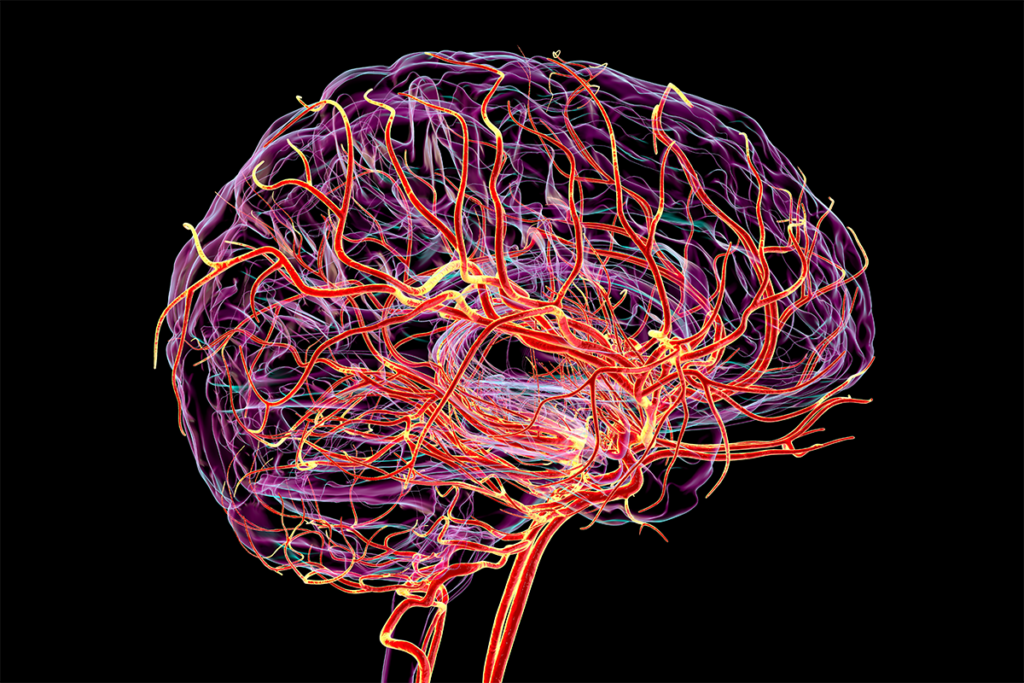
Arousal neurons’ activity explains brain’s blood flow dynamics in mice
The findings could influence how researchers interpret signals from techniques that use blood flow as a surrogate for neuronal activity.
Arousal neurons’ activity explains brain’s blood flow dynamics in mice
The findings could influence how researchers interpret signals from techniques that use blood flow as a surrogate for neuronal activity.
What a bird’s-eye view of half a million papers reveals about neuroscience
New research uses artificial-intellligence-driven bibliometrics to map the structural organization of neuroscience across 25 years. The field it reveals is at once thriving and theoretically adrift.
What a bird’s-eye view of half a million papers reveals about neuroscience
New research uses artificial-intellligence-driven bibliometrics to map the structural organization of neuroscience across 25 years. The field it reveals is at once thriving and theoretically adrift.
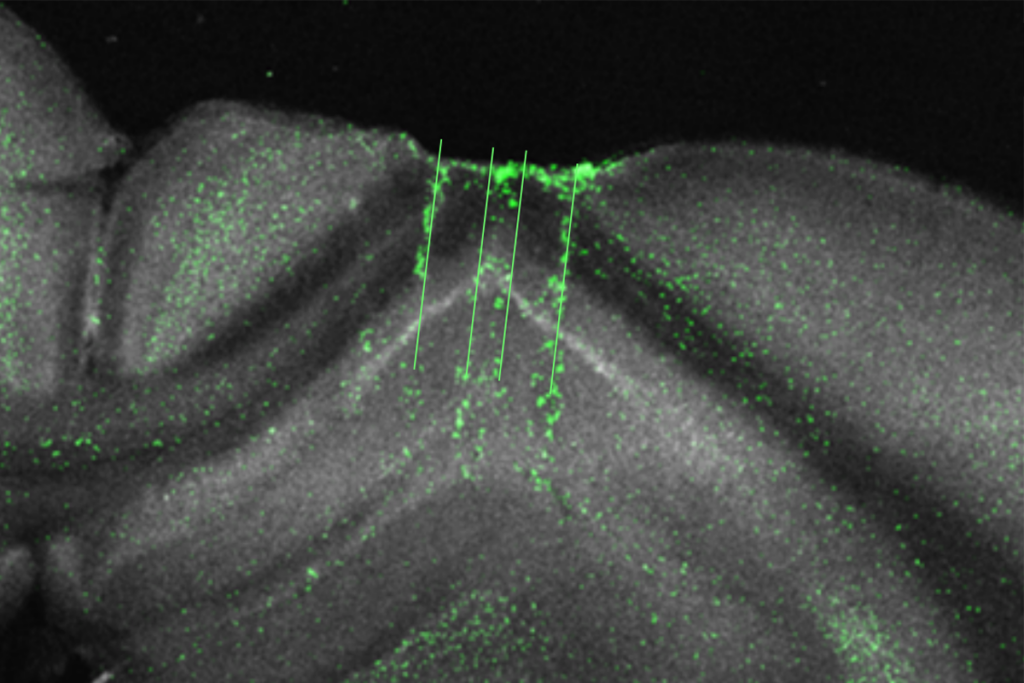
Hippocampus builds reputation as ‘general-purpose statistical learning machine’
New cross-species findings may help settle a long-standing debate about whether the hippocampus is required for passive learning.
Hippocampus builds reputation as ‘general-purpose statistical learning machine’
New cross-species findings may help settle a long-standing debate about whether the hippocampus is required for passive learning.

Dendrites help neuroscientists see the forest for the trees
Dendritic arbors provide just the right scale to study how individual neurons reciprocally interact with their broader circuitry—and are our best bet to bridge cellular and systems neuroscience.
Dendrites help neuroscientists see the forest for the trees
Dendritic arbors provide just the right scale to study how individual neurons reciprocally interact with their broader circuitry—and are our best bet to bridge cellular and systems neuroscience.
Explore more from The Transmitter
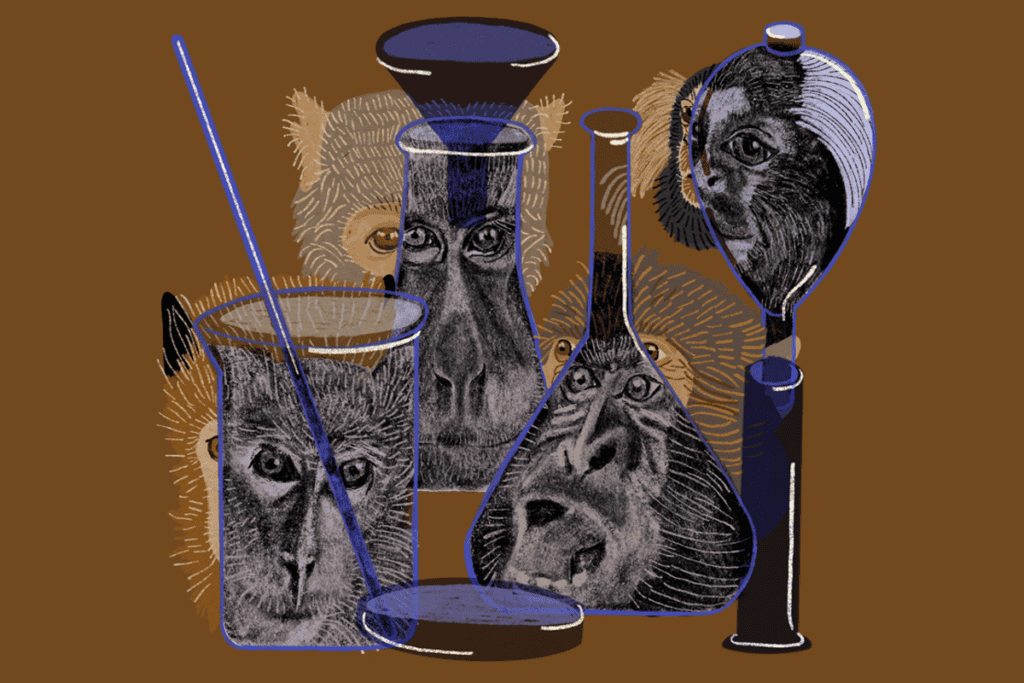
What if nonhuman primate research goes away?
As the U.S. government takes steps to stop using nonhuman primates in research, The Transmitter investigates what that shift could mean for neuroscience.
What if nonhuman primate research goes away?
As the U.S. government takes steps to stop using nonhuman primates in research, The Transmitter investigates what that shift could mean for neuroscience.
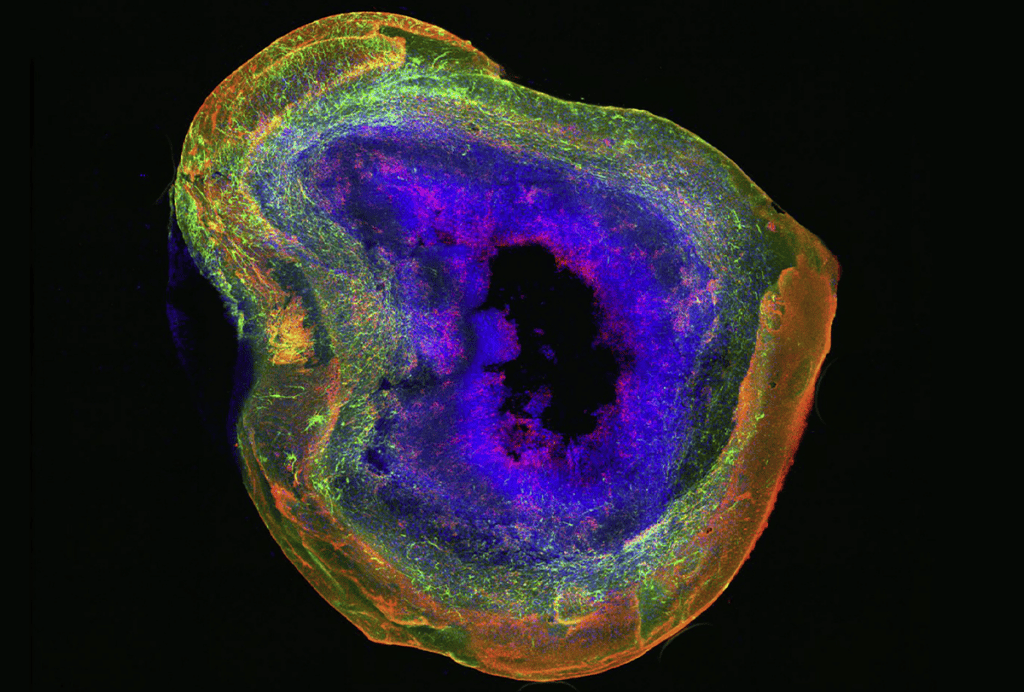
Human brain organoids come of age—but still have room to grow
The U.S. government has touted organoids as an alternative to animals for studying the brain. The model has improved since its debut in 2013, but scientists are still working to overcome key limitations: immaturity, consistency and the lack of vascularization.
Finding neuroheterogeneity’s sweet spot
Once thought to be detrimental to memory processing, neuronal diversity—at the right ‘Goldilocks’ dose—is a new boon to theoretical neuroscience.
Finding neuroheterogeneity’s sweet spot
Once thought to be detrimental to memory processing, neuronal diversity—at the right ‘Goldilocks’ dose—is a new boon to theoretical neuroscience.