Data-sharing
Recent articles
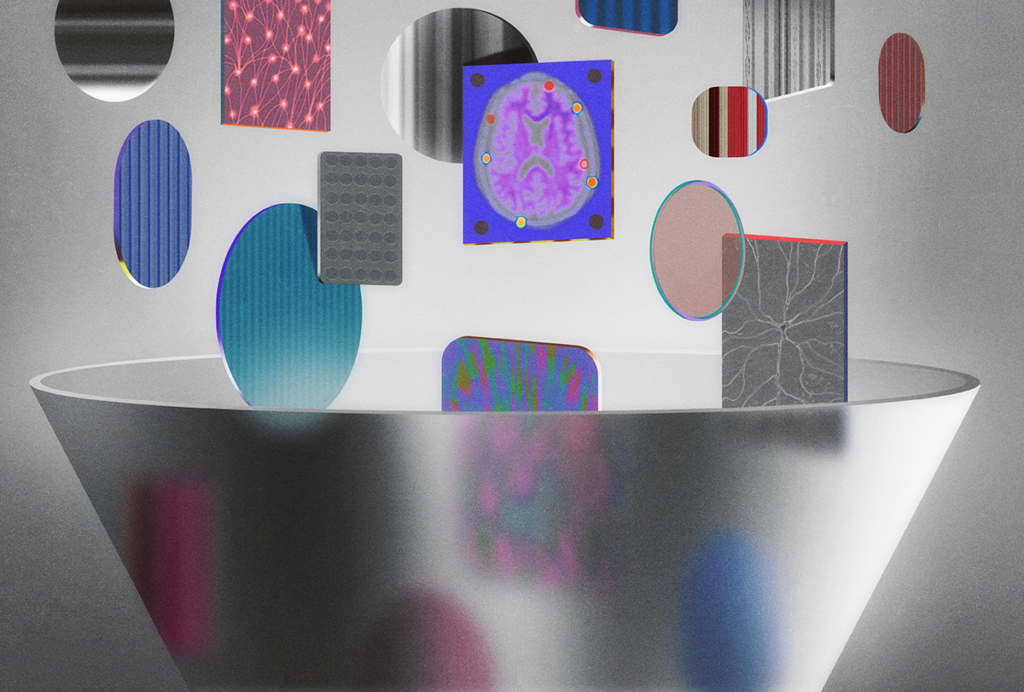
AI can’t solve the brain without data that fit together
The brain's first foundation models exist because some areas of neuroscience did the slow work of developing and adopting standards to help integrate data. Artificial intelligence cannot do that work for us.
AI can’t solve the brain without data that fit together
The brain's first foundation models exist because some areas of neuroscience did the slow work of developing and adopting standards to help integrate data. Artificial intelligence cannot do that work for us.
A new atlas of abstracts visualizes the field of human brain mapping—where does your work fit?
Satrajit Ghosh talks to Mac Shine about a community-built tool that places every abstract from the 2026 Organization for Human Brain Mapping meeting inside a semantic map of the broader neuroscience literature. Finding your neighbors in that space might matter more than you think.
A new atlas of abstracts visualizes the field of human brain mapping—where does your work fit?
Satrajit Ghosh talks to Mac Shine about a community-built tool that places every abstract from the 2026 Organization for Human Brain Mapping meeting inside a semantic map of the broader neuroscience literature. Finding your neighbors in that space might matter more than you think.
Neuroscientists challenge NIH’s proposed human-data access policy
The changes would restrict the sharing of human neuroimaging, transcriptomic and genetic data.
Neuroscientists challenge NIH’s proposed human-data access policy
The changes would restrict the sharing of human neuroimaging, transcriptomic and genetic data.

Neurophysiology data-sharing system faces funding cliff
After the primary grant supporting Neurodata Without Borders ends in March 2026, the platform may no longer be maintained or kept up to date.
Neurophysiology data-sharing system faces funding cliff
After the primary grant supporting Neurodata Without Borders ends in March 2026, the platform may no longer be maintained or kept up to date.
Deleting data or stopping its collection will erase years of valuable brain research
An explosion in open-neuroscience datasets has created a new generation of researchers with expertise in data science. But new federal restrictions in the United States put their research programs in jeopardy.
Deleting data or stopping its collection will erase years of valuable brain research
An explosion in open-neuroscience datasets has created a new generation of researchers with expertise in data science. But new federal restrictions in the United States put their research programs in jeopardy.
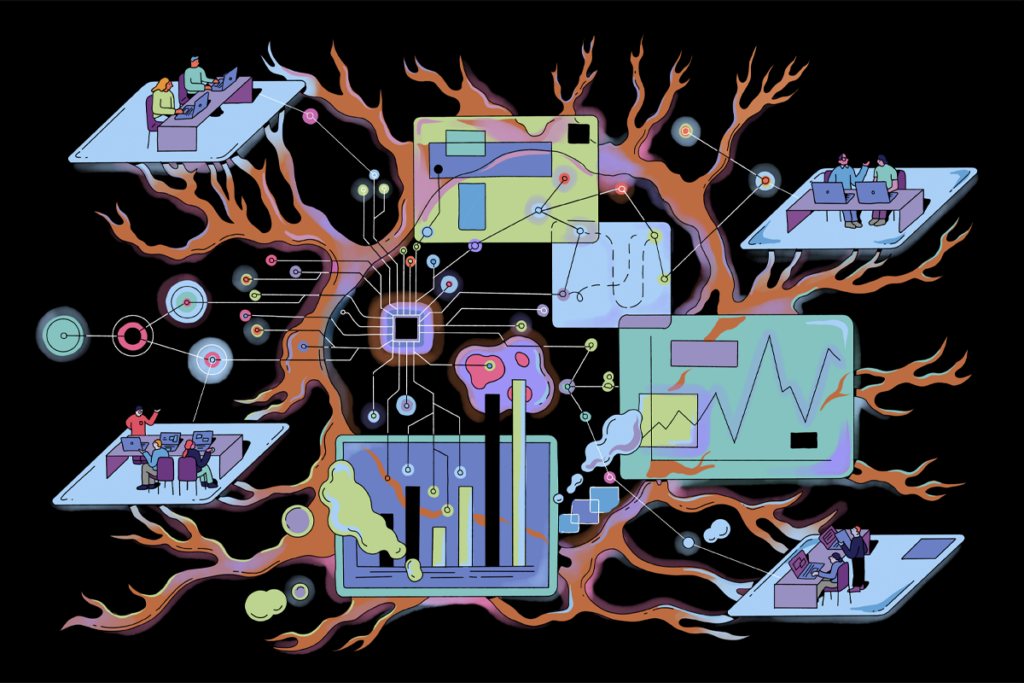
How to build a truly global computational neuroscience community
Computational sciences offer an opportunity to increase global access to, and participation in, neuroscience. Neuromatch’s inclusive, scalable model for community building shows how to realize this promise.
How to build a truly global computational neuroscience community
Computational sciences offer an opportunity to increase global access to, and participation in, neuroscience. Neuromatch’s inclusive, scalable model for community building shows how to realize this promise.
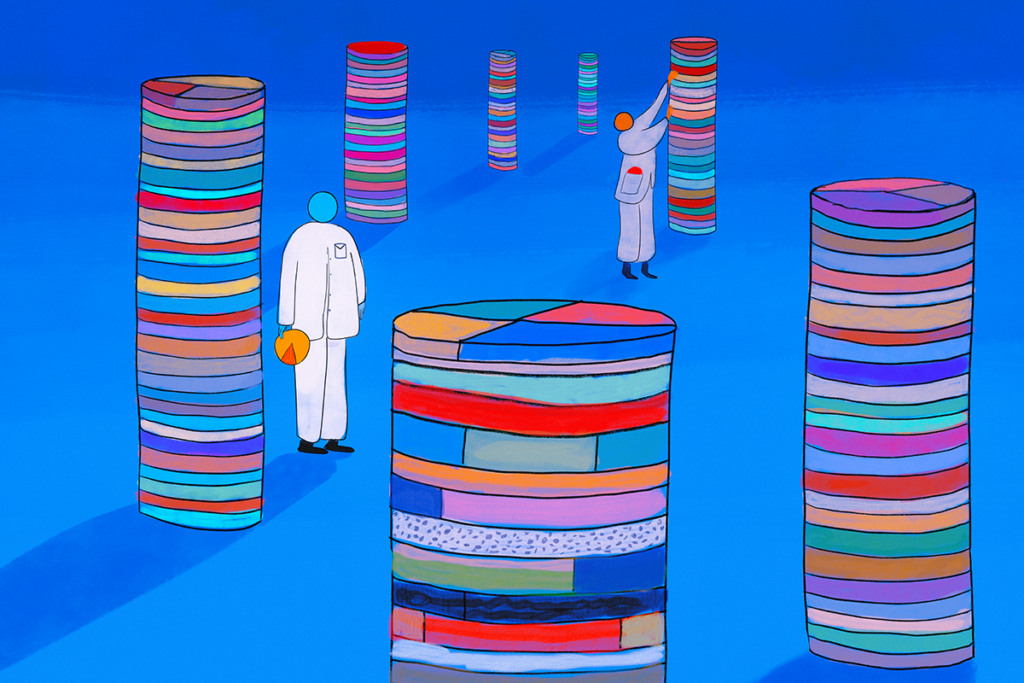
Neuroscience’s open-data revolution is just getting started
Data reuse represents an opportunity to accelerate the pace of science, reduce costs and increase the value of our collective research investments. New tools that make open data easier to use—and new pressures, including funding cuts—may increase uptake.
Neuroscience’s open-data revolution is just getting started
Data reuse represents an opportunity to accelerate the pace of science, reduce costs and increase the value of our collective research investments. New tools that make open data easier to use—and new pressures, including funding cuts—may increase uptake.
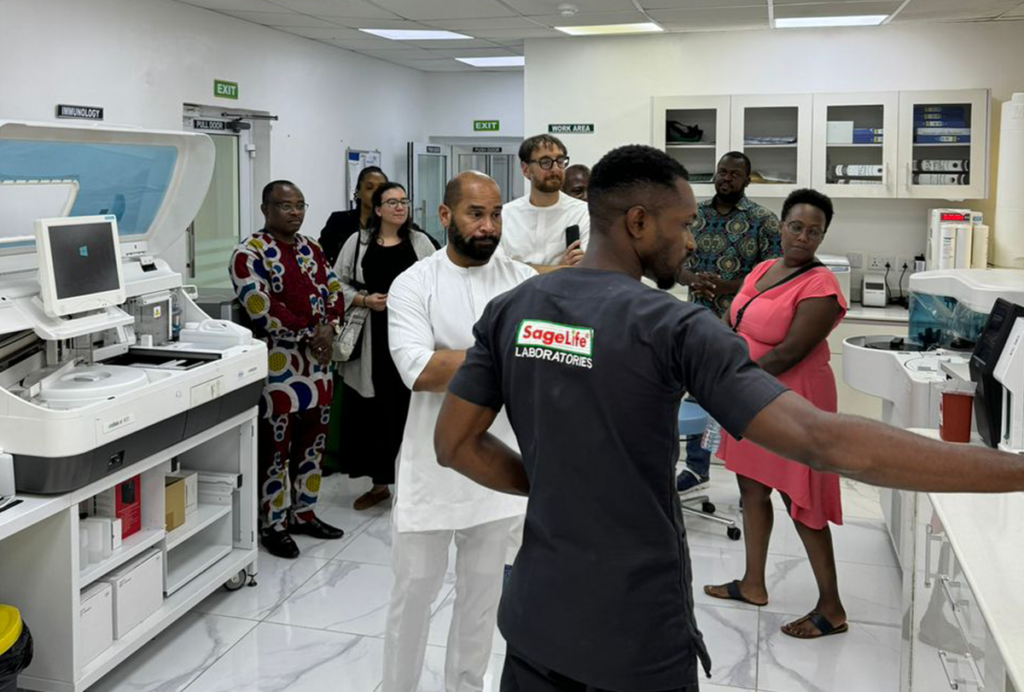
Sharing Africa’s brain data: Q&A with Amadi Ihunwo
These data are “virtually mandatory” to advance neuroscience, says Ihunwo, a co-investigator of the Brain Research International Data Governance & Exchange (BRIDGE) initiative, which seeks to develop a global framework for sharing, using and protecting neuroscience data.
Sharing Africa’s brain data: Q&A with Amadi Ihunwo
These data are “virtually mandatory” to advance neuroscience, says Ihunwo, a co-investigator of the Brain Research International Data Governance & Exchange (BRIDGE) initiative, which seeks to develop a global framework for sharing, using and protecting neuroscience data.

Expediting clinical trials for profound autism: Q&A with Matthew State
Aligning Research to Impact Autism, a new initiative funded by the Sergey Brin Family Foundation, wants to bring basic science discoveries to the clinic faster.
Expediting clinical trials for profound autism: Q&A with Matthew State
Aligning Research to Impact Autism, a new initiative funded by the Sergey Brin Family Foundation, wants to bring basic science discoveries to the clinic faster.
Accepting “the bitter lesson” and embracing the brain’s complexity
To gain insight into complex neural data, we must move toward a data-driven regime, training large models on vast amounts of information. We asked nine experts on computational neuroscience and neural data analysis to weigh in.
Accepting “the bitter lesson” and embracing the brain’s complexity
To gain insight into complex neural data, we must move toward a data-driven regime, training large models on vast amounts of information. We asked nine experts on computational neuroscience and neural data analysis to weigh in.
Explore more from The Transmitter
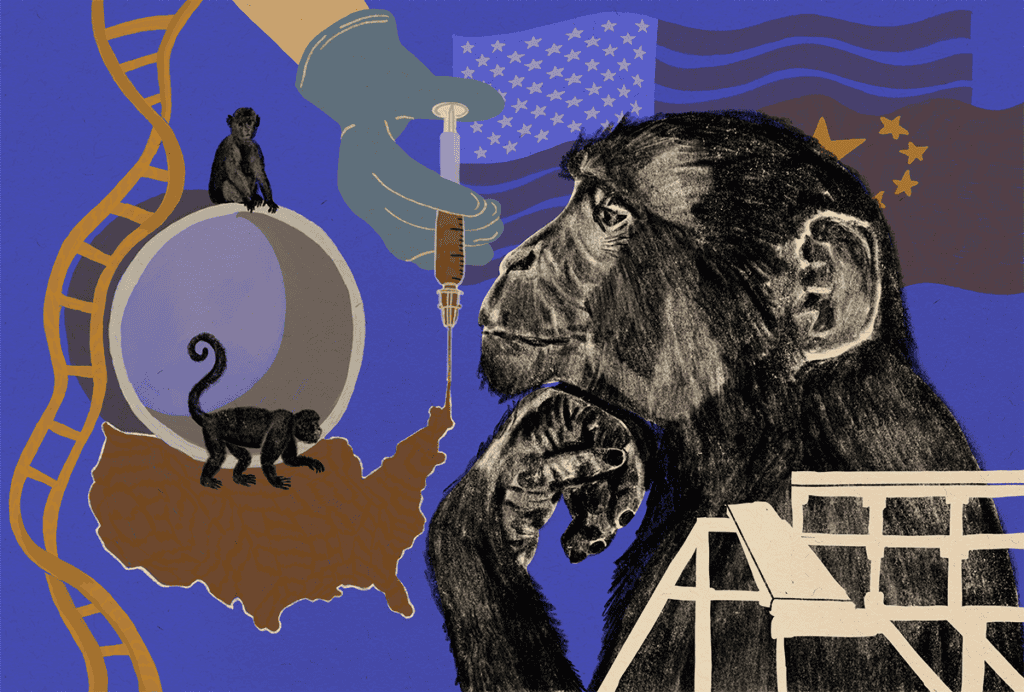
U.S. national primate research centers face an uncertain future
The facilities were meant to last 100 years. Four decades shy of that mark, amid flatlined funds and mounting political pressure, their directors are trying to find a path forward.
U.S. national primate research centers face an uncertain future
The facilities were meant to last 100 years. Four decades shy of that mark, amid flatlined funds and mounting political pressure, their directors are trying to find a path forward.
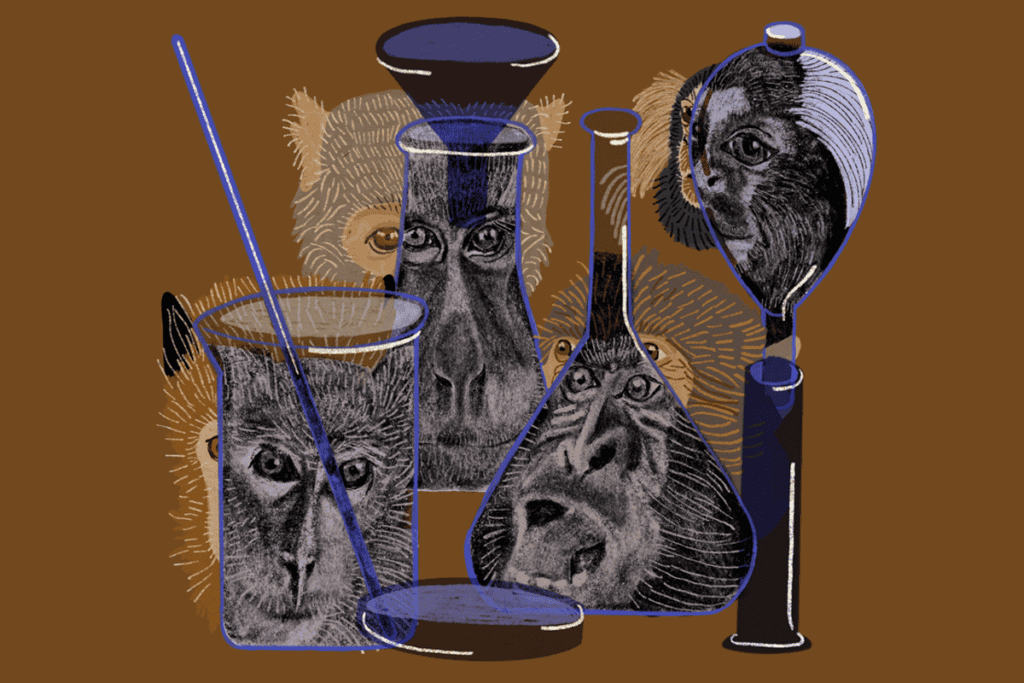
What if nonhuman primate research goes away?
As the U.S. government takes steps to stop using nonhuman primates in research, The Transmitter investigates what that shift could mean for neuroscience.
What if nonhuman primate research goes away?
As the U.S. government takes steps to stop using nonhuman primates in research, The Transmitter investigates what that shift could mean for neuroscience.
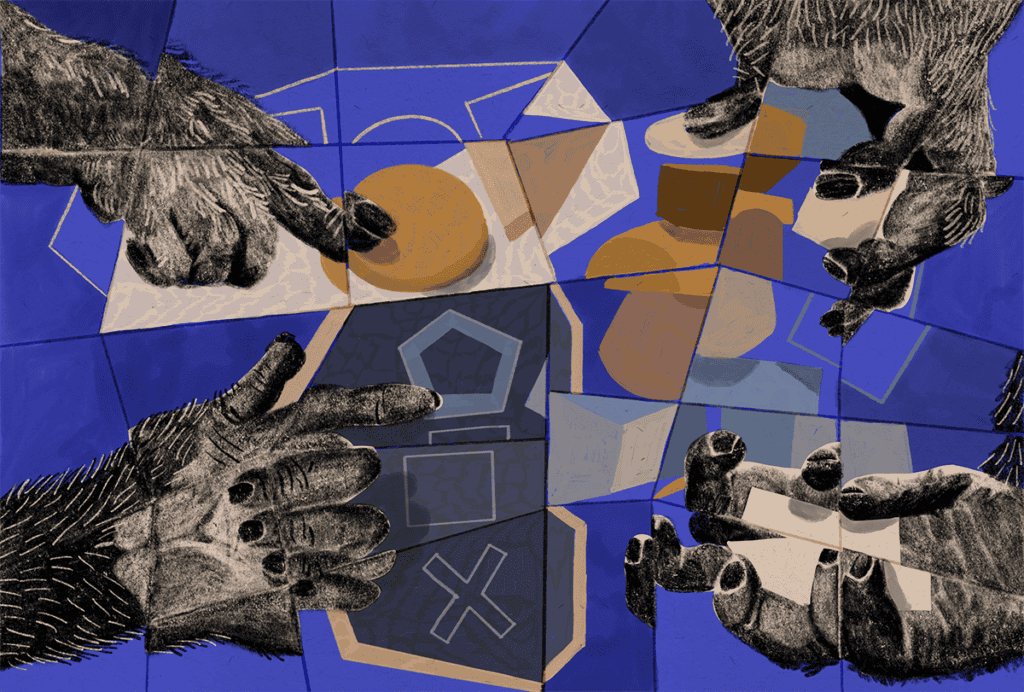
The neuroscience questions that need nonhuman primates
The Transmitter asked 17 neuroscientists what questions might remain unanswered if support for nonhuman primate research continues to decline.
The neuroscience questions that need nonhuman primates
The Transmitter asked 17 neuroscientists what questions might remain unanswered if support for nonhuman primate research continues to decline.