Learning
Recent articles

How Nobel Prize-winning optogenetics has revolutionized neuroscience
The technique has enabled neuroscientists to target brain circuits and cells with unprecedented specificity, transforming the study of memory, interoception, brain disorders and reward, among other domains.
How Nobel Prize-winning optogenetics has revolutionized neuroscience
The technique has enabled neuroscientists to target brain circuits and cells with unprecedented specificity, transforming the study of memory, interoception, brain disorders and reward, among other domains.
Alison Barth discovers how different neuron types contribute to cortical function
Barth uses learning tasks in mice as a tool to drive synaptic plasticity in the sensory cortex, hoping to unlock more general principles of how the cortex works.
Alison Barth discovers how different neuron types contribute to cortical function
Barth uses learning tasks in mice as a tool to drive synaptic plasticity in the sensory cortex, hoping to unlock more general principles of how the cortex works.

In memoriam: Susumu Tonegawa, ‘intellectual giant’
He won the Nobel Prize for his work on immunology and then went on to define the field of learning and memory.
In memoriam: Susumu Tonegawa, ‘intellectual giant’
He won the Nobel Prize for his work on immunology and then went on to define the field of learning and memory.
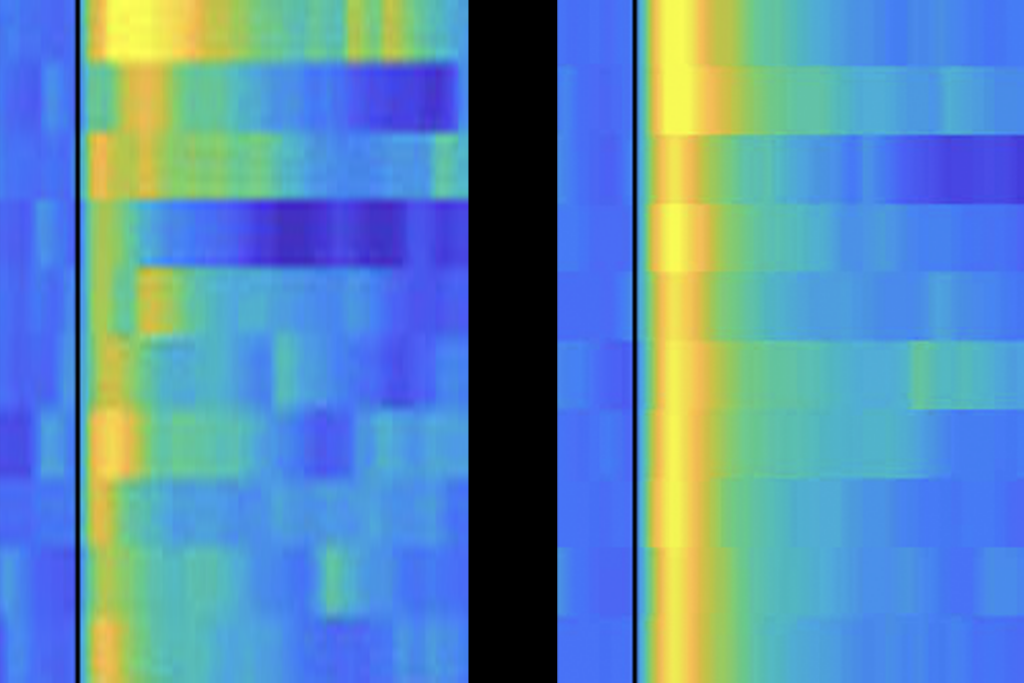
Reward-learning algorithm hardwired into dopamine circuit
The finding bolsters the canonical model of reward prediction error, which has come under scrutiny in recent years.
Reward-learning algorithm hardwired into dopamine circuit
The finding bolsters the canonical model of reward prediction error, which has come under scrutiny in recent years.
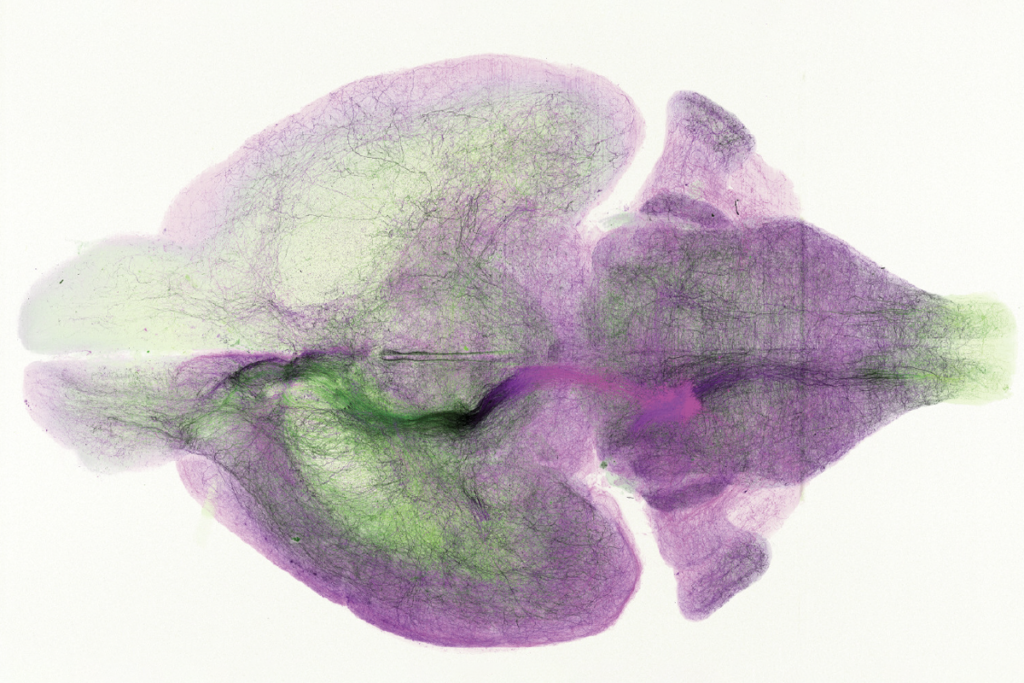
Brain’s blue spot possesses unexpected structure-function ties
The spatial arrangement of neurons in the locus coeruleus of mice corresponds with the cells’ targets across the brain, according to a new study.
Brain’s blue spot possesses unexpected structure-function ties
The spatial arrangement of neurons in the locus coeruleus of mice corresponds with the cells’ targets across the brain, according to a new study.

Researchers retract multisensory learning paper after failed replications
Even though one set of experiments did not hold up, the authors stand by the original conclusions of the work and plan to resubmit it as a new paper.
Researchers retract multisensory learning paper after failed replications
Even though one set of experiments did not hold up, the authors stand by the original conclusions of the work and plan to resubmit it as a new paper.

This paper changed my life: Talia Lerner reflects on dopamine neuron diversity and the value of simple experiments
In a 2011 Neuron study, Stephan Lammel and his colleagues showed that dopamine neurons with different projections have different physiological properties. The work inspired Lerner to think about how to challenge widely held assumptions in the field.
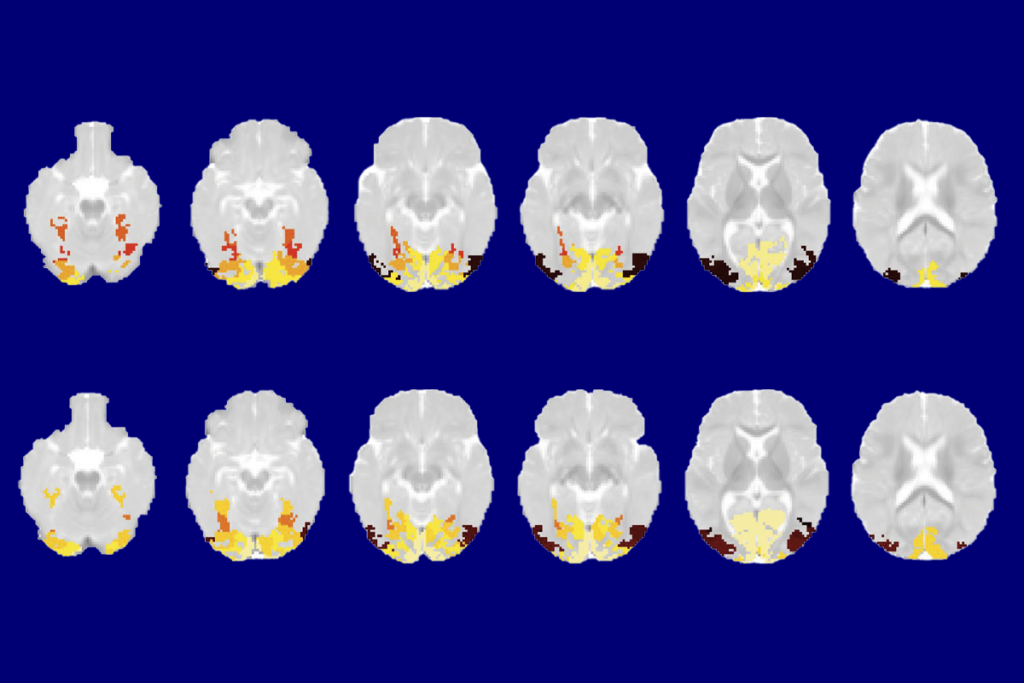
Infant visual system categorizes common objects by 2 months of age
Brain activity patterns in the ventral visual cortex appear to distinguish images across 12 categories, including birds and trees, longitudinal functional MRI scans suggest.
Infant visual system categorizes common objects by 2 months of age
Brain activity patterns in the ventral visual cortex appear to distinguish images across 12 categories, including birds and trees, longitudinal functional MRI scans suggest.
To persist, memories surf molecular waves from thalamus to cortex
During the later stages of learning, the mouse brain progressively activates transcriptional regulators that drive memory consolidation.
To persist, memories surf molecular waves from thalamus to cortex
During the later stages of learning, the mouse brain progressively activates transcriptional regulators that drive memory consolidation.

Sex hormone boosts female rats’ sensitivity to unexpected rewards
During the high-estradiol stages of their estrus cycle, female rats learn faster than they do during other stages—and than male rats overall—thanks to a boost in their dopaminergic response to reward, a new study suggests.
Sex hormone boosts female rats’ sensitivity to unexpected rewards
During the high-estradiol stages of their estrus cycle, female rats learn faster than they do during other stages—and than male rats overall—thanks to a boost in their dopaminergic response to reward, a new study suggests.
Explore more from The Transmitter
‘Brain Flows: How Network Dynamics Compose the Human Mind,’ an excerpt
In his new book, published today, Michael W. Cole examines how the movement of neuronal activity between neuronal populations shapes free will, intelligence and creativity. In this excerpt from Chapter 1, Cole explores why activity flows could unify efforts to map brain functions and connectivity.
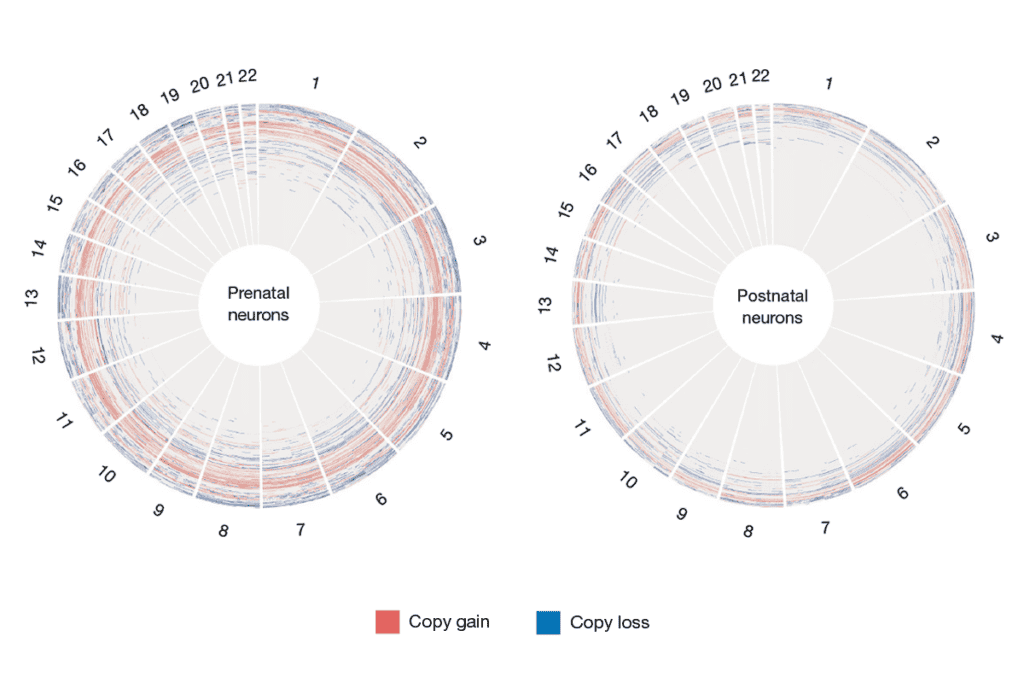
Prenatal pruning of neurons with copy number variants; and more
Here is a roundup of autism-related news and research spotted around the web for the week of 2 November.
Prenatal pruning of neurons with copy number variants; and more
Here is a roundup of autism-related news and research spotted around the web for the week of 2 November.
New Stanford initiative aims to build digital twin of human brain
The effort, funded by private donors, seeks to train the model on a trove of MRI and magnetoencephalography data that scientists plan to collect over the next five years—but questions about its scientific utility and feasibility remain.