Neural coding
Recent articles
Cooperating marmosets extend decision-making model of the brain
When a pair of marmosets works together to earn some marshmallow fluff, one of them decides to act only after its brain accumulates enough evidence about what the other is doing, new work shows.
Cooperating marmosets extend decision-making model of the brain
When a pair of marmosets works together to earn some marshmallow fluff, one of them decides to act only after its brain accumulates enough evidence about what the other is doing, new work shows.
Switching neural code may solve ongoing face-recognition debate
Face patch cells in macaque monkeys initially respond to images of any object but rapidly transition to attend to faces exclusively, a new study finds.
Switching neural code may solve ongoing face-recognition debate
Face patch cells in macaque monkeys initially respond to images of any object but rapidly transition to attend to faces exclusively, a new study finds.

From genes to dynamics: Examining brain cell types in action may reveal the logic of brain function
Defining brain cell types is no longer a matter of classification alone, but of embedding their genetic identities within the dynamical organization of population activity.
From genes to dynamics: Examining brain cell types in action may reveal the logic of brain function
Defining brain cell types is no longer a matter of classification alone, but of embedding their genetic identities within the dynamical organization of population activity.
The challenge of defining a neural population
Our current approach is largely arbitrary. We need new methods for grouping cells, ideally by their dynamics.
The challenge of defining a neural population
Our current approach is largely arbitrary. We need new methods for grouping cells, ideally by their dynamics.
John Beggs unpacks the critical brain hypothesis
Beggs outlines why and how brains operate at criticality, a sweet spot between order and chaos.
John Beggs unpacks the critical brain hypothesis
Beggs outlines why and how brains operate at criticality, a sweet spot between order and chaos.
Why the 21st-century neuroscientist needs to be neuroethically engaged
Technological advances in decoding brain activity and in growing human brain cells raise new ethical issues. Here is a framework to help researchers navigate them.
Why the 21st-century neuroscientist needs to be neuroethically engaged
Technological advances in decoding brain activity and in growing human brain cells raise new ethical issues. Here is a framework to help researchers navigate them.
Tracking single neurons in the human brain reveals new insight into language and other human-specific functions
Better technologies to stably monitor cell populations over long periods of time make it possible to study neural coding and dynamics in the human brain.
Tracking single neurons in the human brain reveals new insight into language and other human-specific functions
Better technologies to stably monitor cell populations over long periods of time make it possible to study neural coding and dynamics in the human brain.
It’s time to examine neural coding from the message’s point of view
In studying the brain, we almost always take the neuron’s perspective. But we can gain new insights by reorienting our frame of reference to that of the messages flowing over brain networks.
It’s time to examine neural coding from the message’s point of view
In studying the brain, we almost always take the neuron’s perspective. But we can gain new insights by reorienting our frame of reference to that of the messages flowing over brain networks.
Dmitri Chklovskii outlines how single neurons may act as their own optimal feedback controllers
From logical gates to grandmother cells, neuroscientists have employed many metaphors to explain single neuron function. Chklovskii makes the case that neurons are actually trying to control how their outputs affect the rest of the brain.
Dmitri Chklovskii outlines how single neurons may act as their own optimal feedback controllers
From logical gates to grandmother cells, neuroscientists have employed many metaphors to explain single neuron function. Chklovskii makes the case that neurons are actually trying to control how their outputs affect the rest of the brain.
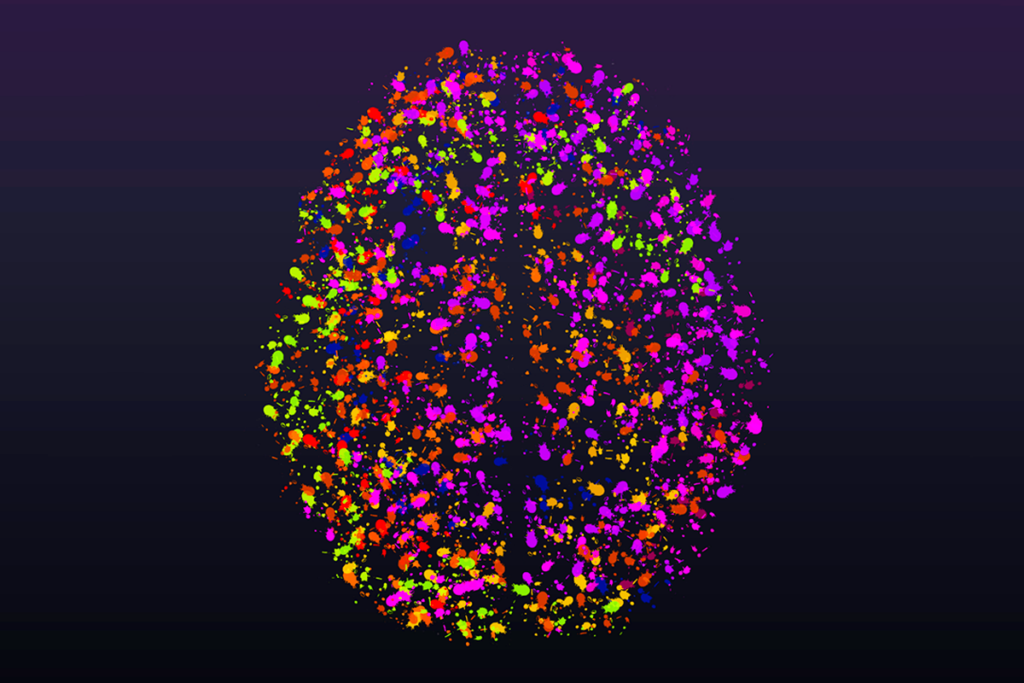
Most neurons in mouse cortex defy functional categories
The majority of cells in the cerebral cortex are unspecialized, according to an unpublished analysis—and scientists need to take care in naming neurons, the researchers warn.
Most neurons in mouse cortex defy functional categories
The majority of cells in the cerebral cortex are unspecialized, according to an unpublished analysis—and scientists need to take care in naming neurons, the researchers warn.
Explore more from The Transmitter
How does a control theorist explain cognition?
Maxim Raginsky draws on control theory, engineering and philosophy to explore what makes biological brains intelligent, what artificial intelligence is missing, and what principles underlie biological autonomy.
How does a control theorist explain cognition?
Maxim Raginsky draws on control theory, engineering and philosophy to explore what makes biological brains intelligent, what artificial intelligence is missing, and what principles underlie biological autonomy.
Holographic mesoscope reads, writes from different cortical regions simultaneously
The tool could help reveal how information transmission between areas relates to perception, cognition and behavior.
Holographic mesoscope reads, writes from different cortical regions simultaneously
The tool could help reveal how information transmission between areas relates to perception, cognition and behavior.
Susana Carmona on the neurobiology of pregnancy
In a Q&A about her new book, “A Mother’s Brain,” Carmona shares key moments in her career that led her to study the neuroscience of motherhood and discusses some of the major questions the field still needs to address.
Susana Carmona on the neurobiology of pregnancy
In a Q&A about her new book, “A Mother’s Brain,” Carmona shares key moments in her career that led her to study the neuroscience of motherhood and discusses some of the major questions the field still needs to address.