Neuroengineering
Recent articles
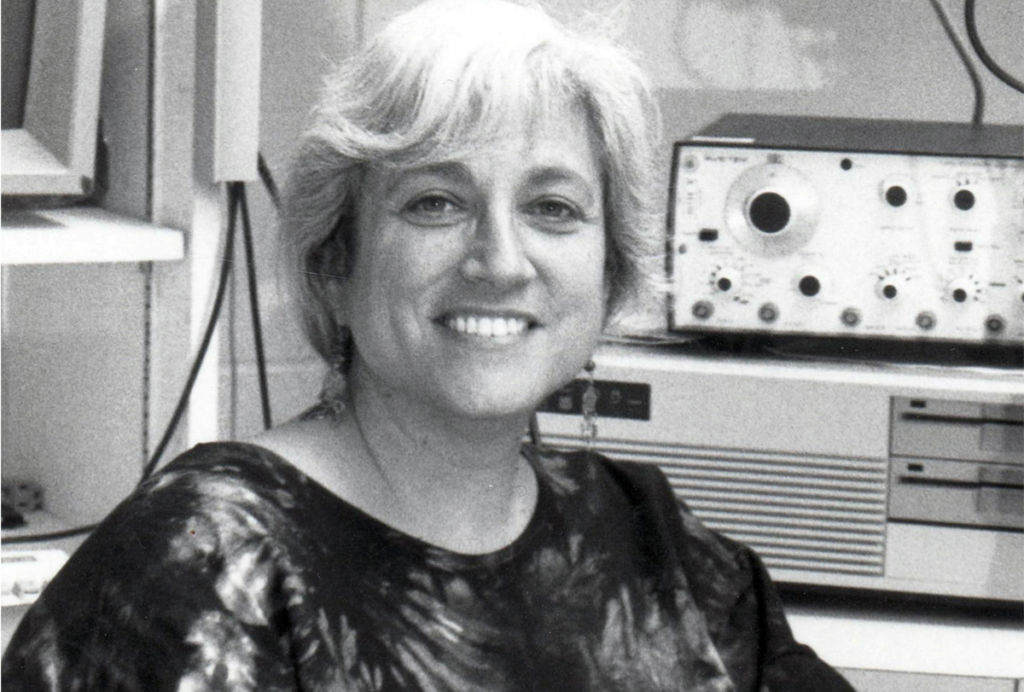
Remembering Avis H. Cohen, who bridged disciplines to decode lamprey locomotion
The founding director of the University of Maryland’s Neuroscience and Cognitive Science program brought neuroscience, math and engineering together.
Remembering Avis H. Cohen, who bridged disciplines to decode lamprey locomotion
The founding director of the University of Maryland’s Neuroscience and Cognitive Science program brought neuroscience, math and engineering together.
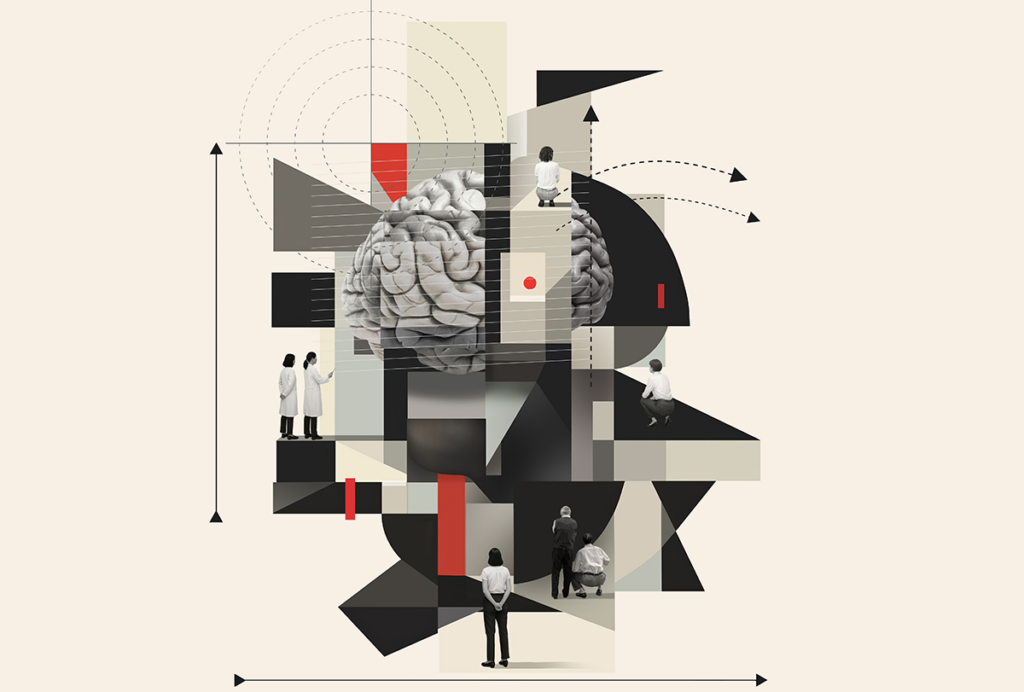
Neuroscience needs engineers—for more reasons than you think
Adopting an engineering mindset will help the field focus its research priorities.
Neuroscience needs engineers—for more reasons than you think
Adopting an engineering mindset will help the field focus its research priorities.
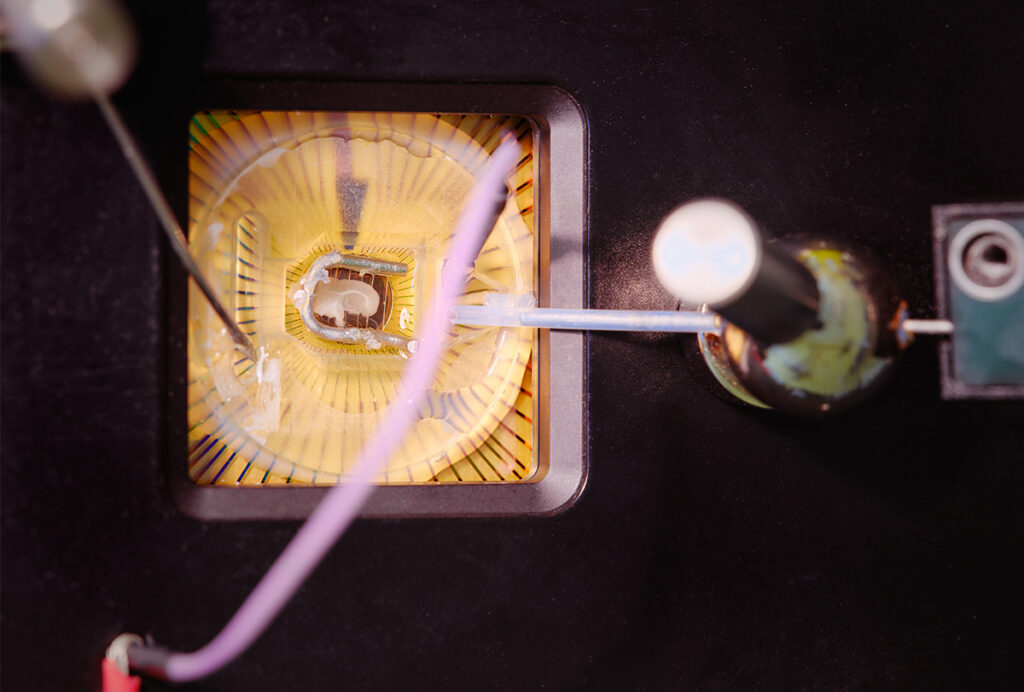
On a bold mission to re-engineer brain parts
A European consortium is on a quest to restore typical brain activity in people with epilepsy, using a mash-up of custom organoids, microelectronics and artificial intelligence.
On a bold mission to re-engineer brain parts
A European consortium is on a quest to restore typical brain activity in people with epilepsy, using a mash-up of custom organoids, microelectronics and artificial intelligence.
Explore more from The Transmitter

Prevalence of profound autism declines with new definition
The updated, more precise definition used in a CDC study includes adaptive scores.
Prevalence of profound autism declines with new definition
The updated, more precise definition used in a CDC study includes adaptive scores.
Is it time for neuroscience to shift its focus from a computational mind to a navigating mind?
Andrea Hiott explains her navigational approach to the mind, and why now is the time to embrace seemingly paradoxical findings in neuroscience.
Is it time for neuroscience to shift its focus from a computational mind to a navigating mind?
Andrea Hiott explains her navigational approach to the mind, and why now is the time to embrace seemingly paradoxical findings in neuroscience.
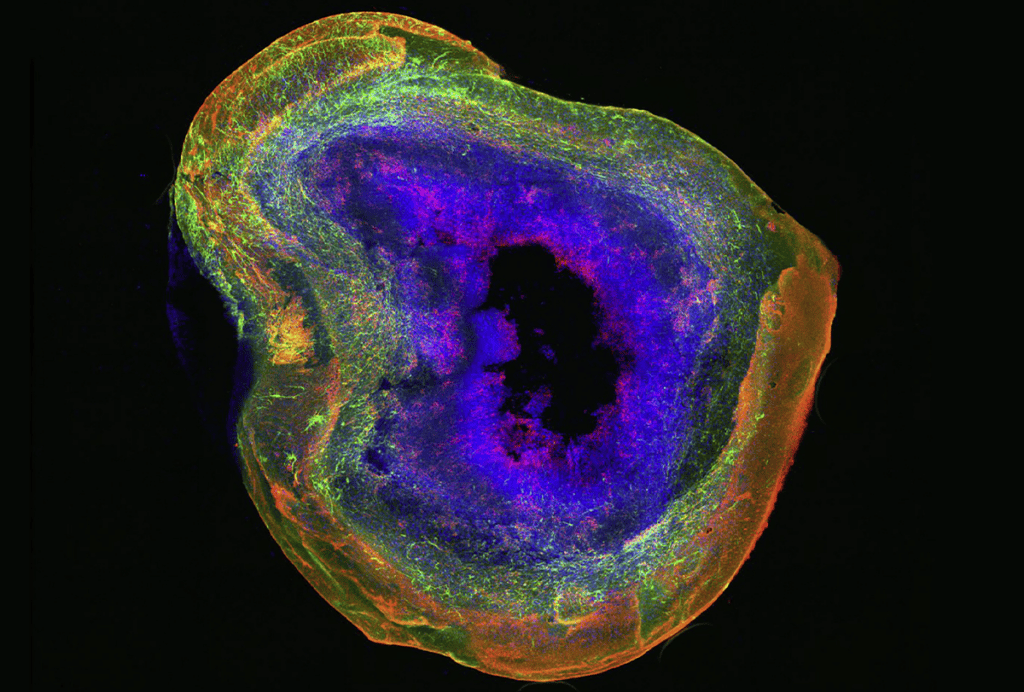
Human brain organoids come of age—but still have room to grow
The U.S. government has touted organoids as an alternative to animals for studying the brain. The model has improved since its debut in 2013, but scientists are still working to overcome key limitations: immaturity, consistency and the lack of vascularization.
Human brain organoids come of age—but still have room to grow
The U.S. government has touted organoids as an alternative to animals for studying the brain. The model has improved since its debut in 2013, but scientists are still working to overcome key limitations: immaturity, consistency and the lack of vascularization.