Neuro’s ark
Recent articles
This series highlights neuroscience research in nontraditional organisms and the questions those animals are well suited to help researchers answer.
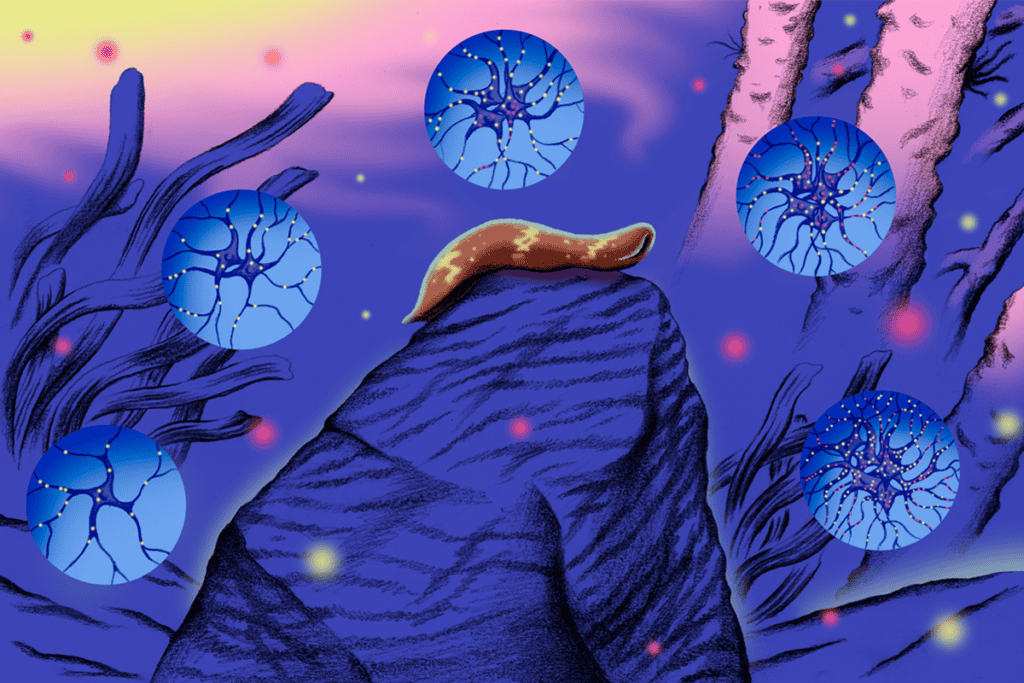
The three-banded panther worm is rewriting the story of brain evolution
The animal has a brain structure all its own, according to a 2026 preprint. The finding hints that brains could have evolved centralization before regionalization.
The three-banded panther worm is rewriting the story of brain evolution
The animal has a brain structure all its own, according to a 2026 preprint. The finding hints that brains could have evolved centralization before regionalization.
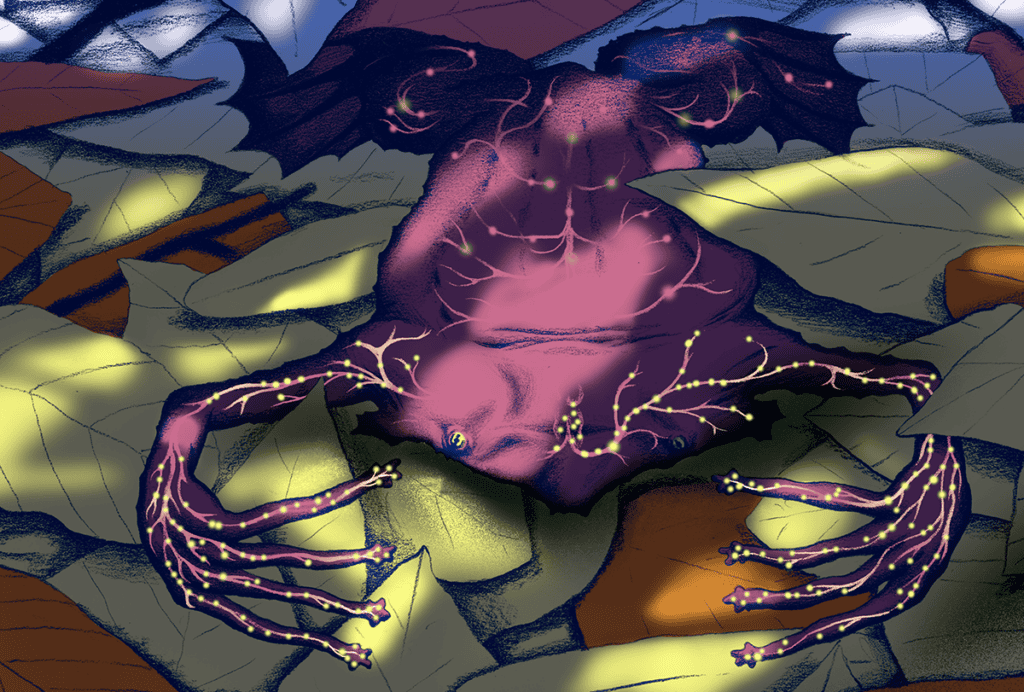
How the pipa frog hunts prey by touch
Each of the frog’s eight fingers branches into 16 ultra-sensitive tips, which together function as a fovea—potentially the first demonstration of this type of sensory structure outside of mammals.
How the pipa frog hunts prey by touch
Each of the frog’s eight fingers branches into 16 ultra-sensitive tips, which together function as a fovea—potentially the first demonstration of this type of sensory structure outside of mammals.
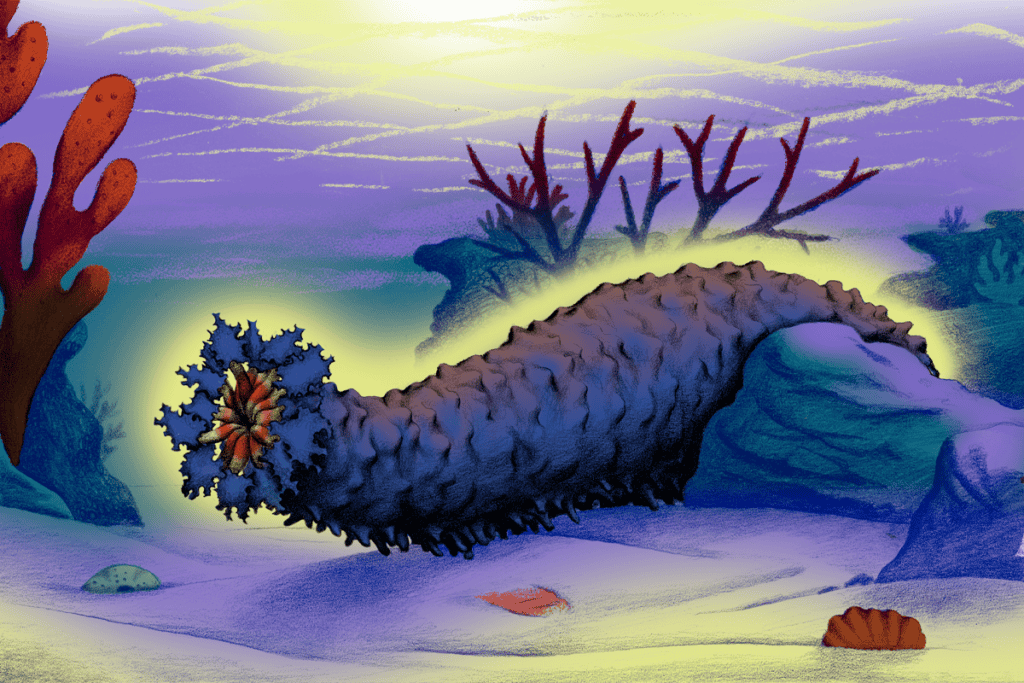
Inside the sea cucumber’s regenerative superpowers
José E. García-Arrarás studies how these marine invertebrates manage to regrow their nervous system, intestines and other internal organs in a matter of months after threats prompt them to literally spill their guts.
Inside the sea cucumber’s regenerative superpowers
José E. García-Arrarás studies how these marine invertebrates manage to regrow their nervous system, intestines and other internal organs in a matter of months after threats prompt them to literally spill their guts.
Os superpoderes regenerativos do pepino-do-mar
José E. García-Arrarás estuda como esses invertebrados marinhos conseguem regenerar seu sistema nervoso, intestinos e outros órgãos internos em questão de meses, depois que ameaças os levam a, literalmente, "expelir suas entranhas".
Os superpoderes regenerativos do pepino-do-mar
José E. García-Arrarás estuda como esses invertebrados marinhos conseguem regenerar seu sistema nervoso, intestinos e outros órgãos internos em questão de meses, depois que ameaças os levam a, literalmente, "expelir suas entranhas".
Los superpoderes regenerativos del pepino de mar
José E. García-Arrarás estudia cómo estos invertebrados marinos logran regenerar su sistema nervioso, intestinos y otros órganos internos en cuestión de meses, tras amenazas que los llevan a expulsar sus vísceras.
Los superpoderes regenerativos del pepino de mar
José E. García-Arrarás estudia cómo estos invertebrados marinos logran regenerar su sistema nervioso, intestinos y otros órganos internos en cuestión de meses, tras amenazas que los llevan a expulsar sus vísceras.
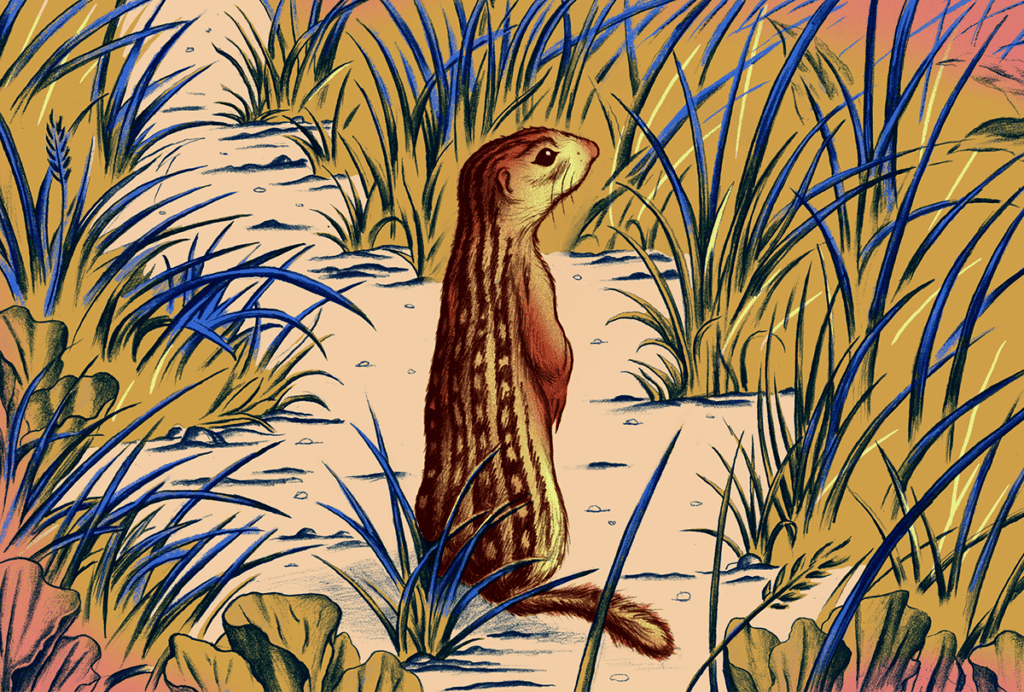
How thirteen-lined ground squirrels illuminate retinal development
In most mammalian retinas, rods outnumber cones. But that ratio is flipped in ground squirrels, a quirk that helps Seth Blackshaw explore how retinal cells develop their identities.
How thirteen-lined ground squirrels illuminate retinal development
In most mammalian retinas, rods outnumber cones. But that ratio is flipped in ground squirrels, a quirk that helps Seth Blackshaw explore how retinal cells develop their identities.
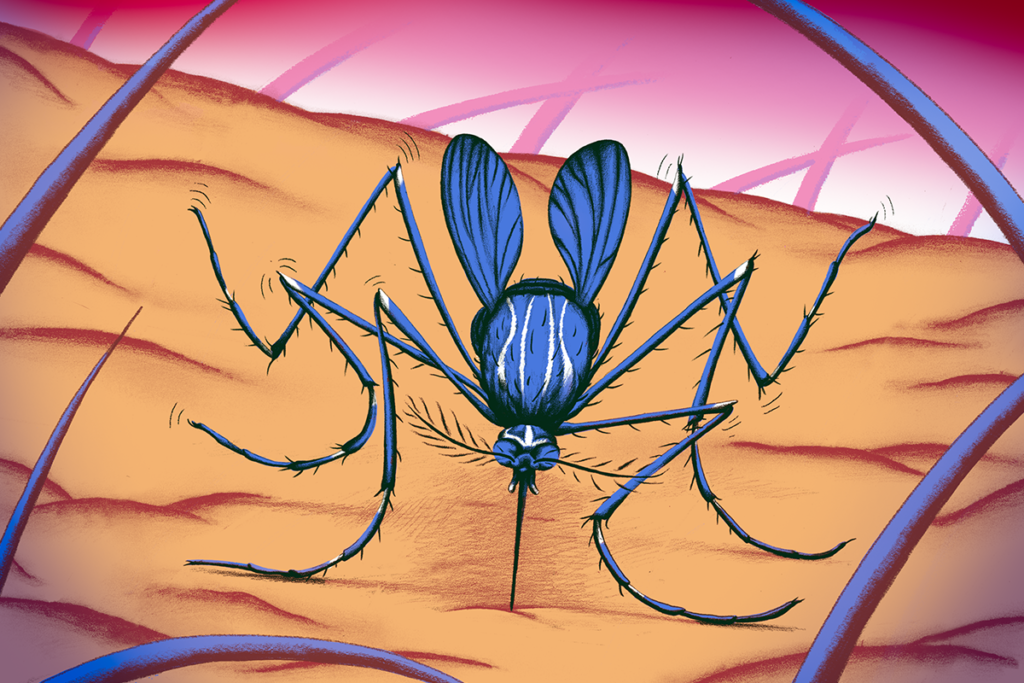
What mosquitos lay bare about proprioception
By comparing the proprioceptive systems of mosquitos and fruit flies, Sweta Agrawal aims to uncover fundamental features of the ability to sense self-movement.
What mosquitos lay bare about proprioception
By comparing the proprioceptive systems of mosquitos and fruit flies, Sweta Agrawal aims to uncover fundamental features of the ability to sense self-movement.
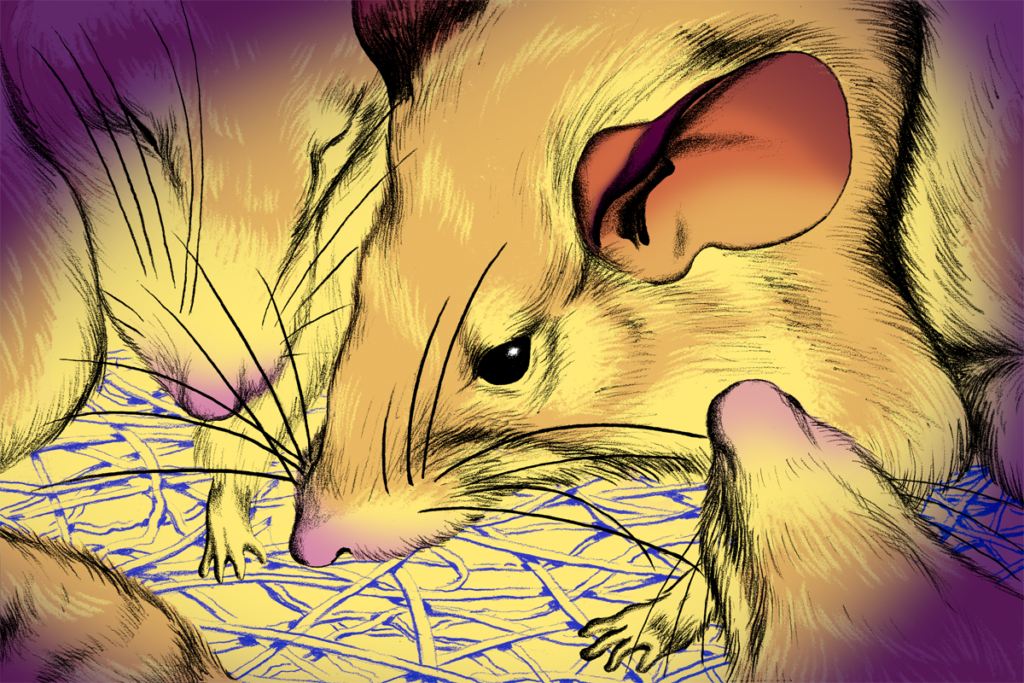
Learning why spiny mice play well with others
Aubrey Kelly studies the gregarious mammal to explore how the brain controls complex social behaviors “akin to friendship.”
Learning why spiny mice play well with others
Aubrey Kelly studies the gregarious mammal to explore how the brain controls complex social behaviors “akin to friendship.”
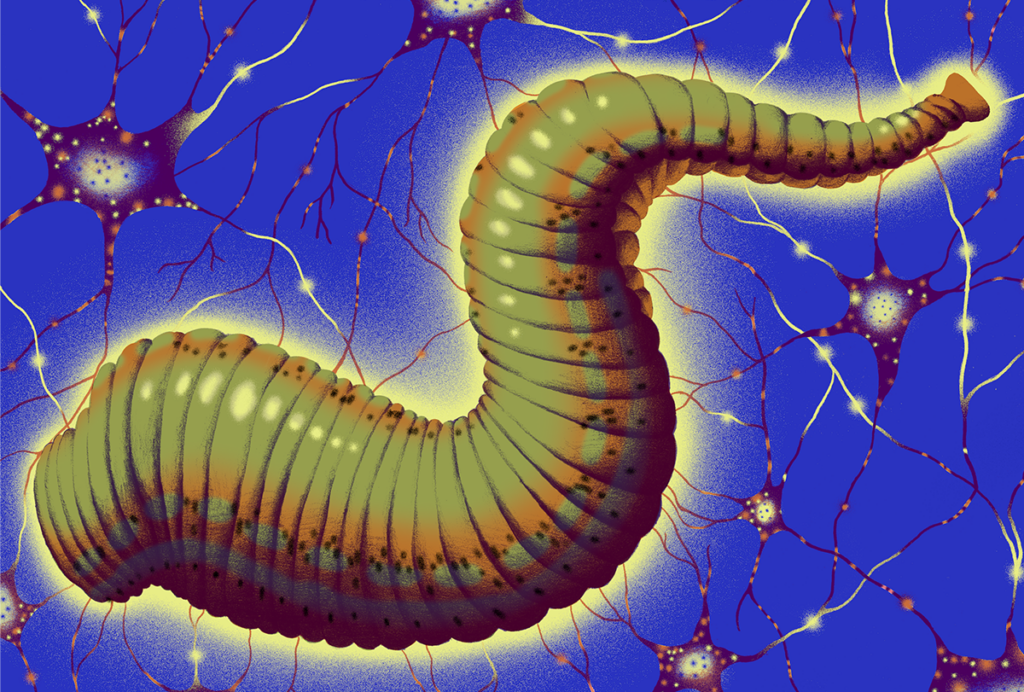
What leeches reveal about movement
Lidia Szczupak turned to the animals to explore how the nervous system coordinates movement.
What leeches reveal about movement
Lidia Szczupak turned to the animals to explore how the nervous system coordinates movement.
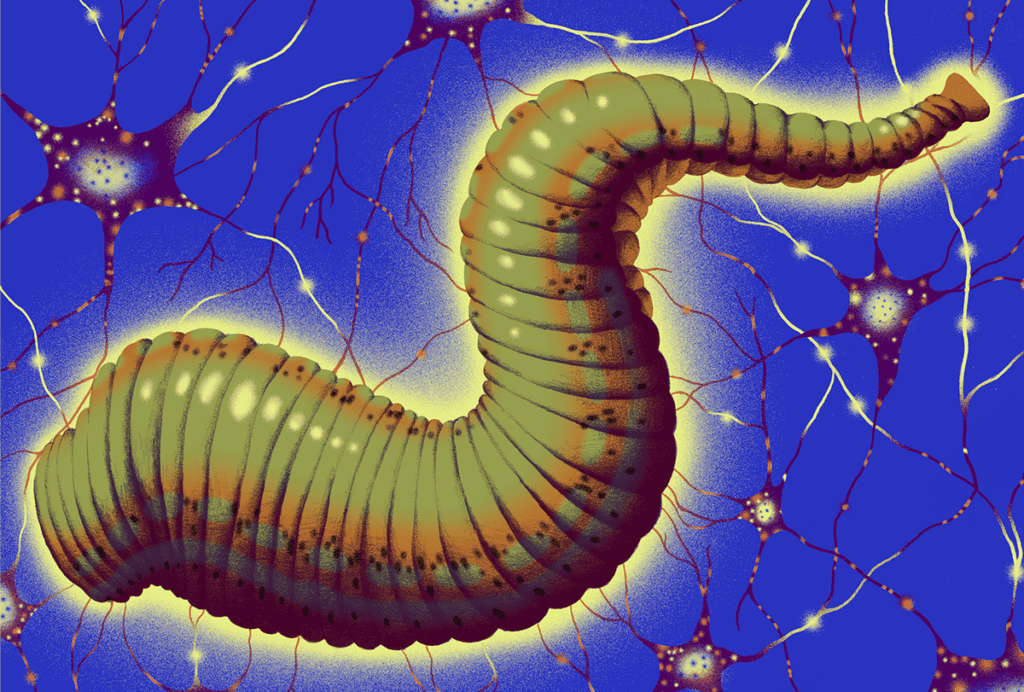
O que as sanguessugas revelam sobre o movimento
Lidia Szczupak recorreu a esses animais para investigar como o sistema nervoso coordena o movimento.
O que as sanguessugas revelam sobre o movimento
Lidia Szczupak recorreu a esses animais para investigar como o sistema nervoso coordena o movimento.
Explore more from The Transmitter

Amid funding uncertainty, graduate neuroscience programs in the U.S. adapt
The Transmitter surveyed 50 graduate program directors to learn how they’re faring. Securing labs for new students is one of the greatest concerns.
Amid funding uncertainty, graduate neuroscience programs in the U.S. adapt
The Transmitter surveyed 50 graduate program directors to learn how they’re faring. Securing labs for new students is one of the greatest concerns.

The changing nature of the neuroscience Ph.D.
The best science can only be sustained by a steady influx of early-stage scientists and the innovative ideas they bring, says Diane Lipscombe. She reflects on the loss of international students, the value of training grants, and the challenges that lie ahead for graduate education.

Rethinking neuroscience graduate education in the age of AI
What knowledge from traditional training protocols needs to be maintained, what can be discarded, and what new types of training should be introduced? Six neuroscientists weigh in.
Rethinking neuroscience graduate education in the age of AI
What knowledge from traditional training protocols needs to be maintained, what can be discarded, and what new types of training should be introduced? Six neuroscientists weigh in.