SHANK3
Recent articles
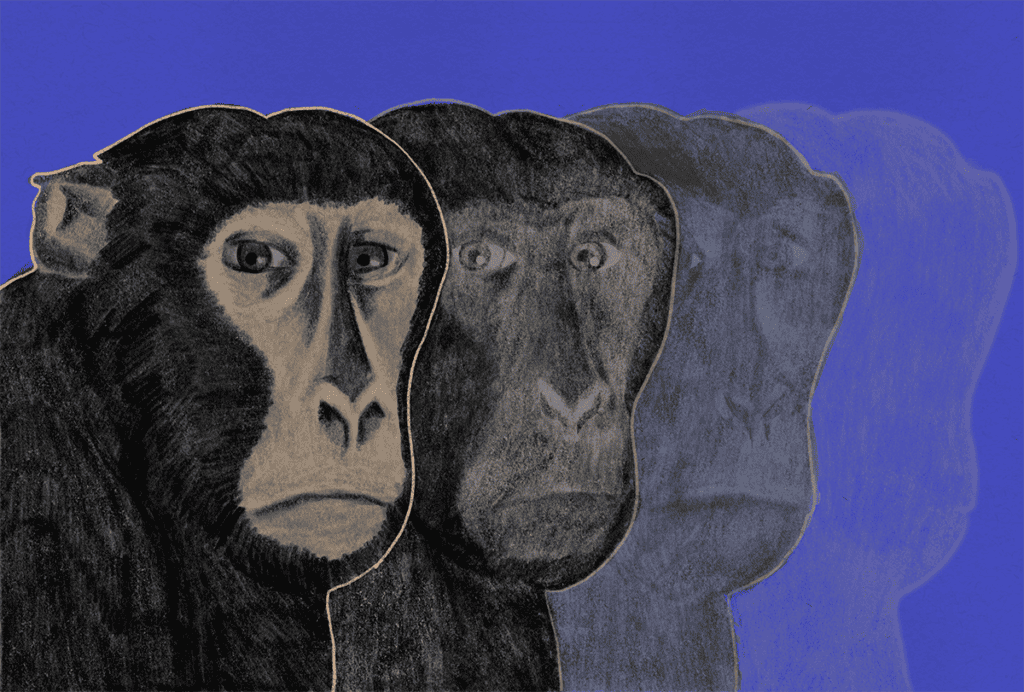
Autism research involving monkeys contends with uphill battle
Macaques and marmosets recapitulate the condition’s core traits better than mice can, but funding uncertainty and challenges at primate centers in the United States could make this work difficult to continue.
Autism research involving monkeys contends with uphill battle
Macaques and marmosets recapitulate the condition’s core traits better than mice can, but funding uncertainty and challenges at primate centers in the United States could make this work difficult to continue.
Advances in genetic medicine took center stage at INSAR
The president of the Autism Science Foundation and parent of a child with profound autism reflects on how advances in the treatment of rare gene variants bring hope to many families.
Advances in genetic medicine took center stage at INSAR
The president of the Autism Science Foundation and parent of a child with profound autism reflects on how advances in the treatment of rare gene variants bring hope to many families.
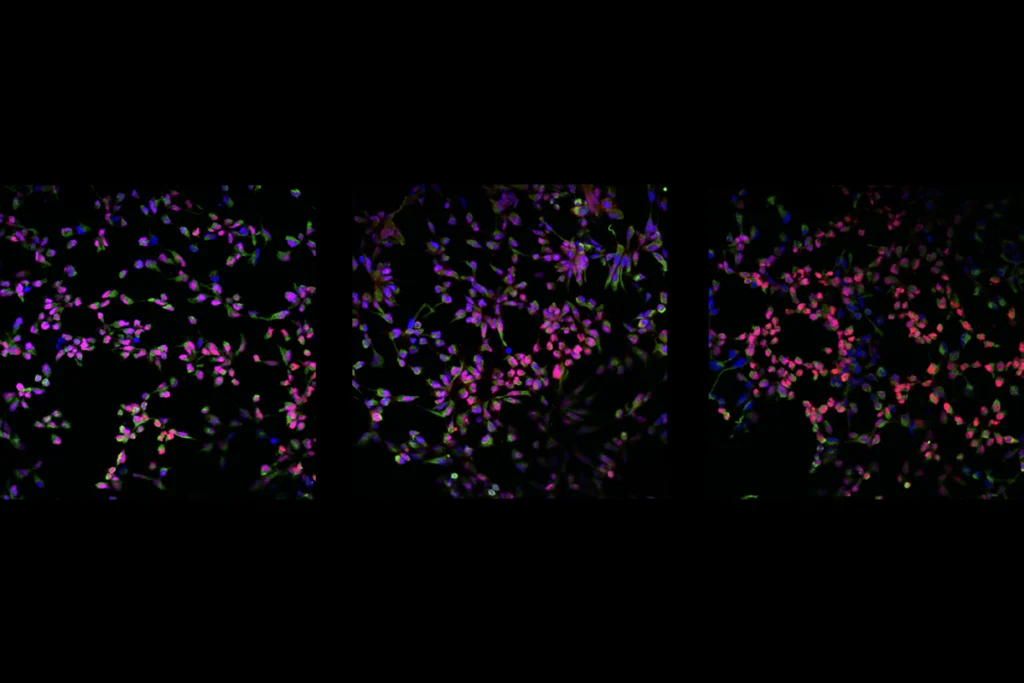
Autism-linked perturbations converge on cell skeleton and RNA-binding proteins
The findings solidify the idea that autism-linked mutations affect brain activity by way of several key shared mechanisms.
Autism-linked perturbations converge on cell skeleton and RNA-binding proteins
The findings solidify the idea that autism-linked mutations affect brain activity by way of several key shared mechanisms.
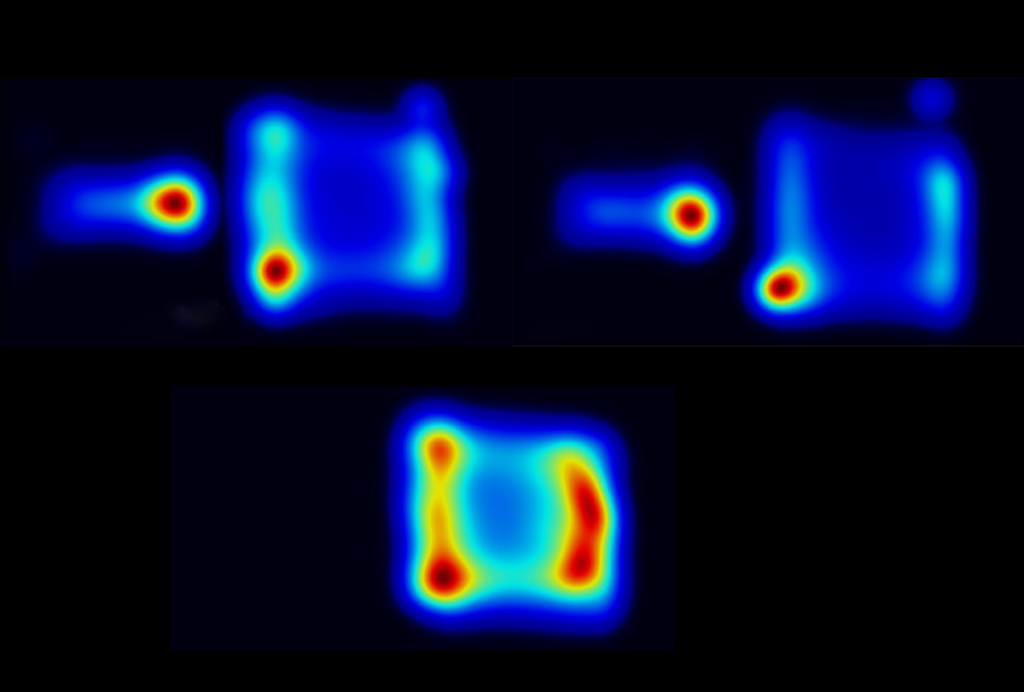
New test taps nose pokes as a proxy for social motivation in mice
Over one hour, a particularly motivated mouse poked its nose 350 times into a hole in the test chamber in the hopes of meeting a playmate.
New test taps nose pokes as a proxy for social motivation in mice
Over one hour, a particularly motivated mouse poked its nose 350 times into a hole in the test chamber in the hopes of meeting a playmate.
Autism’s ties to the cell skeleton
Many genes related to the condition play a role in the internal scaffolding of cells, and cytoskeletal disruptions can affect neurodevelopment and behavior.
Autism’s ties to the cell skeleton
Many genes related to the condition play a role in the internal scaffolding of cells, and cytoskeletal disruptions can affect neurodevelopment and behavior.
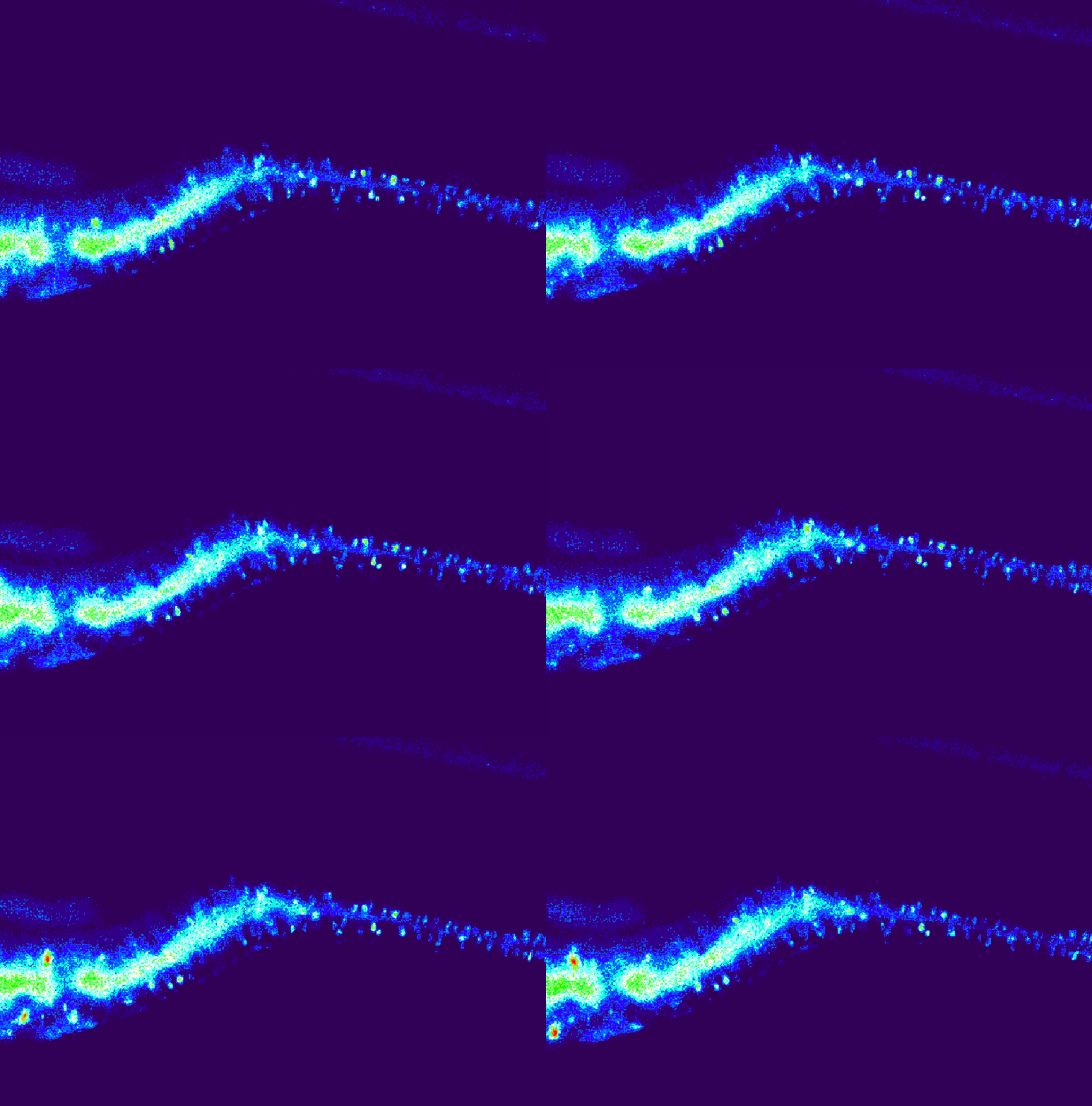
On the periphery: Thinking ‘outside the brain’ offers new ideas about autism
Neuronal alterations outside the brain may help to explain a host of the condition’s characteristic traits, including sensory changes, gut problems and motor differences.
On the periphery: Thinking ‘outside the brain’ offers new ideas about autism
Neuronal alterations outside the brain may help to explain a host of the condition’s characteristic traits, including sensory changes, gut problems and motor differences.
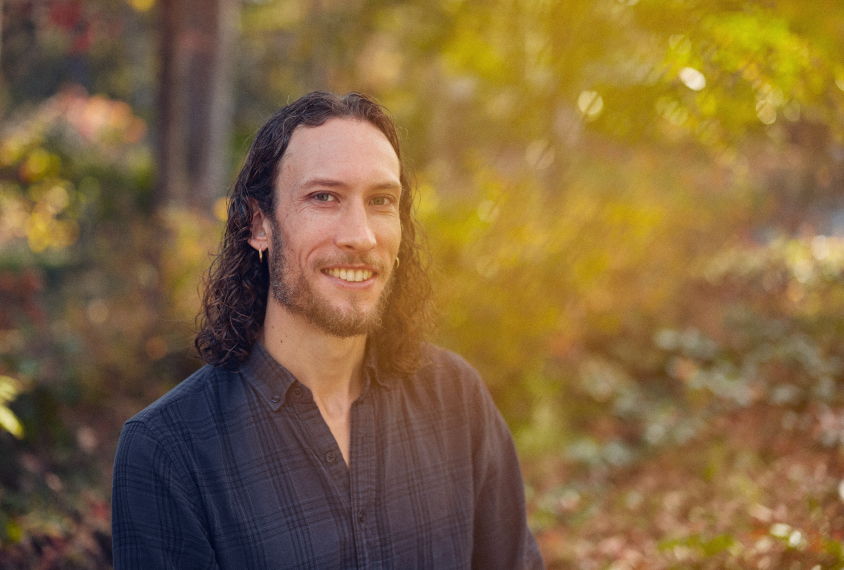
Asleep in the Mouse House with Graham Diering
Memories from Diering’s life trace the rising star’s scientific path from raising lizards as a child and later exploring home brewing to heading a lab that investigates memory, sleep disturbances and early development in animals with autism-linked mutations.
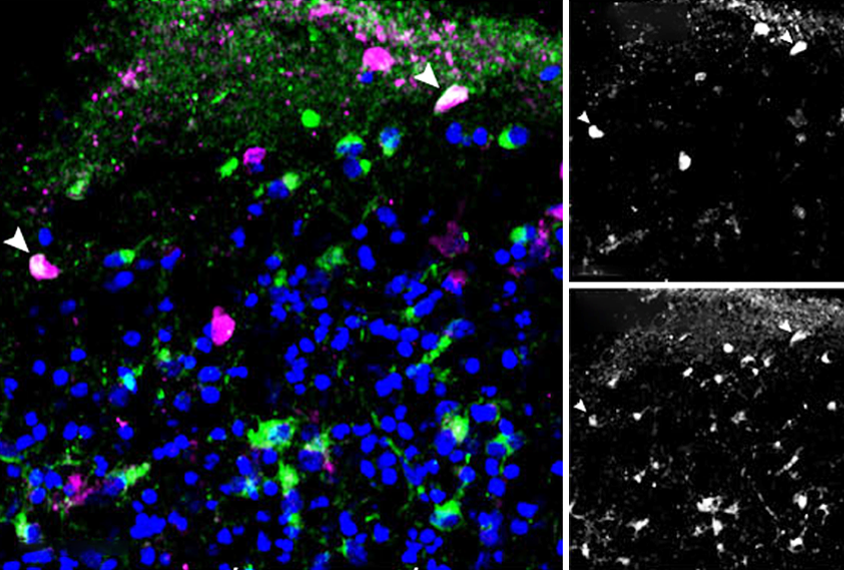
One-rosette technique grows well-organized organoids
The method yields complex organoids that more closely mimic embryonic brain development than do those cultured in other ways.
One-rosette technique grows well-organized organoids
The method yields complex organoids that more closely mimic embryonic brain development than do those cultured in other ways.
Mouse models help sniff out olfactory differences in autism
A range of presentations at Neuroscience 2022 tie atypical social behavior to trouble discriminating between odors in the animals.
Mouse models help sniff out olfactory differences in autism
A range of presentations at Neuroscience 2022 tie atypical social behavior to trouble discriminating between odors in the animals.
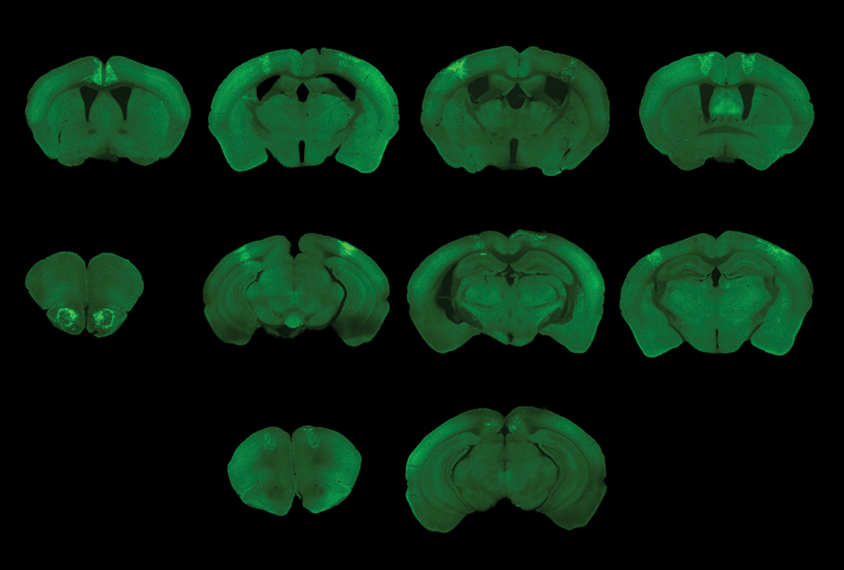
Double SHANK knockout highlights brain circuit’s social role
Mice missing the autism-linked SHANK2 and SHANK3 genes in their retrosplenial cortex have trouble distinguishing between novel and familiar mice.
Double SHANK knockout highlights brain circuit’s social role
Mice missing the autism-linked SHANK2 and SHANK3 genes in their retrosplenial cortex have trouble distinguishing between novel and familiar mice.
Explore more from The Transmitter
Preserving neuroscience history, one memoir at a time
Volume 14 of “The History of Neuroscience in Autobiography” was published this month. Series editors Larry Squire and Thomas Albright spoke with The Transmitter about how the volumes come together and why the two want to capture the personal side of the field.
X chromosome gene may explain autism’s sex bias
“The field has been searching for this for a while,” says geneticist Donna Werling.
X chromosome gene may explain autism’s sex bias
“The field has been searching for this for a while,” says geneticist Donna Werling.
What do astrocytes do, and how can they be modeled?
Marja-Leena Linne discusses the emerging field of computational glioscience and describes how to model astrocytes’ effects on neuronal dynamics.
What do astrocytes do, and how can they be modeled?
Marja-Leena Linne discusses the emerging field of computational glioscience and describes how to model astrocytes’ effects on neuronal dynamics.