Single-cell sequencing
Recent articles
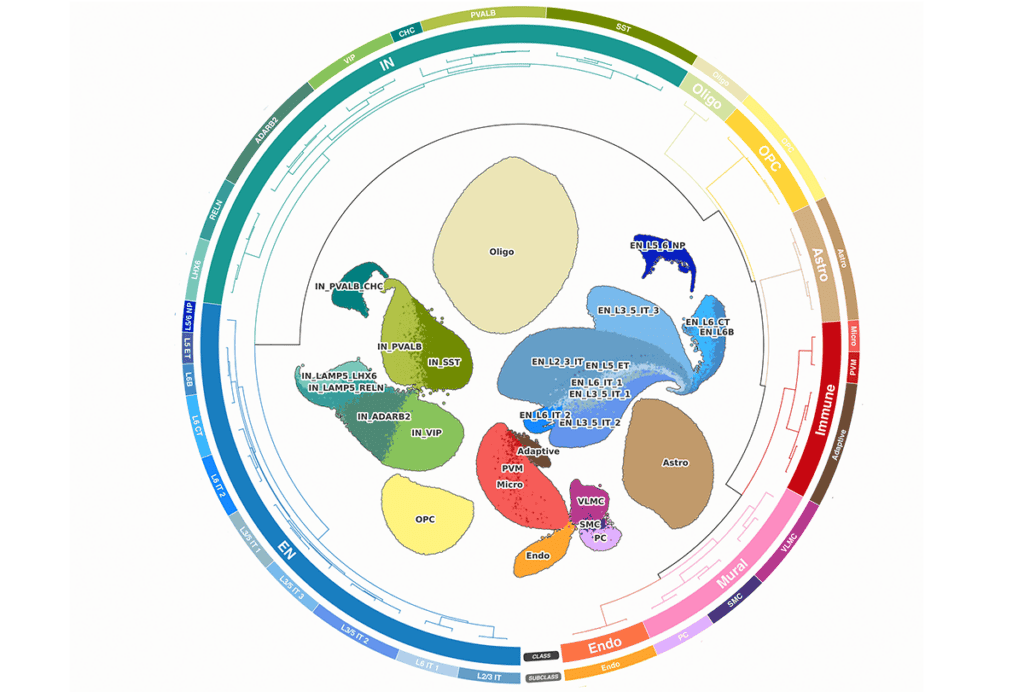
Prefrontal cortex has three transcriptomic acts across human lifespan, new atlas suggests
Various genes show distinct exits and entrances with age in the open-source dataset, the largest of its kind to date.
Prefrontal cortex has three transcriptomic acts across human lifespan, new atlas suggests
Various genes show distinct exits and entrances with age in the open-source dataset, the largest of its kind to date.

What are the most transformative neuroscience tools and technologies developed in the past five years?
Artificial intelligence and deep-learning methods featured prominently in the survey responses, followed by genetic tools to control circuits, advanced neuroimaging, transcriptomics and various approaches to record brain activity and behavior.
Exclusive: Recruitment issues jeopardize ambitious plan for human brain atlas
A lack of six new brain donors may stop the project from meeting its goal to pair molecular and cellular data with the functional organization of the cortex.
Exclusive: Recruitment issues jeopardize ambitious plan for human brain atlas
A lack of six new brain donors may stop the project from meeting its goal to pair molecular and cellular data with the functional organization of the cortex.
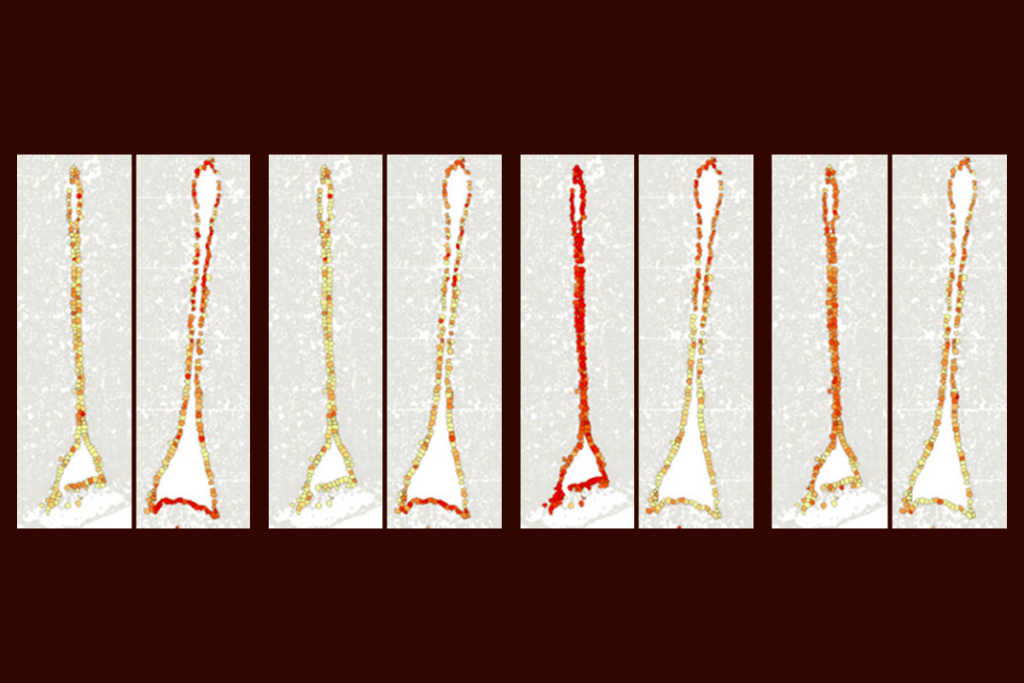
Age-related brain changes in mice strike hypothalamus ‘hot spot’
Neuronal and non-neuronal cells throughout the brain also express genes—particularly those related to neuronal structure and immune function—differently in aged mice, according to a new atlas.
Age-related brain changes in mice strike hypothalamus ‘hot spot’
Neuronal and non-neuronal cells throughout the brain also express genes—particularly those related to neuronal structure and immune function—differently in aged mice, according to a new atlas.
Expanding set of viral tools targets almost any brain cell type
Harmless viruses that encase short noncoding DNA elements called enhancers enable cell-type-specific gene delivery across the central nervous system in rodents and primates.
Expanding set of viral tools targets almost any brain cell type
Harmless viruses that encase short noncoding DNA elements called enhancers enable cell-type-specific gene delivery across the central nervous system in rodents and primates.
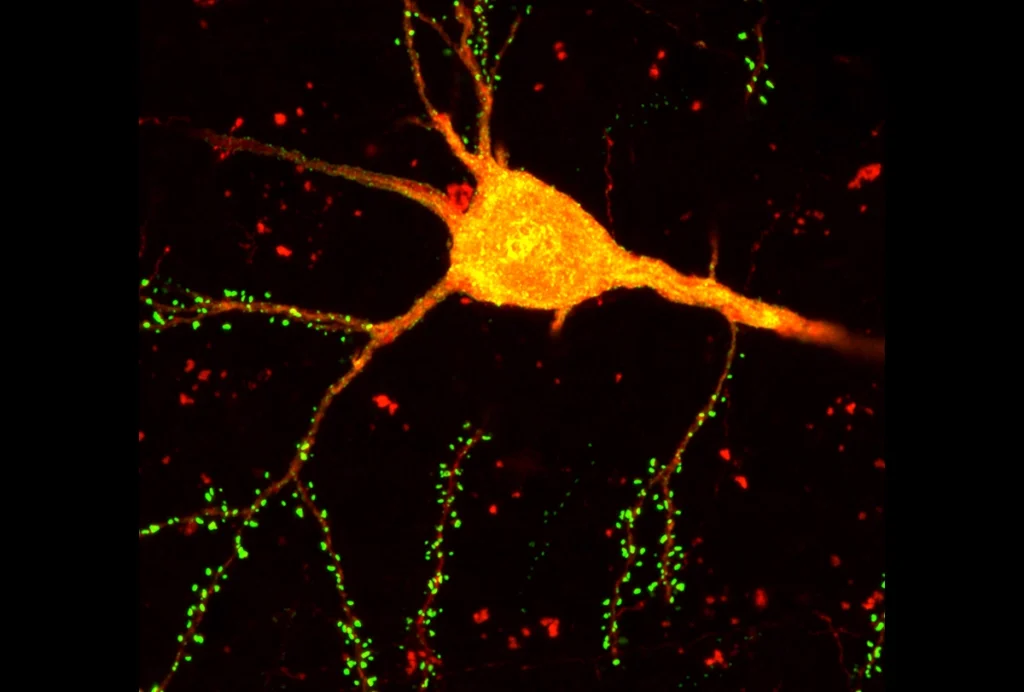
START method assembles brain’s wiring diagram by cell type
The new technique mapped the interactions of about 50 kinds of inhibitory neurons in the mouse visual cortex in finer detail than previous approaches.
START method assembles brain’s wiring diagram by cell type
The new technique mapped the interactions of about 50 kinds of inhibitory neurons in the mouse visual cortex in finer detail than previous approaches.
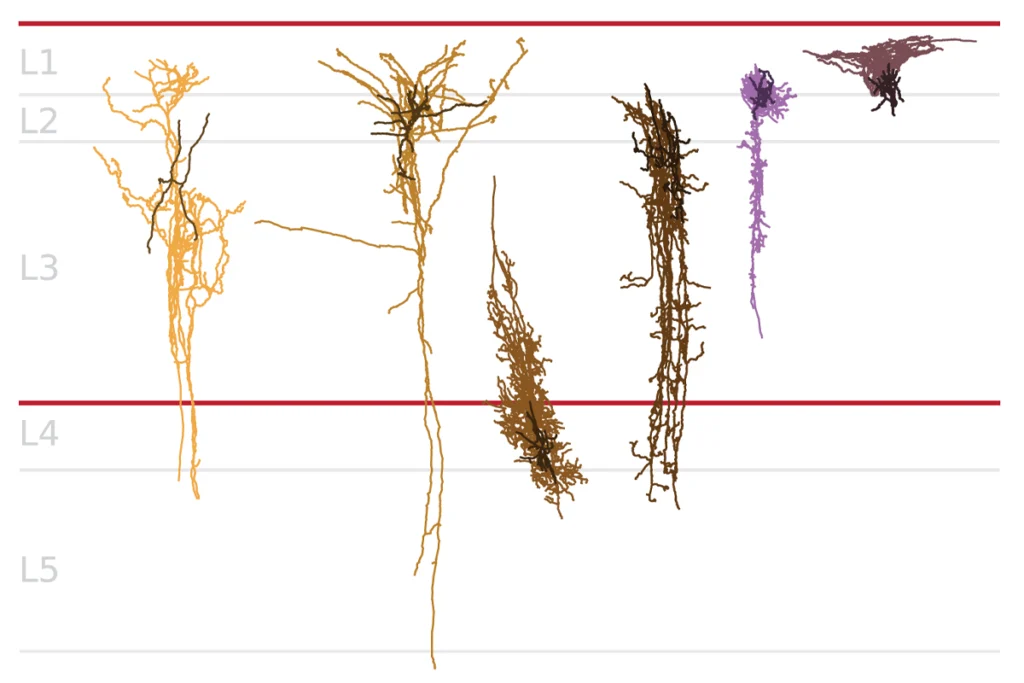
Early trajectory of Alzheimer’s tracked in single-cell brain atlases
Inflammation in glia and the loss of certain inhibitory cells may kick off a disease cascade decades before diagnosis.
Early trajectory of Alzheimer’s tracked in single-cell brain atlases
Inflammation in glia and the loss of certain inhibitory cells may kick off a disease cascade decades before diagnosis.
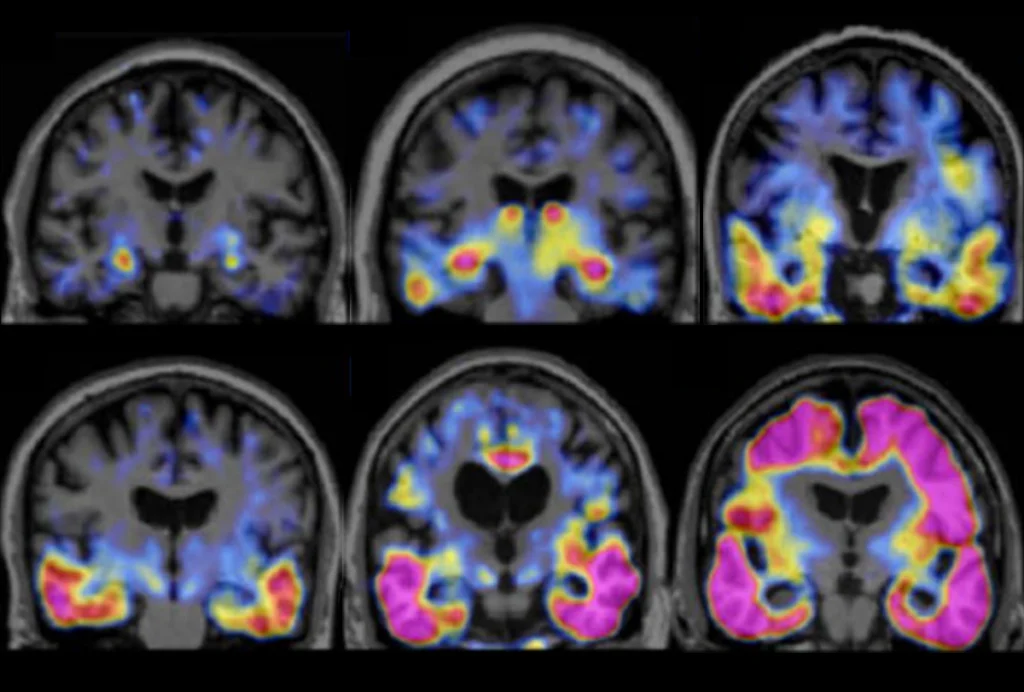
Supersized version of Alzheimer’s protein avoids clumping in brain
“Big tau” may explain why some brain regions, such as the cerebellum and brainstem, are largely spared from neurodegeneration, even though tau is expressed throughout the nervous system.
Supersized version of Alzheimer’s protein avoids clumping in brain
“Big tau” may explain why some brain regions, such as the cerebellum and brainstem, are largely spared from neurodegeneration, even though tau is expressed throughout the nervous system.
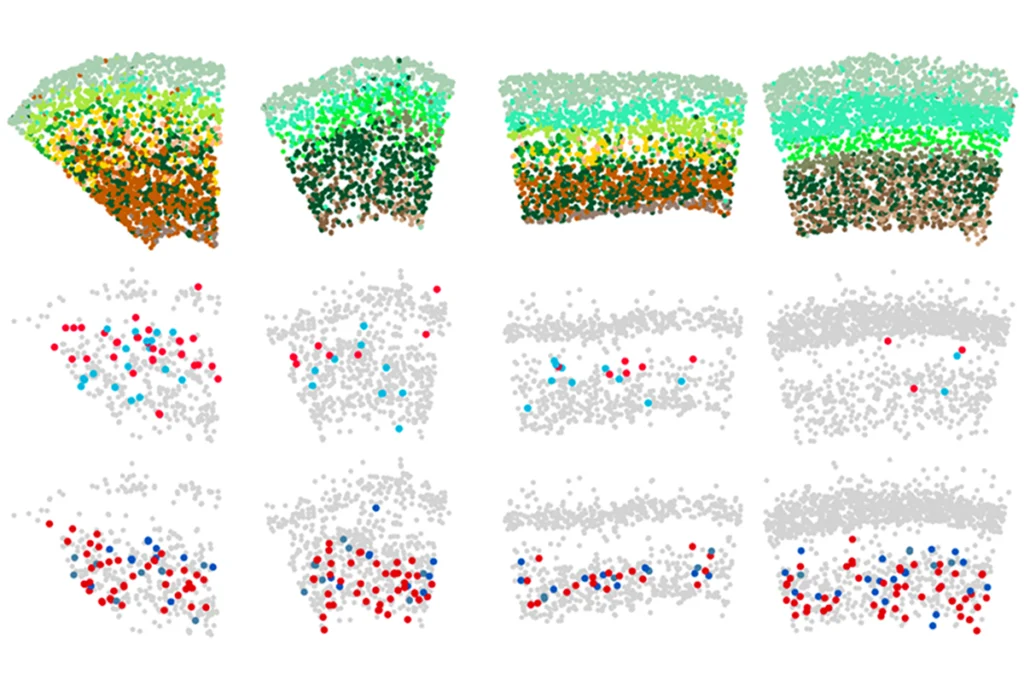
As circuits wire up, interneurons take cues from surrounding cells
The inhibitory cells’ development, diversity and abundance in the cortex is directed in part by pyramidal cells, a new preprint suggests.
As circuits wire up, interneurons take cues from surrounding cells
The inhibitory cells’ development, diversity and abundance in the cortex is directed in part by pyramidal cells, a new preprint suggests.
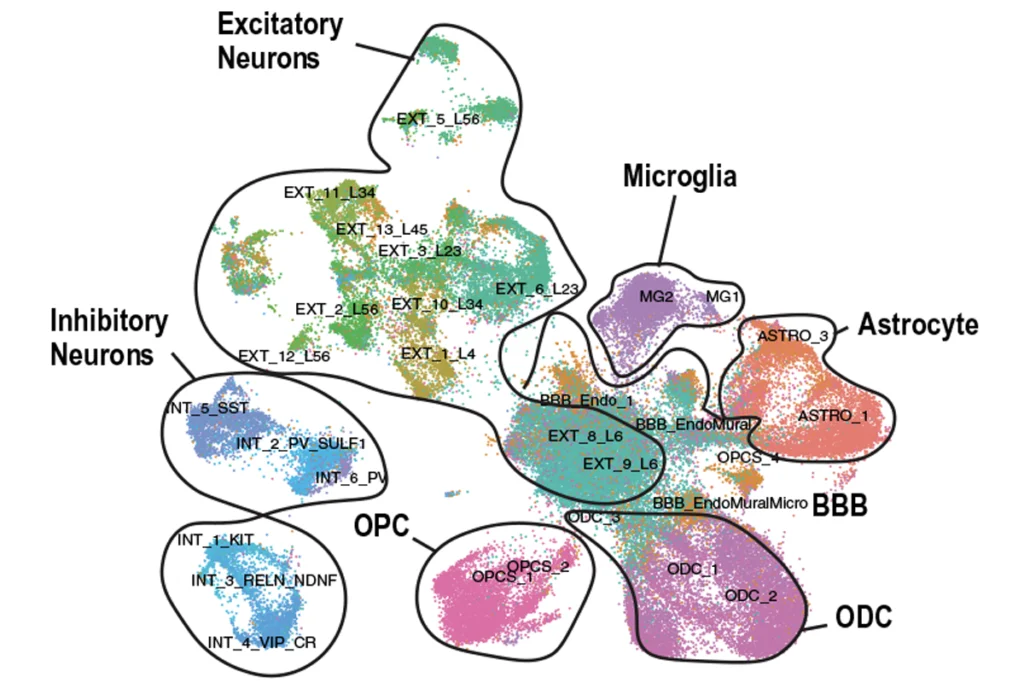
Giant analysis reveals how autism-linked genes affect brain cell types
Genes that predispose people to autism account for a large portion of the neuronal and glial cell changes seen in those with the condition.
Giant analysis reveals how autism-linked genes affect brain cell types
Genes that predispose people to autism account for a large portion of the neuronal and glial cell changes seen in those with the condition.
Explore more from The Transmitter

‘Shock and pain’ after ICE detains Princeton neuroscientist
Eva Yi Xie, a third-year graduate student in Carlos Brody’s lab at Princeton University, was detained yesterday at an airport in Washington, D.C., while traveling from the Society for Neuroscience meeting.
‘Shock and pain’ after ICE detains Princeton neuroscientist
Eva Yi Xie, a third-year graduate student in Carlos Brody’s lab at Princeton University, was detained yesterday at an airport in Washington, D.C., while traveling from the Society for Neuroscience meeting.

Training graduate students as a teaching professor
Mayank Chugh instructs graduate students in a range of molecular biology techniques at the University of Maryland and carves out time to do metascience research as well.
Training graduate students as a teaching professor
Mayank Chugh instructs graduate students in a range of molecular biology techniques at the University of Maryland and carves out time to do metascience research as well.
Loss of Angelman-linked UBE3A gene triggers stress response in neurons
A failure to break down asparagine synthetase ultimately leads to stunted neuronal development.
Loss of Angelman-linked UBE3A gene triggers stress response in neurons
A failure to break down asparagine synthetase ultimately leads to stunted neuronal development.