Treatments
Recent articles
Finding the Rett syndrome gene and ways to fix it
Kevin Mitchell talks with Huda Zoghbi about her work identifying the MECP2 gene, its role in the brain and therapies to address its dysfunction.
Finding the Rett syndrome gene and ways to fix it
Kevin Mitchell talks with Huda Zoghbi about her work identifying the MECP2 gene, its role in the brain and therapies to address its dysfunction.
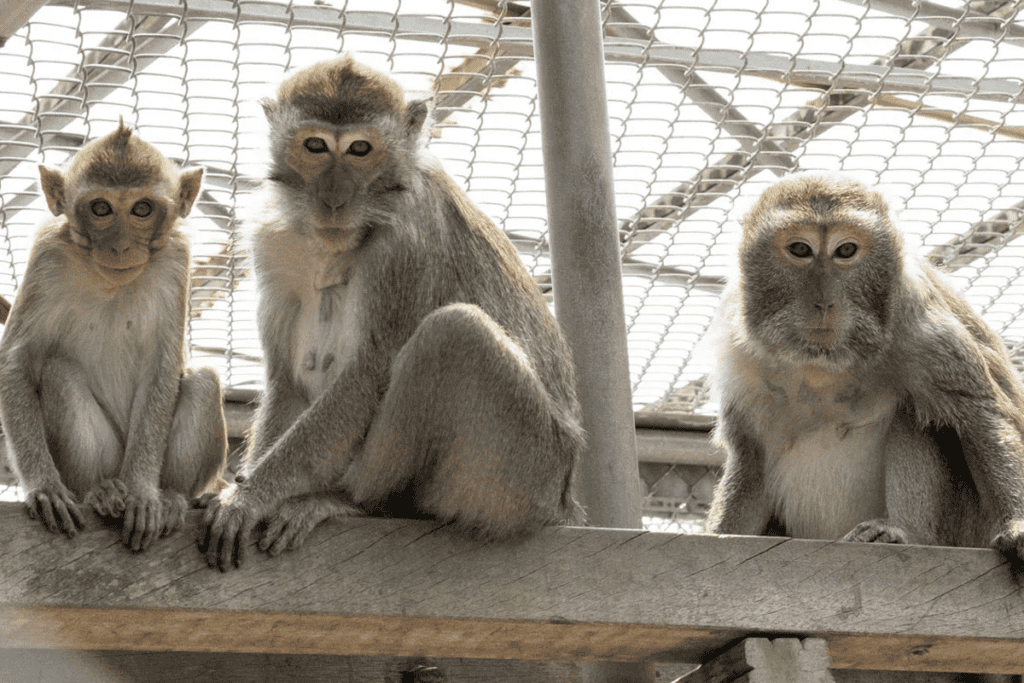
Dutch primate center awaits October animal research debate
Science is forging ahead at the Biomedical Primate Research Centre in the Netherlands, following a reversal of last year’s mandate to phase out primate studies. But researchers aren’t sure how long the reprieve will last.
Dutch primate center awaits October animal research debate
Science is forging ahead at the Biomedical Primate Research Centre in the Netherlands, following a reversal of last year’s mandate to phase out primate studies. But researchers aren’t sure how long the reprieve will last.

Study questions DSM-5’s combining of autism traits
Sensory traits and restricted and repetitive behaviors are best understood as distinct but related characteristics, the new work suggests.
Study questions DSM-5’s combining of autism traits
Sensory traits and restricted and repetitive behaviors are best understood as distinct but related characteristics, the new work suggests.

Exclusive: Brain and spinal cord institute halts research, citing funding problems
The Burke Neurological Institute, which calls itself “the only research institute in the U.S. dedicated to finding treatments to repair the brain and spinal cord,” ceased research operations on 22 May.
Exclusive: Brain and spinal cord institute halts research, citing funding problems
The Burke Neurological Institute, which calls itself “the only research institute in the U.S. dedicated to finding treatments to repair the brain and spinal cord,” ceased research operations on 22 May.
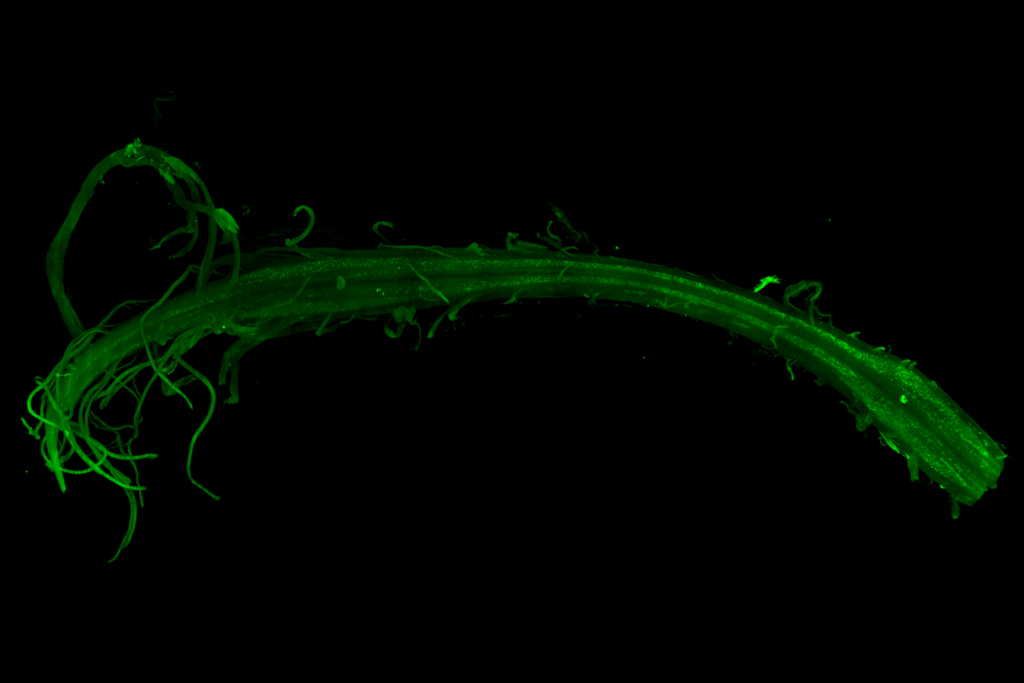
Allen Institute sets sights on treatments for five brain diseases
The Brain Health Accelerator program aims to harness single-cell transcriptomics and cell-type-specific genetic tools to develop treatments for Alzheimer’s, Huntington’s and Parkinson’s diseases, Lewy body dementia and ALS.
Allen Institute sets sights on treatments for five brain diseases
The Brain Health Accelerator program aims to harness single-cell transcriptomics and cell-type-specific genetic tools to develop treatments for Alzheimer’s, Huntington’s and Parkinson’s diseases, Lewy body dementia and ALS.
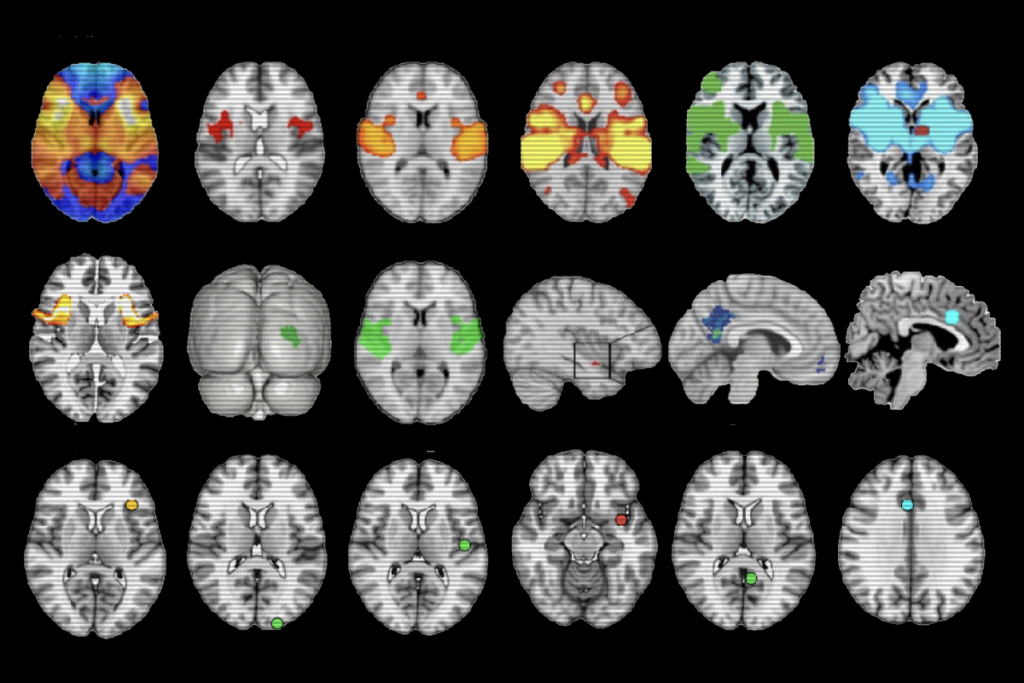
‘Overdue’ debate unfurls over neuroimaging method
After a January paper questioned the validity of an approach called lesion network mapping, its users are pressure testing their results.
‘Overdue’ debate unfurls over neuroimaging method
After a January paper questioned the validity of an approach called lesion network mapping, its users are pressure testing their results.
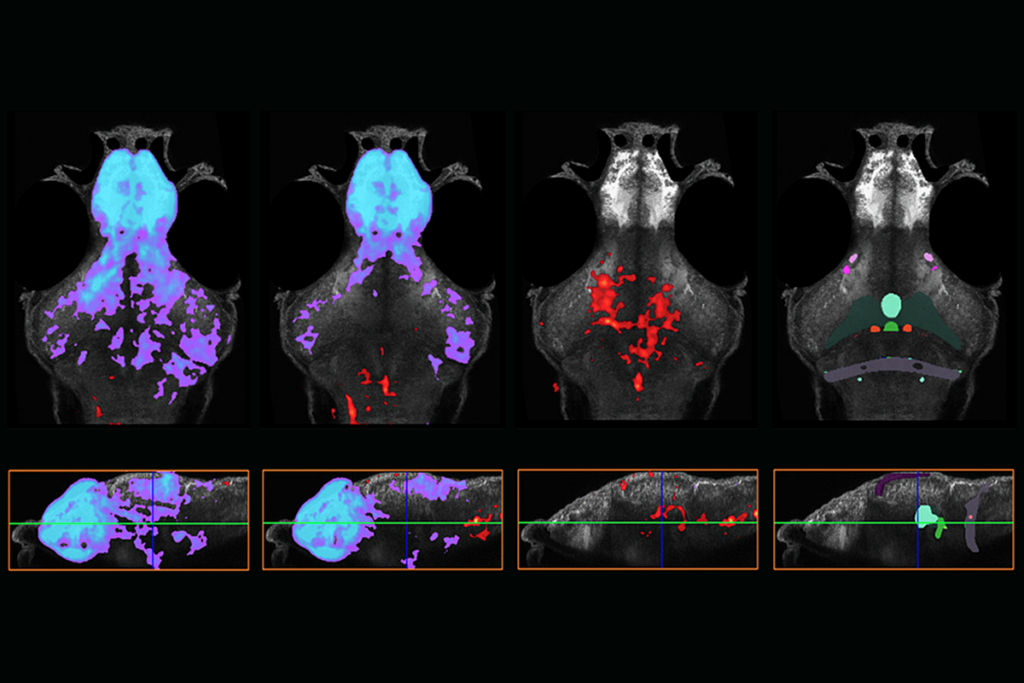
Nearly 400 compounds affect behaviors tied to autism-linked genes in zebrafish
Estropipate, paclitaxel and levocarnitine altered behaviors tied to SCN2A and DYRK1A variants specifically, a new open-source platform revealed.
Nearly 400 compounds affect behaviors tied to autism-linked genes in zebrafish
Estropipate, paclitaxel and levocarnitine altered behaviors tied to SCN2A and DYRK1A variants specifically, a new open-source platform revealed.
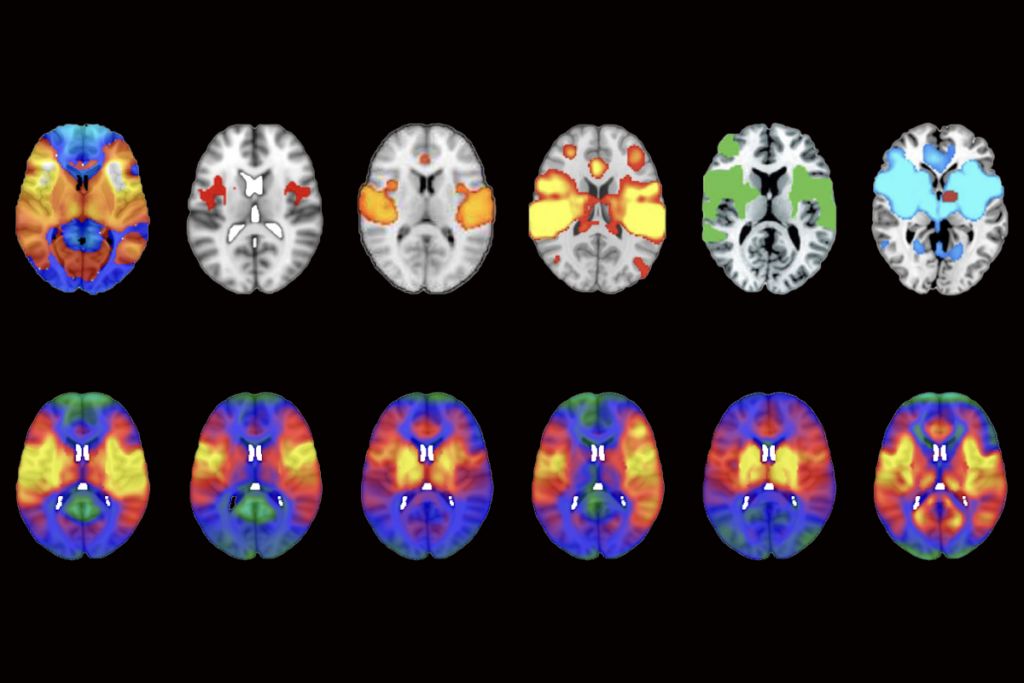
Methodological flaw may upend network mapping tool
The lesion network mapping method, used to identify disease-specific brain networks for clinical stimulation, produces a nearly identical network map for any given condition, according to a new study.
Methodological flaw may upend network mapping tool
The lesion network mapping method, used to identify disease-specific brain networks for clinical stimulation, produces a nearly identical network map for any given condition, according to a new study.
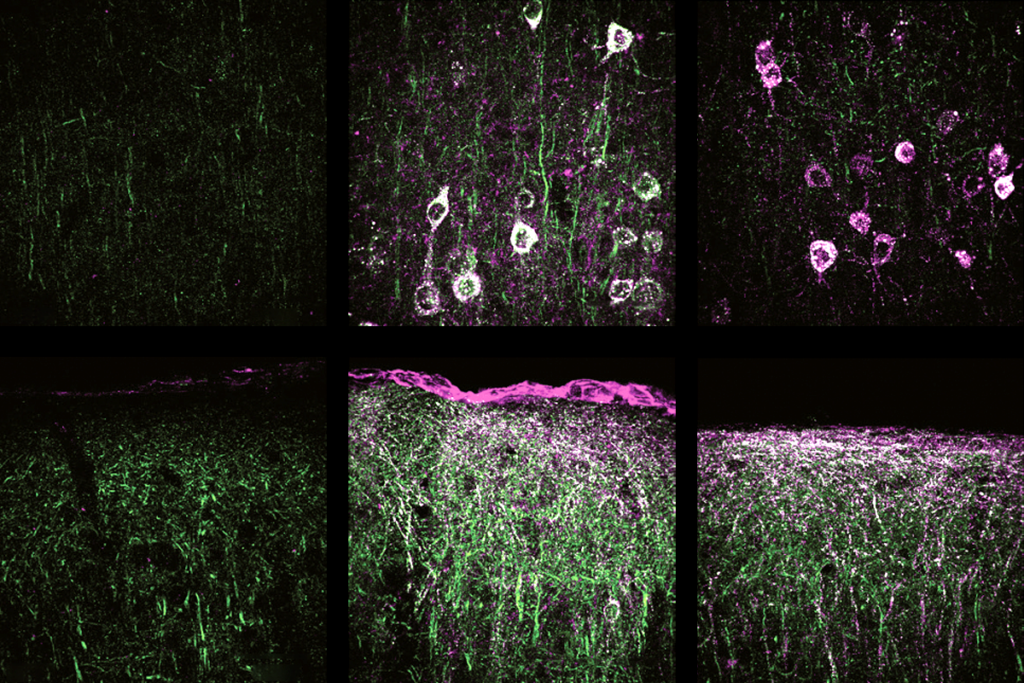
Gene replacement therapy normalizes some traits in SYNGAP1 model mice
The first published virus-based gene therapy for SYNGAP1 deletion yields benefits despite the gene’s long length and complexity.
Gene replacement therapy normalizes some traits in SYNGAP1 model mice
The first published virus-based gene therapy for SYNGAP1 deletion yields benefits despite the gene’s long length and complexity.
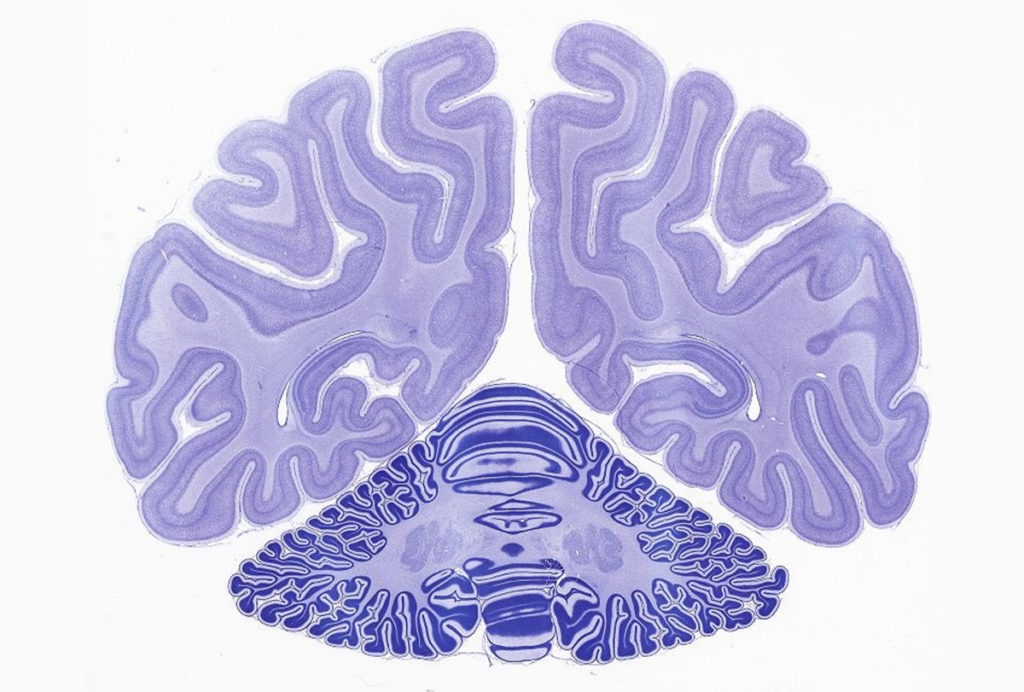
Nonhuman primate research to lose federal funding at major European facility
The Dutch Senate has ordered the Biomedical Primate Research Centre in the Netherlands to shift its funding away from primate experiments by 2030.
Nonhuman primate research to lose federal funding at major European facility
The Dutch Senate has ordered the Biomedical Primate Research Centre in the Netherlands to shift its funding away from primate experiments by 2030.
Explore more from The Transmitter
‘Brain Flows: How Network Dynamics Compose the Human Mind,’ an excerpt
In his new book, published today, Michael W. Cole examines how the movement of neuronal activity between neuronal populations shapes free will, intelligence and creativity. In this excerpt from Chapter 1, Cole explores why activity flows could unify efforts to map brain functions and connectivity.
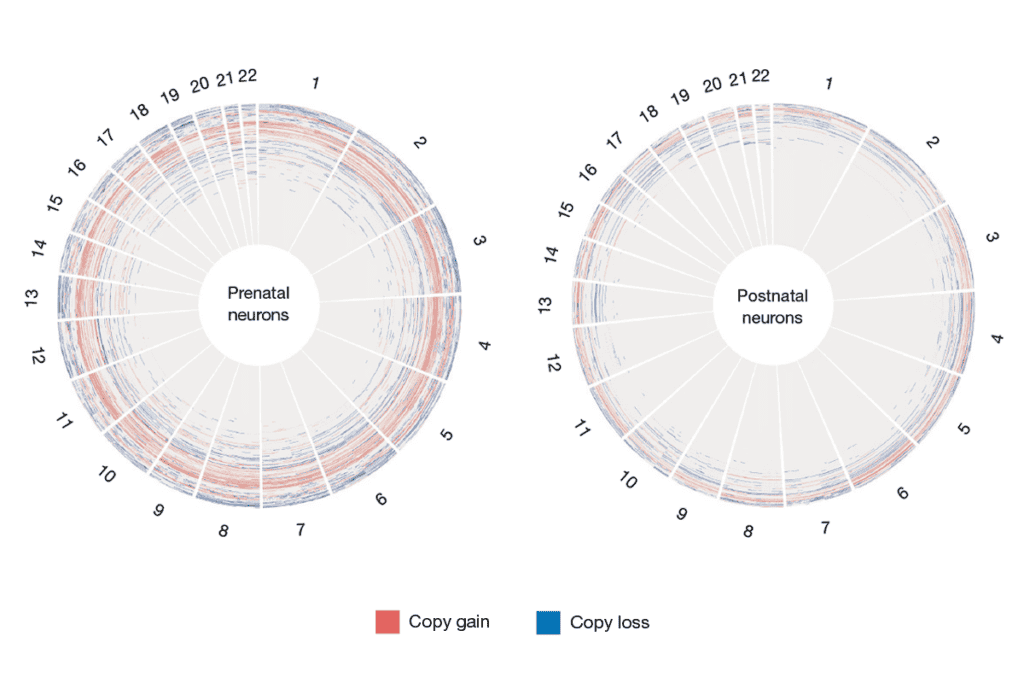
Prenatal pruning of neurons with copy number variants; and more
Here is a roundup of autism-related news and research spotted around the web for the week of 2 November.
Prenatal pruning of neurons with copy number variants; and more
Here is a roundup of autism-related news and research spotted around the web for the week of 2 November.
New Stanford initiative aims to build digital twin of human brain
The effort, funded by private donors, seeks to train the model on a trove of MRI and magnetoencephalography data that scientists plan to collect over the next five years—but questions about its scientific utility and feasibility remain.