Autism
Recent articles
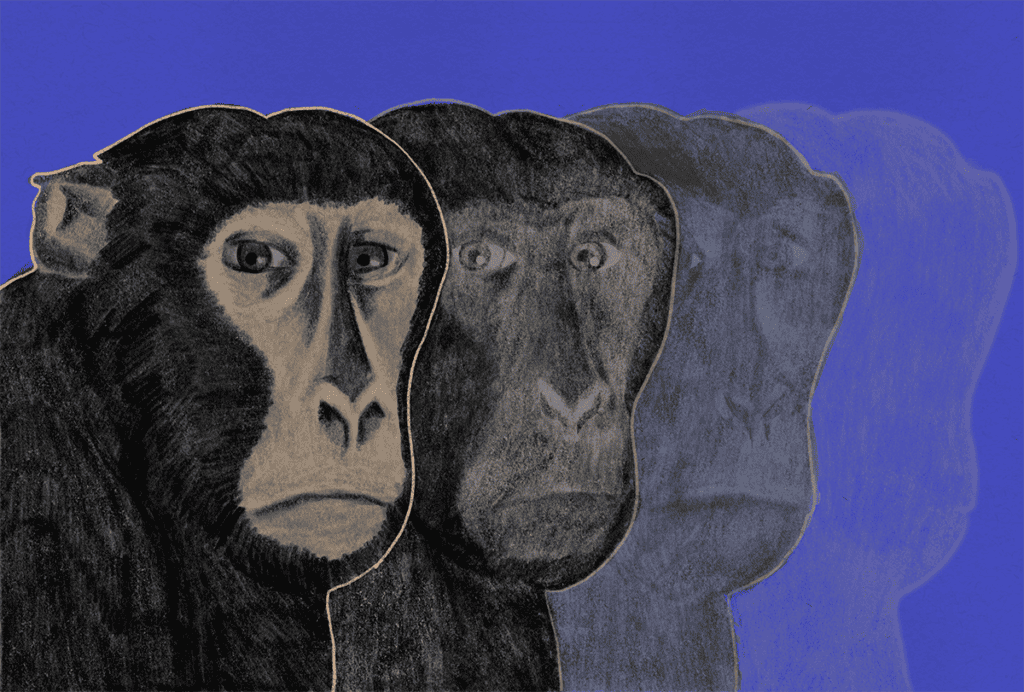
Autism research involving monkeys contends with uphill battle
Macaques and marmosets recapitulate the condition’s core traits better than mice can, but funding uncertainty and challenges at primate centers in the United States could make this work difficult to continue.
Autism research involving monkeys contends with uphill battle
Macaques and marmosets recapitulate the condition’s core traits better than mice can, but funding uncertainty and challenges at primate centers in the United States could make this work difficult to continue.

Remembering Gerry Fischbach, ‘orchestra conductor’ who brought scientists together
Fischbach, who died 25 October, elucidated the dynamic changes in neuromuscular junctions. Beyond the lab, he shaped careers, academic departments and scientific societies.
Remembering Gerry Fischbach, ‘orchestra conductor’ who brought scientists together
Fischbach, who died 25 October, elucidated the dynamic changes in neuromuscular junctions. Beyond the lab, he shaped careers, academic departments and scientific societies.
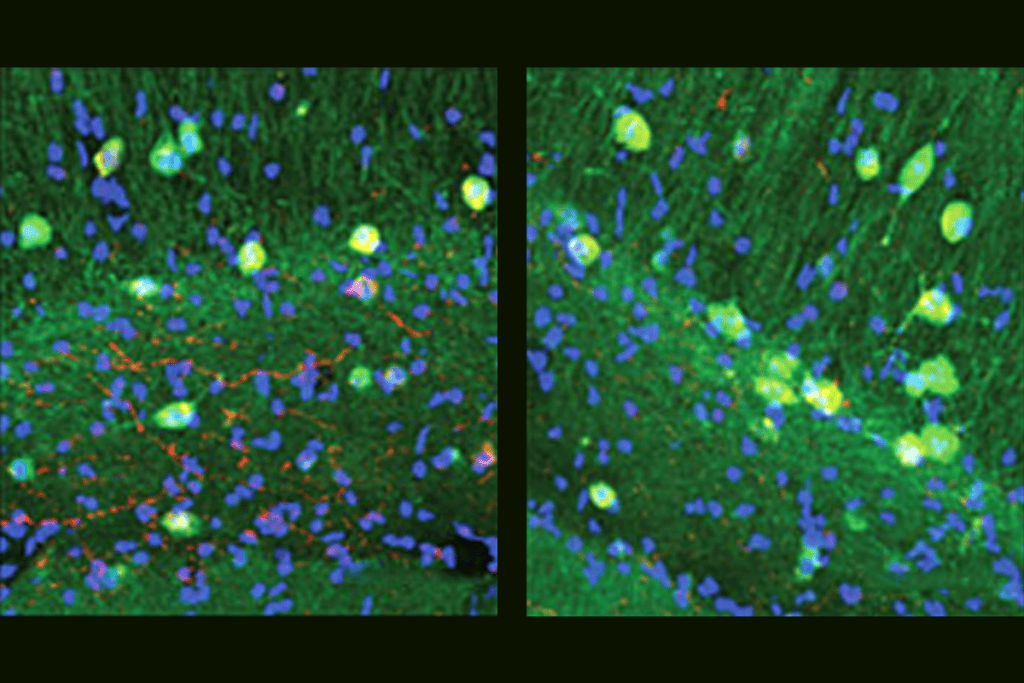
Behavioral phenomics in zebrafish; and more
Here is a roundup of autism-related news and research spotted around the web for the week of 26 October.
Behavioral phenomics in zebrafish; and more
Here is a roundup of autism-related news and research spotted around the web for the week of 26 October.
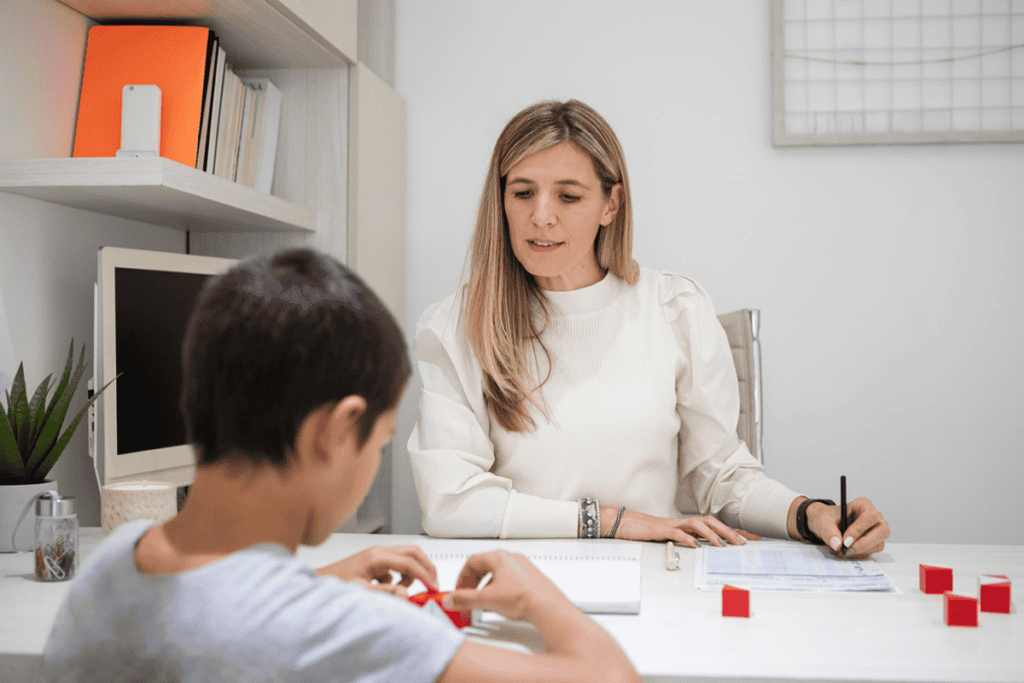
Prevalence of profound autism declines with new definition
The updated, more precise definition used in a CDC study includes adaptive scores.
Prevalence of profound autism declines with new definition
The updated, more precise definition used in a CDC study includes adaptive scores.
COVID-19 and influenza effects in pregnancy; and more
Here is a roundup of autism-related news and research spotted around the web for the week of 19 October.
COVID-19 and influenza effects in pregnancy; and more
Here is a roundup of autism-related news and research spotted around the web for the week of 19 October.

Highly cited autism paper earns expression of concern over data duplications
The notice, published in Nature last week, also addressed an image duplication identified by a prominent research-integrity sleuth.
Highly cited autism paper earns expression of concern over data duplications
The notice, published in Nature last week, also addressed an image duplication identified by a prominent research-integrity sleuth.
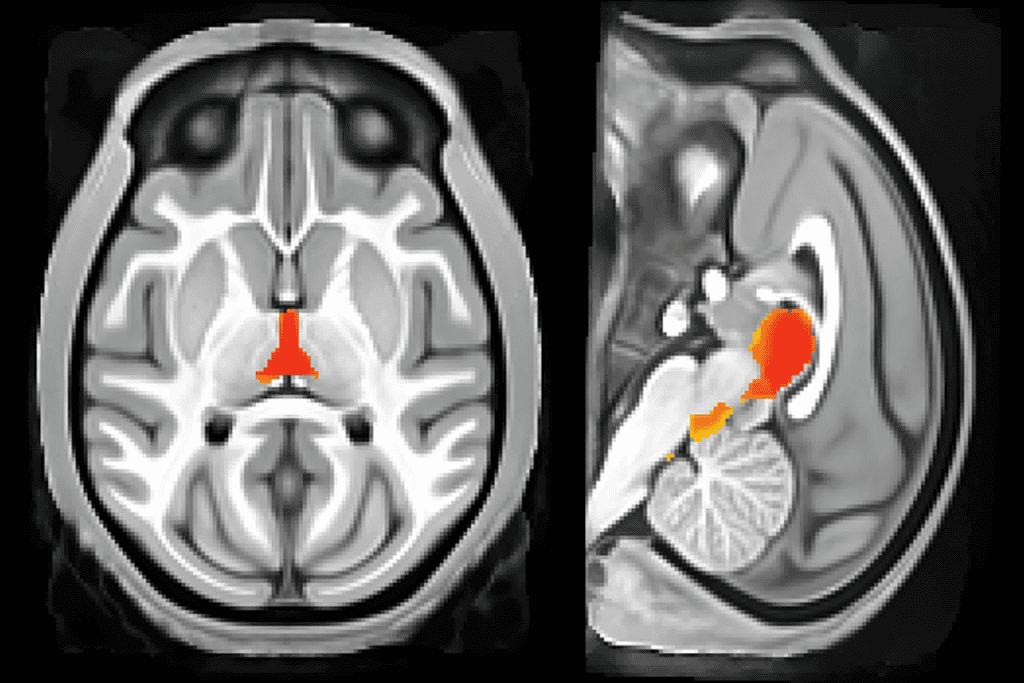
Acetaminophen effects on developing brain organoids; and more
Here is a roundup of autism-related news and research spotted around the web for the week of 12 October.
Acetaminophen effects on developing brain organoids; and more
Here is a roundup of autism-related news and research spotted around the web for the week of 12 October.
Private initiative makes ‘historic’ investment in autism research
Aligning Research to Impact Autism has committed more than $450 million to build a new multidisciplinary research network to uncover the roots of profound autism and develop treatments.
Private initiative makes ‘historic’ investment in autism research
Aligning Research to Impact Autism has committed more than $450 million to build a new multidisciplinary research network to uncover the roots of profound autism and develop treatments.
What if nonhuman primate research goes away?
As the U.S. government takes steps to stop using nonhuman primates in research, The Transmitter investigates what that shift could mean for neuroscience.
What if nonhuman primate research goes away?
As the U.S. government takes steps to stop using nonhuman primates in research, The Transmitter investigates what that shift could mean for neuroscience.
Number of autism-linked genes more than triples in new analyses
In addition to a new preprint that expands the list of genes tied to the condition, two related analyses reveal how variants in those genes contribute to genetic susceptibility.
Number of autism-linked genes more than triples in new analyses
In addition to a new preprint that expands the list of genes tied to the condition, two related analyses reveal how variants in those genes contribute to genetic susceptibility.
Explore more from The Transmitter
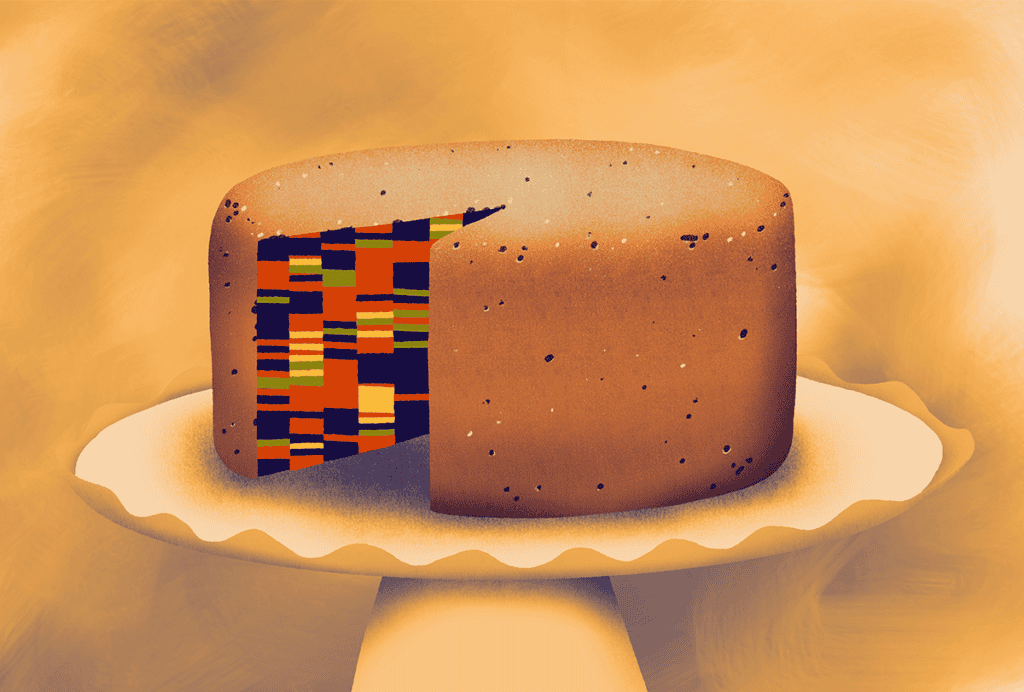
The genome offers a recipe, not a blueprint, for the brain
During brain development, genes set the rules and turn the knobs; self-organization does much of the rest.
The genome offers a recipe, not a blueprint, for the brain
During brain development, genes set the rules and turn the knobs; self-organization does much of the rest.
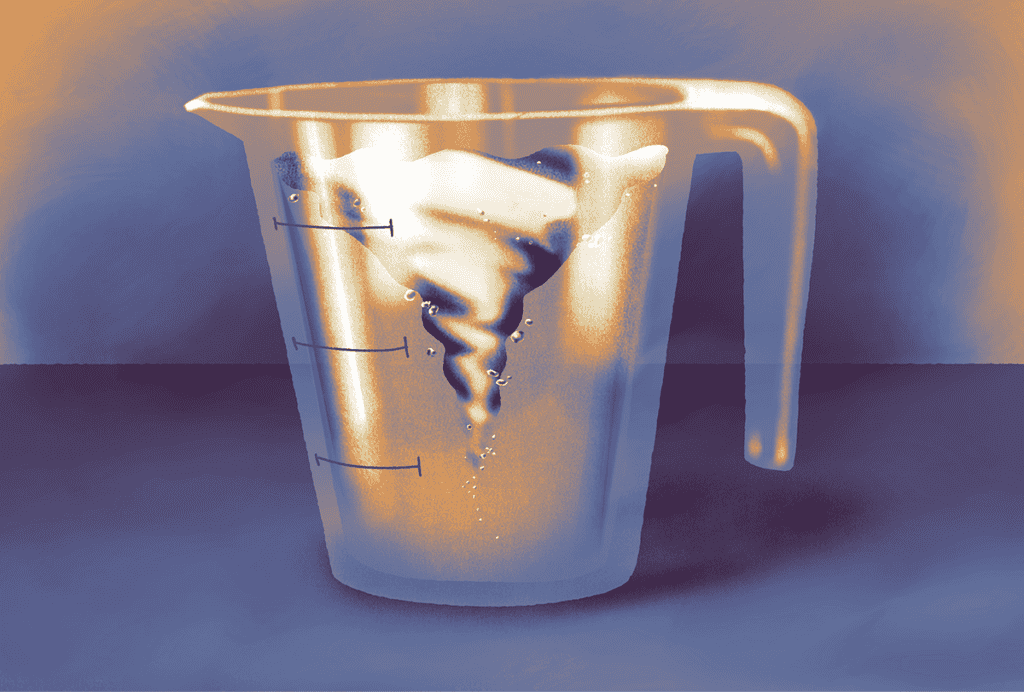
When is self-organization a mechanism in brain development?
Retinal waves offer a powerful example of a self-organizing system that can build structure without external guidance. The field would do well to embrace such phenomena more broadly as a type of mechanistic explanation.
When is self-organization a mechanism in brain development?
Retinal waves offer a powerful example of a self-organizing system that can build structure without external guidance. The field would do well to embrace such phenomena more broadly as a type of mechanistic explanation.
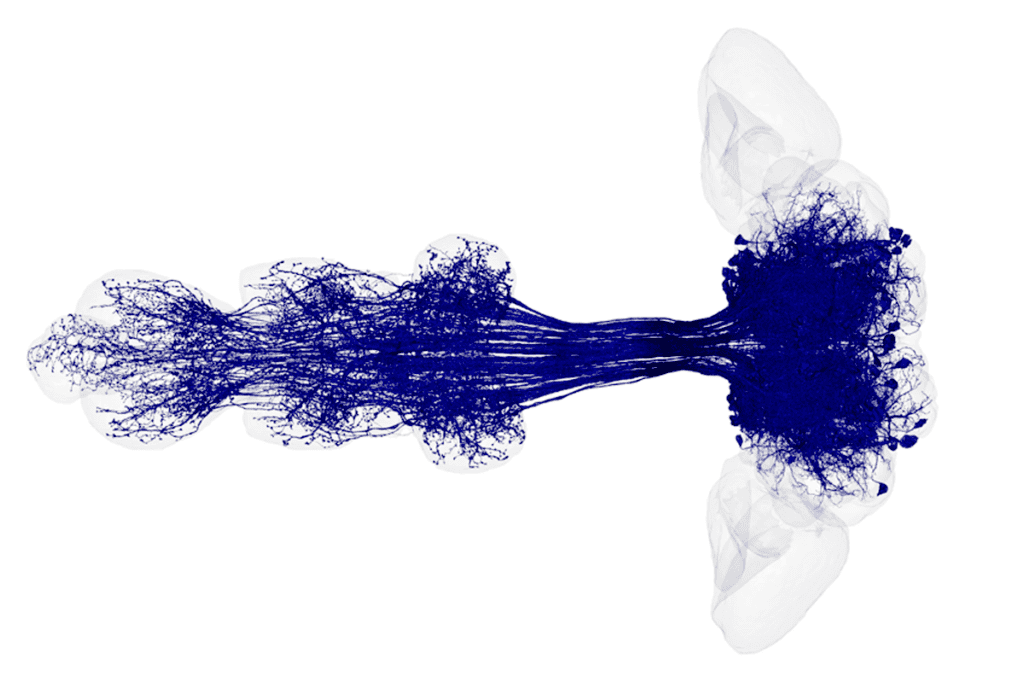
Fly taste connectome traces paths from sensation to action
The map—the first of its kind for an animal more complex than Caenorhabditis elegans—gives neuroscientists a trove of testable hypotheses about how neuronal circuits guide feeding behaviors.
Fly taste connectome traces paths from sensation to action
The map—the first of its kind for an animal more complex than Caenorhabditis elegans—gives neuroscientists a trove of testable hypotheses about how neuronal circuits guide feeding behaviors.