Decision-making
Recent articles
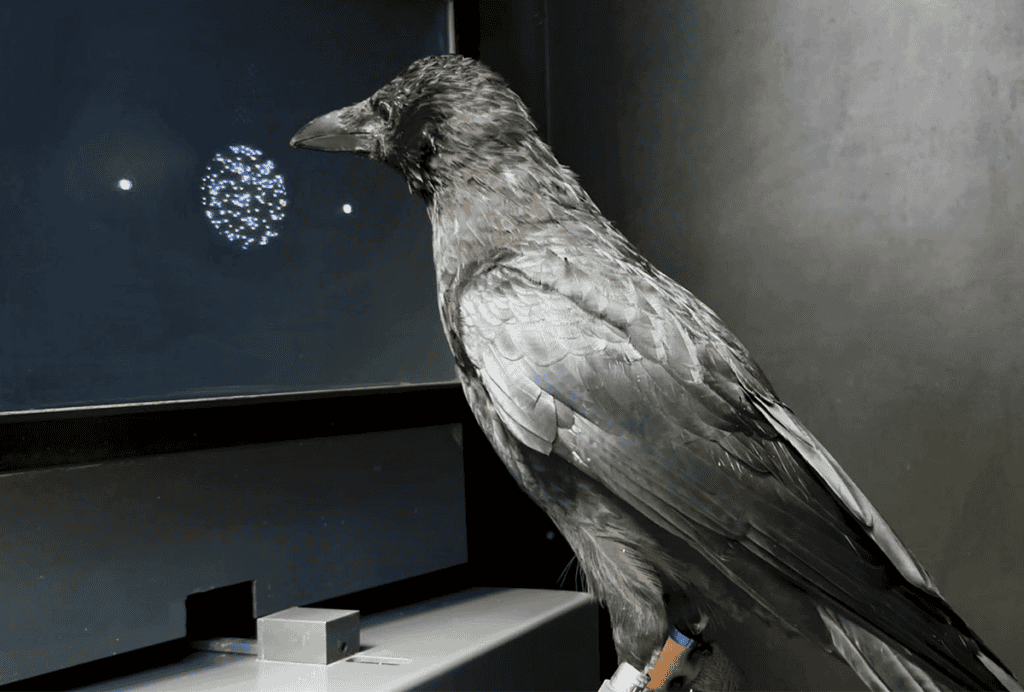
Crows have brains ‘in the fast lane’
The birds accurately complete decision-making tasks twice as fast as primates, although their endbrains look considerably different.
Crows have brains ‘in the fast lane’
The birds accurately complete decision-making tasks twice as fast as primates, although their endbrains look considerably different.

Is confidence a second thought—or part of the first one?
In some settings, neural circuits may calculate confidence in a decision simultaneously with the choice itself. That changes the types of questions researchers should ask.
Is confidence a second thought—or part of the first one?
In some settings, neural circuits may calculate confidence in a decision simultaneously with the choice itself. That changes the types of questions researchers should ask.
Cooperating marmosets extend decision-making model of the brain
When a pair of marmosets works together to earn some marshmallow fluff, one of them decides to act only after its brain accumulates enough evidence about what the other is doing, new work shows.
Cooperating marmosets extend decision-making model of the brain
When a pair of marmosets works together to earn some marshmallow fluff, one of them decides to act only after its brain accumulates enough evidence about what the other is doing, new work shows.

To understand decision-making, we need to truly challenge lab animals
Complex, multidimensional tasks that unfold over time could reveal how different brain areas work together to support decisions.
To understand decision-making, we need to truly challenge lab animals
Complex, multidimensional tasks that unfold over time could reveal how different brain areas work together to support decisions.
Michael Shadlen explains how theory of mind ushers nonconscious thoughts into consciousness
All of our thoughts, mostly nonconscious, are interrogations of the world, Shadlen says. The opportunity to report our answers to ourselves or others brings a thought into conscious awareness.
Michael Shadlen explains how theory of mind ushers nonconscious thoughts into consciousness
All of our thoughts, mostly nonconscious, are interrogations of the world, Shadlen says. The opportunity to report our answers to ourselves or others brings a thought into conscious awareness.

Sex hormone boosts female rats’ sensitivity to unexpected rewards
During the high-estradiol stages of their estrus cycle, female rats learn faster than they do during other stages—and than male rats overall—thanks to a boost in their dopaminergic response to reward, a new study suggests.
Sex hormone boosts female rats’ sensitivity to unexpected rewards
During the high-estradiol stages of their estrus cycle, female rats learn faster than they do during other stages—and than male rats overall—thanks to a boost in their dopaminergic response to reward, a new study suggests.
Aging as adaptation: Learning the brain’s recipe for resilience
Some age-related changes in the brain and in behavior are not solely the result of cognitive decline but rather part of a larger adaptive process.
Aging as adaptation: Learning the brain’s recipe for resilience
Some age-related changes in the brain and in behavior are not solely the result of cognitive decline but rather part of a larger adaptive process.
Facial movements telegraph cognition in mice
If you give a mouse a decision, its thought process may show on its face.
Facial movements telegraph cognition in mice
If you give a mouse a decision, its thought process may show on its face.
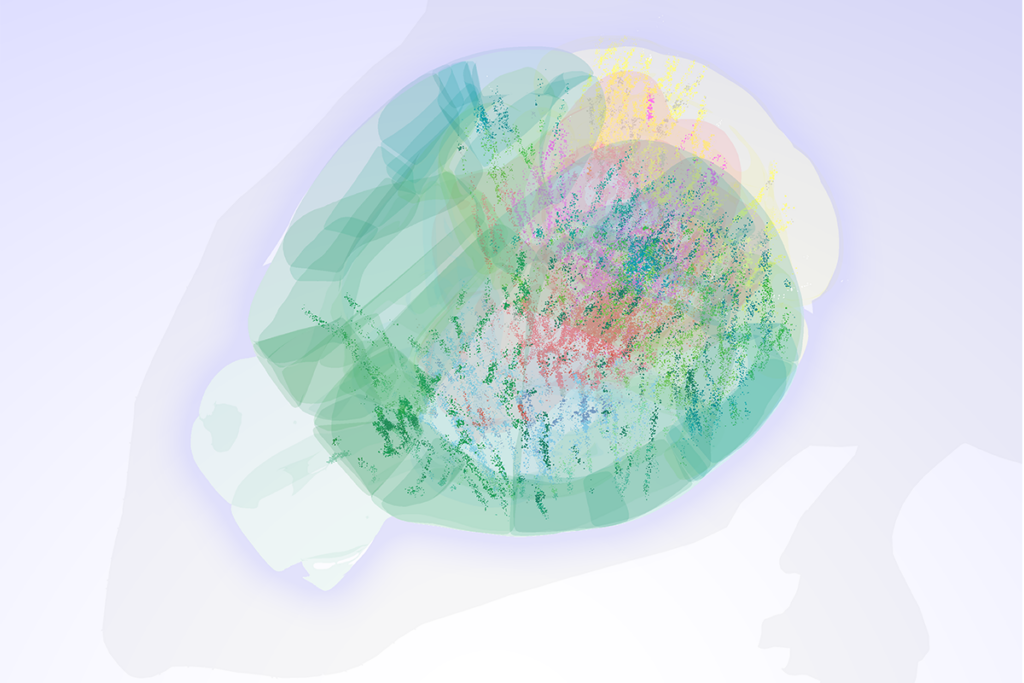
Everything everywhere all at once: Decision-making signals engage entire brain
The findings, gleaned from the most comprehensive map yet of brain activity during decision-making in mice, show that the process is even more distributed than previously thought.
Everything everywhere all at once: Decision-making signals engage entire brain
The findings, gleaned from the most comprehensive map yet of brain activity during decision-making in mice, show that the process is even more distributed than previously thought.
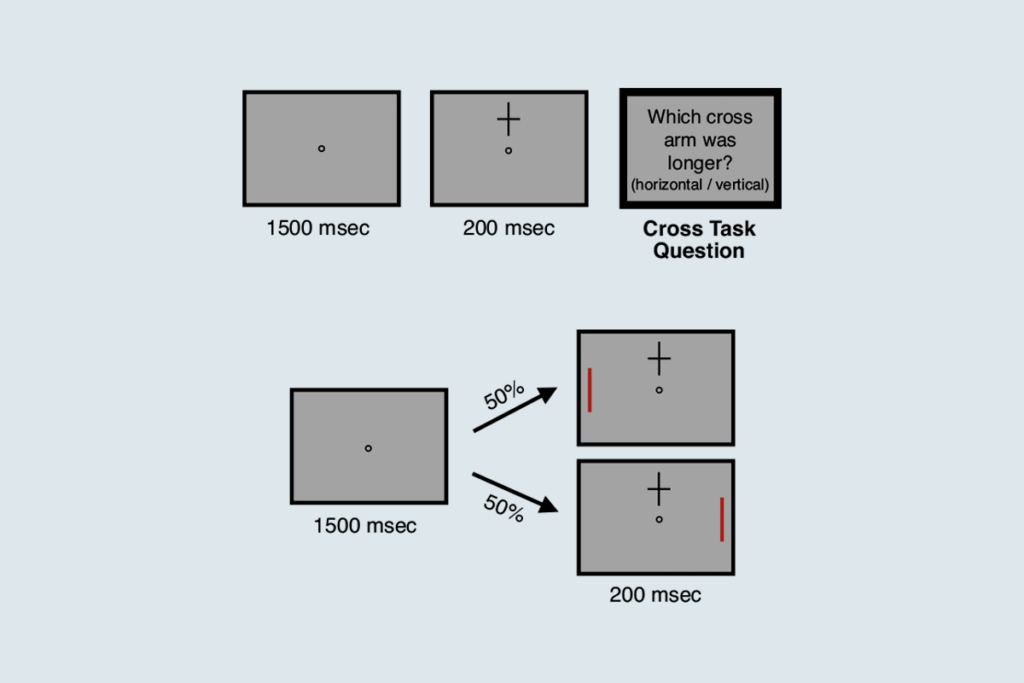
Attention not necessary for visual awareness, large study suggests
People can perceive some visual information even if they do not pay direct attention to it.
Attention not necessary for visual awareness, large study suggests
People can perceive some visual information even if they do not pay direct attention to it.
Explore more from The Transmitter
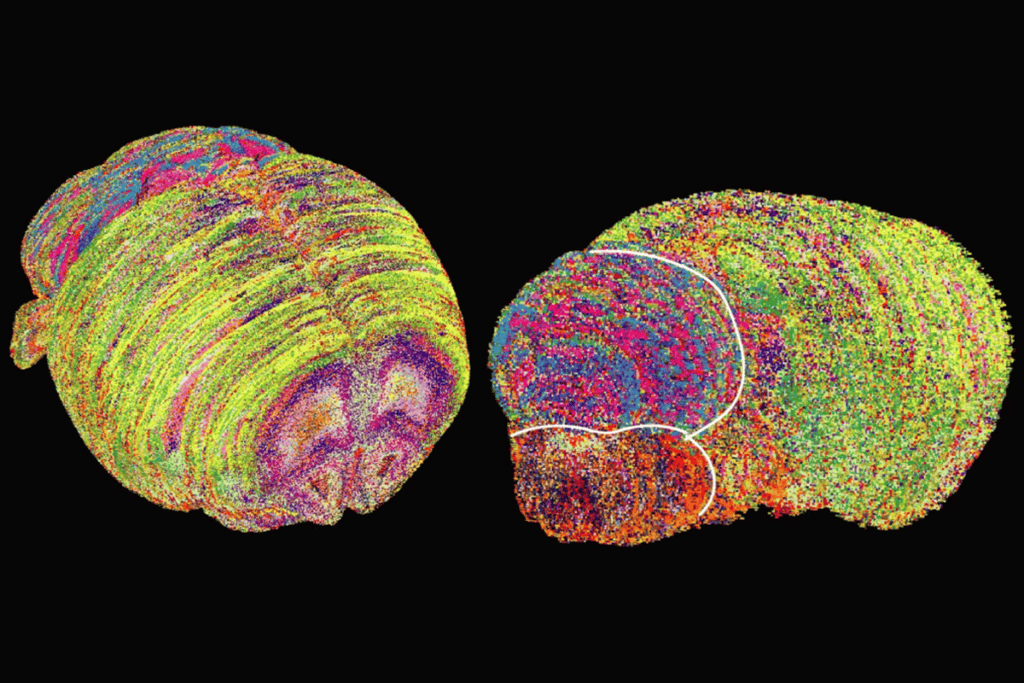
Lipids enter brain mapping limelight
Two new studies, including the first whole-brain lipid atlas in mice, uncover unforeseen complexity and influence during pregnancy and aging.
Lipids enter brain mapping limelight
Two new studies, including the first whole-brain lipid atlas in mice, uncover unforeseen complexity and influence during pregnancy and aging.
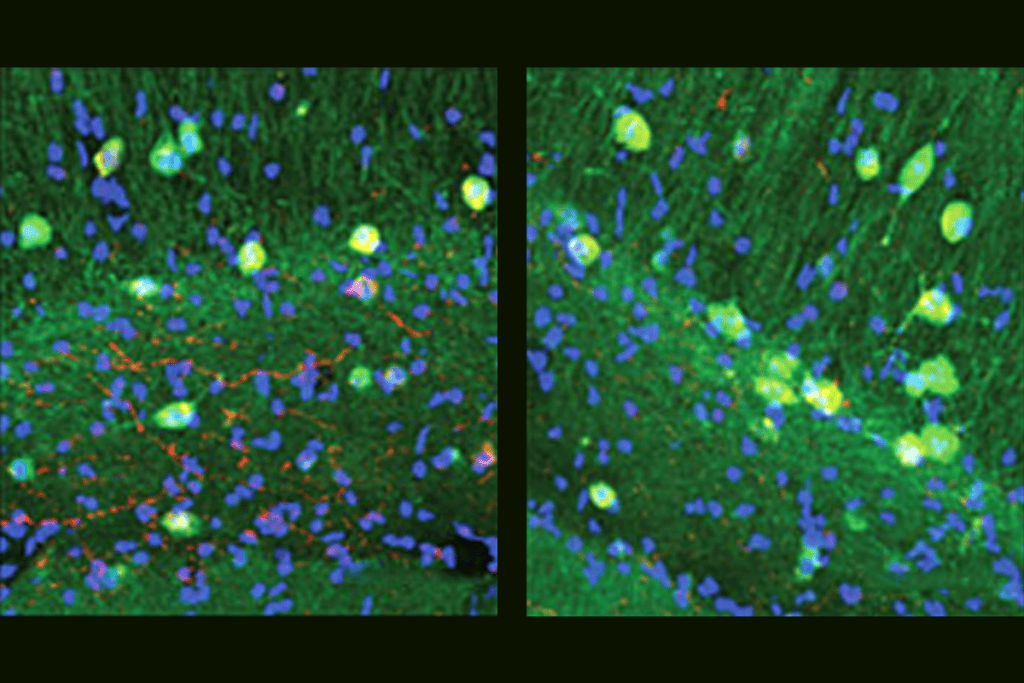
Behavioral phenomics in zebrafish; and more
Here is a roundup of autism-related news and research spotted around the web for the week of 26 October.
Behavioral phenomics in zebrafish; and more
Here is a roundup of autism-related news and research spotted around the web for the week of 26 October.

Neuroscience gave AI its start. What happens now?
David Sussillo maps the two fields' divergent paths, and where they might still meet.
Neuroscience gave AI its start. What happens now?
David Sussillo maps the two fields' divergent paths, and where they might still meet.