Ethics
Recent articles
Stories about scientific misconduct, retractions, debates over research standards, and more
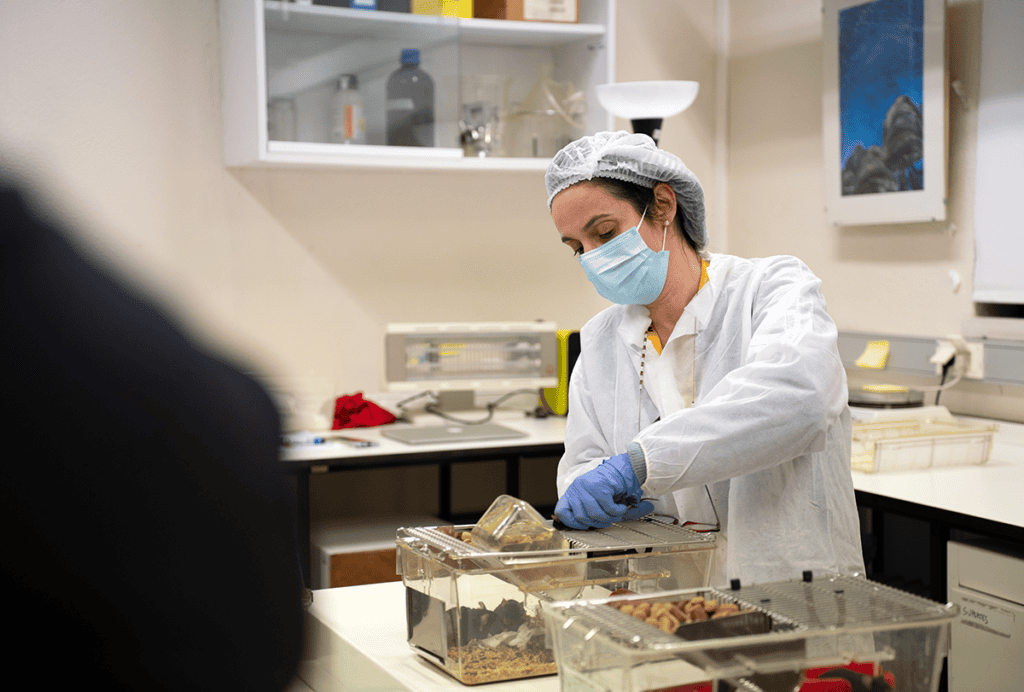
Public engagement can help cultivate support for animal research
The European Animal Research Association's Patient Discovery Project connects researchers with people who have the conditions they study. The learning goes both ways.
Public engagement can help cultivate support for animal research
The European Animal Research Association's Patient Discovery Project connects researchers with people who have the conditions they study. The learning goes both ways.
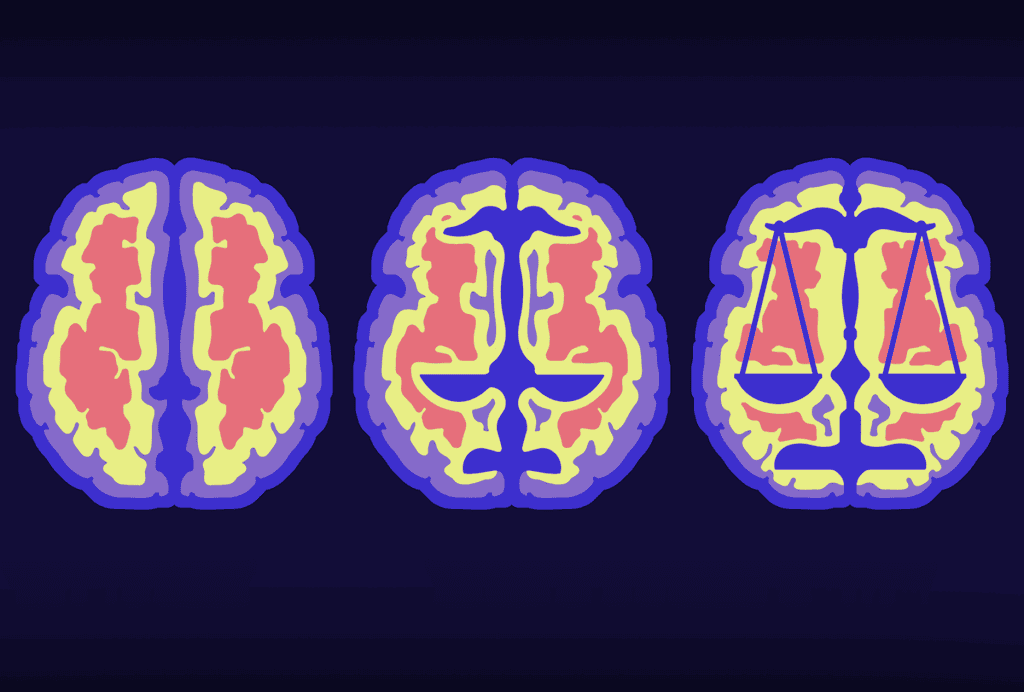
Govern neurodata by how it’s used, not where it’s from
New neurodata laws will shape how researchers gather, share and reuse brain data. A use-based governance protects basic researchers and those whose data are being used, without freezing science.
Govern neurodata by how it’s used, not where it’s from
New neurodata laws will shape how researchers gather, share and reuse brain data. A use-based governance protects basic researchers and those whose data are being used, without freezing science.
How new technologies can bring primatologists and systems neuroscientists together
The two groups study the same behavioral phenomena yet rarely interact or read each other's work—a mutual blind spot that weakens both fields. New technologies offer a chance to bring them together.
How new technologies can bring primatologists and systems neuroscientists together
The two groups study the same behavioral phenomena yet rarely interact or read each other's work—a mutual blind spot that weakens both fields. New technologies offer a chance to bring them together.
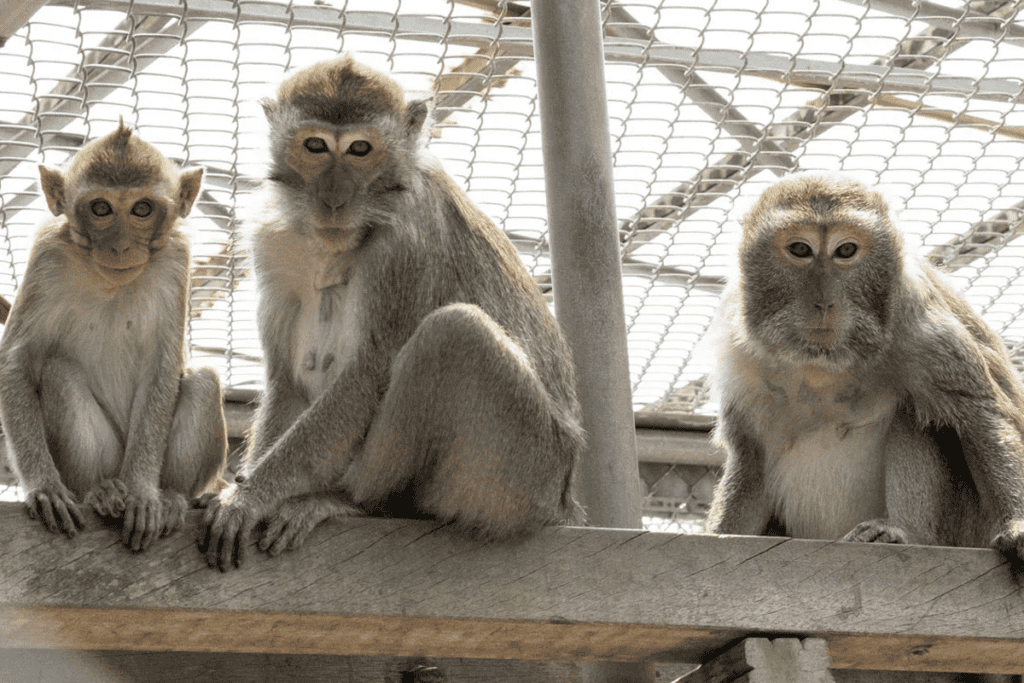
Dutch primate center awaits October animal research debate
Science is forging ahead at the Biomedical Primate Research Centre in the Netherlands, following a reversal of last year’s mandate to phase out primate studies. But researchers aren’t sure how long the reprieve will last.
Dutch primate center awaits October animal research debate
Science is forging ahead at the Biomedical Primate Research Centre in the Netherlands, following a reversal of last year’s mandate to phase out primate studies. But researchers aren’t sure how long the reprieve will last.
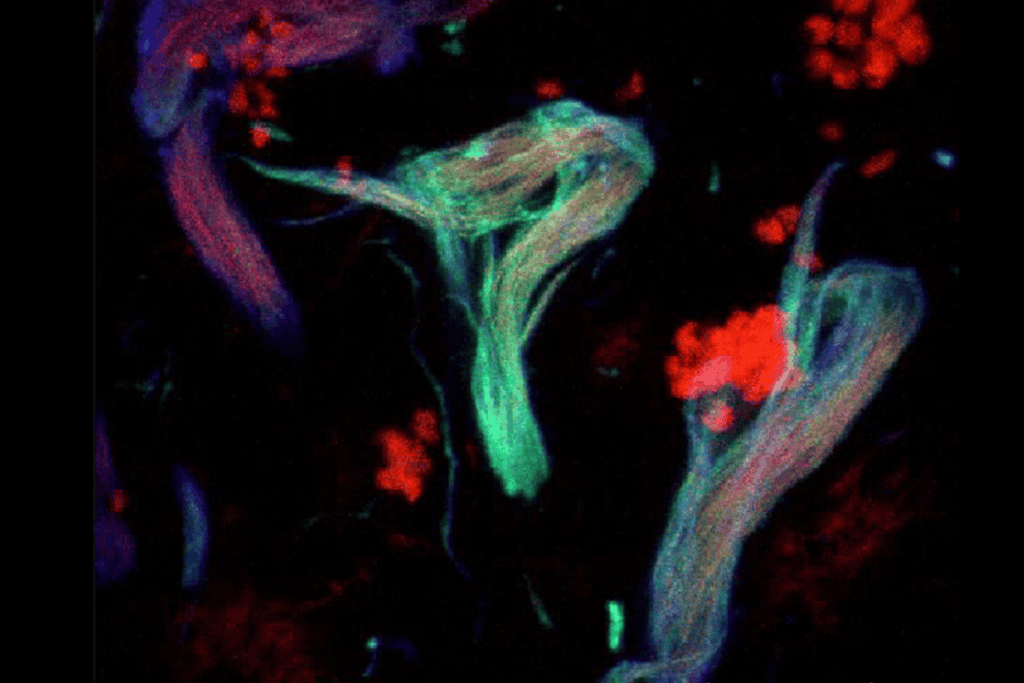
Reimagining Mexico’s brain bank
Since Alzheimer’s disease researcher José Luna-Muñoz assumed leadership of the facility—Latin America’s oldest—in 2011, he has been acquiring additional tissue types and is working to expand donor recruitment to rural areas.
Reimagining Mexico’s brain bank
Since Alzheimer’s disease researcher José Luna-Muñoz assumed leadership of the facility—Latin America’s oldest—in 2011, he has been acquiring additional tissue types and is working to expand donor recruitment to rural areas.
Reimaginando o banco de cérebros do México
Desde que o pesquisador da doença de Alzheimer José Luna-Muñoz assumiu a direção da instituição—a mais antiga da América Latina—em 2011, ele vem adquirindo novos tipos de tecido e trabalhando para ampliar o recrutamento de doadores nas áreas rurais
Reimaginando o banco de cérebros do México
Desde que o pesquisador da doença de Alzheimer José Luna-Muñoz assumiu a direção da instituição—a mais antiga da América Latina—em 2011, ele vem adquirindo novos tipos de tecido e trabalhando para ampliar o recrutamento de doadores nas áreas rurais
Reimaginando el banco de cerebros de México
Desde que el investigador de la enfermedad de Alzheimer José Luna-Muñoz se hizo cargo del banco de cerebros—el más antiguo de América Latina—en 2011, ha incorporado otros tipos de tejidos y trabaja para ampliar la captación de donantes a las zonas rurales.
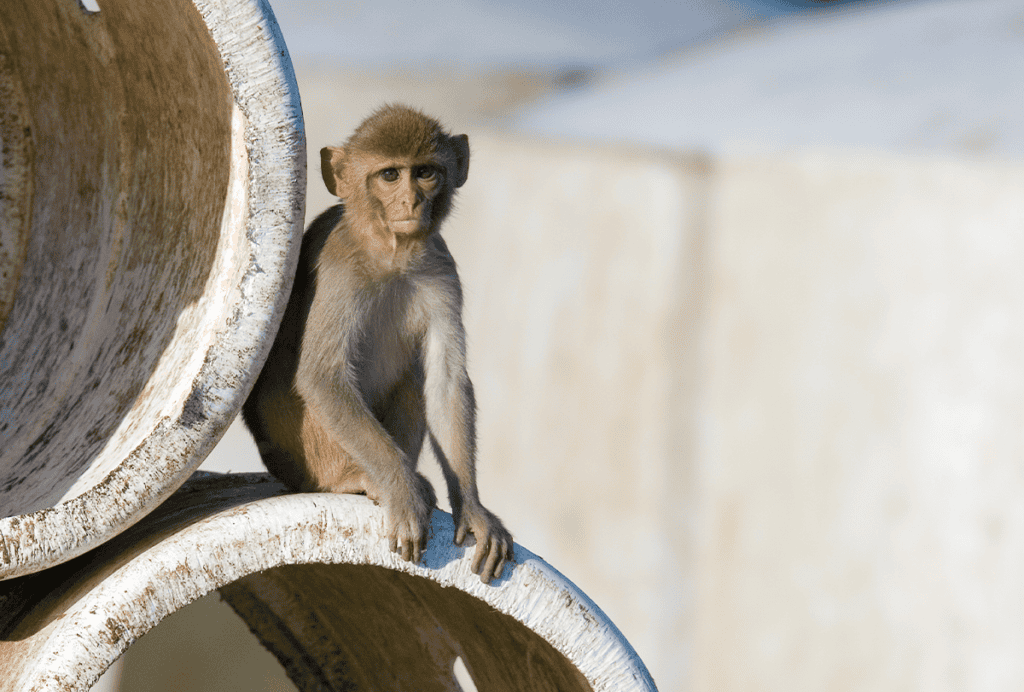
Oregon primate research center to downsize monkey colony, pivot to non-animal models
The center’s host university had been negotiating with the federal government about converting the center into an animal sanctuary. A new plan, approved today, preserves some of the center’s nonhuman primate studies.
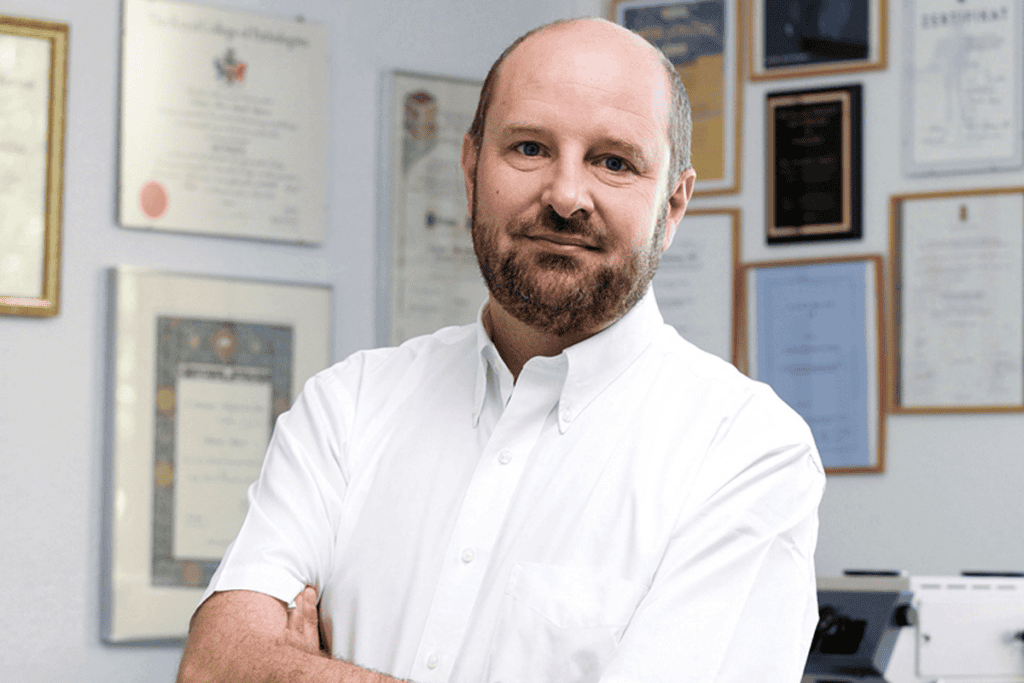
Neuropathologist not guilty of research misconduct, says university probe
The investigation determined that seven papers by corresponding author Adriano Aguzzi have “scientifically significant” errors, which Aguzzi attributes to his former students.
Neuropathologist not guilty of research misconduct, says university probe
The investigation determined that seven papers by corresponding author Adriano Aguzzi have “scientifically significant” errors, which Aguzzi attributes to his former students.
Bringing basic biology back to INSAR
As the International Society for Autism Research has grown over the past two decades, basic science has become less central, Christine Wu Nordahl says. This year, she and other meeting organizers aimed to change that.
Bringing basic biology back to INSAR
As the International Society for Autism Research has grown over the past two decades, basic science has become less central, Christine Wu Nordahl says. This year, she and other meeting organizers aimed to change that.
Explore more from The Transmitter
Hidden connections in the thalamus: Mapping the electrical synapses of the brain’s attentional gate
New research uses a light-based mapping technique to show that electrical synapses persist in the adult thalamic reticular nucleus, where they link neurons selectively, reach farther than anyone had previously measured, and join together cell types that serve separate streams of sensory information.

‘Shock and pain’ after ICE detains Princeton neuroscientist
Eva Yi Xie, a third-year graduate student in Carlos Brody’s lab at Princeton University, was detained yesterday at an airport in Washington, D.C., while traveling from the Society for Neuroscience meeting.
‘Shock and pain’ after ICE detains Princeton neuroscientist
Eva Yi Xie, a third-year graduate student in Carlos Brody’s lab at Princeton University, was detained yesterday at an airport in Washington, D.C., while traveling from the Society for Neuroscience meeting.
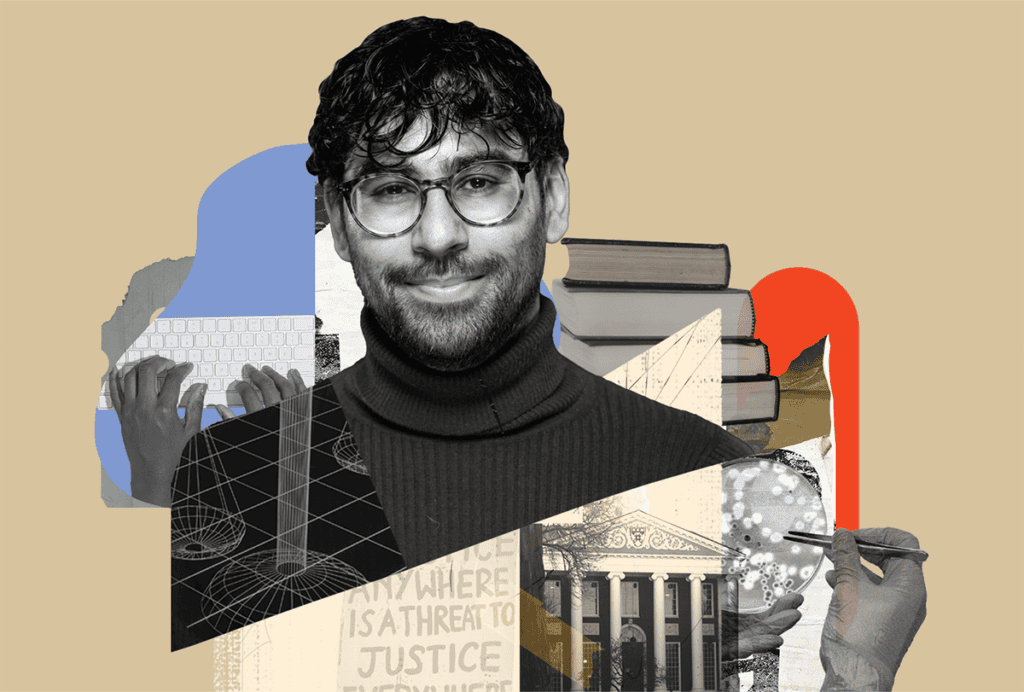
Training graduate students as a teaching professor
Mayank Chugh instructs graduate students in a range of molecular biology techniques at the University of Maryland and carves out time to do metascience research as well.
Training graduate students as a teaching professor
Mayank Chugh instructs graduate students in a range of molecular biology techniques at the University of Maryland and carves out time to do metascience research as well.