Funding and policy
Recent articles
Stories about research grants, funding models and the business of science
Latest
Private initiative makes ‘historic’ investment in autism research
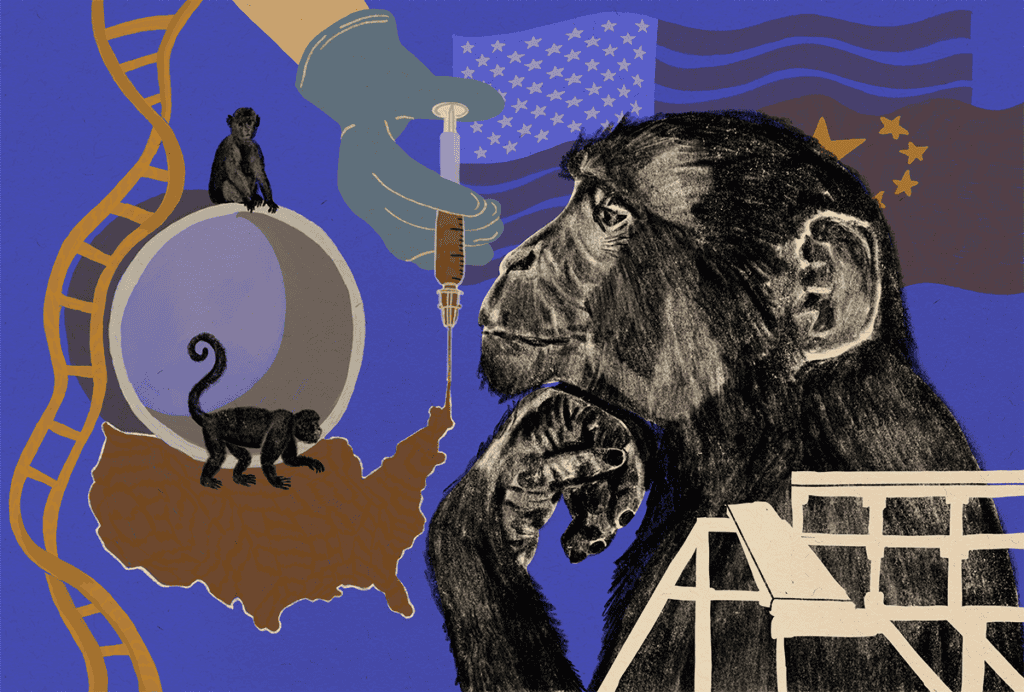
U.S. national primate research centers face an uncertain future

Grant review needs reform. How about we add an element of chance?
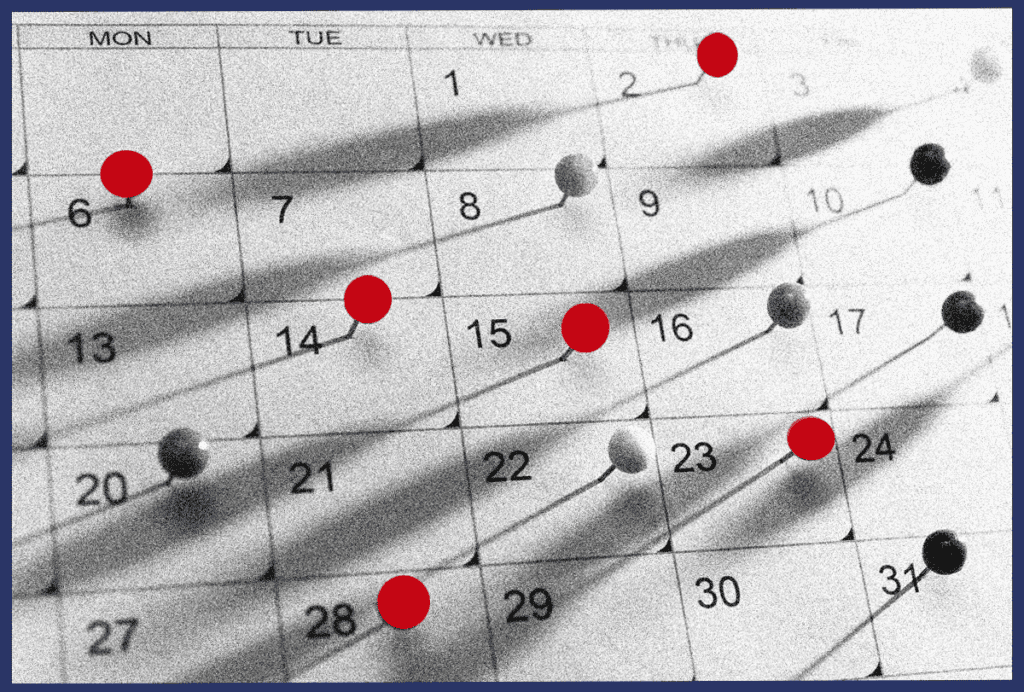
Incredible shrinking grant deadlines at the BRAIN Initiative
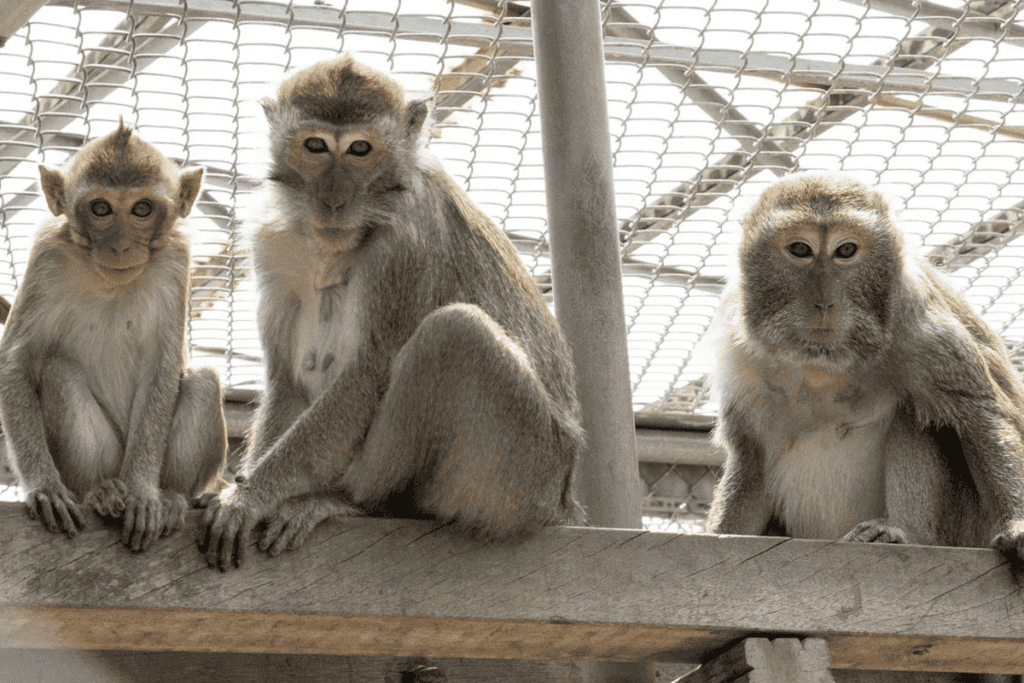
Dutch primate center awaits October animal research debate
Amid funding uncertainty, neuroscientists report a mix of cynicism, persistence
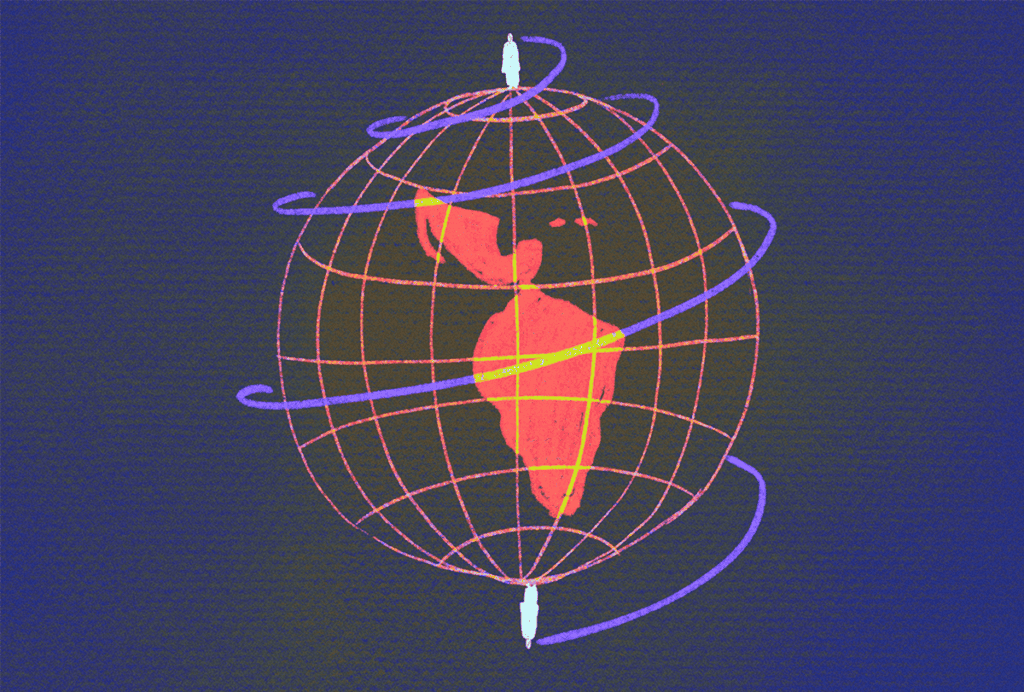



Scientific talent is global. Access to the world’s scientific stage is not.
Neuroscience in Chile, and across Latin America, does not lack talent or ideas, but the systems that make science visible—prestigious journals, conferences and networks—increasingly price its researchers out.
Scientific talent is global. Access to the world’s scientific stage is not.
Neuroscience in Chile, and across Latin America, does not lack talent or ideas, but the systems that make science visible—prestigious journals, conferences and networks—increasingly price its researchers out.

Future remains uncertain for U.S. federal funding of behavioral, cognitive science
The National Science Foundation did not include any solicitations for its social, behavioral and economic sciences directorate in its latest round of funding opportunities, nor replace any outgoing program officers—which poses an existential threat for the program, says nonprofit executive Wendy Naus.
Future remains uncertain for U.S. federal funding of behavioral, cognitive science
The National Science Foundation did not include any solicitations for its social, behavioral and economic sciences directorate in its latest round of funding opportunities, nor replace any outgoing program officers—which poses an existential threat for the program, says nonprofit executive Wendy Naus.
O talento científico é global. O acesso ao cenário científico mundial, não.
A neurociência no Chile e em toda a América Latina não enfrenta falta de talento nem de ideias, mas os sistemas que dão visibilidade à ciência—periódicos de prestígio, conferências e redes—estão cada vez mais fora do alcance financeiro dos pesquisadores.
O talento científico é global. O acesso ao cenário científico mundial, não.
A neurociência no Chile e em toda a América Latina não enfrenta falta de talento nem de ideias, mas os sistemas que dão visibilidade à ciência—periódicos de prestígio, conferências e redes—estão cada vez mais fora do alcance financeiro dos pesquisadores.
El talento científico es global. El acceso al escenario científico mundial, no.
La neurociencia en Chile y a través de Latinoamérica no carece de talento ni ideas, pero los sistemas que hacen la ciencia visible —revistas, conferencias y redes prestigiosas— dejan cada vez más a sus investigadores fuera debido a los costos.
El talento científico es global. El acceso al escenario científico mundial, no.
La neurociencia en Chile y a través de Latinoamérica no carece de talento ni ideas, pero los sistemas que hacen la ciencia visible —revistas, conferencias y redes prestigiosas— dejan cada vez más a sus investigadores fuera debido a los costos.
Neuroscientists weigh in on White House proposal for ‘moonshot infrastructure’ for connectomics
A report from the Trump administration calls for a “new golden age” of science, in which the federal government supports mission-driven collaborations to deliver high returns on research investments.
Neuroscientists weigh in on White House proposal for ‘moonshot infrastructure’ for connectomics
A report from the Trump administration calls for a “new golden age” of science, in which the federal government supports mission-driven collaborations to deliver high returns on research investments.
Explore more from The Transmitter
Commentary: Citation graphs may underestimate neuroscience’s influence on AI
An alternative, albeit less quantitative, way to trace this history is through the people who carried ideas between the fields.
Commentary: Citation graphs may underestimate neuroscience’s influence on AI
An alternative, albeit less quantitative, way to trace this history is through the people who carried ideas between the fields.
Commentary: The rising absolute number of neuro-inspired AI papers represents a substantial footprint
Many of the design choices present in the current generation of artificial-intelligence tools parallel purported properties of the brain.
Commentary: The rising absolute number of neuro-inspired AI papers represents a substantial footprint
Many of the design choices present in the current generation of artificial-intelligence tools parallel purported properties of the brain.
Examining the bridge between neuroscience and AI
A citation analysis reveals that the connection between the two fields is real and gaining momentum. But it’s also narrow and tool-heavy; we need to find ways to widen it.
Examining the bridge between neuroscience and AI
A citation analysis reveals that the connection between the two fields is real and gaining momentum. But it’s also narrow and tool-heavy; we need to find ways to widen it.