SHANK3
Recent articles
Advances in genetic medicine took center stage at INSAR
The president of the Autism Science Foundation and parent of a child with profound autism reflects on how advances in the treatment of rare gene variants bring hope to many families.
Advances in genetic medicine took center stage at INSAR
The president of the Autism Science Foundation and parent of a child with profound autism reflects on how advances in the treatment of rare gene variants bring hope to many families.
Autism-linked perturbations converge on cell skeleton and RNA-binding proteins
The findings solidify the idea that autism-linked mutations affect brain activity by way of several key shared mechanisms.
Autism-linked perturbations converge on cell skeleton and RNA-binding proteins
The findings solidify the idea that autism-linked mutations affect brain activity by way of several key shared mechanisms.
New test taps nose pokes as a proxy for social motivation in mice
Over one hour, a particularly motivated mouse poked its nose 350 times into a hole in the test chamber in the hopes of meeting a playmate.
New test taps nose pokes as a proxy for social motivation in mice
Over one hour, a particularly motivated mouse poked its nose 350 times into a hole in the test chamber in the hopes of meeting a playmate.
Autism’s ties to the cell skeleton
Many genes related to the condition play a role in the internal scaffolding of cells, and cytoskeletal disruptions can affect neurodevelopment and behavior.
Autism’s ties to the cell skeleton
Many genes related to the condition play a role in the internal scaffolding of cells, and cytoskeletal disruptions can affect neurodevelopment and behavior.
On the periphery: Thinking ‘outside the brain’ offers new ideas about autism
Neuronal alterations outside the brain may help to explain a host of the condition’s characteristic traits, including sensory changes, gut problems and motor differences.
On the periphery: Thinking ‘outside the brain’ offers new ideas about autism
Neuronal alterations outside the brain may help to explain a host of the condition’s characteristic traits, including sensory changes, gut problems and motor differences.
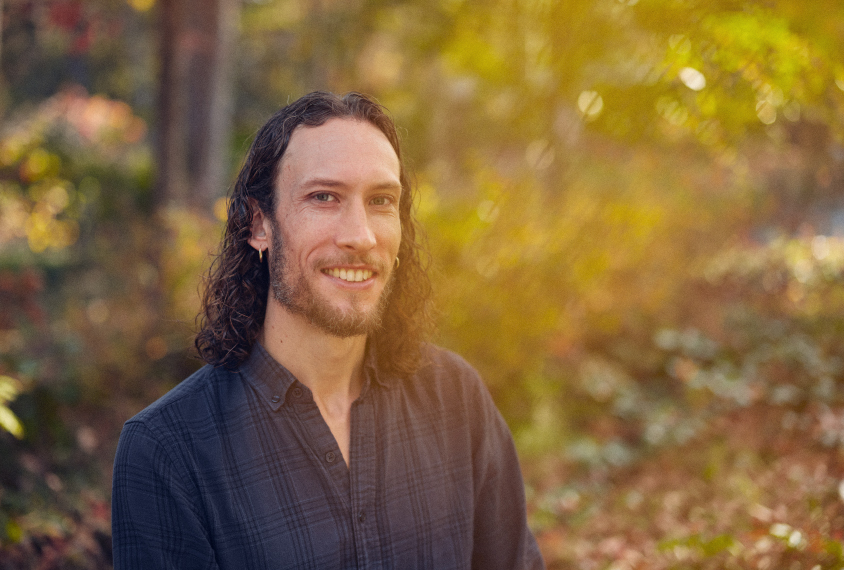
Asleep in the Mouse House with Graham Diering
Memories from Diering’s life trace the rising star’s scientific path from raising lizards as a child and later exploring home brewing to heading a lab that investigates memory, sleep disturbances and early development in animals with autism-linked mutations.
Asleep in the Mouse House with Graham Diering
Memories from Diering’s life trace the rising star’s scientific path from raising lizards as a child and later exploring home brewing to heading a lab that investigates memory, sleep disturbances and early development in animals with autism-linked mutations.
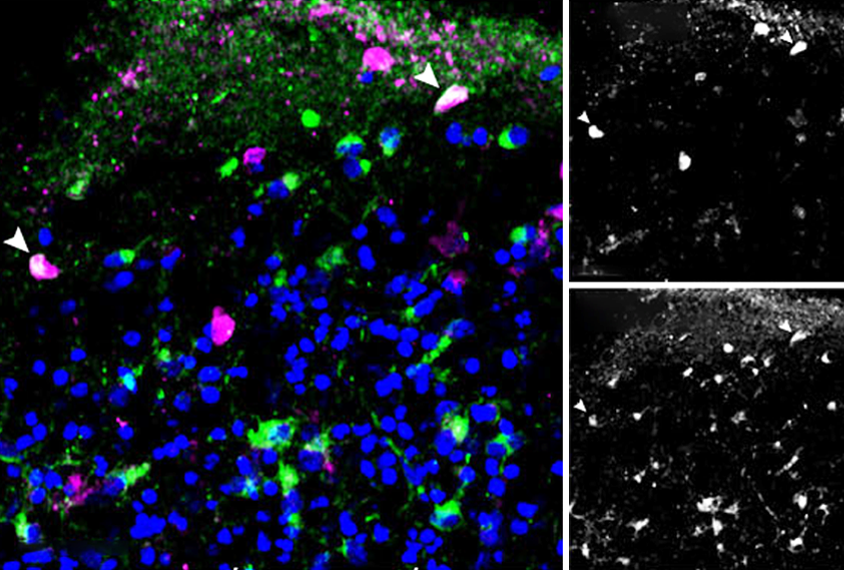
One-rosette technique grows well-organized organoids
The method yields complex organoids that more closely mimic embryonic brain development than do those cultured in other ways.
One-rosette technique grows well-organized organoids
The method yields complex organoids that more closely mimic embryonic brain development than do those cultured in other ways.
Mouse models help sniff out olfactory differences in autism
A range of presentations at Neuroscience 2022 tie atypical social behavior to trouble discriminating between odors in the animals.
Mouse models help sniff out olfactory differences in autism
A range of presentations at Neuroscience 2022 tie atypical social behavior to trouble discriminating between odors in the animals.
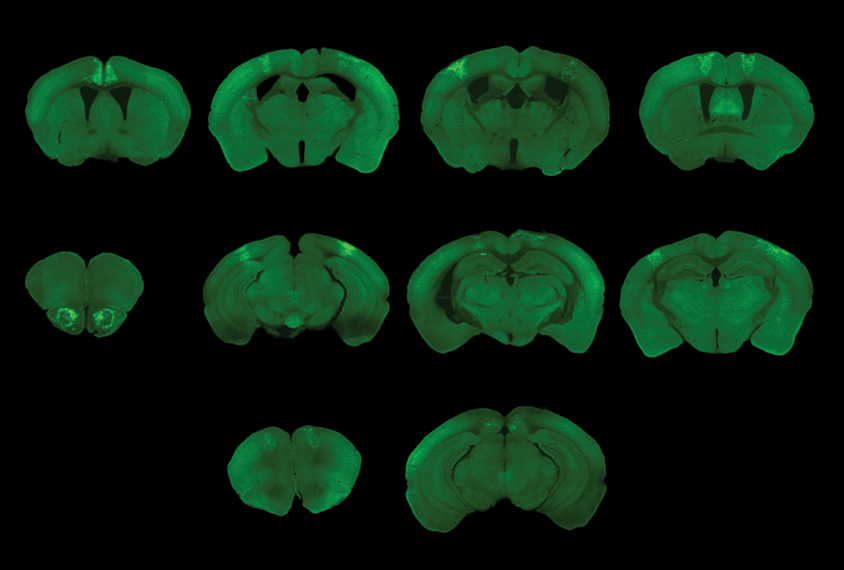
Double SHANK knockout highlights brain circuit’s social role
Mice missing the autism-linked SHANK2 and SHANK3 genes in their retrosplenial cortex have trouble distinguishing between novel and familiar mice.
Double SHANK knockout highlights brain circuit’s social role
Mice missing the autism-linked SHANK2 and SHANK3 genes in their retrosplenial cortex have trouble distinguishing between novel and familiar mice.
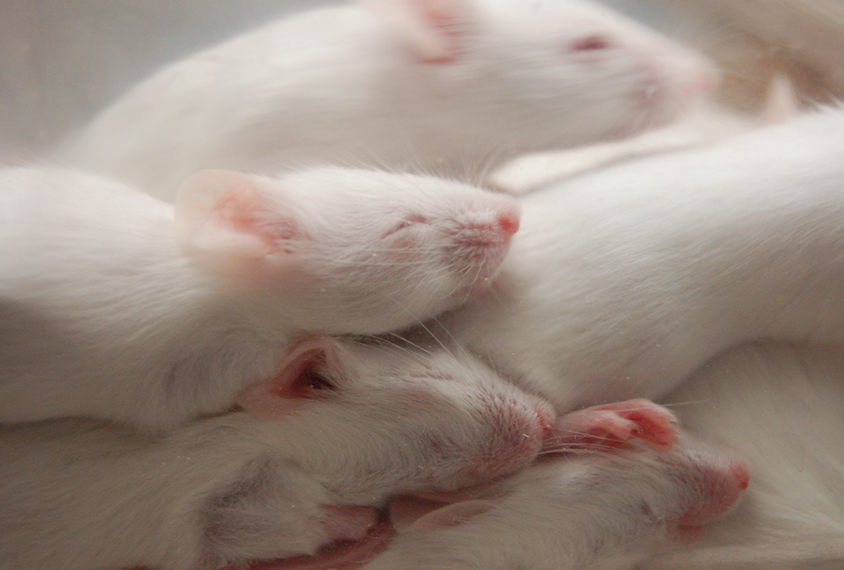
Lost sleep sparks lasting social problems in SHANK3 mice
Sleep disruption early in life has long-lasting consequences for mice missing a copy of the autism-linked gene SHANK3.
Lost sleep sparks lasting social problems in SHANK3 mice
Sleep disruption early in life has long-lasting consequences for mice missing a copy of the autism-linked gene SHANK3.
Explore more from The Transmitter
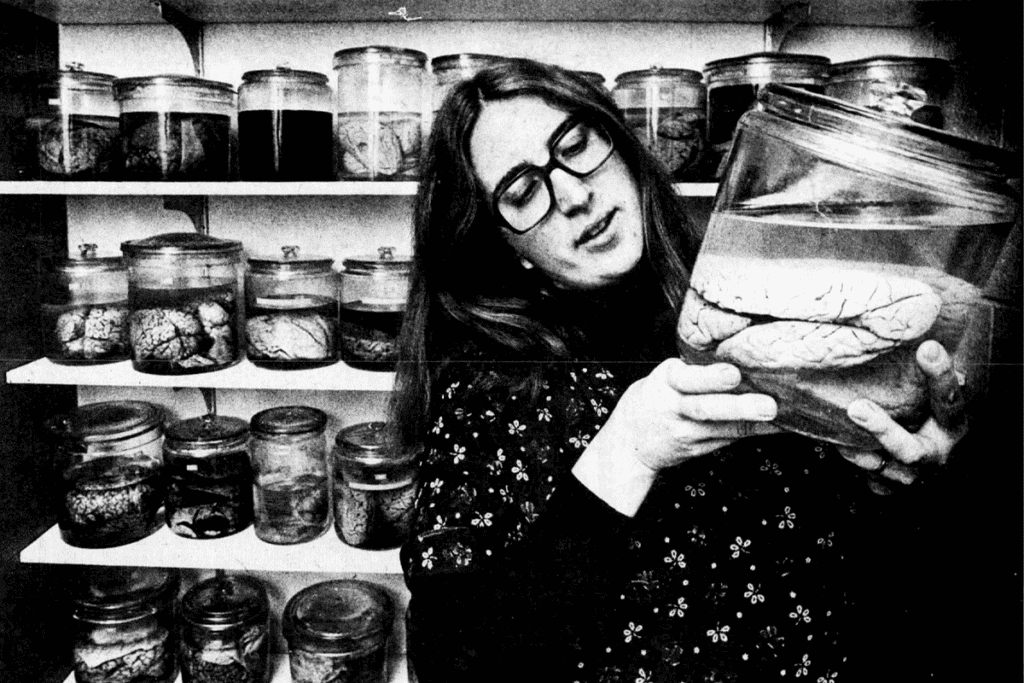
Remembering Barbara Finlay, ‘maverick’ of evolutionary neuroscience
Finlay, who died on 12 September, championed the idea that developmental constraints dictate how evolution sculpts brains, a concept she used to model the timing of hundreds of events and align them across mammalian species.
Remembering Barbara Finlay, ‘maverick’ of evolutionary neuroscience
Finlay, who died on 12 September, championed the idea that developmental constraints dictate how evolution sculpts brains, a concept she used to model the timing of hundreds of events and align them across mammalian species.
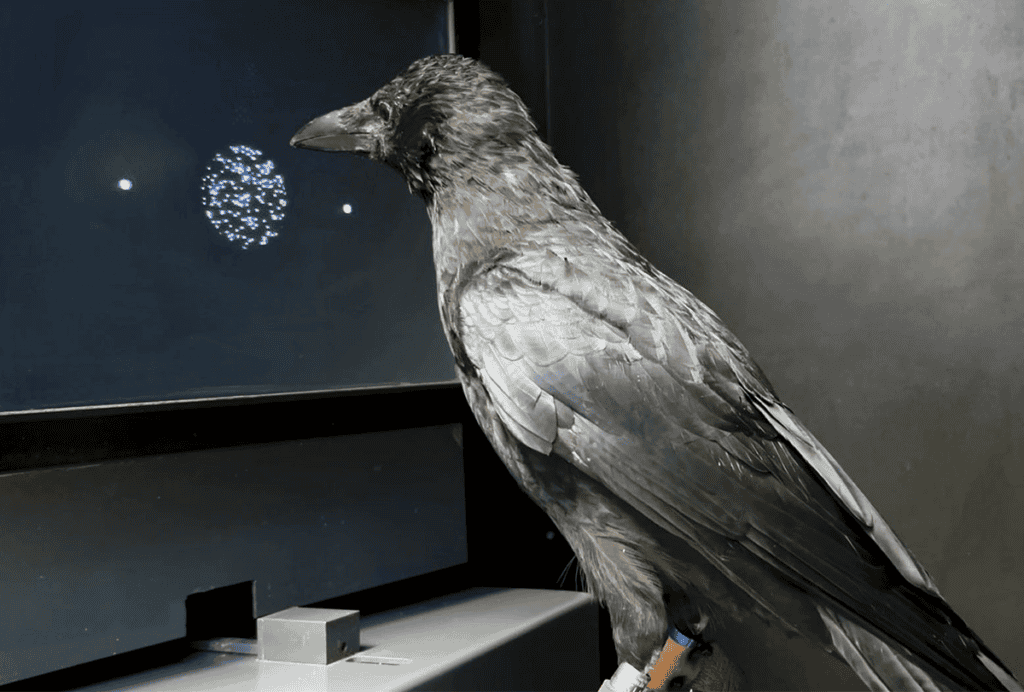
Crows have brains ‘in the fast lane’
The birds accurately complete decision-making tasks twice as fast as primates, although their endbrains look considerably different.
Crows have brains ‘in the fast lane’
The birds accurately complete decision-making tasks twice as fast as primates, although their endbrains look considerably different.
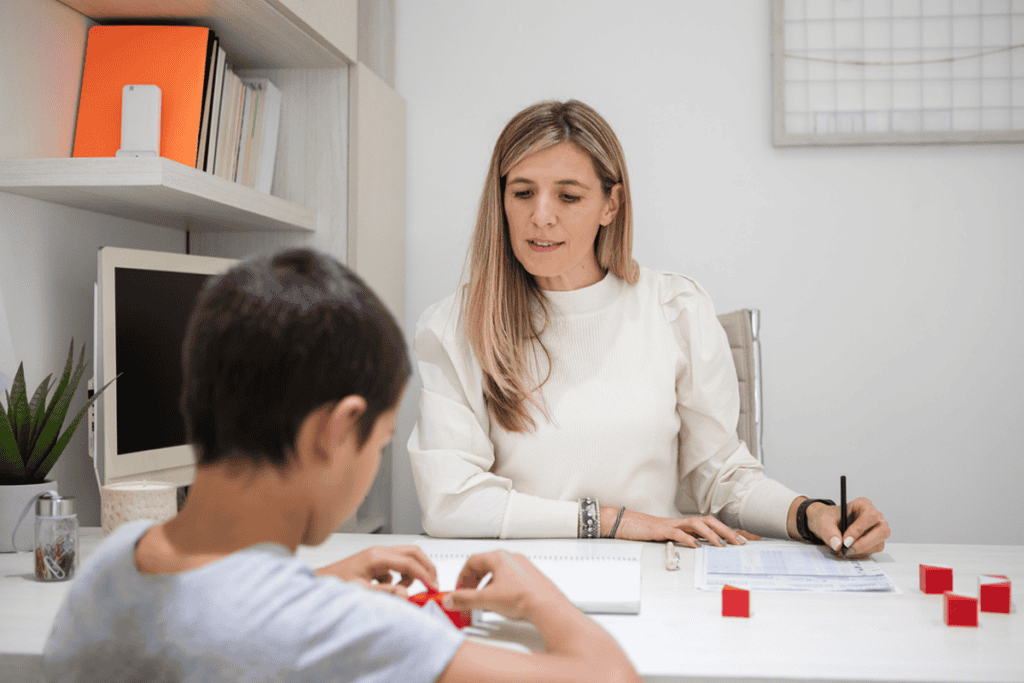
Prevalence of profound autism declines with new definition
The updated, more precise definition used in a CDC study includes adaptive scores.
Prevalence of profound autism declines with new definition
The updated, more precise definition used in a CDC study includes adaptive scores.