Biomarkers
Recent articles
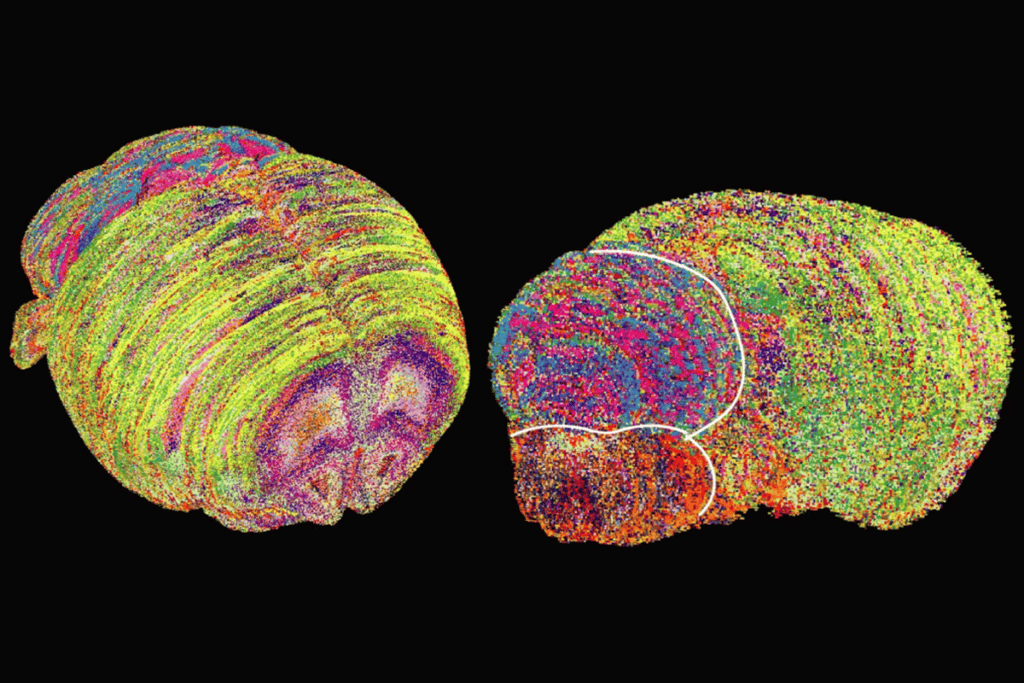
Lipids enter brain mapping limelight
Two new studies, including the first whole-brain lipid atlas in mice, uncover unforeseen complexity and influence during pregnancy and aging.
Lipids enter brain mapping limelight
Two new studies, including the first whole-brain lipid atlas in mice, uncover unforeseen complexity and influence during pregnancy and aging.
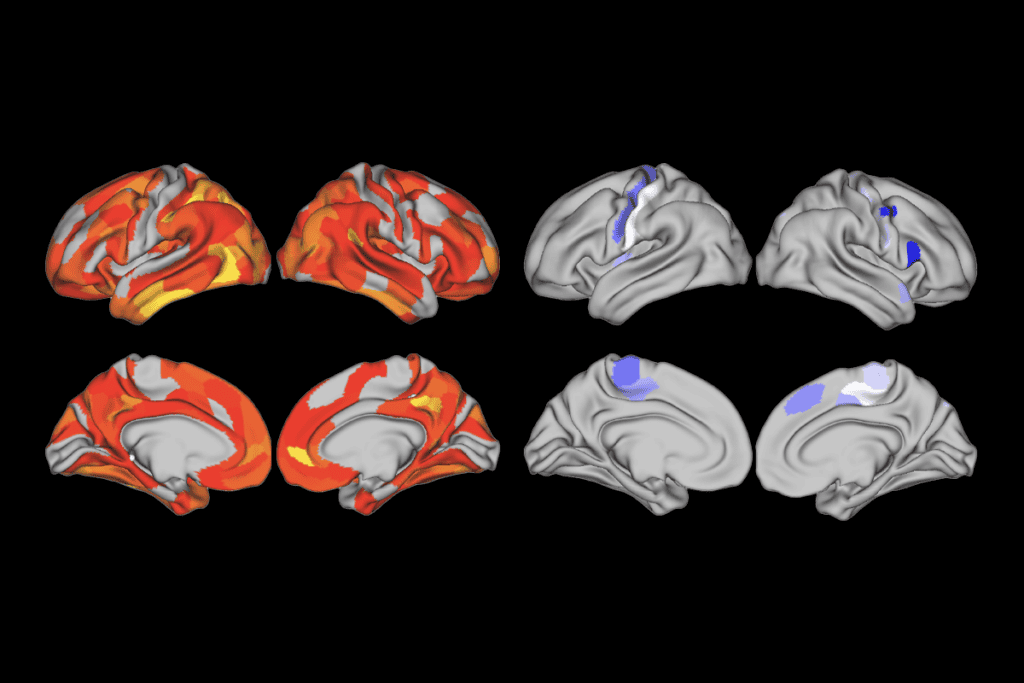
Brain’s sex differences are subtle and contradictory, large MRI study finds
Sex-based behavioral differences do not match with variations in brain activation or structure in a study of almost 1,000 people.
Brain’s sex differences are subtle and contradictory, large MRI study finds
Sex-based behavioral differences do not match with variations in brain activation or structure in a study of almost 1,000 people.

Reporter’s notebook: Highlights from INSAR 2026
At the 25th annual meeting of the International Society for Autism Research, scientists, clinicians and self-advocates gathered to discuss topics such as autism genetics and the gap between clinical trials and real-world benefits.
Reporter’s notebook: Highlights from INSAR 2026
At the 25th annual meeting of the International Society for Autism Research, scientists, clinicians and self-advocates gathered to discuss topics such as autism genetics and the gap between clinical trials and real-world benefits.
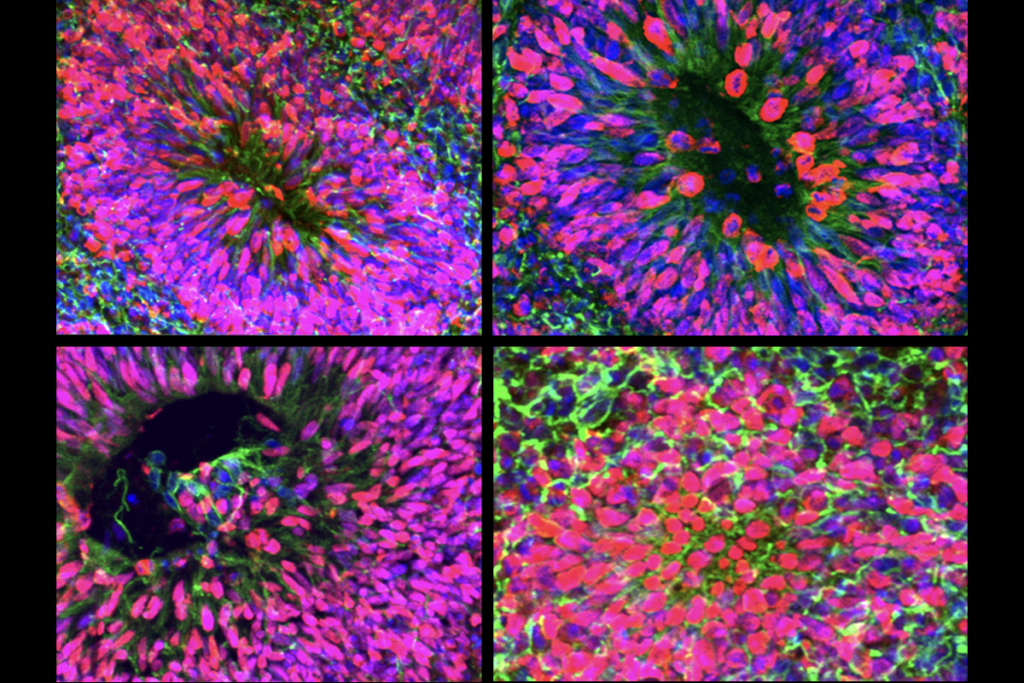
New organoid atlas unveils four neurodevelopmental signatures
The comprehensive resource details data on microcephaly, polymicrogyria, epilepsy and intellectual disability from 352 people.
New organoid atlas unveils four neurodevelopmental signatures
The comprehensive resource details data on microcephaly, polymicrogyria, epilepsy and intellectual disability from 352 people.
Going against the gut: Q&A with Kevin Mitchell on the autism-microbiome theory
A new review of 15 years of studies on the connection between the microbiome and autism reveals widespread statistical and conceptual errors.
Going against the gut: Q&A with Kevin Mitchell on the autism-microbiome theory
A new review of 15 years of studies on the connection between the microbiome and autism reveals widespread statistical and conceptual errors.

Sounding the alarm on pseudoreplication: Q&A with Constantinos Eleftheriou and Peter Kind
Most studies of neurological disorders in mice erroneously treat multiple samples from a single animal as independent replicates, according to a new analysis. But scientists and journals can take steps to curb this practice.
Molecular changes after MECP2 loss may drive Rett syndrome traits
Knocking out the gene in adult mice triggered up- and down-regulated expression of myriad genes weeks before there were changes in neuronal function.
Molecular changes after MECP2 loss may drive Rett syndrome traits
Knocking out the gene in adult mice triggered up- and down-regulated expression of myriad genes weeks before there were changes in neuronal function.
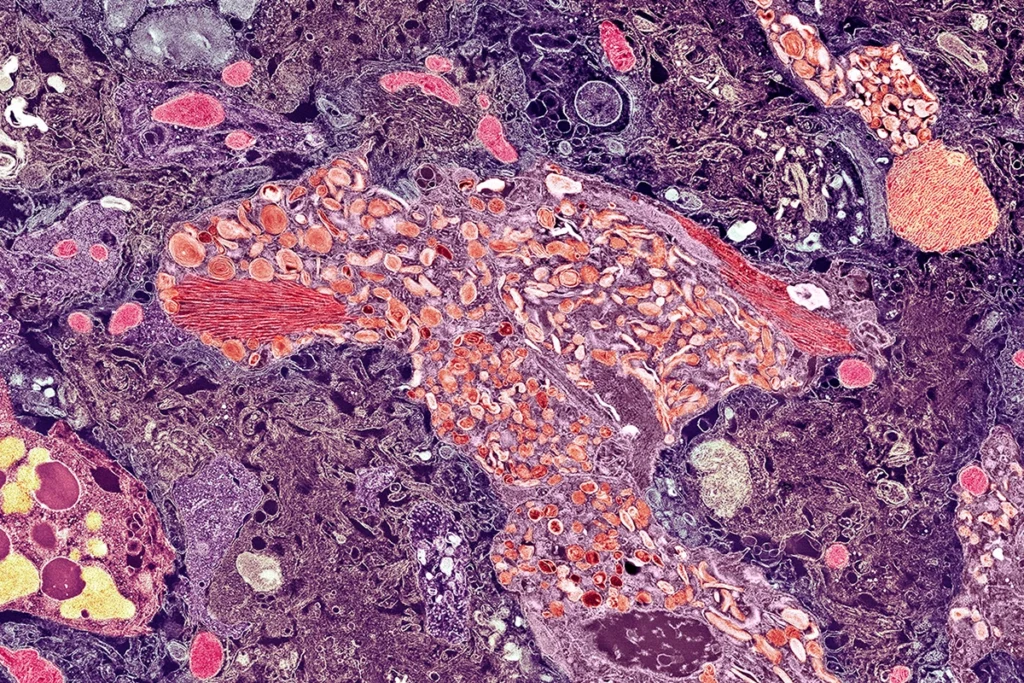
Skeptics challenge claims of Alzheimer’s disease transmission via growth hormone
Some people who received cadaver-derived human growth hormone may not have Alzheimer’s as previously suggested, according to a new Perspective article.
Skeptics challenge claims of Alzheimer’s disease transmission via growth hormone
Some people who received cadaver-derived human growth hormone may not have Alzheimer’s as previously suggested, according to a new Perspective article.
A genetics-first clinic for catching developmental conditions early: Q&A with Jacob Vorstman
A new clinic is assessing children who have a genetic predisposition for autism and other neurodevelopmental conditions—sometimes before traits appear.
A genetics-first clinic for catching developmental conditions early: Q&A with Jacob Vorstman
A new clinic is assessing children who have a genetic predisposition for autism and other neurodevelopmental conditions—sometimes before traits appear.

Data access changes to UK Biobank stir unease in neuroscientists
“I feel a little bit in limbo,” says neuroscientist Stephanie Noble, who has paused a study using Biobank data after the repository shifted from a data download to a cloud-only access model.
Data access changes to UK Biobank stir unease in neuroscientists
“I feel a little bit in limbo,” says neuroscientist Stephanie Noble, who has paused a study using Biobank data after the repository shifted from a data download to a cloud-only access model.
Explore more from The Transmitter
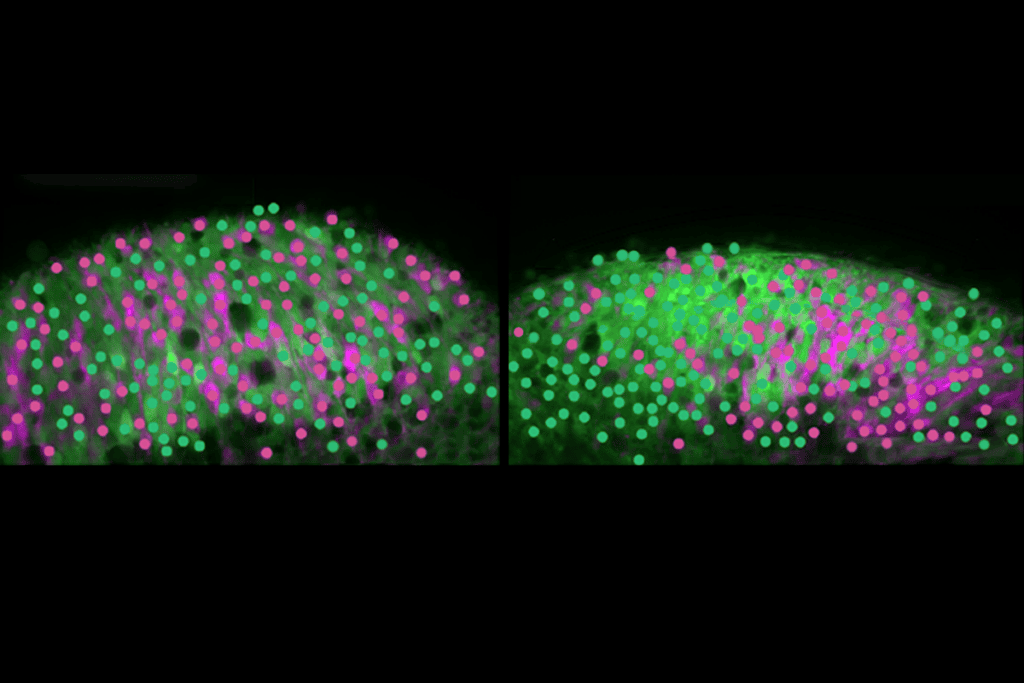
Noncoding role of FMR1 transcripts; and more
Here is a roundup of autism-related news and research spotted around the web for the week of 23 November.
Noncoding role of FMR1 transcripts; and more
Here is a roundup of autism-related news and research spotted around the web for the week of 23 November.
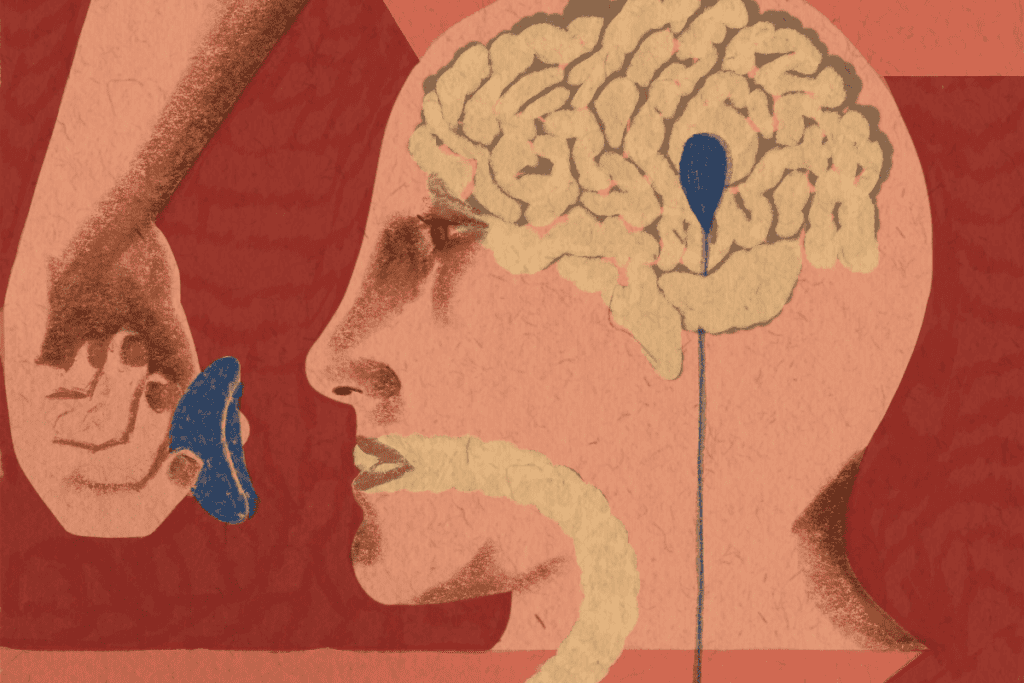
New pathway helps brain clock food’s nutritional content
Specialized neurons trigger dopamine release outside the canonical dopamine signaling areas to associate flavors with nutrients.
New pathway helps brain clock food’s nutritional content
Specialized neurons trigger dopamine release outside the canonical dopamine signaling areas to associate flavors with nutrients.
Hidden connections in the thalamus: Mapping the electrical synapses of the brain’s attentional gate
New research uses a light-based mapping technique to show that electrical synapses persist in the adult thalamic reticular nucleus, where they link neurons selectively, reach farther than anyone had previously measured, and join together cell types that serve separate streams of sensory information.