Circuits
Recent articles

How Nobel Prize-winning optogenetics has revolutionized neuroscience
The technique has enabled neuroscientists to target brain circuits and cells with unprecedented specificity, transforming the study of memory, interoception, brain disorders and reward, among other domains.
How Nobel Prize-winning optogenetics has revolutionized neuroscience
The technique has enabled neuroscientists to target brain circuits and cells with unprecedented specificity, transforming the study of memory, interoception, brain disorders and reward, among other domains.
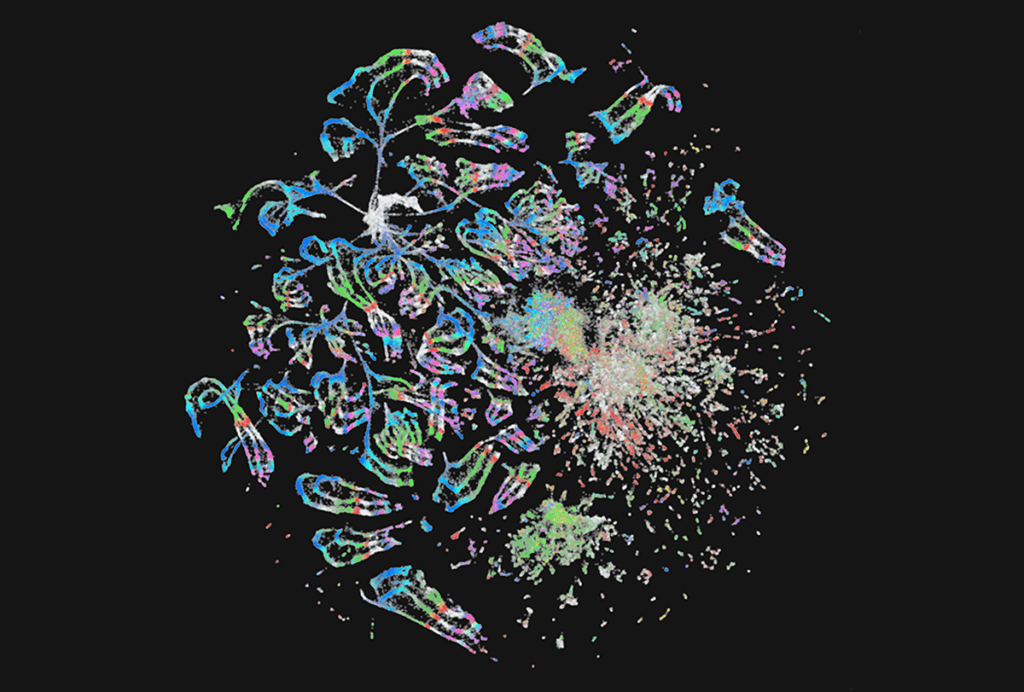
Fly neurons carry molecular signatures of their origins
The pattern of transcription factors a Drosophila neuron expresses offers clues to its lineage and birth order—and ultimately how neural circuits emerge.
Fly neurons carry molecular signatures of their origins
The pattern of transcription factors a Drosophila neuron expresses offers clues to its lineage and birth order—and ultimately how neural circuits emerge.
Brainstem neurons add new element to ‘already complex’ anxiety circuitry
Precise optogenetic modulation of a medullary neuron population reveals their role in anxiety-like behaviors.
Brainstem neurons add new element to ‘already complex’ anxiety circuitry
Precise optogenetic modulation of a medullary neuron population reveals their role in anxiety-like behaviors.

In memoriam: Howard Fields, pain research pioneer
Over six decades, Fields mapped out the circuits of both pain and addiction.
In memoriam: Howard Fields, pain research pioneer
Over six decades, Fields mapped out the circuits of both pain and addiction.
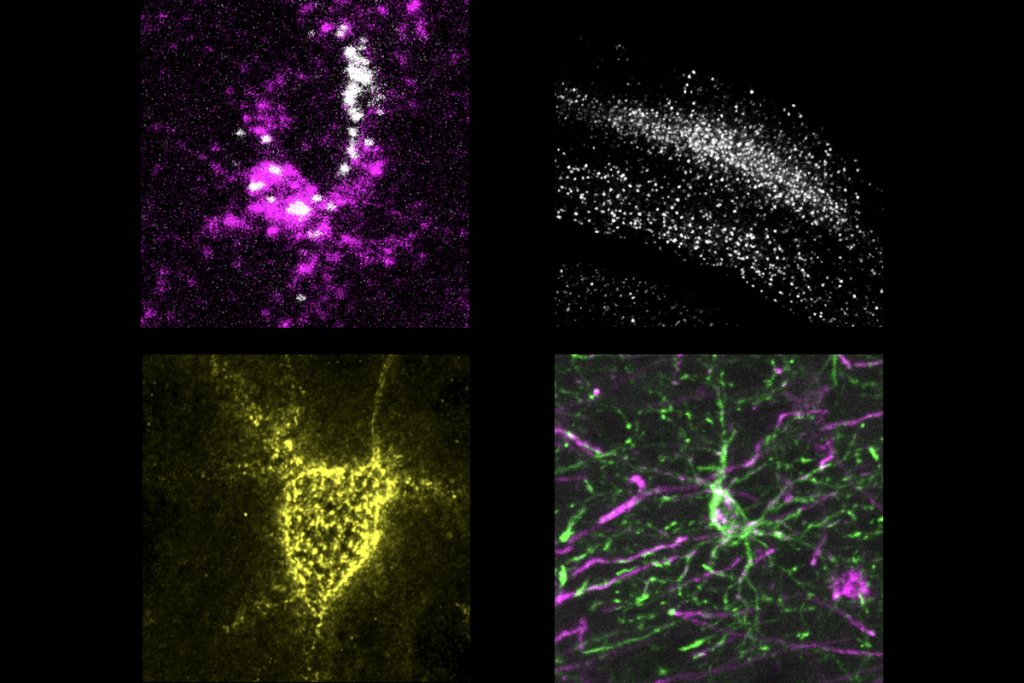
Astrocytes stabilize circuits in adult mouse brain
The glial cells secrete a protein that suppresses plasticity post-development.
Astrocytes stabilize circuits in adult mouse brain
The glial cells secrete a protein that suppresses plasticity post-development.
The best of ‘this paper changed my life’ in 2025
From a study that upended astrocyte research to one that reignited the field of spiking neural networks, experts weighed in on the papers that significantly shaped how they think about and approach neuroscience.
The best of ‘this paper changed my life’ in 2025
From a study that upended astrocyte research to one that reignited the field of spiking neural networks, experts weighed in on the papers that significantly shaped how they think about and approach neuroscience.
What should the field prioritize over the next 10 years?
Respondents pointed to a range of challenges in basic neuroscience—such as understanding naturalistic behaviors, intelligence and embodied cognition—and called for more circuit-level research, more precise brain recordings and more work in alternative models. Just as many pushed for a translational pivot.
What should the field prioritize over the next 10 years?
Respondents pointed to a range of challenges in basic neuroscience—such as understanding naturalistic behaviors, intelligence and embodied cognition—and called for more circuit-level research, more precise brain recordings and more work in alternative models. Just as many pushed for a translational pivot.
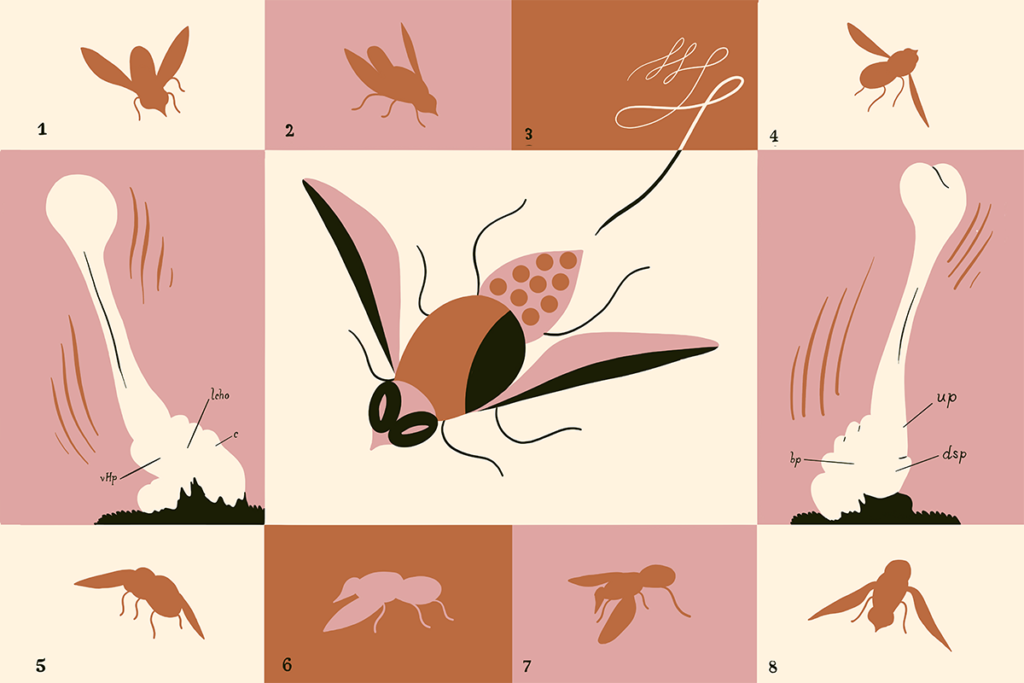
This paper changed my life: Bradley Dickerson on how a 1940s fly neuroanatomy paper influences his research to this day
This classic paper by zoologist John Pringle describes the haltere—a small structure in flies that plays a crucial role in flight control. It taught me to think about circuits and behavior as greater than the sum of their parts.
This paper changed my life: Bradley Dickerson on how a 1940s fly neuroanatomy paper influences his research to this day
This classic paper by zoologist John Pringle describes the haltere—a small structure in flies that plays a crucial role in flight control. It taught me to think about circuits and behavior as greater than the sum of their parts.
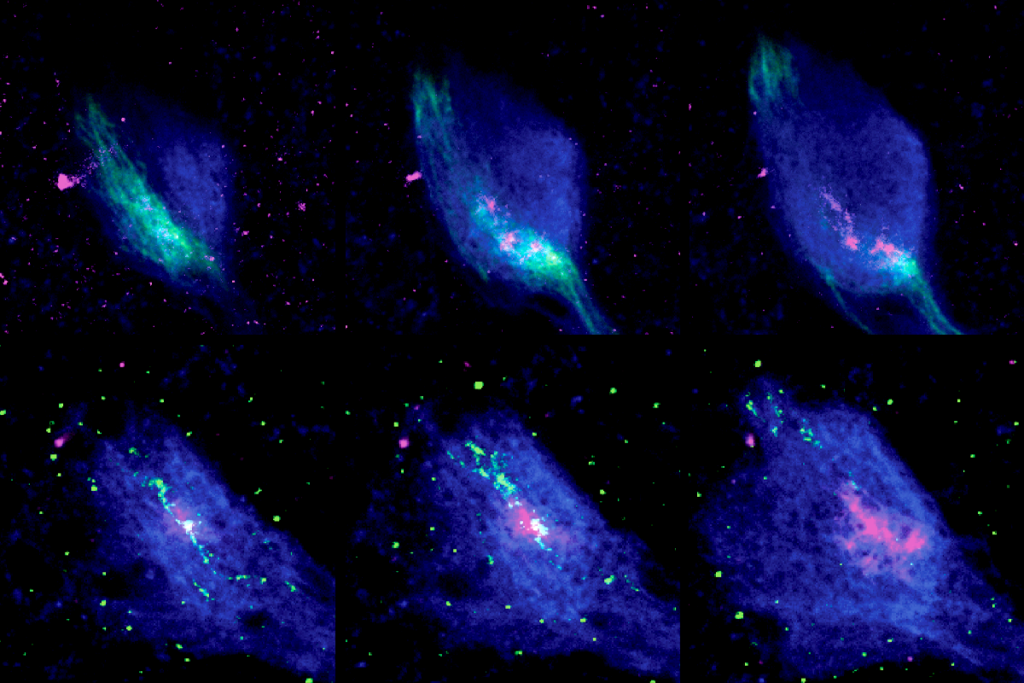
How developing neurons simplify their search for a synaptic mate
Streamlining the problem from 3D to 1D eases the expedition—a strategy the study investigators deployed to rewire an olfactory circuit in flies.
How developing neurons simplify their search for a synaptic mate
Streamlining the problem from 3D to 1D eases the expedition—a strategy the study investigators deployed to rewire an olfactory circuit in flies.
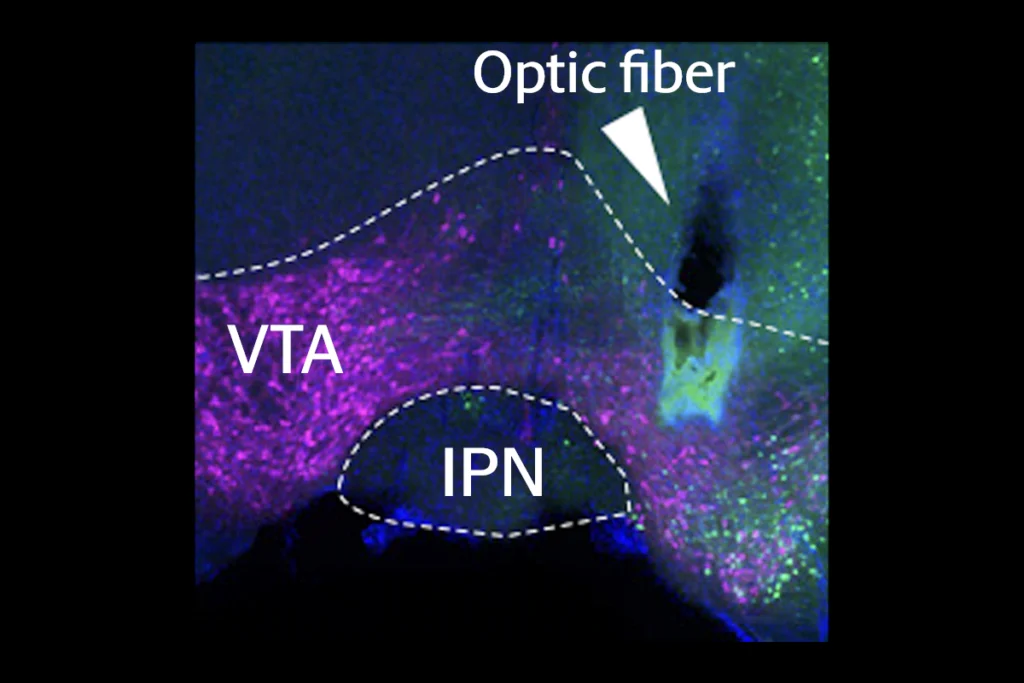
‘Understudied secret’ in brain dampens nicotine drive in mice
The interpeduncular nucleus produces an aversion to nicotine, even at low doses, and helps moderate how rewarding mice find the drug.
‘Understudied secret’ in brain dampens nicotine drive in mice
The interpeduncular nucleus produces an aversion to nicotine, even at low doses, and helps moderate how rewarding mice find the drug.
Explore more from The Transmitter
Is it time for neuroscience to shift its focus from a computational mind to a navigating mind?
Andrea Hiott explains her navigational approach to the mind, and why now is the time to embrace seemingly paradoxical findings in neuroscience.
Is it time for neuroscience to shift its focus from a computational mind to a navigating mind?
Andrea Hiott explains her navigational approach to the mind, and why now is the time to embrace seemingly paradoxical findings in neuroscience.
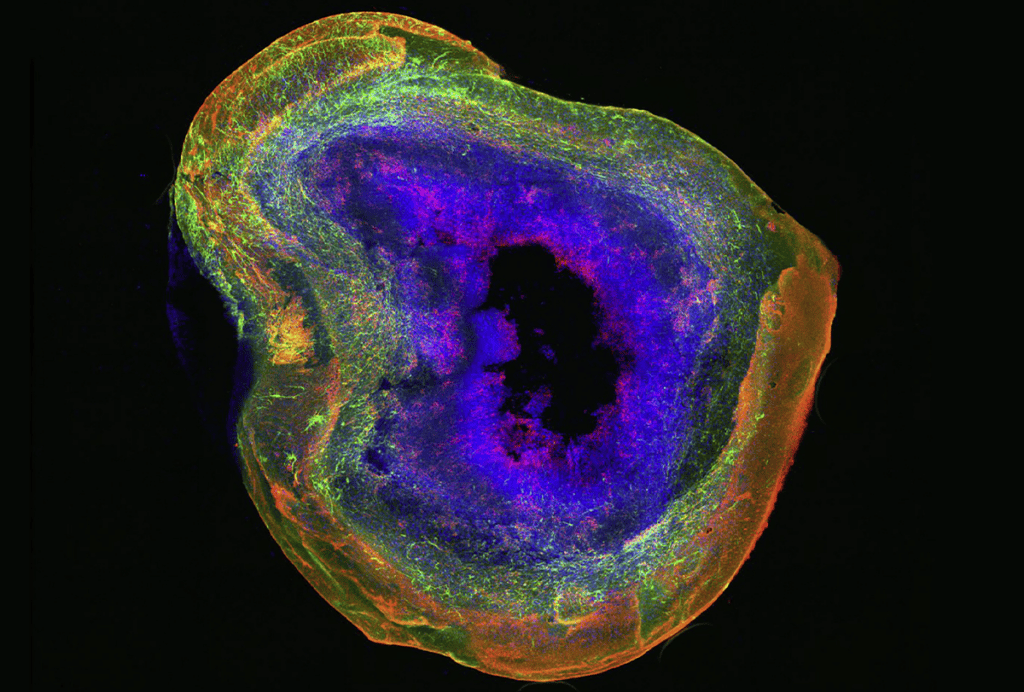
Human brain organoids come of age—but still have room to grow
The U.S. government has touted organoids as an alternative to animals for studying the brain. The model has improved since its debut in 2013, but scientists are still working to overcome key limitations: immaturity, consistency and the lack of vascularization.
Human brain organoids come of age—but still have room to grow
The U.S. government has touted organoids as an alternative to animals for studying the brain. The model has improved since its debut in 2013, but scientists are still working to overcome key limitations: immaturity, consistency and the lack of vascularization.
Finding neuroheterogeneity’s sweet spot
Once thought to be detrimental to memory processing, neuronal diversity—at the right ‘Goldilocks’ dose—is a new boon to theoretical neuroscience.
Finding neuroheterogeneity’s sweet spot
Once thought to be detrimental to memory processing, neuronal diversity—at the right ‘Goldilocks’ dose—is a new boon to theoretical neuroscience.