Artificial intelligence
Recent articles
Explore how neuroscientists are thinking about—and applying—artificial intelligence.
Latest
How does a control theorist explain cognition?
How, when and why to use agentic AI in our neuroscience labs
The Transmitter’s favorite essays of 2025
Breaking the jar: Why NeuroAI needs embodiment

The BabyLM Challenge: In search of more efficient learning algorithms, researchers look to infants

Why expertise won’t protect you from AI’s influence
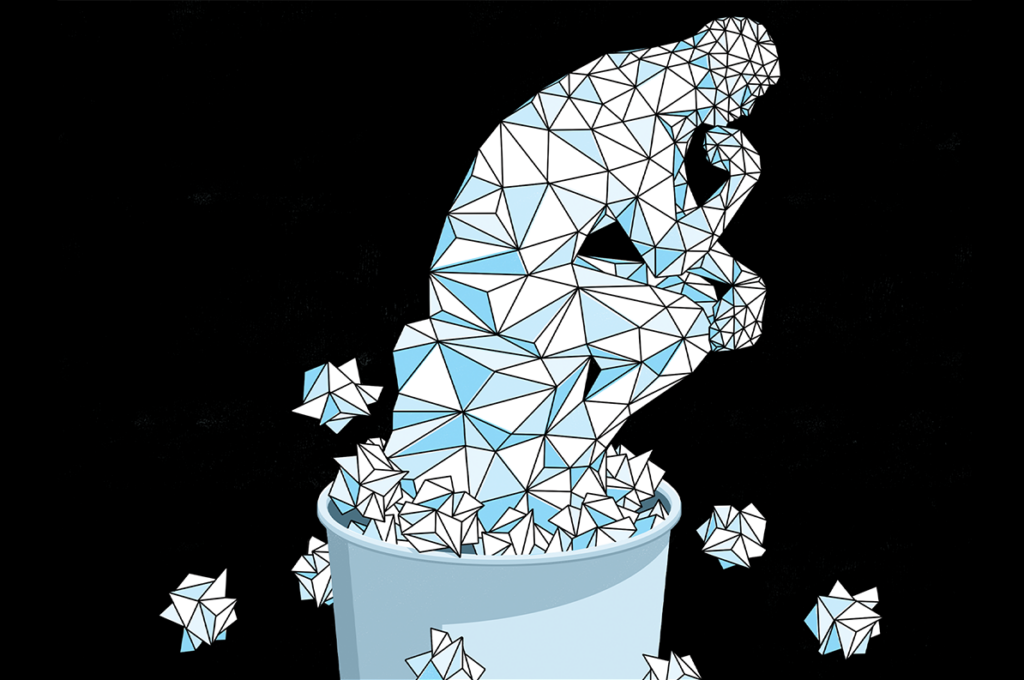
Betting blind on AI and the scientific mind

From bench to bot: Why AI-powered writing may not deliver on its promise
— TIM REQUARTH, DIRECTOR OF GRADUATE SCIENCE WRITING, RESEARCH ASSISTANT PROFESSOR OF NEUROSCIENCE AND PHYSIOLOGY, NYU GROSSMAN SCHOOL OF MEDICINE Read more
AI-assisted coding: 10 simple rules to maintain scientific rigor
How neuroscientists are using AI
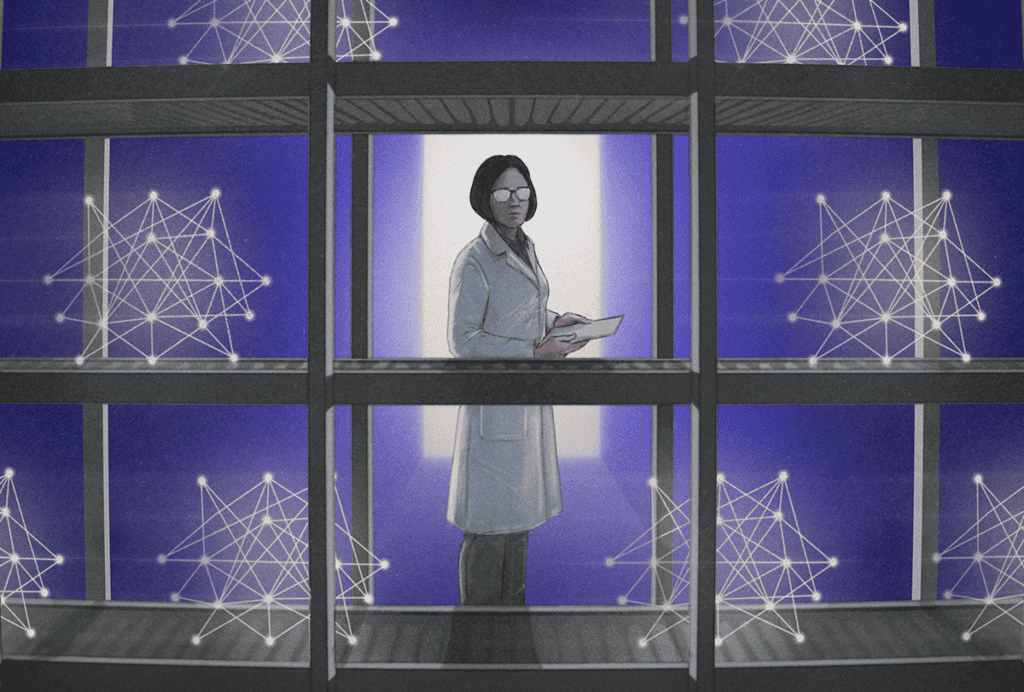
Mass-produced science is coming. What happens to scientists?
Artificial intelligence may soon enable researchers to generate high-quality science at a previously unimaginable speed. For science consumers—the public, medical patients, technology users—the likely effects will be positive. For scientists, the effects will be as disruptive as industrial mass production was for artisan manufacturers.
Mass-produced science is coming. What happens to scientists?
Artificial intelligence may soon enable researchers to generate high-quality science at a previously unimaginable speed. For science consumers—the public, medical patients, technology users—the likely effects will be positive. For scientists, the effects will be as disruptive as industrial mass production was for artisan manufacturers.
How to use artificial intelligence to strengthen scientific processes and scholarly output
As AI-driven systems are integrated into all aspects of science, we need to make sure that they read and write to a shared data and knowledge space.
How to use artificial intelligence to strengthen scientific processes and scholarly output
As AI-driven systems are integrated into all aspects of science, we need to make sure that they read and write to a shared data and knowledge space.

Scientists decry conference’s use of hidden prompts to snare AI peer reviews
The invisible messages, which instruct large language models to use telltale phrases in a peer-review report, are effective in catching artificial-intelligence misuse but also erode trust, some say.
Scientists decry conference’s use of hidden prompts to snare AI peer reviews
The invisible messages, which instruct large language models to use telltale phrases in a peer-review report, are effective in catching artificial-intelligence misuse but also erode trust, some say.
Johannes Jaeger explains why we should care that brains and AI are not the same
From single cells to whole organisms, living beings must continuously regenerate themselves and judge what's important to continue living. Artificial intelligence does not and cannot.
Johannes Jaeger explains why we should care that brains and AI are not the same
From single cells to whole organisms, living beings must continuously regenerate themselves and judge what's important to continue living. Artificial intelligence does not and cannot.
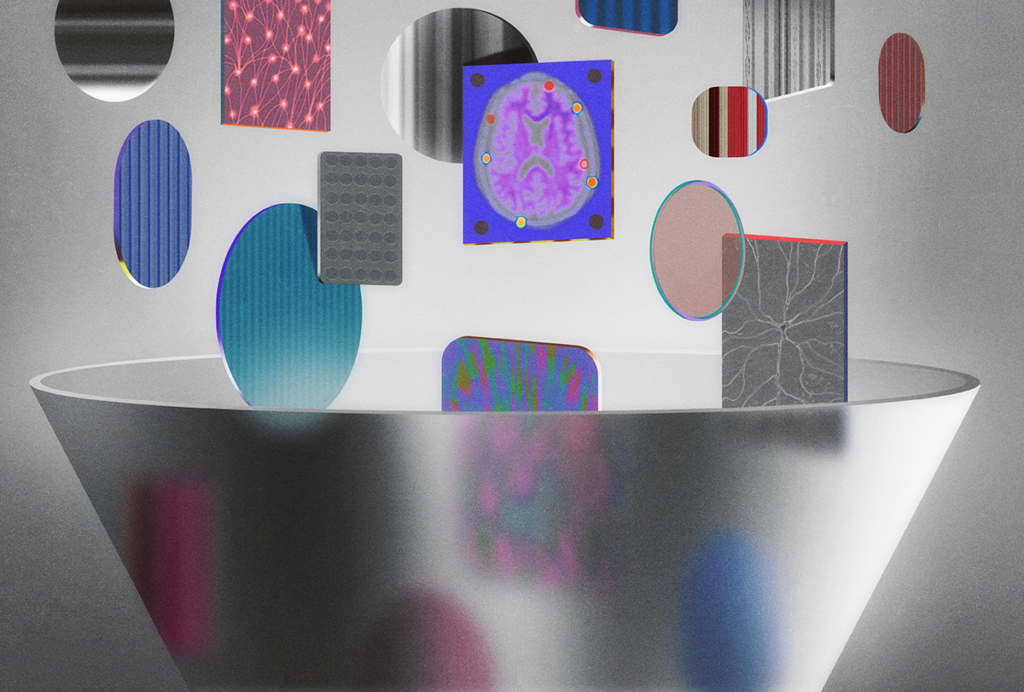
AI can’t solve the brain without data that fit together
The brain's first foundation models exist because some areas of neuroscience did the slow work of developing and adopting standards to help integrate data. Artificial intelligence cannot do that work for us.
AI can’t solve the brain without data that fit together
The brain's first foundation models exist because some areas of neuroscience did the slow work of developing and adopting standards to help integrate data. Artificial intelligence cannot do that work for us.
Explore more from The Transmitter
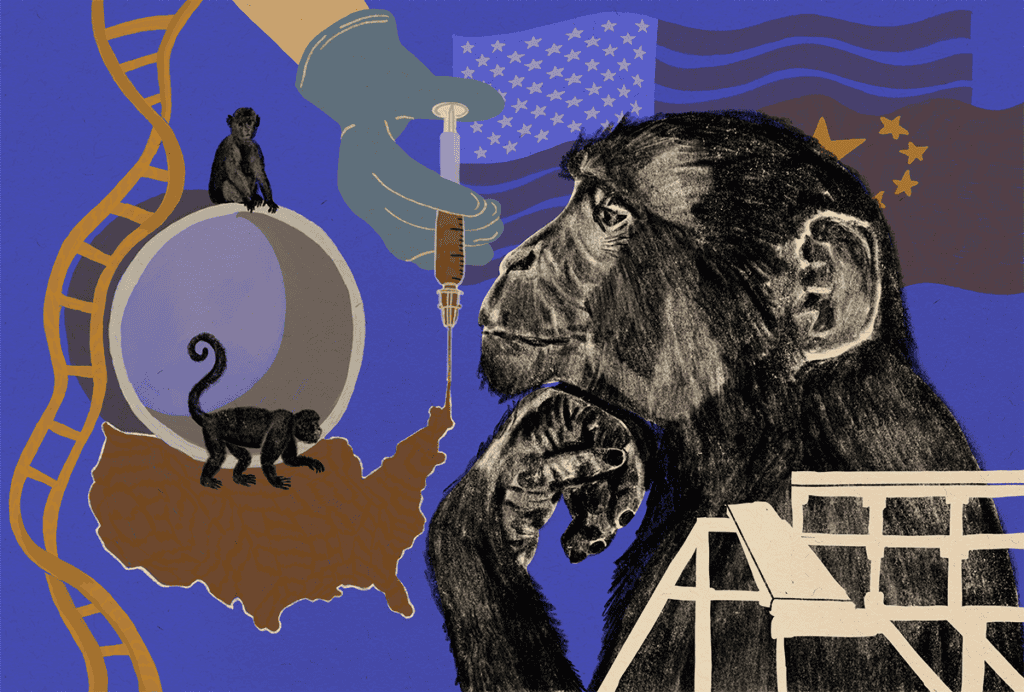
U.S. national primate research centers face an uncertain future
The facilities were meant to last 100 years. Four decades shy of that mark, amid flatlined funds and mounting political pressure, their directors are trying to find a path forward.
U.S. national primate research centers face an uncertain future
The facilities were meant to last 100 years. Four decades shy of that mark, amid flatlined funds and mounting political pressure, their directors are trying to find a path forward.
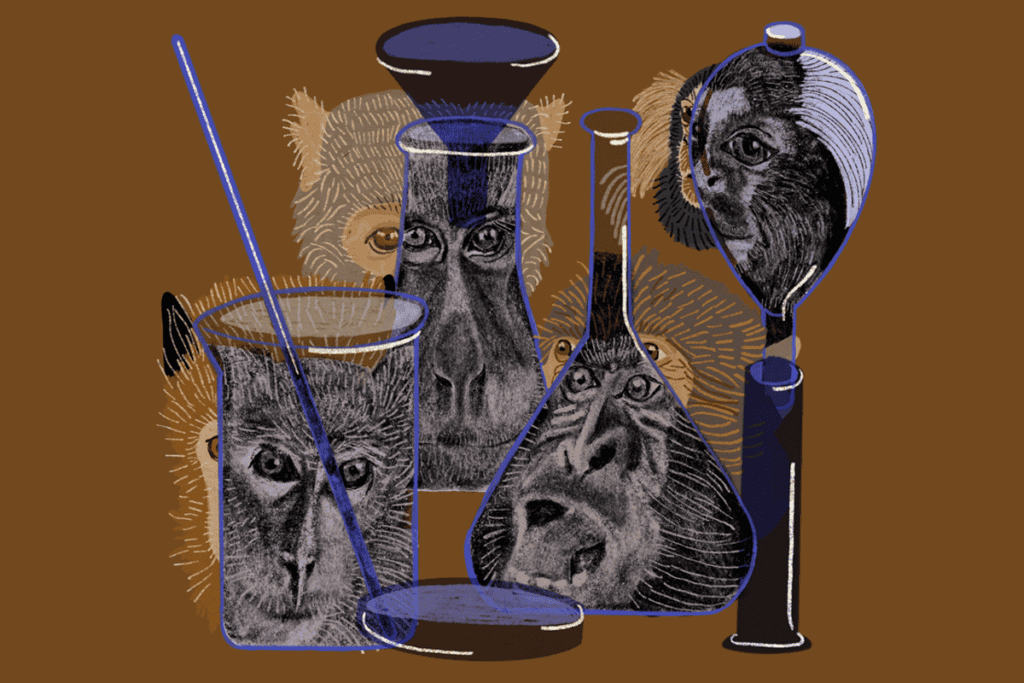
What if nonhuman primate research goes away?
As the U.S. government takes steps to stop using nonhuman primates in research, The Transmitter investigates what that shift could mean for neuroscience.
What if nonhuman primate research goes away?
As the U.S. government takes steps to stop using nonhuman primates in research, The Transmitter investigates what that shift could mean for neuroscience.
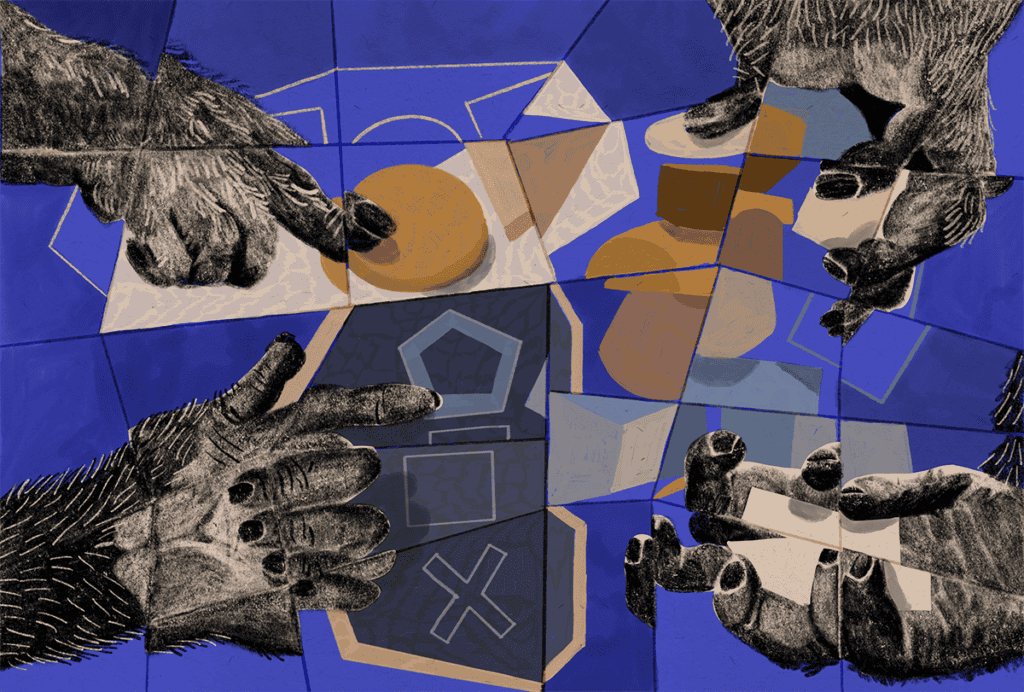
The neuroscience questions that need nonhuman primates
The Transmitter asked 17 neuroscientists what questions might remain unanswered if support for nonhuman primate research continues to decline.
The neuroscience questions that need nonhuman primates
The Transmitter asked 17 neuroscientists what questions might remain unanswered if support for nonhuman primate research continues to decline.