Audio research news
Recent articles
The latest audio stories from The Transmitter
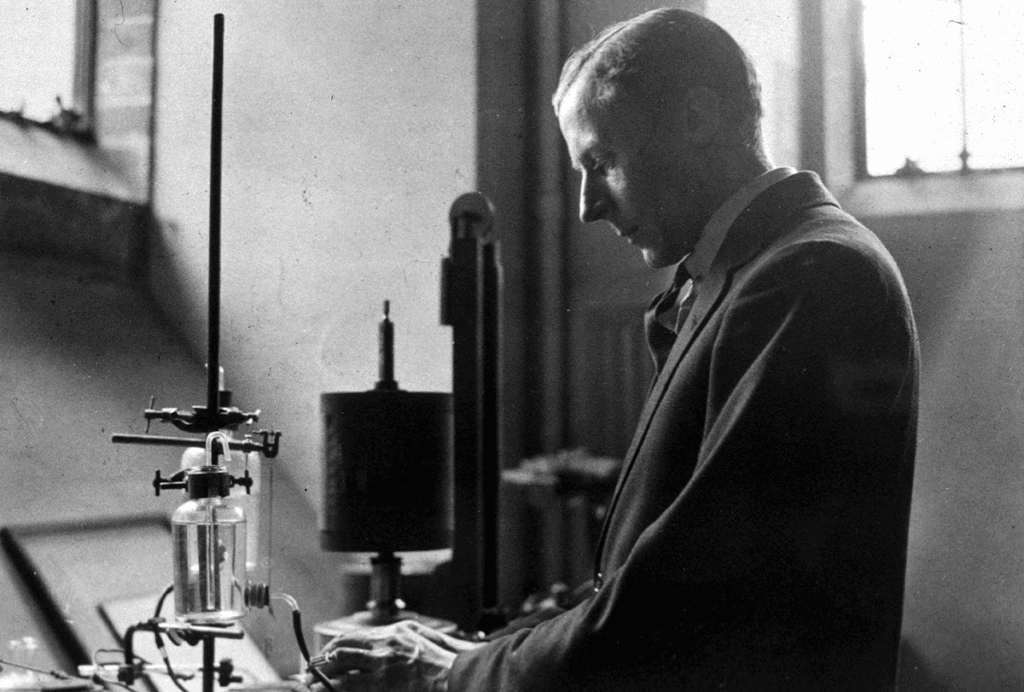
The neural code at 100
In two 1926 articles, Edgar Douglas Adrian revealed that neurons communicate through trains of spikes.
The neural code at 100
In two 1926 articles, Edgar Douglas Adrian revealed that neurons communicate through trains of spikes.
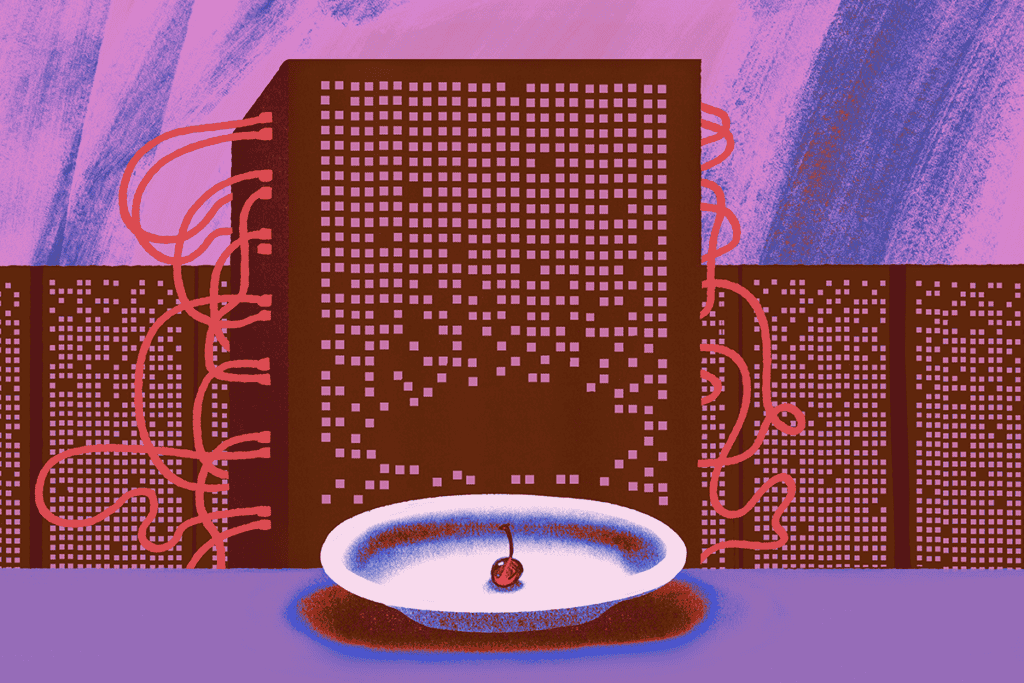
What AI can learn from hunger
To enhance AI safety, take a lesson from biological brains; a small set of wants maintains durable control over a much larger cognitive system.
What AI can learn from hunger
To enhance AI safety, take a lesson from biological brains; a small set of wants maintains durable control over a much larger cognitive system.
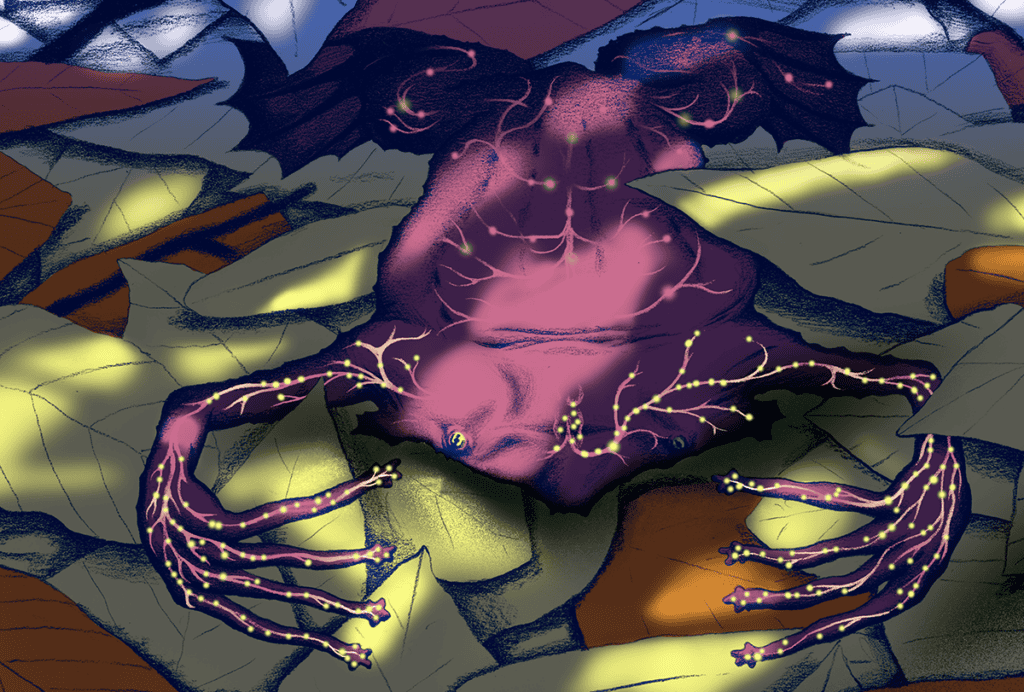
How the pipa frog hunts prey by touch
Each of the frog’s eight fingers branches into 16 ultra-sensitive tips, which together function as a fovea—potentially the first demonstration of this type of sensory structure outside of mammals.
How the pipa frog hunts prey by touch
Each of the frog’s eight fingers branches into 16 ultra-sensitive tips, which together function as a fovea—potentially the first demonstration of this type of sensory structure outside of mammals.
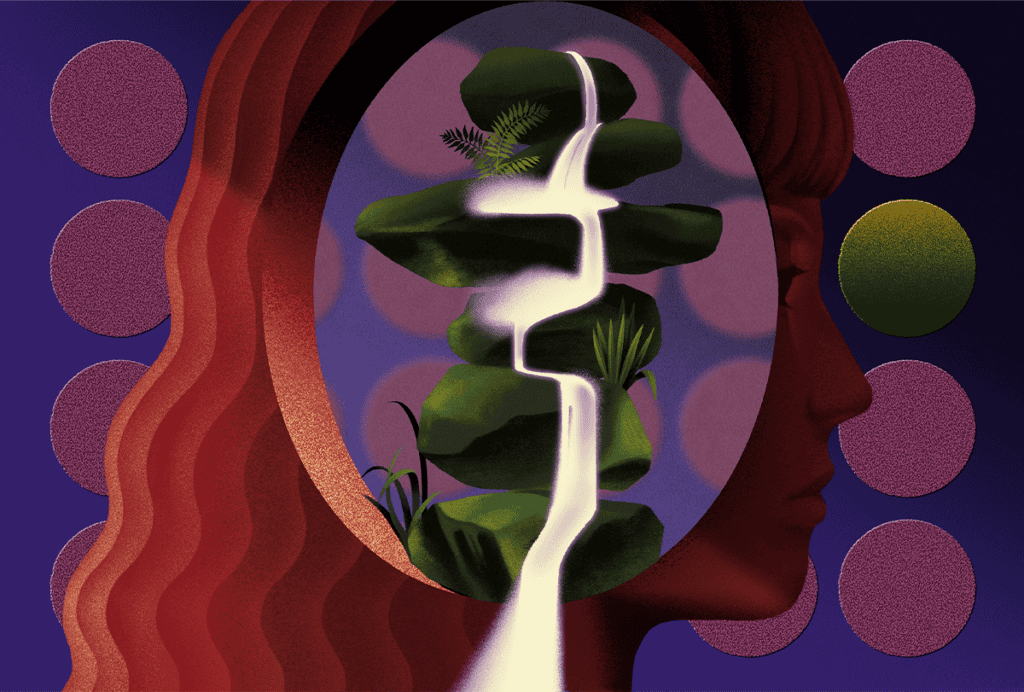
Revisiting the neural correlates of consciousness
Life happens in real time, but experience may be composed in ragtime—like the music genre, full of offbeat notes and uneven rhythms. The assumption that waking life consists of a “stream” of conscious representations has inadvertently led consciousness science to its current impasse.
Revisiting the neural correlates of consciousness
Life happens in real time, but experience may be composed in ragtime—like the music genre, full of offbeat notes and uneven rhythms. The assumption that waking life consists of a “stream” of conscious representations has inadvertently led consciousness science to its current impasse.

Grant review needs reform. How about we add an element of chance?
A process that uses a lottery system saves time, reduces strategic resubmission and accepts that, above a quality threshold, luck has always played a part in science funding.
Grant review needs reform. How about we add an element of chance?
A process that uses a lottery system saves time, reduces strategic resubmission and accepts that, above a quality threshold, luck has always played a part in science funding.
This paper changed my life: Transformative work in addiction neuroscience
A 2011 Nature study found that loss of a nicotinic receptor subunit leads to increased nicotine intake in mice. The work set the standard for how to functionally validate genetic association study findings in neuroscience.
This paper changed my life: Transformative work in addiction neuroscience
A 2011 Nature study found that loss of a nicotinic receptor subunit leads to increased nicotine intake in mice. The work set the standard for how to functionally validate genetic association study findings in neuroscience.

Building brain-computer interfaces at a neurotech company
At Blackrock Neurotech, Spencer Kellis develops implantable devices that help people with brain and spinal cord conditions communicate, move and more.
Building brain-computer interfaces at a neurotech company
At Blackrock Neurotech, Spencer Kellis develops implantable devices that help people with brain and spinal cord conditions communicate, move and more.
Infant memories: Lost but not gone?
Infantile amnesia is not simply a story about forgetting the past. It is an opportunity to understand how memory itself is built.
Infant memories: Lost but not gone?
Infantile amnesia is not simply a story about forgetting the past. It is an opportunity to understand how memory itself is built.
Neuromechanical models deepen our understanding of animal motor control
Thanks to recent progress in physics-based simulators and robotics, it has never been easier for neuroscientists to use neuromechanical modeling to test hypotheses about animal movement.
Neuromechanical models deepen our understanding of animal motor control
Thanks to recent progress in physics-based simulators and robotics, it has never been easier for neuroscientists to use neuromechanical modeling to test hypotheses about animal movement.
Dimensionality—neuroscience’s red herring?
Placing too much emphasis on a specific interpretation of dimensionality, or treating it as an end-all quantification of some aspect of neural computation, may hinder progress in understanding the brain.
Dimensionality—neuroscience’s red herring?
Placing too much emphasis on a specific interpretation of dimensionality, or treating it as an end-all quantification of some aspect of neural computation, may hinder progress in understanding the brain.
Explore more from The Transmitter
Is it time for neuroscience to shift its focus from a computational mind to a navigating mind?
Andrea Hiott explains her navigational approach to the mind, and why now is the time to embrace seemingly paradoxical findings in neuroscience.
Is it time for neuroscience to shift its focus from a computational mind to a navigating mind?
Andrea Hiott explains her navigational approach to the mind, and why now is the time to embrace seemingly paradoxical findings in neuroscience.
Human brain organoids come of age—but still have room to grow
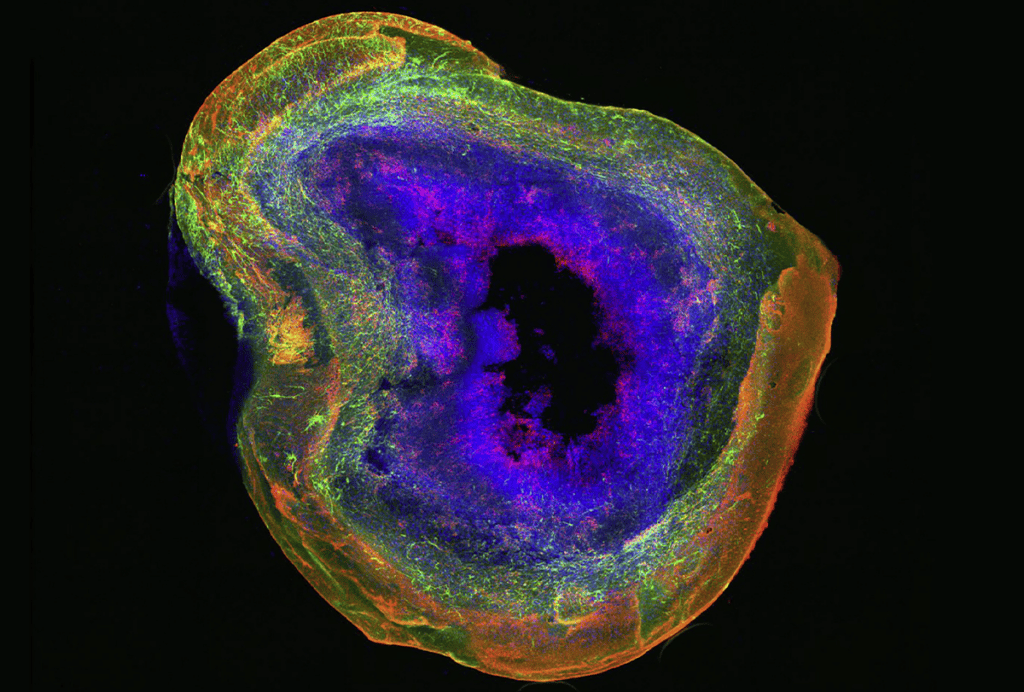
The U.S. government has touted organoids as an alternative to animals for studying the brain. The model has improved since its debut in 2013, but scientists are still working to overcome key limitations: immaturity, consistency and the lack of vascularization.
Human brain organoids come of age—but still have room to grow
The U.S. government has touted organoids as an alternative to animals for studying the brain. The model has improved since its debut in 2013, but scientists are still working to overcome key limitations: immaturity, consistency and the lack of vascularization.
Finding neuroheterogeneity’s sweet spot
Once thought to be detrimental to memory processing, neuronal diversity—at the right ‘Goldilocks’ dose—is a new boon to theoretical neuroscience.
Finding neuroheterogeneity’s sweet spot
Once thought to be detrimental to memory processing, neuronal diversity—at the right ‘Goldilocks’ dose—is a new boon to theoretical neuroscience.