Learning and memory
Recent articles
‘Completely new learning mechanism’ drives navigation in fruit flies
The neuromodulator octopamine, the insect counterpart to norepinephrine, helps flies get their bearings in an unfamiliar environment.
‘Completely new learning mechanism’ drives navigation in fruit flies
The neuromodulator octopamine, the insect counterpart to norepinephrine, helps flies get their bearings in an unfamiliar environment.
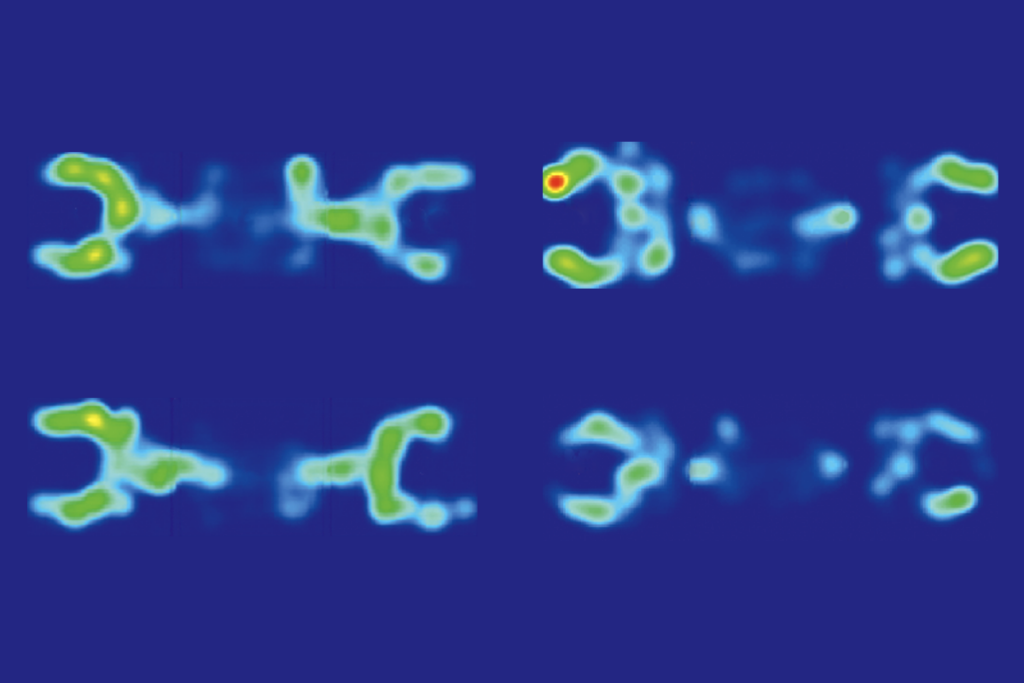
Noncoding RNA sways core autism traits in mice
Small deletions in an X-linked RNA alter social and repetitive behaviors in male mice without broadly affecting learning or memory.
Noncoding RNA sways core autism traits in mice
Small deletions in an X-linked RNA alter social and repetitive behaviors in male mice without broadly affecting learning or memory.
Neuroscience needs single-synapse studies
Studying individual synapses has the potential to help neuroscientists develop new theories, better understand brain disorders and reevaluate 70 years of work on synaptic transmission plasticity.
Neuroscience needs single-synapse studies
Studying individual synapses has the potential to help neuroscientists develop new theories, better understand brain disorders and reevaluate 70 years of work on synaptic transmission plasticity.
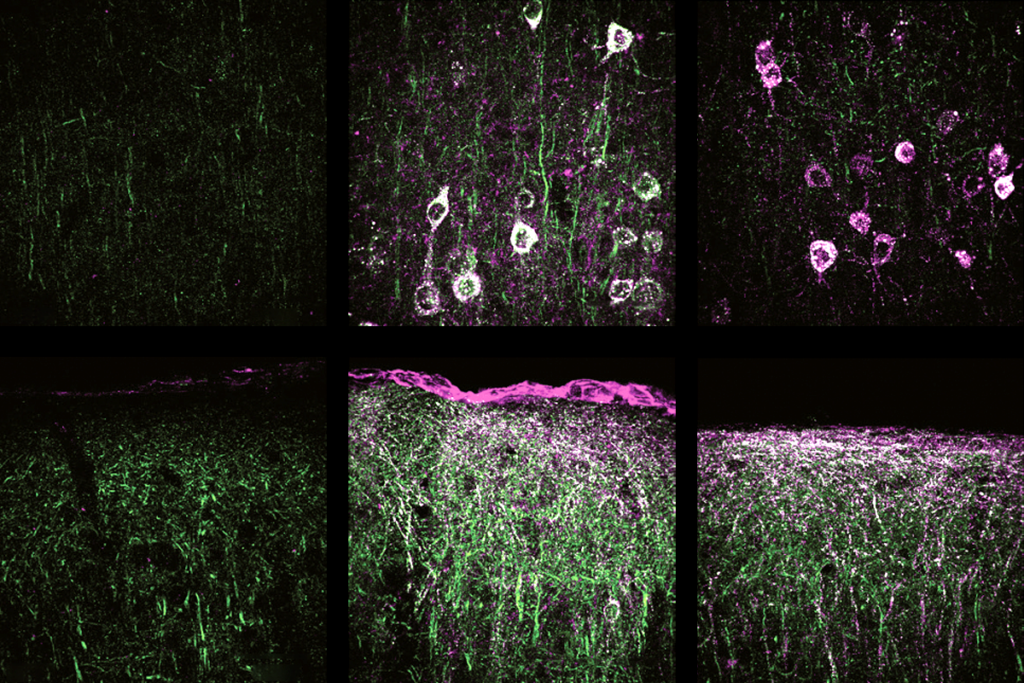
Gene replacement therapy normalizes some traits in SYNGAP1 model mice
The first published virus-based gene therapy for SYNGAP1 deletion yields benefits despite the gene’s long length and complexity.
Gene replacement therapy normalizes some traits in SYNGAP1 model mice
The first published virus-based gene therapy for SYNGAP1 deletion yields benefits despite the gene’s long length and complexity.
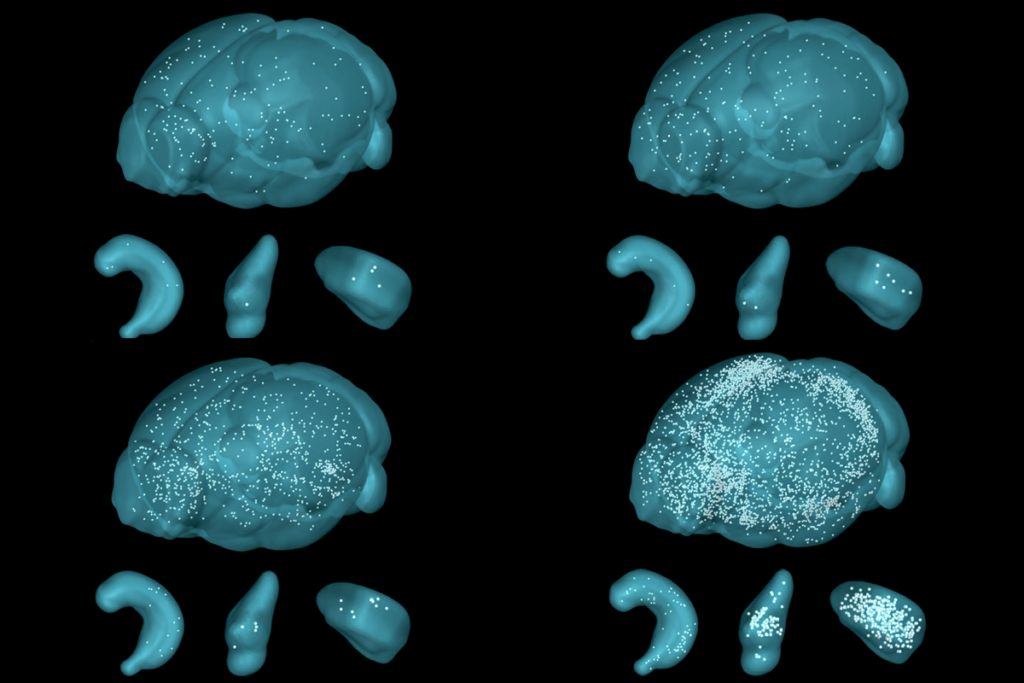
Engrams in amygdala lean on astrocytes to solidify memories
Disrupting the astrocyte-neuronal dynamic in mice destabilizes their memory of fear conditioning.
Engrams in amygdala lean on astrocytes to solidify memories
Disrupting the astrocyte-neuronal dynamic in mice destabilizes their memory of fear conditioning.
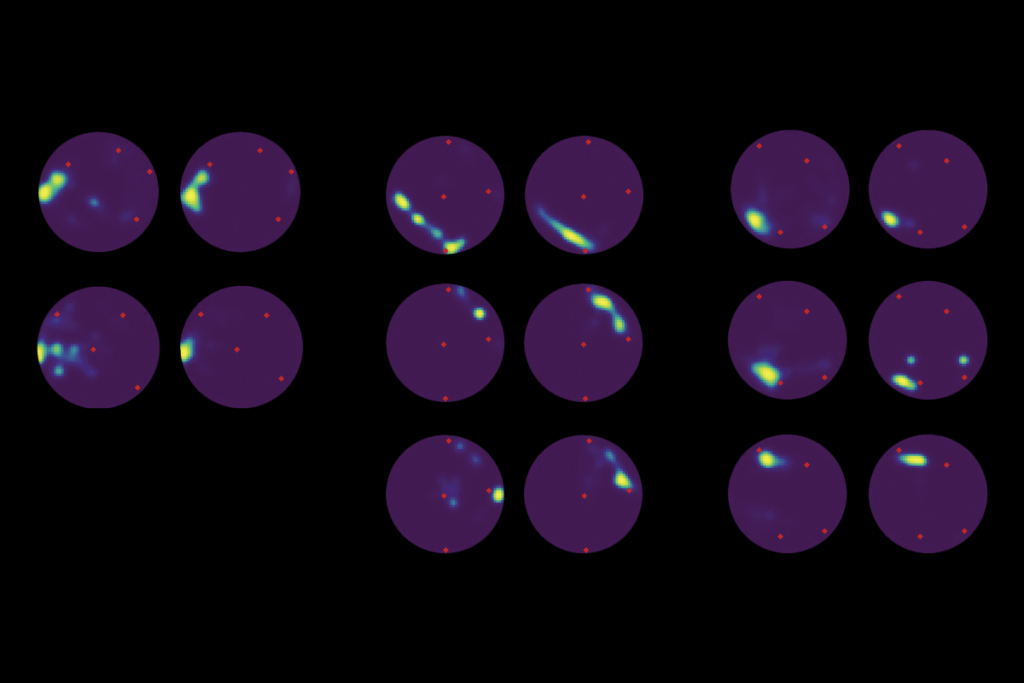
Sleep doesn’t just consolidate memories; it actively shapes them
The rapid eye movement (REM) phase preserves newly acquired memories, but deeper non-REM sleep helps to adapt and update them, according to “heroic” day-long electrode recordings in rats.
Sleep doesn’t just consolidate memories; it actively shapes them
The rapid eye movement (REM) phase preserves newly acquired memories, but deeper non-REM sleep helps to adapt and update them, according to “heroic” day-long electrode recordings in rats.
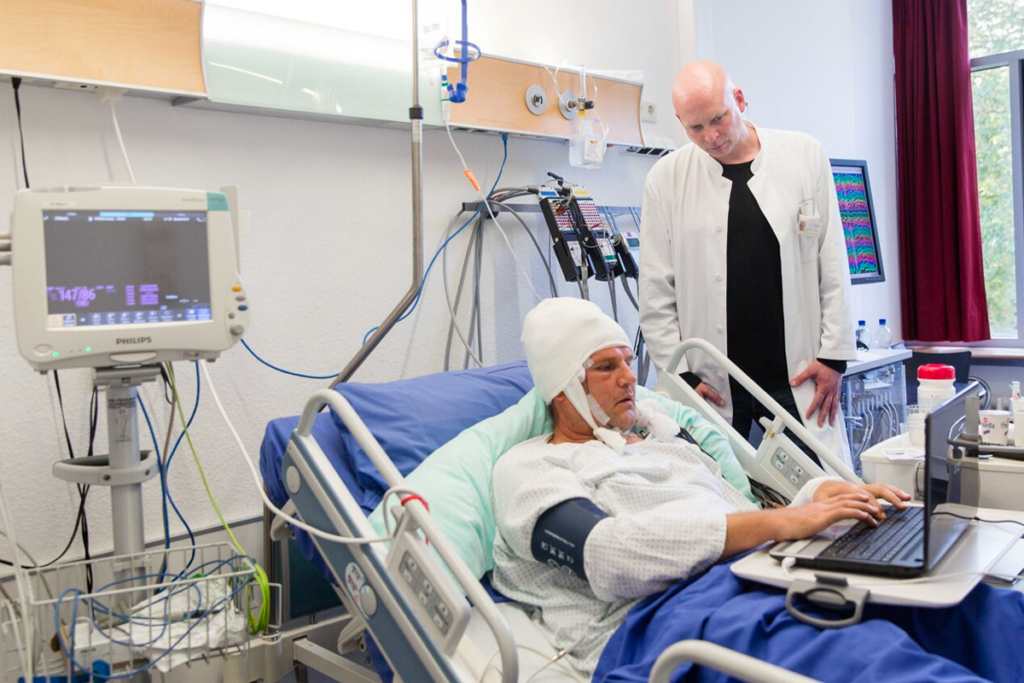
Single-neuron recordings are helping to unravel complexities of human cognition
As this work begins to bear fruit, researchers “are becoming less afraid to ask very difficult questions that you can uniquely ask in people.”
Single-neuron recordings are helping to unravel complexities of human cognition
As this work begins to bear fruit, researchers “are becoming less afraid to ask very difficult questions that you can uniquely ask in people.”
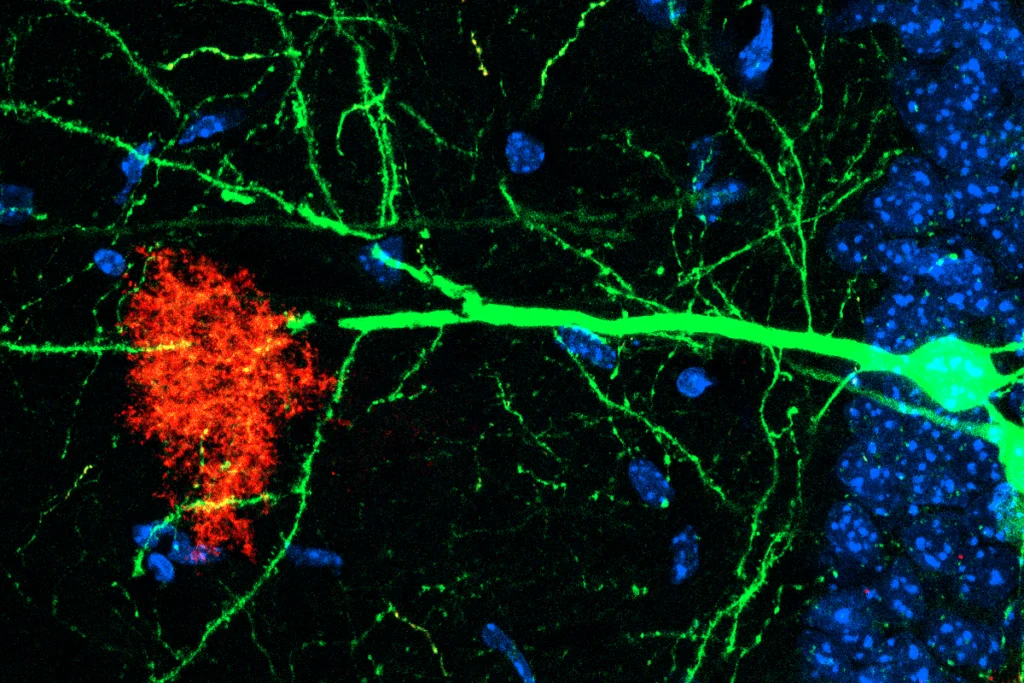
Astrocytes star in memory storage, recall
The cells, long cast as support players in memory research, can activate or disrupt fear memories, according to a new study.
Astrocytes star in memory storage, recall
The cells, long cast as support players in memory research, can activate or disrupt fear memories, according to a new study.
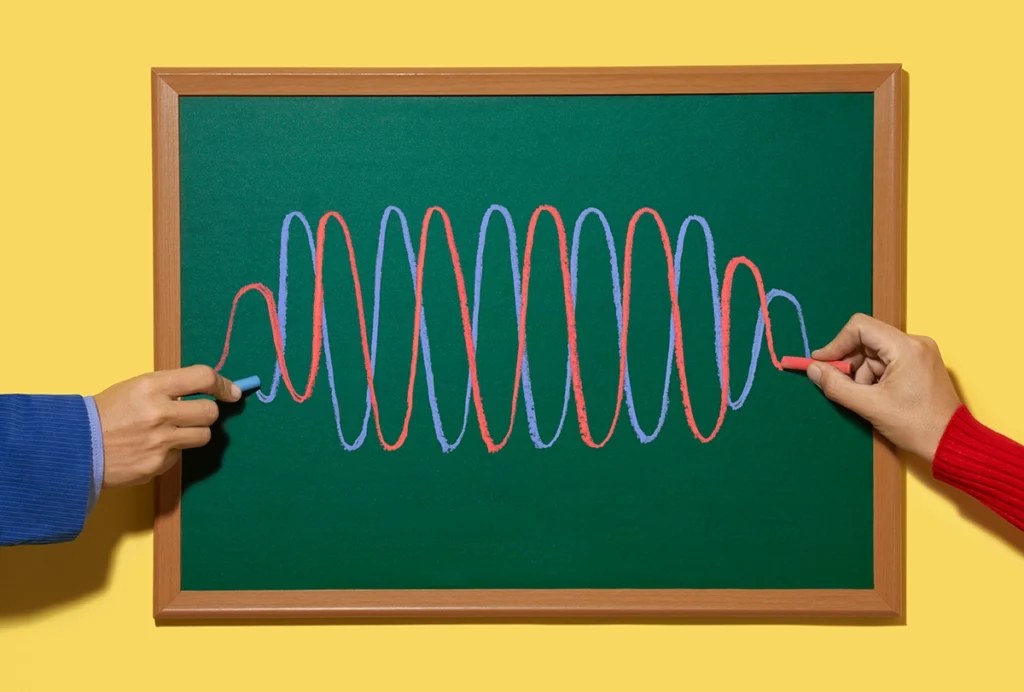
How to teach this paper: ‘Coordination of entorhinal-hippocampal ensemble activity during associative learning,’ by Igarashi et al. (2014)
Kei Igarashi and his colleagues established an important foundation in memory research: the premise that brain regions oscillate together to form synaptic connections and, ultimately, memories.

The value of math and spatial learning with Loren Frank
The Howard Hughes Medical Institute investigator discusses what drew him to study the brain and his current work at the University of California, San Francisco.
The value of math and spatial learning with Loren Frank
The Howard Hughes Medical Institute investigator discusses what drew him to study the brain and his current work at the University of California, San Francisco.
Explore more from The Transmitter

Amid funding uncertainty, graduate neuroscience programs in the U.S. adapt
The Transmitter surveyed 50 graduate program directors to learn how they’re faring. Securing labs for new students is one of the greatest concerns.
Amid funding uncertainty, graduate neuroscience programs in the U.S. adapt
The Transmitter surveyed 50 graduate program directors to learn how they’re faring. Securing labs for new students is one of the greatest concerns.

The changing nature of the neuroscience Ph.D.
The best science can only be sustained by a steady influx of early-stage scientists and the innovative ideas they bring, says Diane Lipscombe. She reflects on the loss of international students, the value of training grants, and the challenges that lie ahead for graduate education.
Rethinking neuroscience graduate education in the age of AI
What knowledge from traditional training protocols needs to be maintained, what can be discarded, and what new types of training should be introduced? Six neuroscientists weigh in.
Rethinking neuroscience graduate education in the age of AI
What knowledge from traditional training protocols needs to be maintained, what can be discarded, and what new types of training should be introduced? Six neuroscientists weigh in.