Neurodevelopment
Recent articles
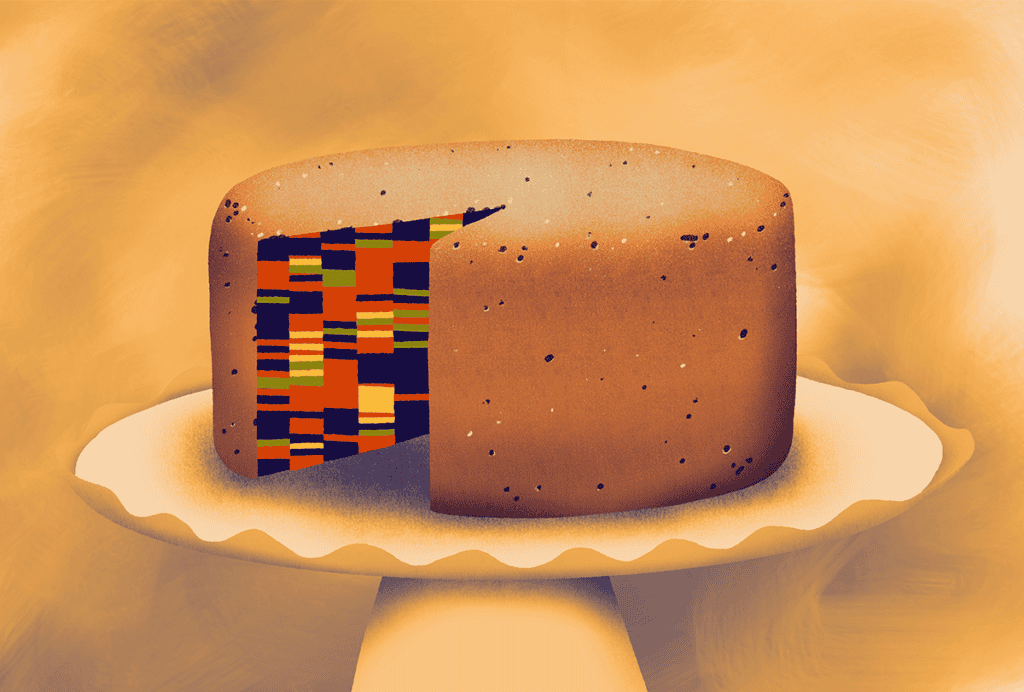
The genome offers a recipe, not a blueprint, for the brain
During brain development, genes set the rules and turn the knobs; self-organization does much of the rest.
The genome offers a recipe, not a blueprint, for the brain
During brain development, genes set the rules and turn the knobs; self-organization does much of the rest.
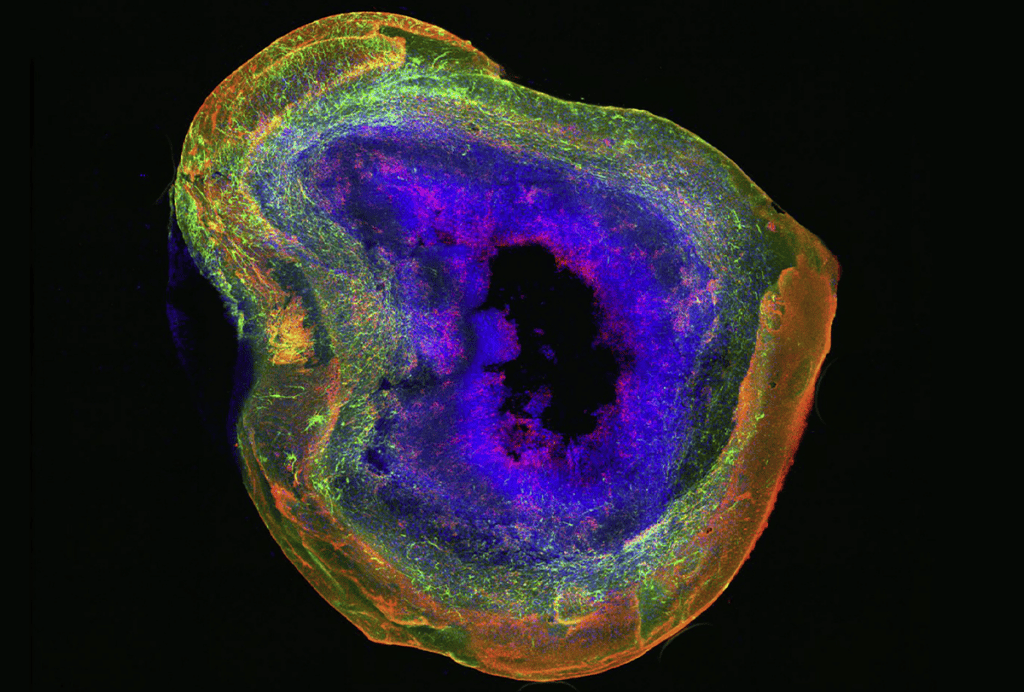
Human brain organoids come of age—but still have room to grow
The U.S. government has touted organoids as an alternative to animals for studying the brain. The model has improved since its debut in 2013, but scientists are still working to overcome key limitations: immaturity, consistency and the lack of vascularization.
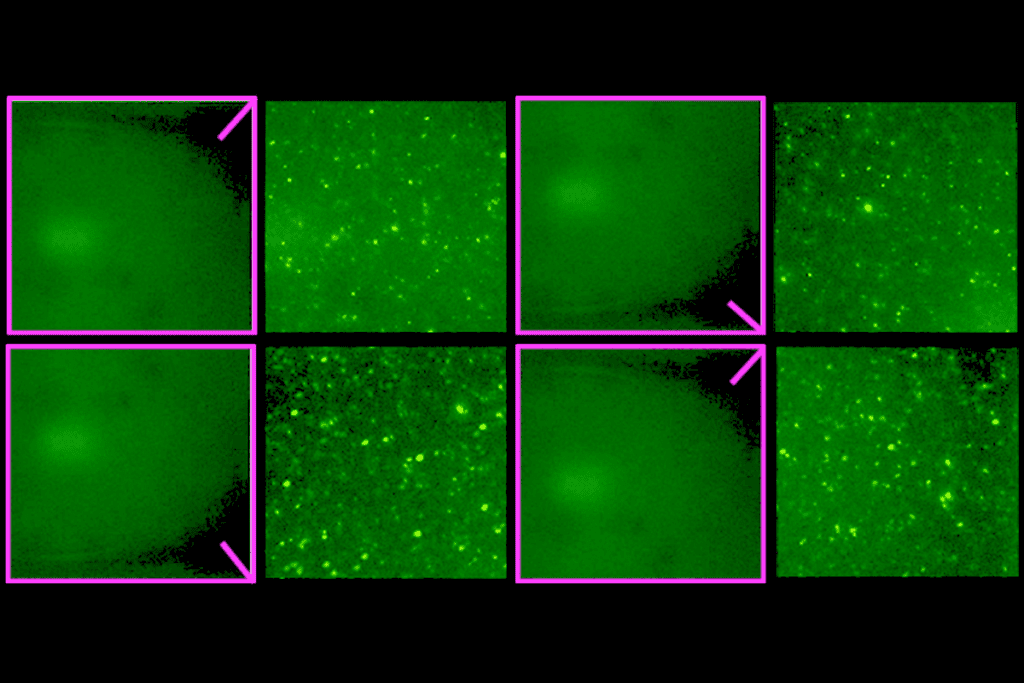
University probe leads to retraction of four neural tube studies
The University of Maryland conducted an internal investigation that identified image duplications and other data integrity issues in the studies, according to the retraction notices.
University probe leads to retraction of four neural tube studies
The University of Maryland conducted an internal investigation that identified image duplications and other data integrity issues in the studies, according to the retraction notices.
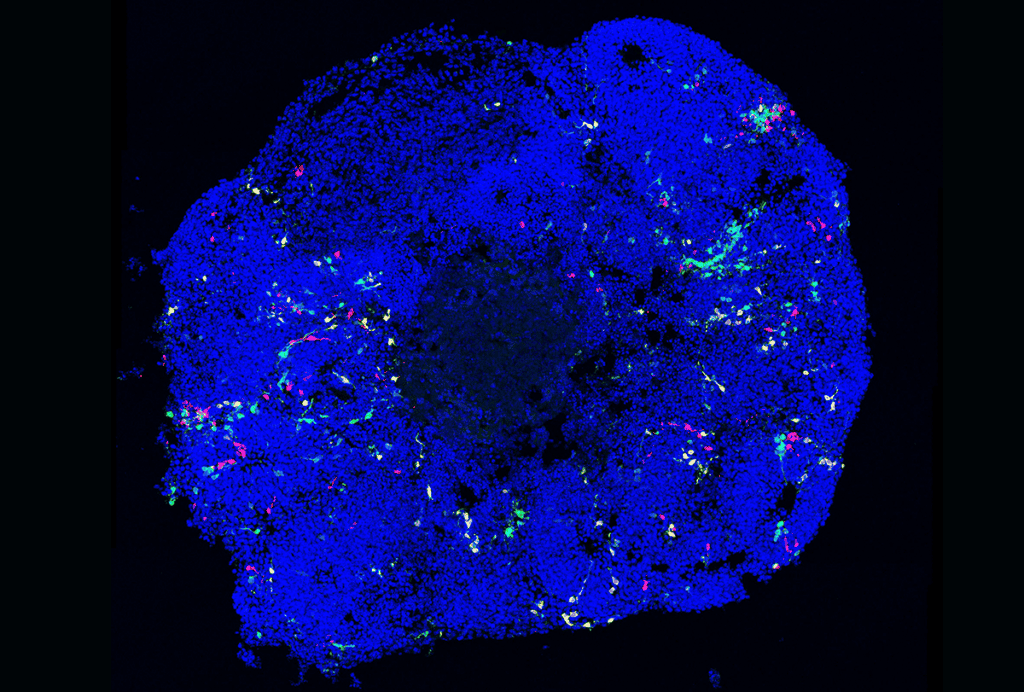
Hasty stem cells highlight potential limitation with cortical organoids
The models recapitulate many key developmental processes, but some radial glial cells in mouse organoids make neurons earlier than they should.
Hasty stem cells highlight potential limitation with cortical organoids
The models recapitulate many key developmental processes, but some radial glial cells in mouse organoids make neurons earlier than they should.
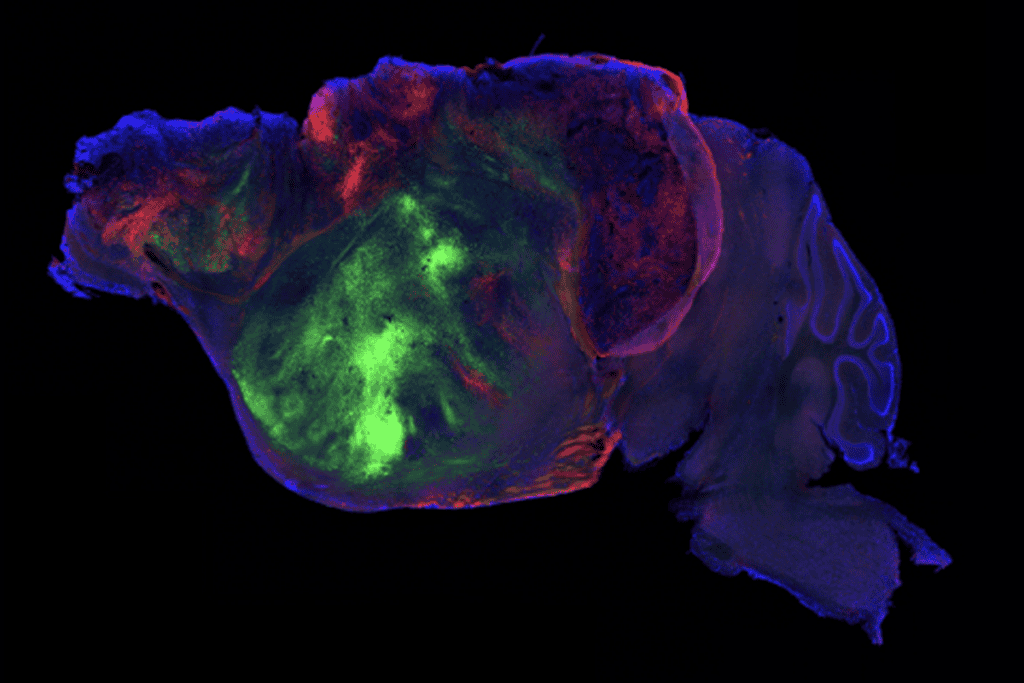
Human brain organoids flourish in emptied mouse cortex
The chimeric mice could help untangle the biology of human brain development or conditions such as autism.
Human brain organoids flourish in emptied mouse cortex
The chimeric mice could help untangle the biology of human brain development or conditions such as autism.

Infant memories: Lost but not gone?
Infantile amnesia is not simply a story about forgetting the past. It is an opportunity to understand how memory itself is built.
Infant memories: Lost but not gone?
Infantile amnesia is not simply a story about forgetting the past. It is an opportunity to understand how memory itself is built.
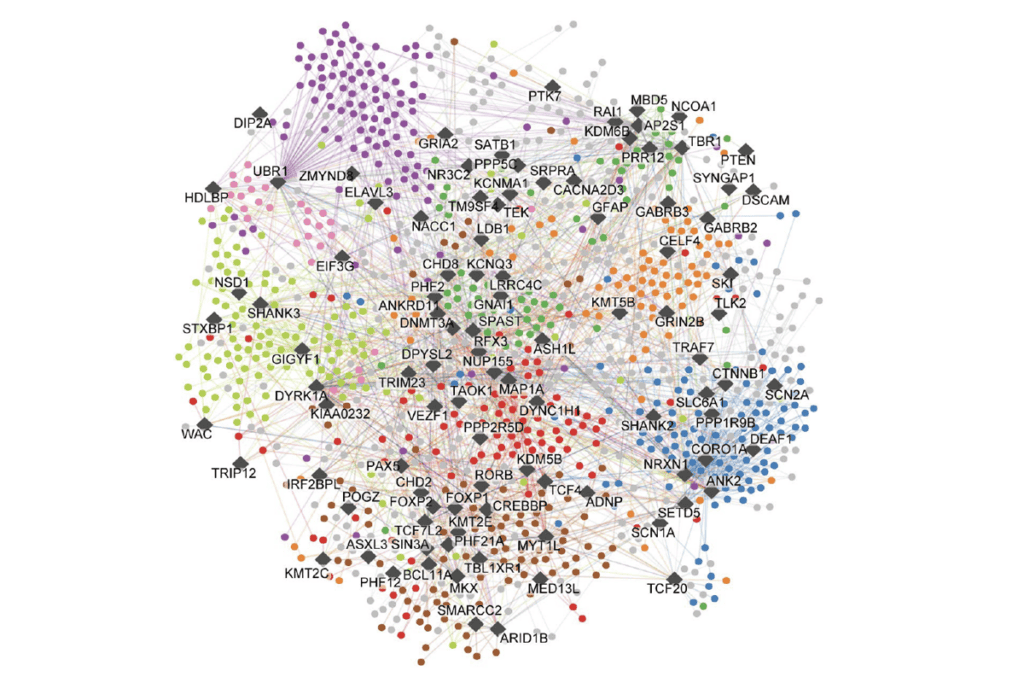
Autism-linked variants rewire protein networks
The myriad proteins tied to autism cluster in previously unrecognized ways that can be disrupted by specific variants in the proteins.
Autism-linked variants rewire protein networks
The myriad proteins tied to autism cluster in previously unrecognized ways that can be disrupted by specific variants in the proteins.
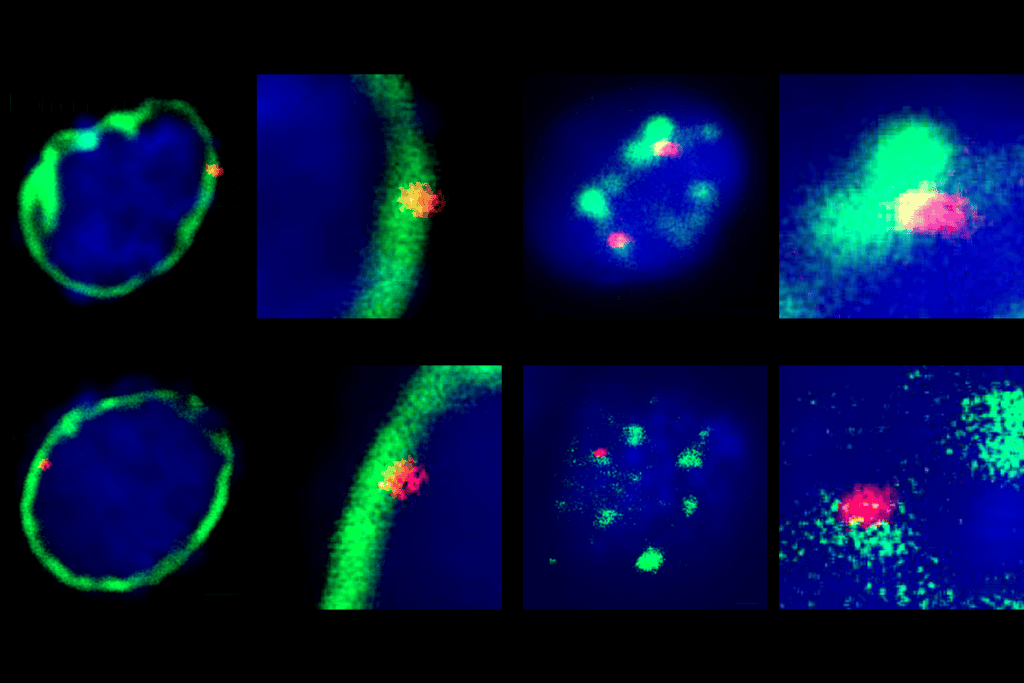
Nuclear location helps control gene activity during brain development
A study of developing human brain tissue suggests that genes switch on more strongly when they move from the nucleus’s edge toward structures that contain proteins involved in making and processing RNA.
Nuclear location helps control gene activity during brain development
A study of developing human brain tissue suggests that genes switch on more strongly when they move from the nucleus’s edge toward structures that contain proteins involved in making and processing RNA.
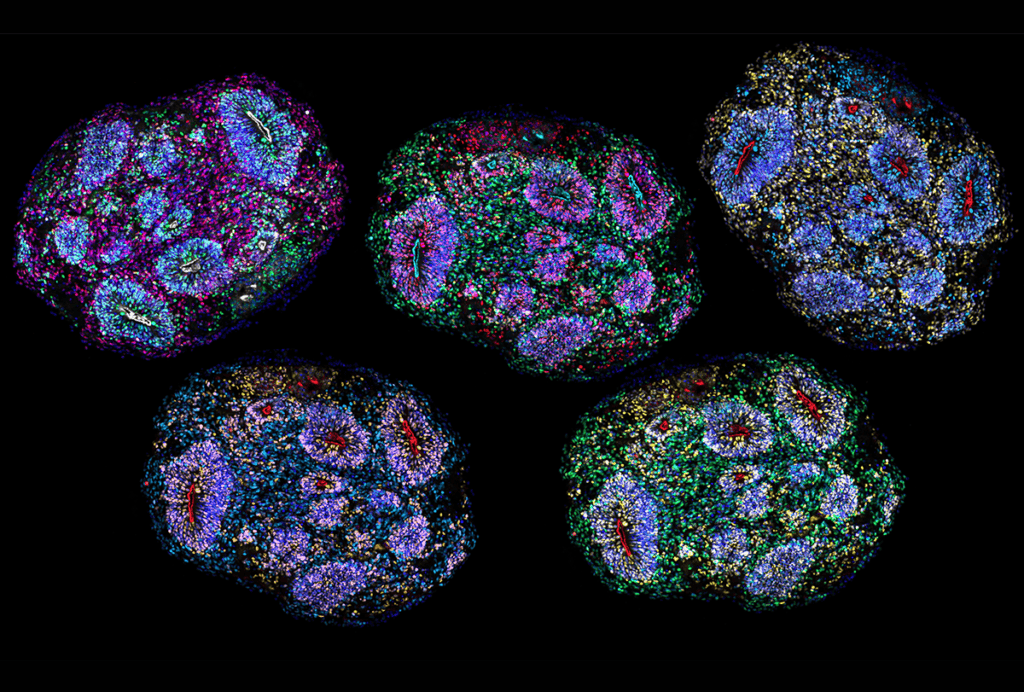
Five-year-old human brain organoids aged on schedule
The cultured spheres typically mimic only prenatal development, but the five-year-old ones grown in Paola Arlotta’s lab acquired postnatal features.
Five-year-old human brain organoids aged on schedule
The cultured spheres typically mimic only prenatal development, but the five-year-old ones grown in Paola Arlotta’s lab acquired postnatal features.
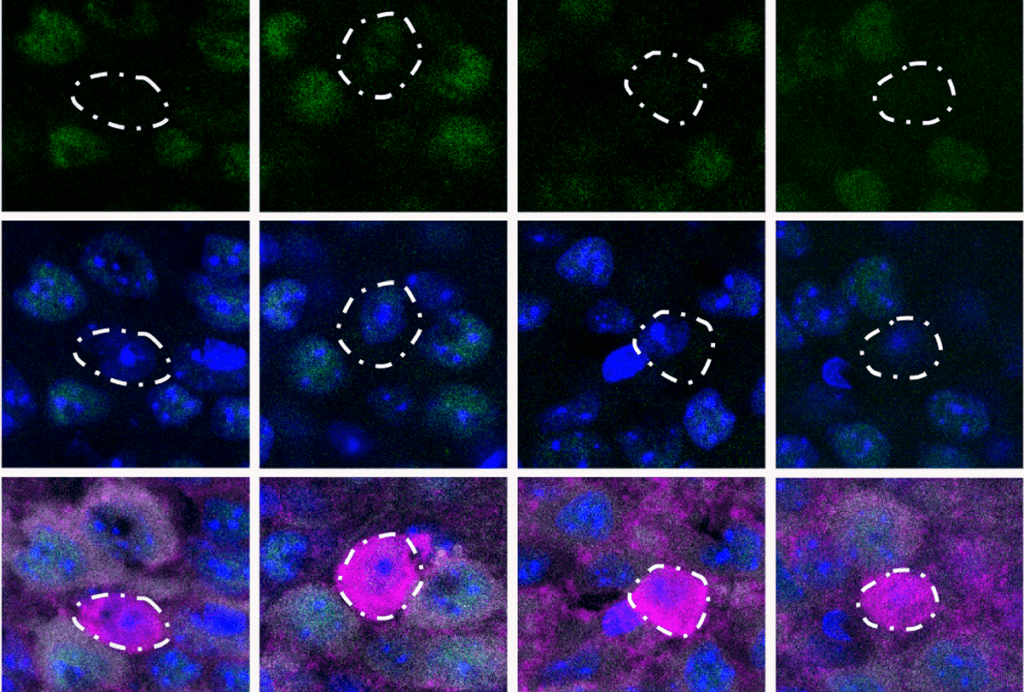
Loss of interneuron plasticity may be shared hallmark of neurodevelopmental conditions
Restoring an experience-dependent interneuron plasticity gene in adulthood improves memory and cuts seizures in CNTNAP2 knockout mice, a new study shows.
Loss of interneuron plasticity may be shared hallmark of neurodevelopmental conditions
Restoring an experience-dependent interneuron plasticity gene in adulthood improves memory and cuts seizures in CNTNAP2 knockout mice, a new study shows.
Explore more from The Transmitter
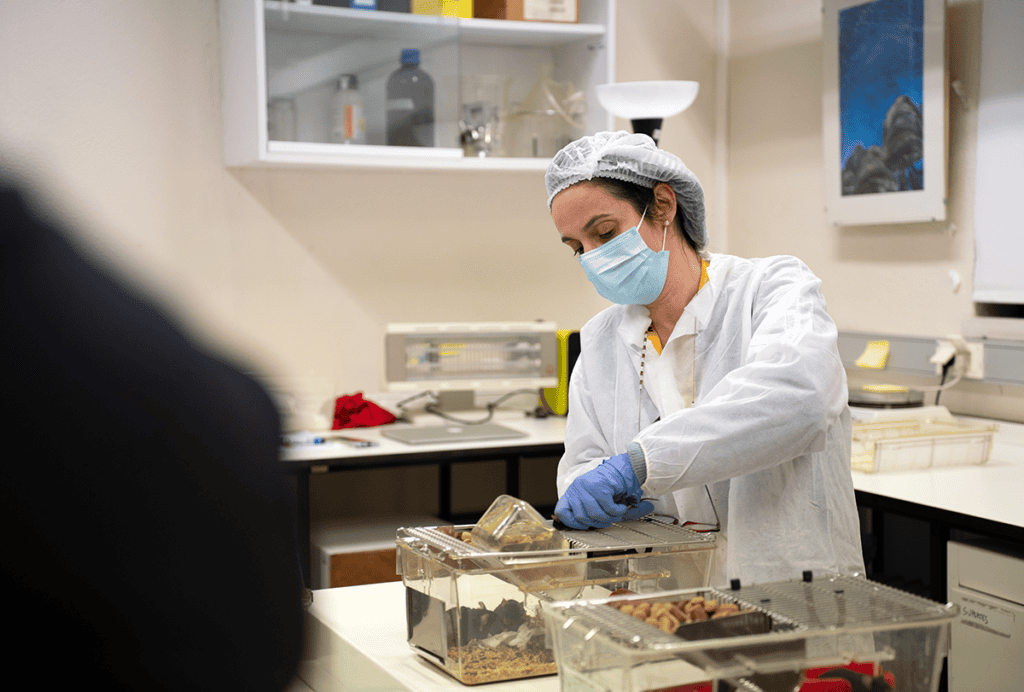
Public engagement can help cultivate support for animal research
The European Animal Research Association's Patient Discovery Project connects researchers with people who have the conditions they study. The learning goes both ways.
Public engagement can help cultivate support for animal research
The European Animal Research Association's Patient Discovery Project connects researchers with people who have the conditions they study. The learning goes both ways.
Brain registers spatial location outside hippocampus
A more complex picture of how an animal’s brain tracks its location is starting to emerge.
Brain registers spatial location outside hippocampus
A more complex picture of how an animal’s brain tracks its location is starting to emerge.
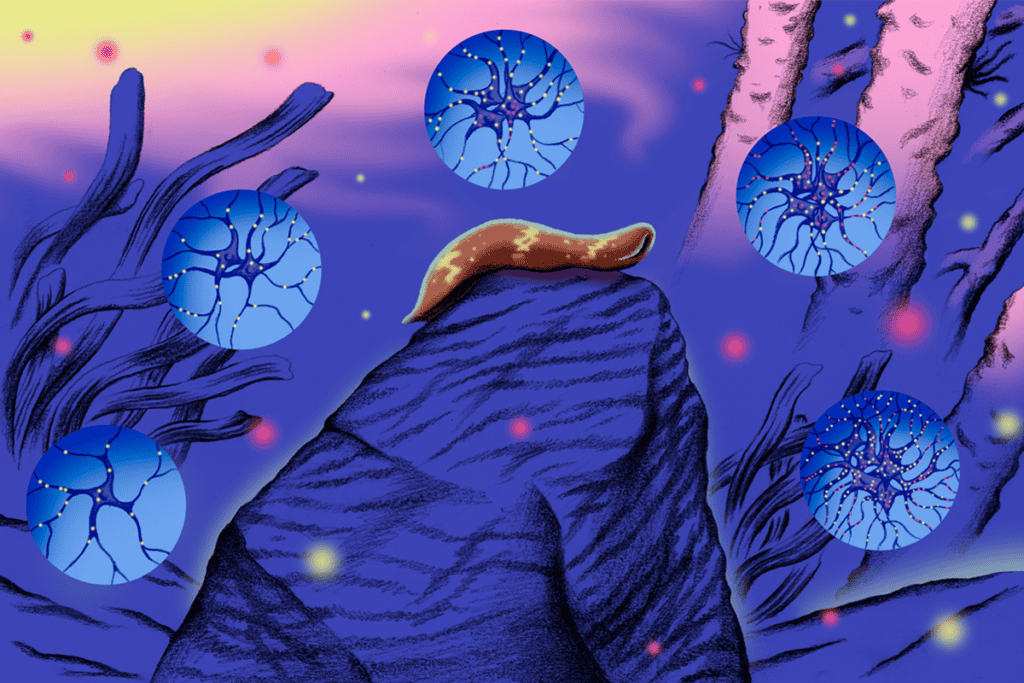
The three-banded panther worm is rewriting the story of brain evolution
The animal has a brain structure all its own, according to a 2026 preprint. The finding hints that brains could have evolved centralization before regionalization.
The three-banded panther worm is rewriting the story of brain evolution
The animal has a brain structure all its own, according to a 2026 preprint. The finding hints that brains could have evolved centralization before regionalization.