News
Recent articles
The latest developments in neuroscience
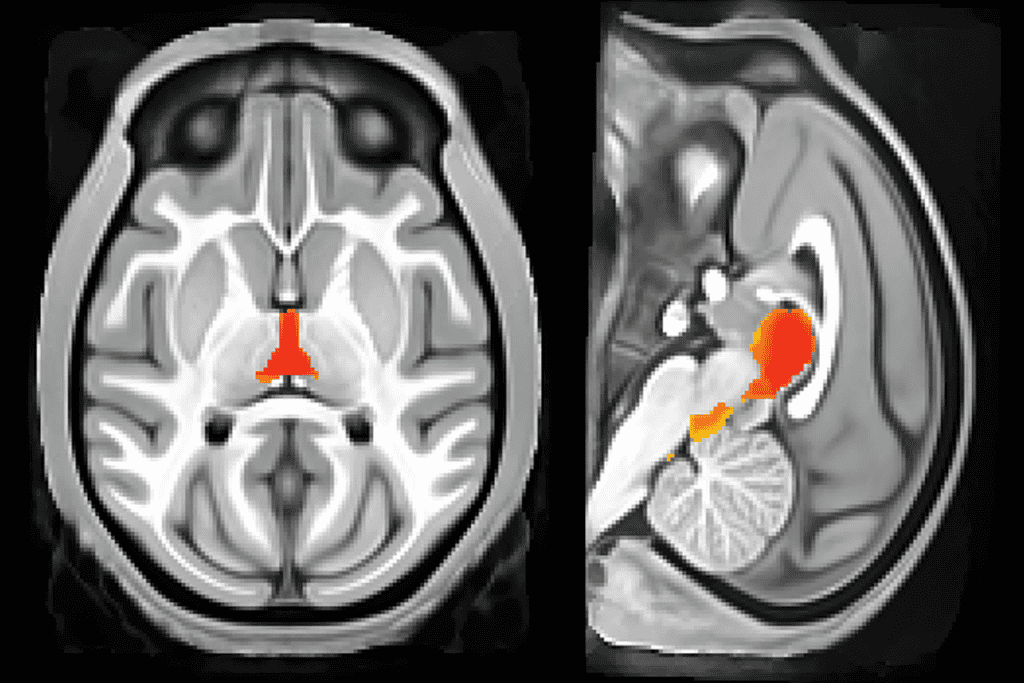
Acetaminophen effects on developing brain organoids; and more
Here is a roundup of autism-related news and research spotted around the web for the week of 12 October.
Acetaminophen effects on developing brain organoids; and more
Here is a roundup of autism-related news and research spotted around the web for the week of 12 October.
Private initiative makes ‘historic’ investment in autism research
Aligning Research to Impact Autism has committed more than $450 million to build a new multidisciplinary research network to uncover the roots of profound autism and develop treatments.
Private initiative makes ‘historic’ investment in autism research
Aligning Research to Impact Autism has committed more than $450 million to build a new multidisciplinary research network to uncover the roots of profound autism and develop treatments.
Number of autism-linked genes more than triples in new analyses
In addition to a new preprint that expands the list of genes tied to the condition, two related analyses reveal how variants in those genes contribute to genetic susceptibility.
Number of autism-linked genes more than triples in new analyses
In addition to a new preprint that expands the list of genes tied to the condition, two related analyses reveal how variants in those genes contribute to genetic susceptibility.
Holographic mesoscope reads, writes from different cortical regions simultaneously
The tool could help reveal how information transmission between areas relates to perception, cognition and behavior.
Holographic mesoscope reads, writes from different cortical regions simultaneously
The tool could help reveal how information transmission between areas relates to perception, cognition and behavior.
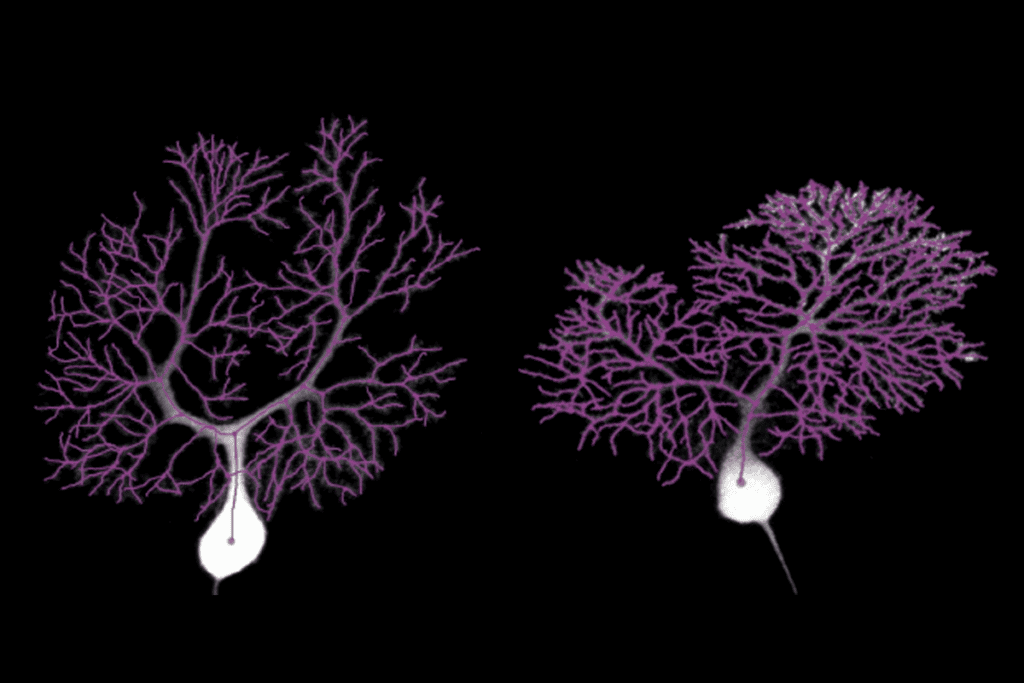
Aging biomarkers in autism; and more
Here is a roundup of autism-related news and research spotted around the web for the week of 5 October.
Aging biomarkers in autism; and more
Here is a roundup of autism-related news and research spotted around the web for the week of 5 October.

How Nobel Prize-winning optogenetics has revolutionized neuroscience
The technique has enabled neuroscientists to target brain circuits and cells with unprecedented specificity, transforming the study of memory, interoception, brain disorders and reward, among other domains.
How Nobel Prize-winning optogenetics has revolutionized neuroscience
The technique has enabled neuroscientists to target brain circuits and cells with unprecedented specificity, transforming the study of memory, interoception, brain disorders and reward, among other domains.
New projectome captures ‘complex beast’ of serotonin system in mice
The whole-brain map—the first of its kind in a vertebrate—identifies five distinct neuron groups.
New projectome captures ‘complex beast’ of serotonin system in mice
The whole-brain map—the first of its kind in a vertebrate—identifies five distinct neuron groups.
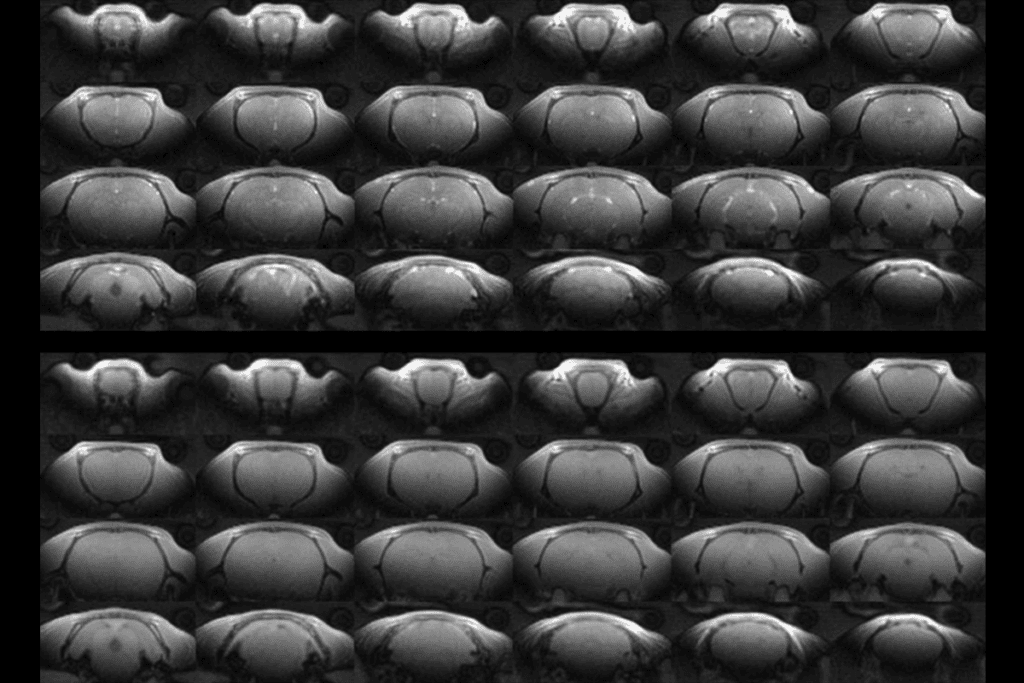
Silent, motion-resistant fMRI expands scans in behaving mice
The method, called SORDINO, captures brain images in animals while they move and interact.
Silent, motion-resistant fMRI expands scans in behaving mice
The method, called SORDINO, captures brain images in animals while they move and interact.

Autism-linked variants converge on two molecular patterns in mouse brains
Gene activity across 17 autism mouse models occurs in either of two opposing transcriptomic states, supporting the idea that diverse genetic changes may converge on a few recurring biological patterns.
Autism-linked variants converge on two molecular patterns in mouse brains
Gene activity across 17 autism mouse models occurs in either of two opposing transcriptomic states, supporting the idea that diverse genetic changes may converge on a few recurring biological patterns.
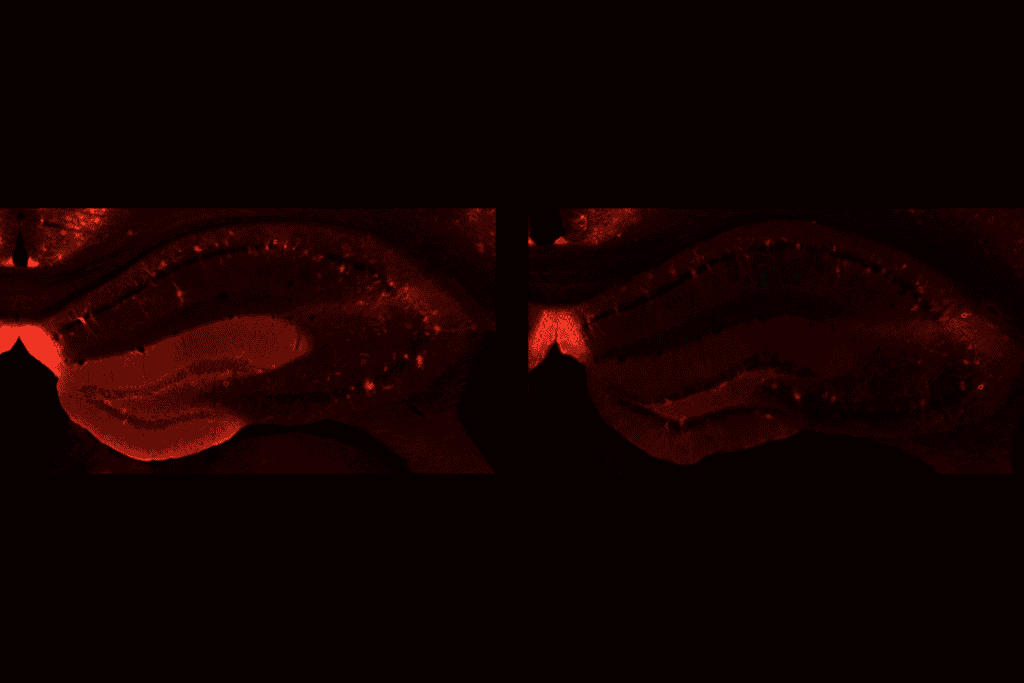
Organoids missing the TSC2 gene form rogue astrocytes; and more
Here is a roundup of autism-related news and research spotted around the web for the week of 28 September.
Organoids missing the TSC2 gene form rogue astrocytes; and more
Here is a roundup of autism-related news and research spotted around the web for the week of 28 September.
Explore more from The Transmitter

Creating community through grant support
Fiona Sanderson, a senior program manager at the Brain Canada Foundation, shares how she got into grant administration and how she helps connect researchers with funding and one another.
Creating community through grant support
Fiona Sanderson, a senior program manager at the Brain Canada Foundation, shares how she got into grant administration and how she helps connect researchers with funding and one another.
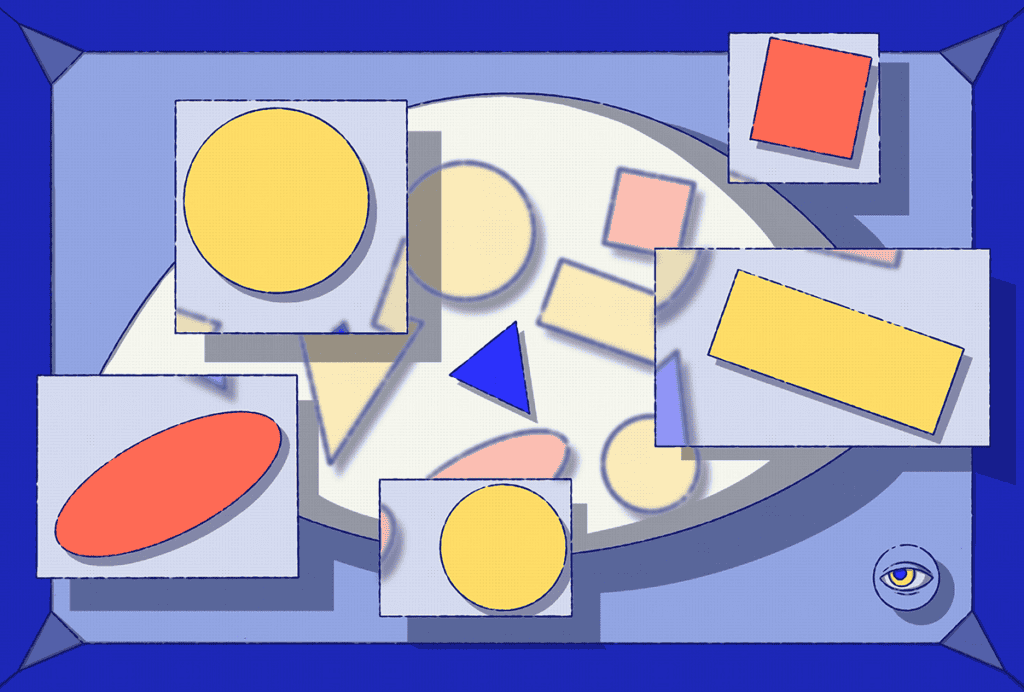
This paper changed my life: A first glimpse into the ‘middle’ of brain processing
Work by Jeffrey Moran and Robert Desimone showed that monkeys could focus their attention on different stimuli in their visual field without shifting their gaze. Their work marked a key milestone in the emergence of cognitive neuroscience.
This paper changed my life: A first glimpse into the ‘middle’ of brain processing
Work by Jeffrey Moran and Robert Desimone showed that monkeys could focus their attention on different stimuli in their visual field without shifting their gaze. Their work marked a key milestone in the emergence of cognitive neuroscience.
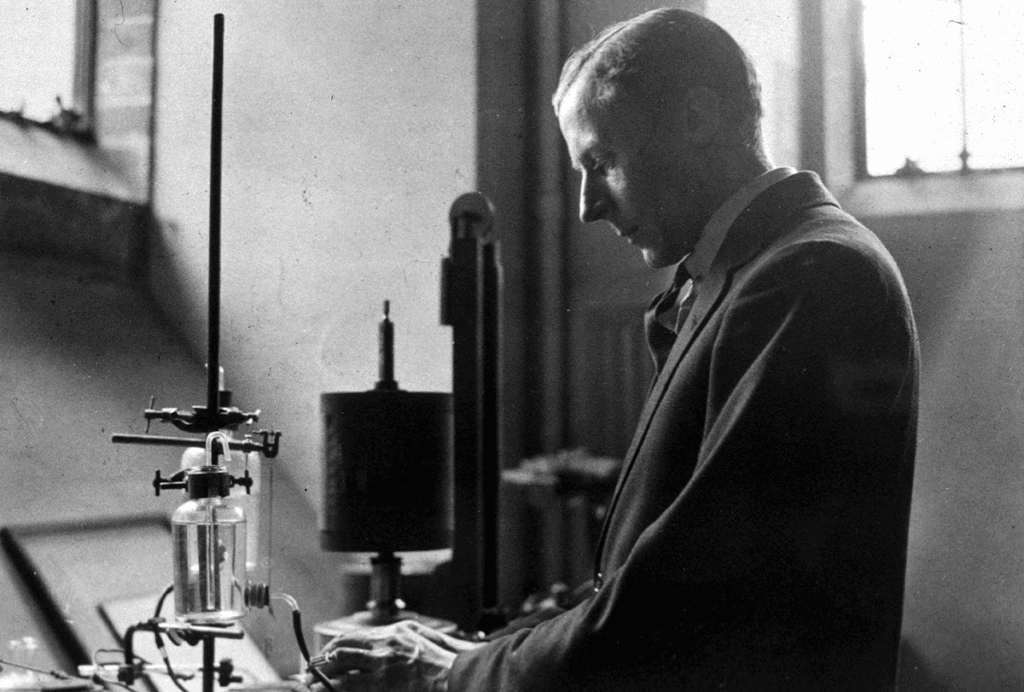
The neural code at 100
In two 1926 articles, Edgar Douglas Adrian revealed that neurons communicate through trains of spikes.
The neural code at 100
In two 1926 articles, Edgar Douglas Adrian revealed that neurons communicate through trains of spikes.