Stem cells
Recent articles
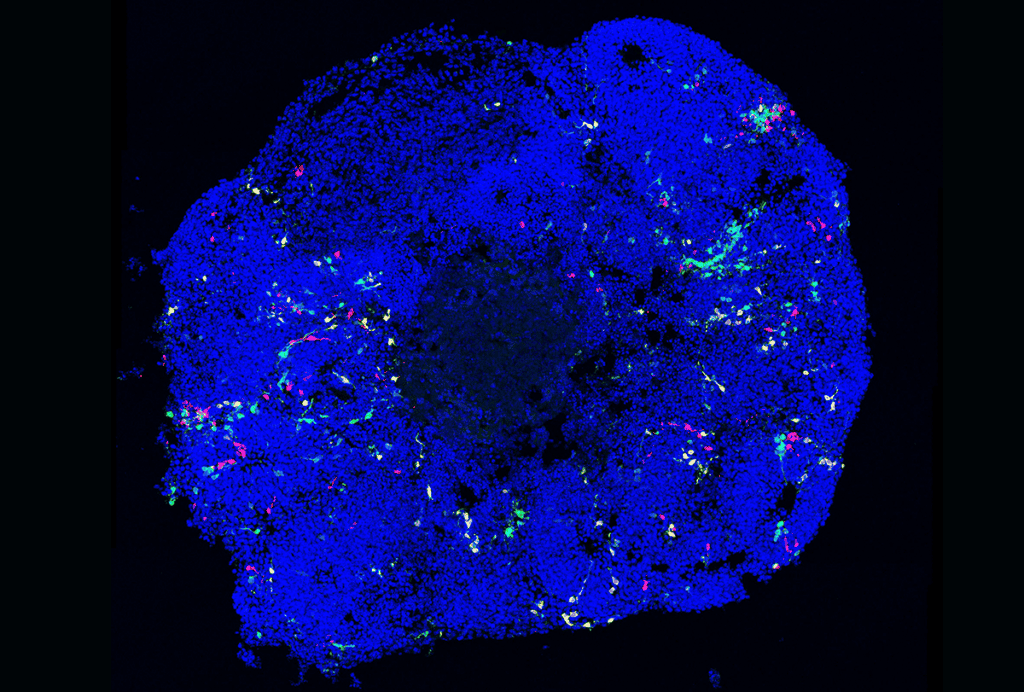
Hasty stem cells highlight potential limitation with cortical organoids
The models recapitulate many key developmental processes, but some radial glial cells in mouse organoids make neurons earlier than they should.
Hasty stem cells highlight potential limitation with cortical organoids
The models recapitulate many key developmental processes, but some radial glial cells in mouse organoids make neurons earlier than they should.
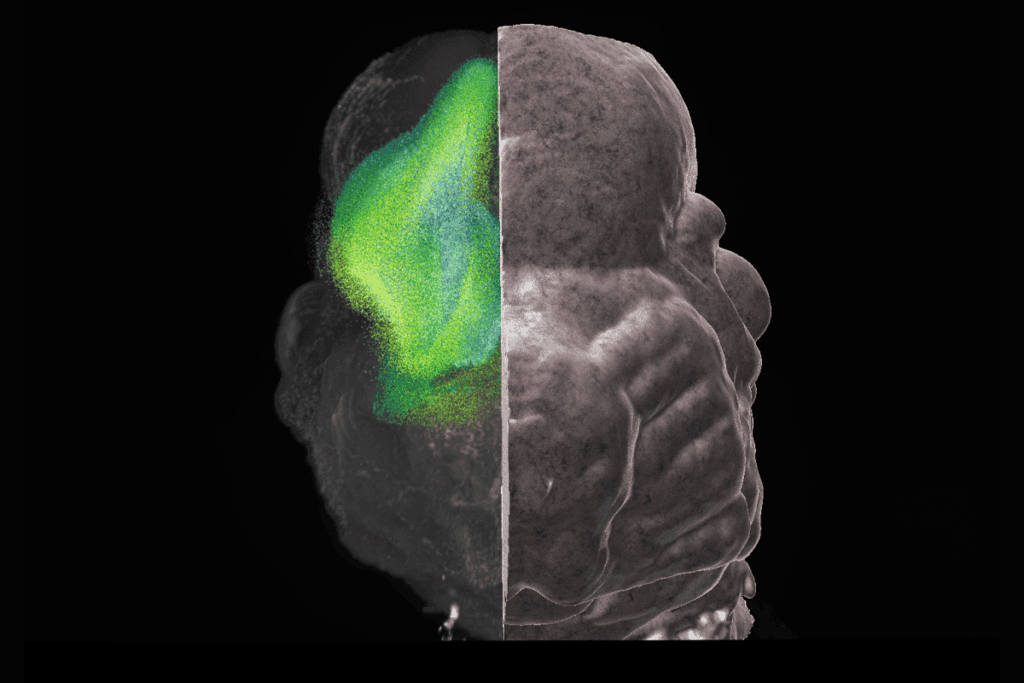
Diverse autism genes derail common developmental pathways
Multiple genetic mouse models initially show delayed cortical development, but the animals’ molecular trajectories diverge within weeks after birth, a new study finds.
Diverse autism genes derail common developmental pathways
Multiple genetic mouse models initially show delayed cortical development, but the animals’ molecular trajectories diverge within weeks after birth, a new study finds.
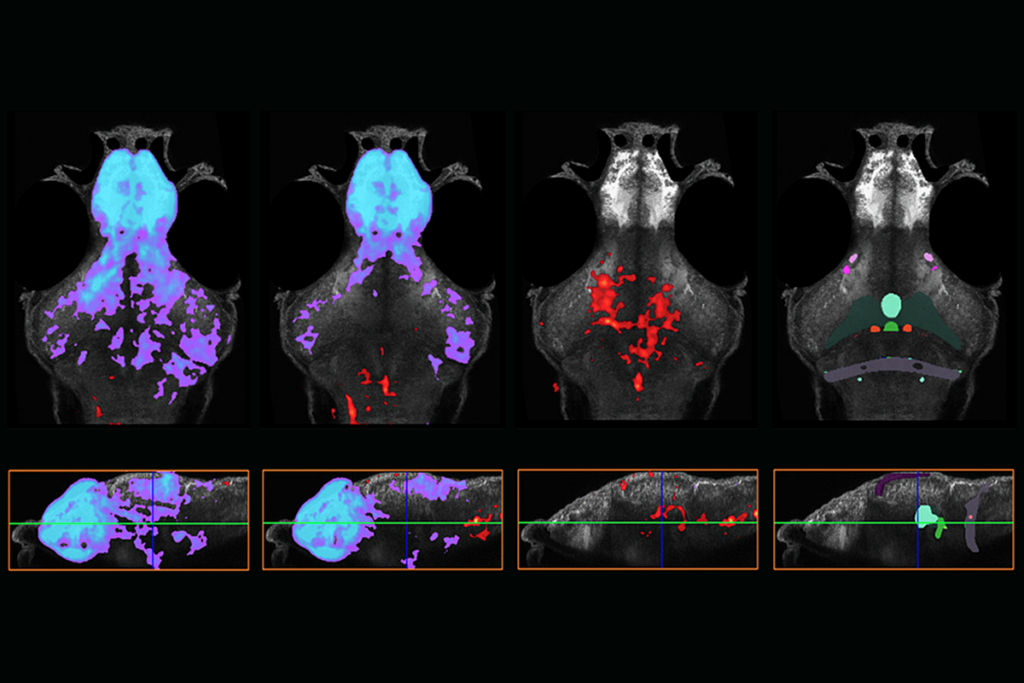
Nearly 400 compounds affect behaviors tied to autism-linked genes in zebrafish
Estropipate, paclitaxel and levocarnitine altered behaviors tied to SCN2A and DYRK1A variants specifically, a new open-source platform revealed.
Nearly 400 compounds affect behaviors tied to autism-linked genes in zebrafish
Estropipate, paclitaxel and levocarnitine altered behaviors tied to SCN2A and DYRK1A variants specifically, a new open-source platform revealed.
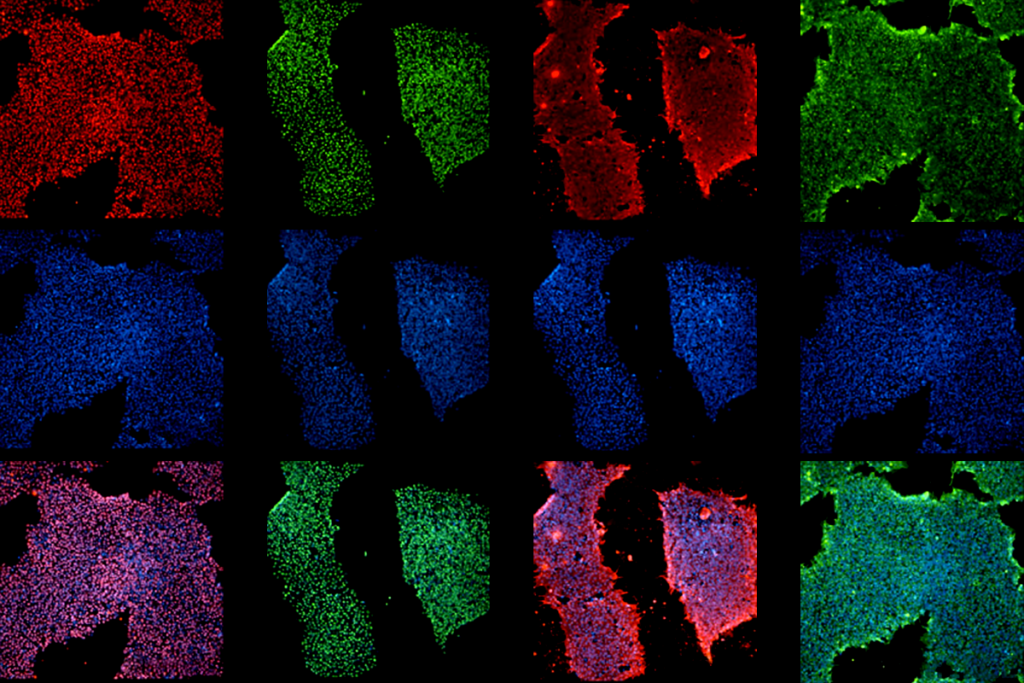
Bringing African ancestry into cellular neuroscience
Two independent teams in Africa are developing stem cell lines and organoids from local populations to explore neurodevelopmental and neurodegenerative conditions.
Bringing African ancestry into cellular neuroscience
Two independent teams in Africa are developing stem cell lines and organoids from local populations to explore neurodevelopmental and neurodegenerative conditions.
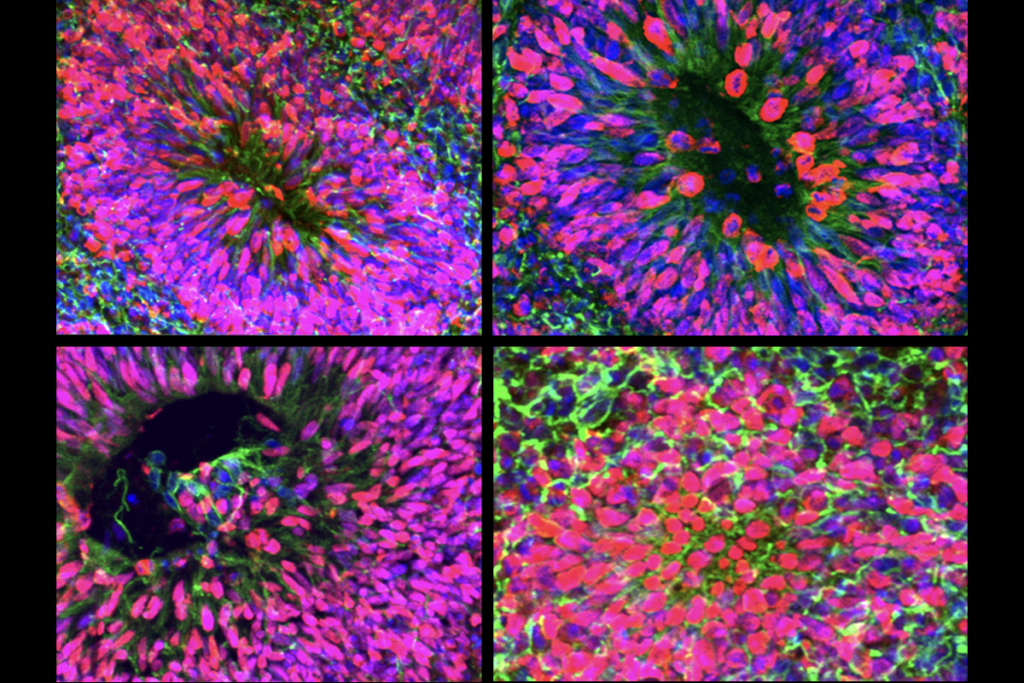
New organoid atlas unveils four neurodevelopmental signatures
The comprehensive resource details data on microcephaly, polymicrogyria, epilepsy and intellectual disability from 352 people.
New organoid atlas unveils four neurodevelopmental signatures
The comprehensive resource details data on microcephaly, polymicrogyria, epilepsy and intellectual disability from 352 people.
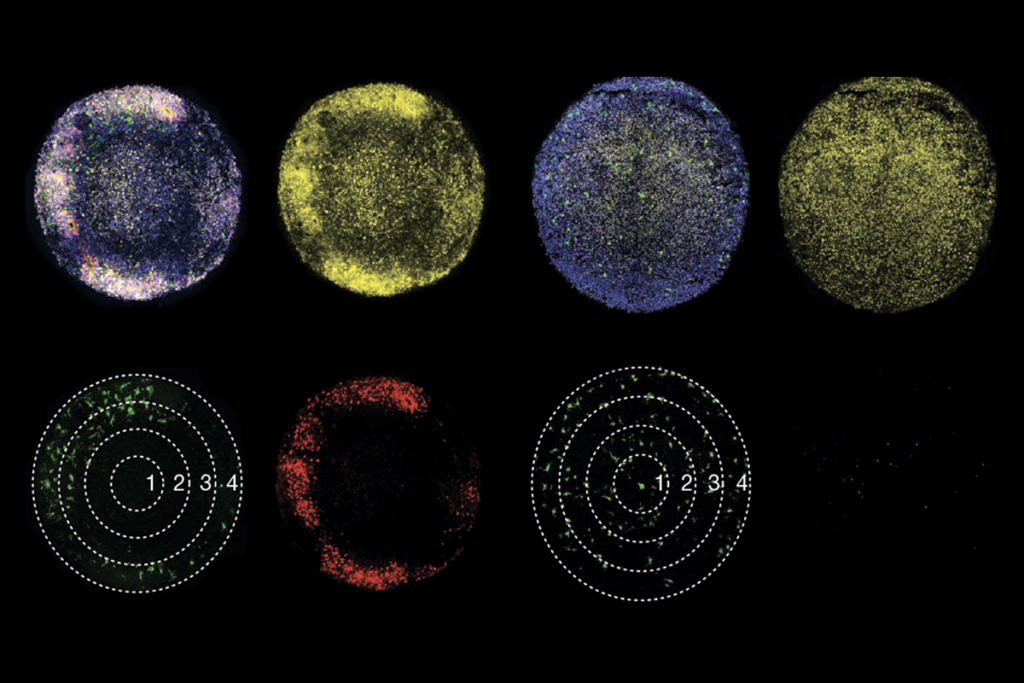
Microglia nurture young interneurons
The immune cells secrete a growth factor that “sets the supply of GABAergic interneurons in the developing brain.”
Microglia nurture young interneurons
The immune cells secrete a growth factor that “sets the supply of GABAergic interneurons in the developing brain.”

Why hype for autism stem cell therapies continues despite dead ends
After numerous tests, there is still no evidence that these experimental treatments help, so now is not the time to expand access to them.
Why hype for autism stem cell therapies continues despite dead ends
After numerous tests, there is still no evidence that these experimental treatments help, so now is not the time to expand access to them.
Cell ‘antennae’ link autism, congenital heart disease
Variants in genes tied to both conditions derail the formation of cilia, the tiny hair-like structure found on almost every cell in the body, a new study finds.
Cell ‘antennae’ link autism, congenital heart disease
Variants in genes tied to both conditions derail the formation of cilia, the tiny hair-like structure found on almost every cell in the body, a new study finds.
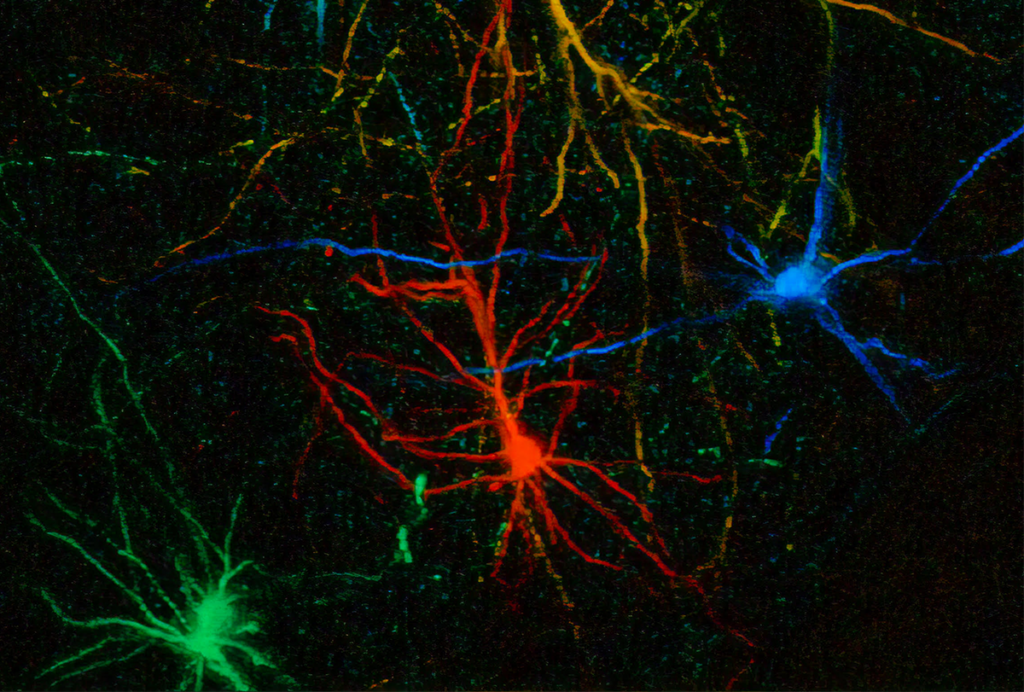
In vivo veritas: Xenotransplantation can help us study the development and function of human neurons in a living brain
Transplanted cells offer insight into human-specific properties, such as a lengthy cortical development and sensitivity to neurodevelopmental and neurodegenerative disease.
In vivo veritas: Xenotransplantation can help us study the development and function of human neurons in a living brain
Transplanted cells offer insight into human-specific properties, such as a lengthy cortical development and sensitivity to neurodevelopmental and neurodegenerative disease.
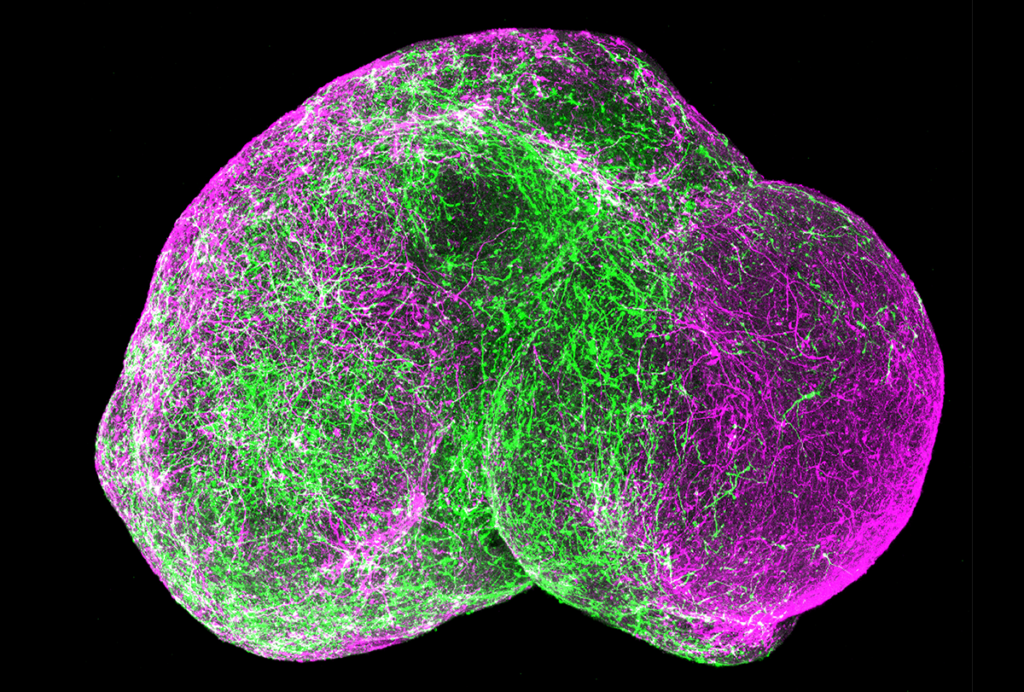
Organoids and assembloids offer a new window into human brain
These sophisticated 3D cultures reveal previously inaccessible stages of human brain development and enable the systematic study of disease genes.
Organoids and assembloids offer a new window into human brain
These sophisticated 3D cultures reveal previously inaccessible stages of human brain development and enable the systematic study of disease genes.
Explore more from The Transmitter
Finding neuroheterogeneity’s sweet spot
Once thought to be detrimental to memory processing, neuronal diversity—at the right ‘Goldilocks’ dose—is a new boon to theoretical neuroscience.
Finding neuroheterogeneity’s sweet spot
Once thought to be detrimental to memory processing, neuronal diversity—at the right ‘Goldilocks’ dose—is a new boon to theoretical neuroscience.

COVID-19 and influenza effects in pregnancy; and more
Here is a roundup of autism-related news and research spotted around the web for the week of 19 October.
COVID-19 and influenza effects in pregnancy; and more
Here is a roundup of autism-related news and research spotted around the web for the week of 19 October.
What to do when traditional mechanistic approaches no longer work
Many complex behaviors have stubbornly resisted mechanistic explanations. Deciphering them will require new approaches—and perhaps a new concept of “understanding.”
What to do when traditional mechanistic approaches no longer work
Many complex behaviors have stubbornly resisted mechanistic explanations. Deciphering them will require new approaches—and perhaps a new concept of “understanding.”