Emotion processing
Recent articles
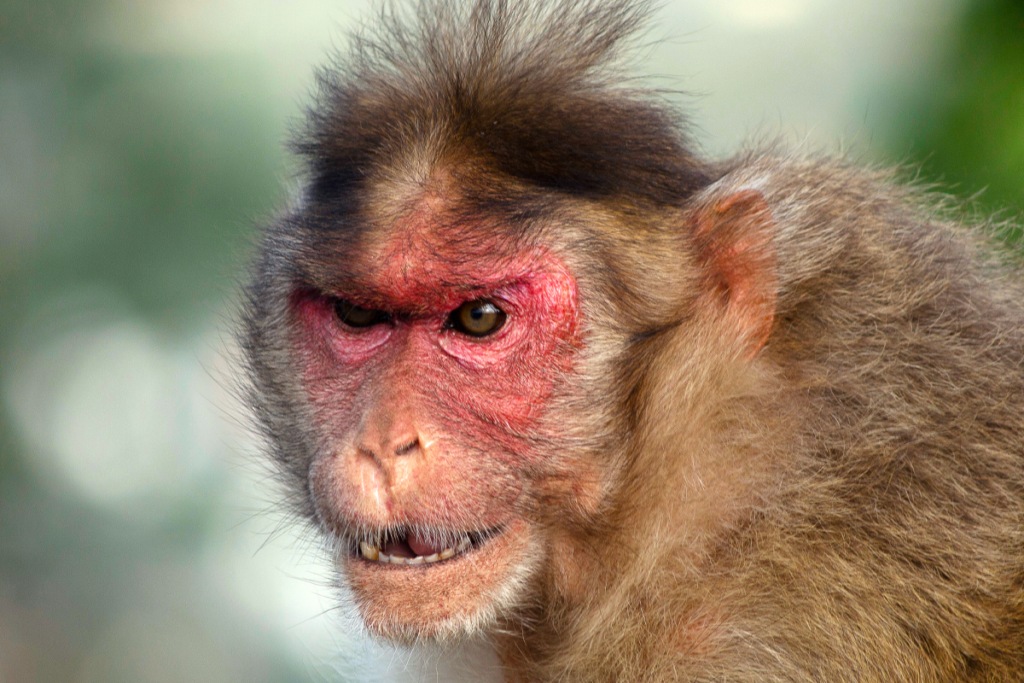
Some facial expressions are less reflexive than previously thought
A countenance such as a grimace activates many of the same cortical pathways as voluntary facial movements.
Some facial expressions are less reflexive than previously thought
A countenance such as a grimace activates many of the same cortical pathways as voluntary facial movements.
Emotion research has a communication conundrum
In 2025, the words we use to describe emotions matter, but their definitions are controversial. Here, I unpack the different positions in this space and the rationales behind them—and I invite 13 experts to chime in.
Emotion research has a communication conundrum
In 2025, the words we use to describe emotions matter, but their definitions are controversial. Here, I unpack the different positions in this space and the rationales behind them—and I invite 13 experts to chime in.
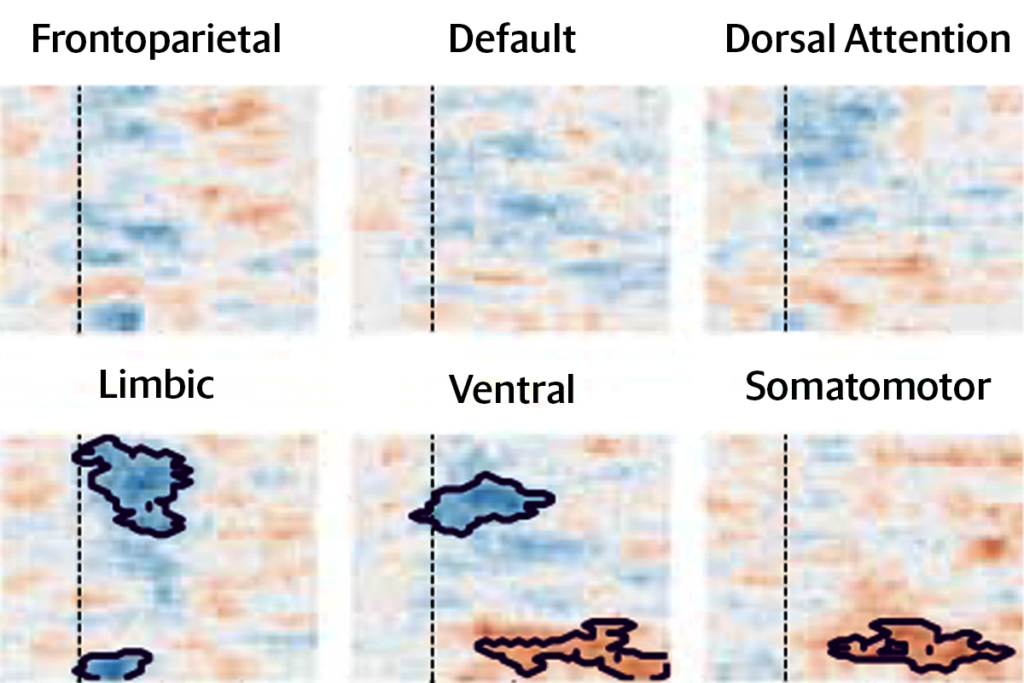
Eye puffs prompt separable sensory, affective brain responses in mice, people
Post-puff brain state might not be an emotion, some researchers caution, but the protocol provides a cross-species approach to study emotions.
Eye puffs prompt separable sensory, affective brain responses in mice, people
Post-puff brain state might not be an emotion, some researchers caution, but the protocol provides a cross-species approach to study emotions.
The case for redefining ‘theory of mind’: Q&A with François Quesque
In a new commentary, Quesque and 44 experts in neuroscience and psychology propose a standardized lexicon for research on the attribution of mental states.
The case for redefining ‘theory of mind’: Q&A with François Quesque
In a new commentary, Quesque and 44 experts in neuroscience and psychology propose a standardized lexicon for research on the attribution of mental states.
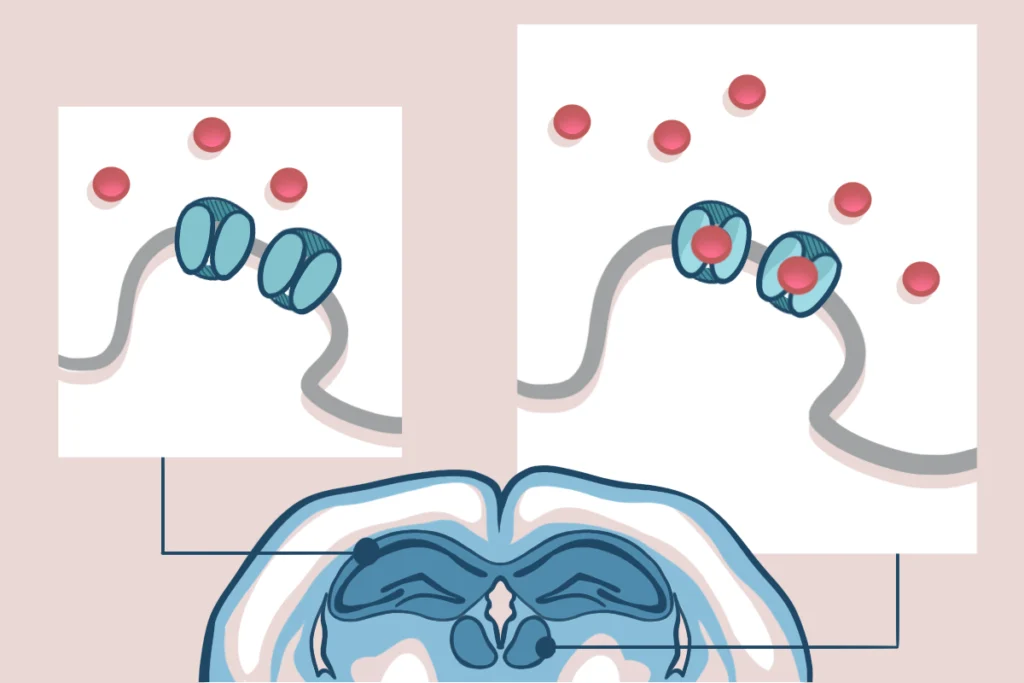
Ketamine targets lateral habenula, setting off cascade of antidepressant effects
The drug’s affinity for overactive cells in the “anti-reward” region may help explain its rapid and long-lasting results.
Ketamine targets lateral habenula, setting off cascade of antidepressant effects
The drug’s affinity for overactive cells in the “anti-reward” region may help explain its rapid and long-lasting results.
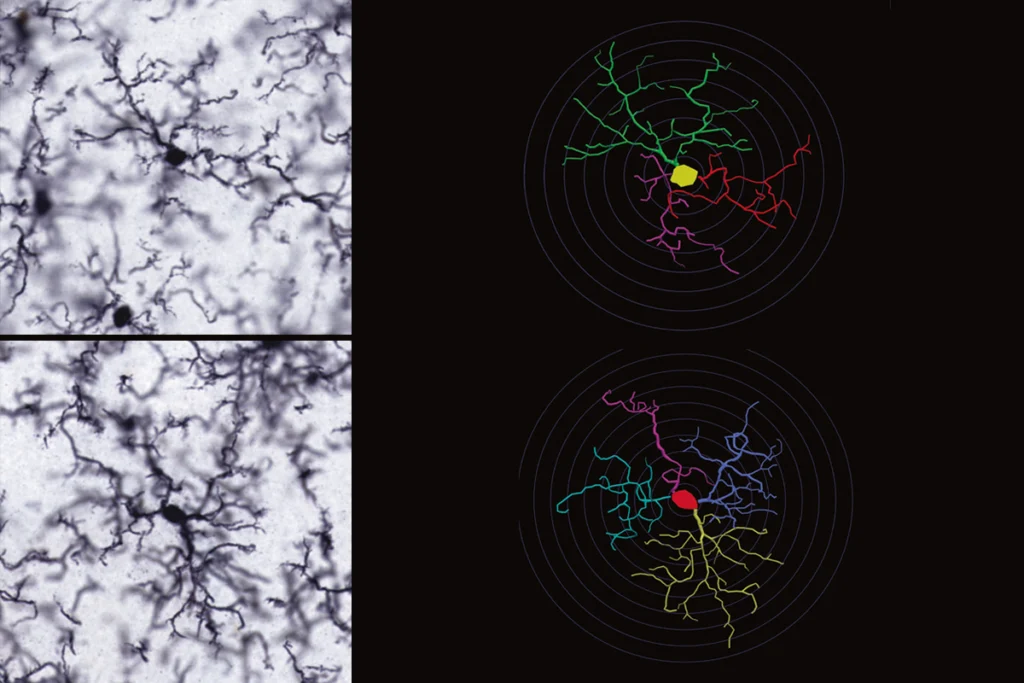
Temperament is innate but hackable, animal studies suggest
Emotional reactivity and vulnerability to stress are largely inherited in rodents — but can be modified in early life by targeting inflammation-related cells or even just adjusting an animal’s environment.
Temperament is innate but hackable, animal studies suggest
Emotional reactivity and vulnerability to stress are largely inherited in rodents — but can be modified in early life by targeting inflammation-related cells or even just adjusting an animal’s environment.
Autism research hits the road
Some scientists are thinking creatively about how to collect data in flexible environments and meet communities where they’re at.
Autism research hits the road
Some scientists are thinking creatively about how to collect data in flexible environments and meet communities where they’re at.
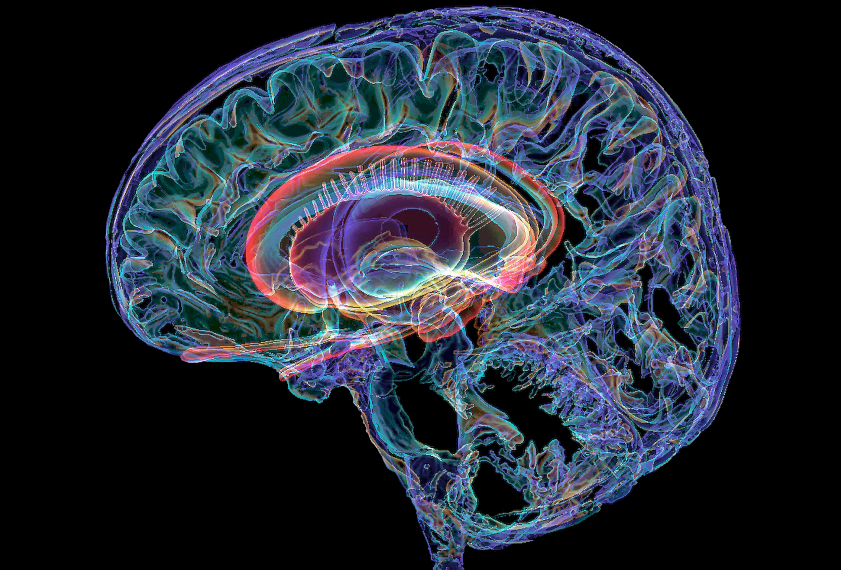
Amygdala-linked brain areas grow differently in autism
The growth differences vary between autistic boys and girls and are most apparent among children with prominent social difficulties.
Amygdala-linked brain areas grow differently in autism
The growth differences vary between autistic boys and girls and are most apparent among children with prominent social difficulties.
Null and Noteworthy: Halted vasopressin trial, intact visual memory, a new way to study emotions
In this edition of Null and Noteworthy, a large clinical trial goes sideways, while memory and emotions hold up.
Null and Noteworthy: Halted vasopressin trial, intact visual memory, a new way to study emotions
In this edition of Null and Noteworthy, a large clinical trial goes sideways, while memory and emotions hold up.

How an understudied trait has skewed autism studies for decades
Many autistic people have a little-known trait called alexithymia, defined as having difficulty identifying one's own emotions. New research suggests that the overlap has been confounding studies of emotional issues in people with autism for decades.
How an understudied trait has skewed autism studies for decades
Many autistic people have a little-known trait called alexithymia, defined as having difficulty identifying one's own emotions. New research suggests that the overlap has been confounding studies of emotional issues in people with autism for decades.
Explore more from The Transmitter
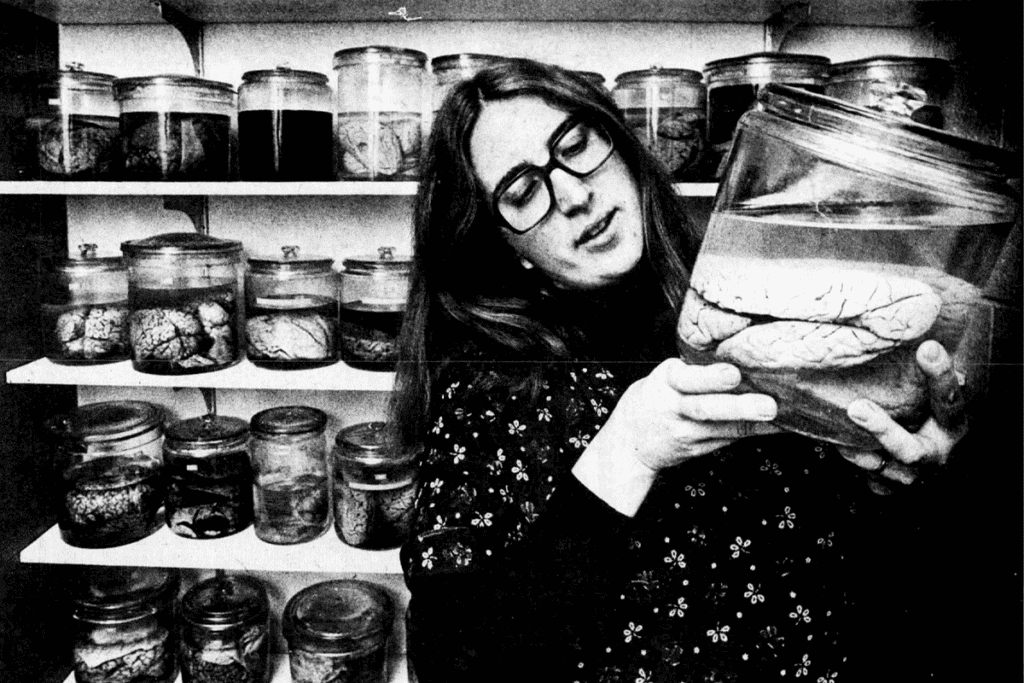
Remembering Barbara Finlay, ‘maverick’ of evolutionary neuroscience
Finlay, who died on 12 September, championed the idea that developmental constraints dictate how evolution sculpts brains, a concept she used to model the timing of hundreds of events and align them across mammalian species.
Remembering Barbara Finlay, ‘maverick’ of evolutionary neuroscience
Finlay, who died on 12 September, championed the idea that developmental constraints dictate how evolution sculpts brains, a concept she used to model the timing of hundreds of events and align them across mammalian species.
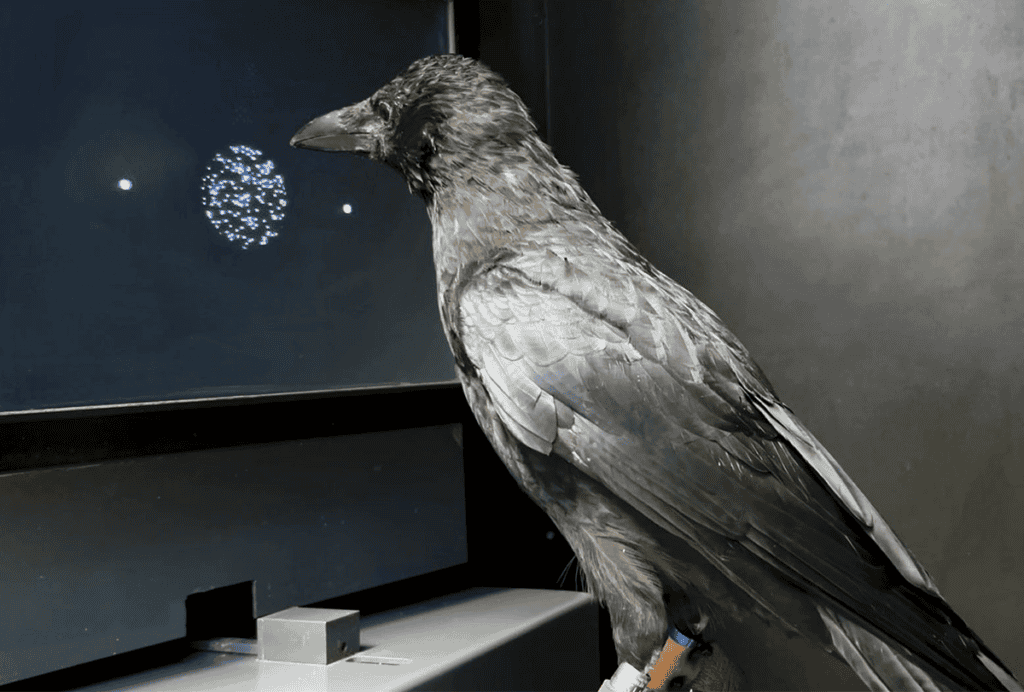
Crows have brains ‘in the fast lane’
The birds accurately complete decision-making tasks twice as fast as primates, although their endbrains look considerably different.
Crows have brains ‘in the fast lane’
The birds accurately complete decision-making tasks twice as fast as primates, although their endbrains look considerably different.

Prevalence of profound autism declines with new definition
The updated, more precise definition used in a CDC study includes adaptive scores.
Prevalence of profound autism declines with new definition
The updated, more precise definition used in a CDC study includes adaptive scores.