Monkeys
Recent articles
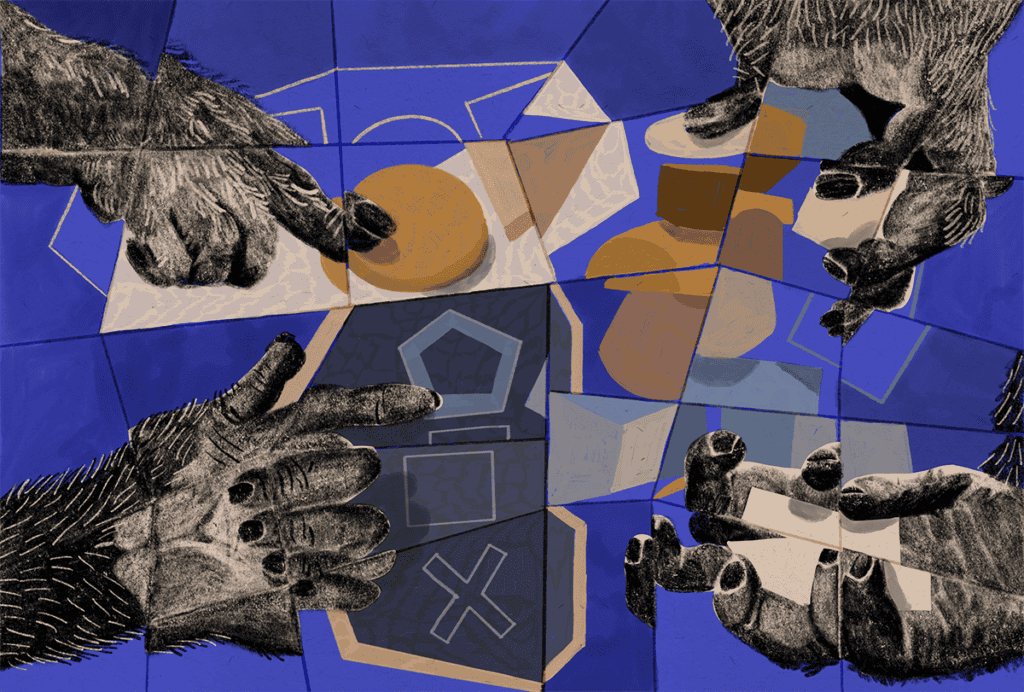
The neuroscience questions that need nonhuman primates
The Transmitter asked 17 neuroscientists what questions might remain unanswered if support for nonhuman primate research continues to decline.
The neuroscience questions that need nonhuman primates
The Transmitter asked 17 neuroscientists what questions might remain unanswered if support for nonhuman primate research continues to decline.
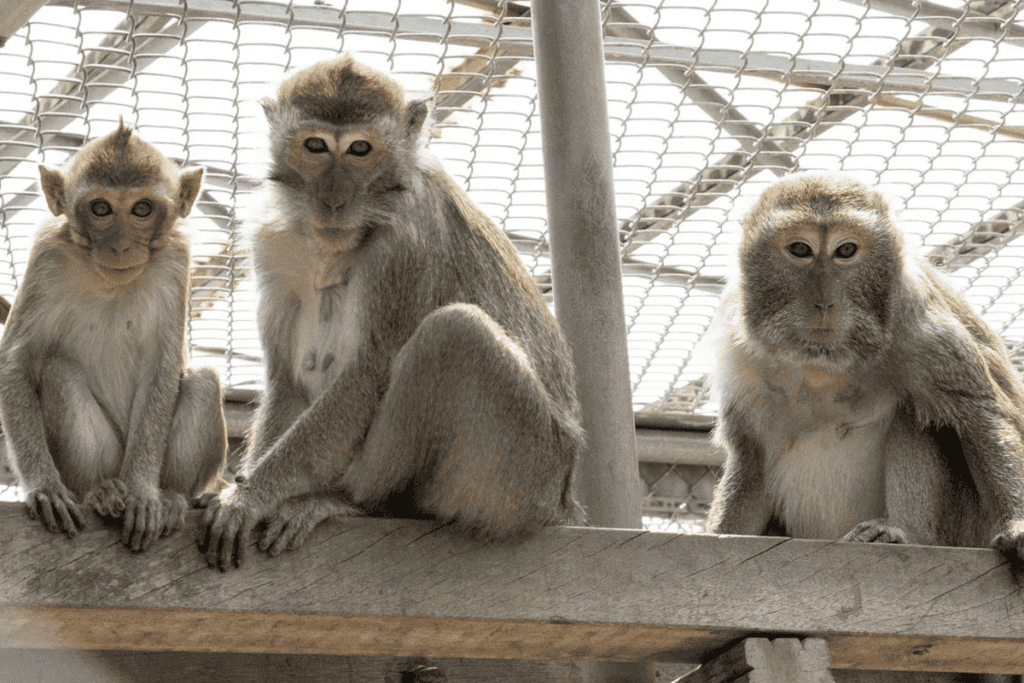
Dutch primate center awaits October animal research debate
Science is forging ahead at the Biomedical Primate Research Centre in the Netherlands, following a reversal of last year’s mandate to phase out primate studies. But researchers aren’t sure how long the reprieve will last.
Dutch primate center awaits October animal research debate
Science is forging ahead at the Biomedical Primate Research Centre in the Netherlands, following a reversal of last year’s mandate to phase out primate studies. But researchers aren’t sure how long the reprieve will last.
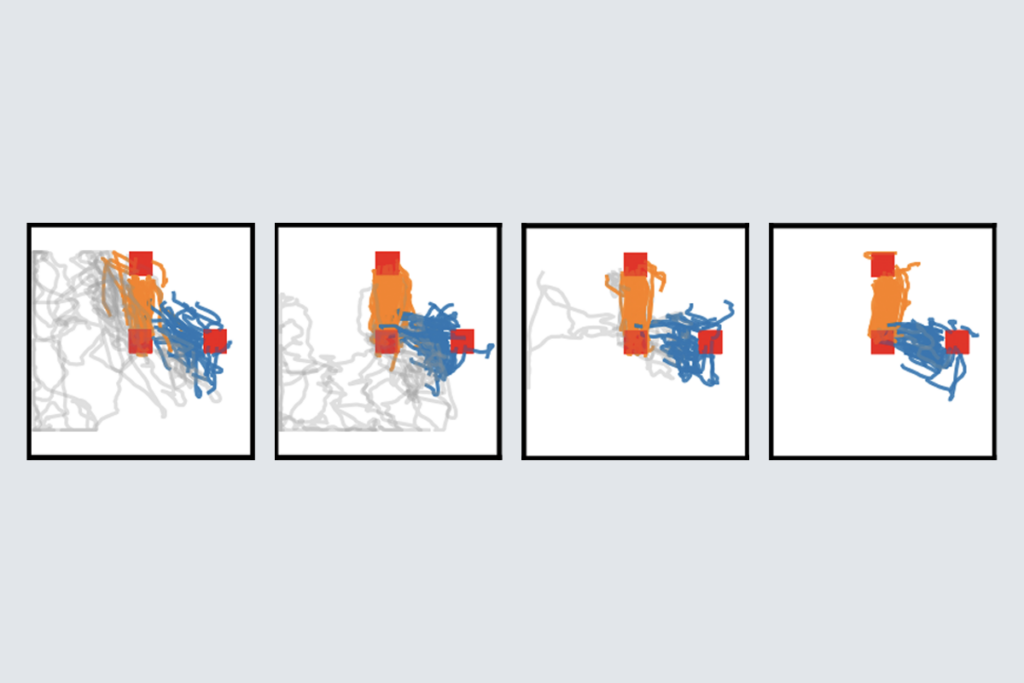
Recording warning: Common brain signal may be misunderstood
High gamma activity in electrophysiologic recordings reflects widespread neural activity, not merely local firing, as previously thought.
Recording warning: Common brain signal may be misunderstood
High gamma activity in electrophysiologic recordings reflects widespread neural activity, not merely local firing, as previously thought.
Cortical area remixes macaques’ knowledge blocks to solve new problems
When monkeys draw complex shapes, their neural activity reflects patterns of activation elicited by drawing simpler, component shapes.
Cortical area remixes macaques’ knowledge blocks to solve new problems
When monkeys draw complex shapes, their neural activity reflects patterns of activation elicited by drawing simpler, component shapes.
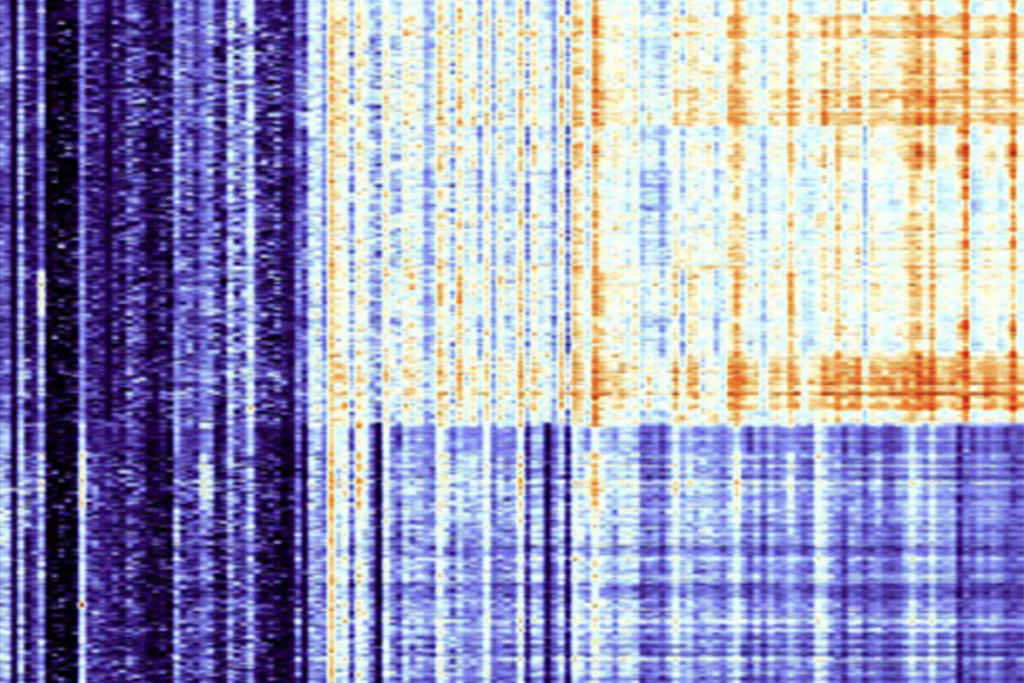
Switching neural code may solve ongoing face-recognition debate
Face patch cells in macaque monkeys initially respond to images of any object but rapidly transition to attend to faces exclusively, a new study finds.
Switching neural code may solve ongoing face-recognition debate
Face patch cells in macaque monkeys initially respond to images of any object but rapidly transition to attend to faces exclusively, a new study finds.
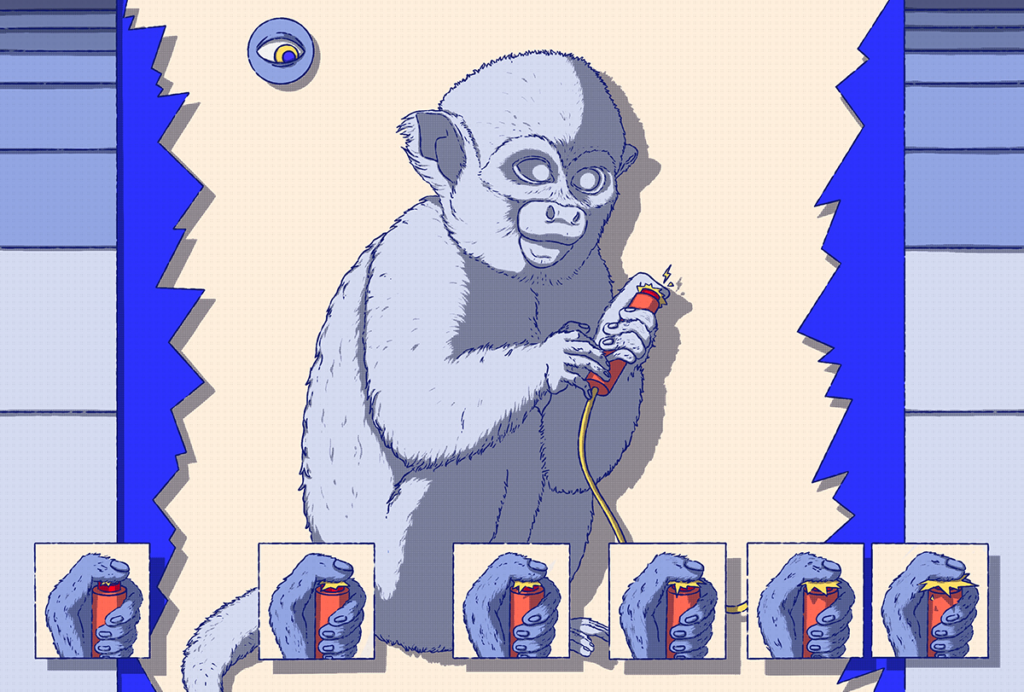
This paper changed my life: Erin Calipari ponders the nuances of rewarding and aversive stimuli
A 1960s study by Kelleher and Morse found that lever pressing in squirrel monkeys depended not on whether they received a reward or shock, but on the rules of the task. This taught Calipari to think deeply about factors that influence how behavior is generated and maintained.
This paper changed my life: Erin Calipari ponders the nuances of rewarding and aversive stimuli
A 1960s study by Kelleher and Morse found that lever pressing in squirrel monkeys depended not on whether they received a reward or shock, but on the rules of the task. This taught Calipari to think deeply about factors that influence how behavior is generated and maintained.
Two primate centers drop ‘primate’ from their name
The Washington and Tulane National Biomedical Research Centers—formerly called National Primate Research Centers—say they made the change to better reflect the breadth of research performed at the centers.
Two primate centers drop ‘primate’ from their name
The Washington and Tulane National Biomedical Research Centers—formerly called National Primate Research Centers—say they made the change to better reflect the breadth of research performed at the centers.
Oregon primate research center to negotiate with NIH on possible transition to sanctuary
The board of directors at Oregon Health & Science University, which runs the primate center, voted unanimously in favor of the move.
Oregon primate research center to negotiate with NIH on possible transition to sanctuary
The board of directors at Oregon Health & Science University, which runs the primate center, voted unanimously in favor of the move.
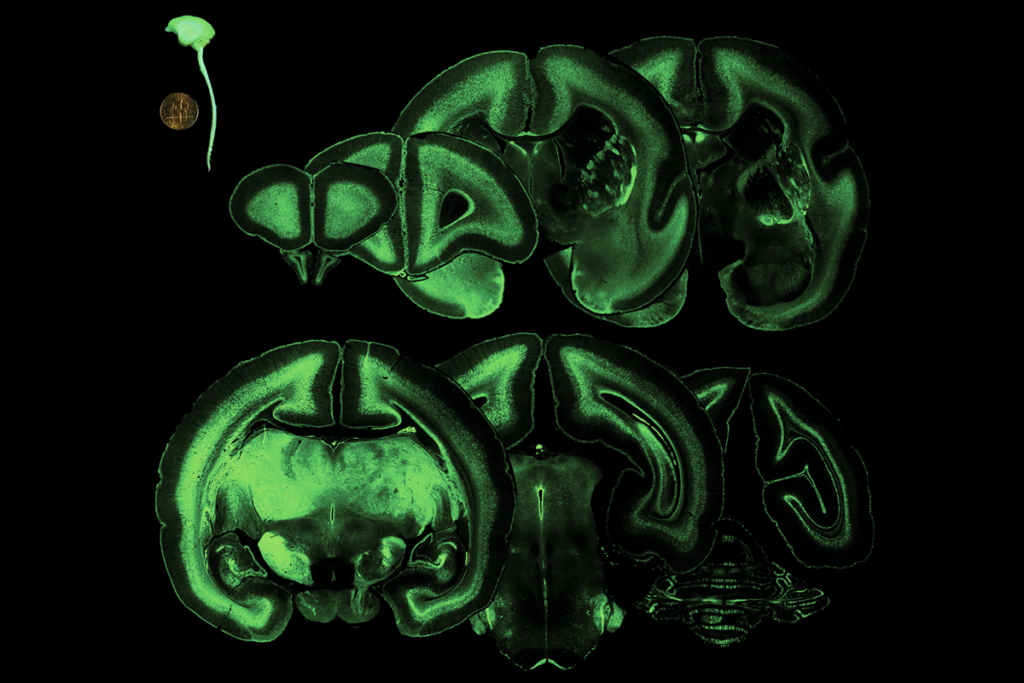
Prenatal viral injections prime primate brain for study
The approach makes it possible to deploy tools such as CRISPR and optogenetics across the monkey brain before birth.
Prenatal viral injections prime primate brain for study
The approach makes it possible to deploy tools such as CRISPR and optogenetics across the monkey brain before birth.
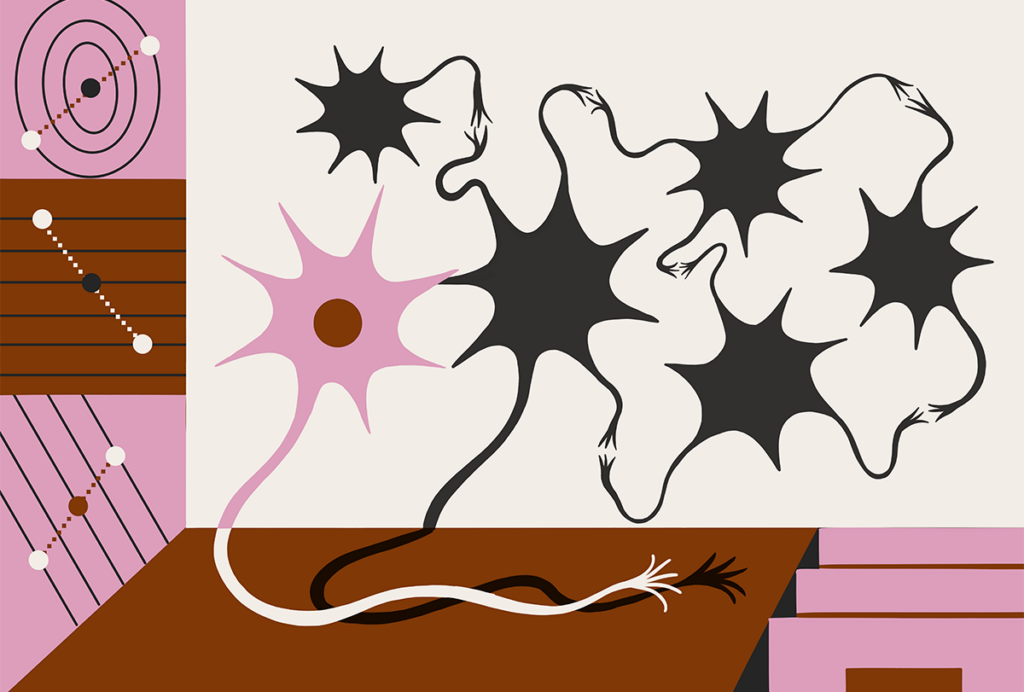
This paper changed my life: Nancy Padilla-Coreano on learning the value of population coding
The 2013 Nature paper by Mattia Rigotti and his colleagues revealed how mixed selectivity neurons—cells that are not selectively tuned to a stimulus—play a key role in cognition.
This paper changed my life: Nancy Padilla-Coreano on learning the value of population coding
The 2013 Nature paper by Mattia Rigotti and his colleagues revealed how mixed selectivity neurons—cells that are not selectively tuned to a stimulus—play a key role in cognition.
Explore more from The Transmitter
University probe leads to retraction of four neural tube studies
The University of Maryland conducted an internal investigation that identified image duplications and other data integrity issues in the studies, according to the retraction notices.
University probe leads to retraction of four neural tube studies
The University of Maryland conducted an internal investigation that identified image duplications and other data integrity issues in the studies, according to the retraction notices.

Highly cited autism paper earns expression of concern over data duplications
The notice, published in Nature last week, also addressed an image duplication identified by a prominent research-integrity sleuth.
Highly cited autism paper earns expression of concern over data duplications
The notice, published in Nature last week, also addressed an image duplication identified by a prominent research-integrity sleuth.
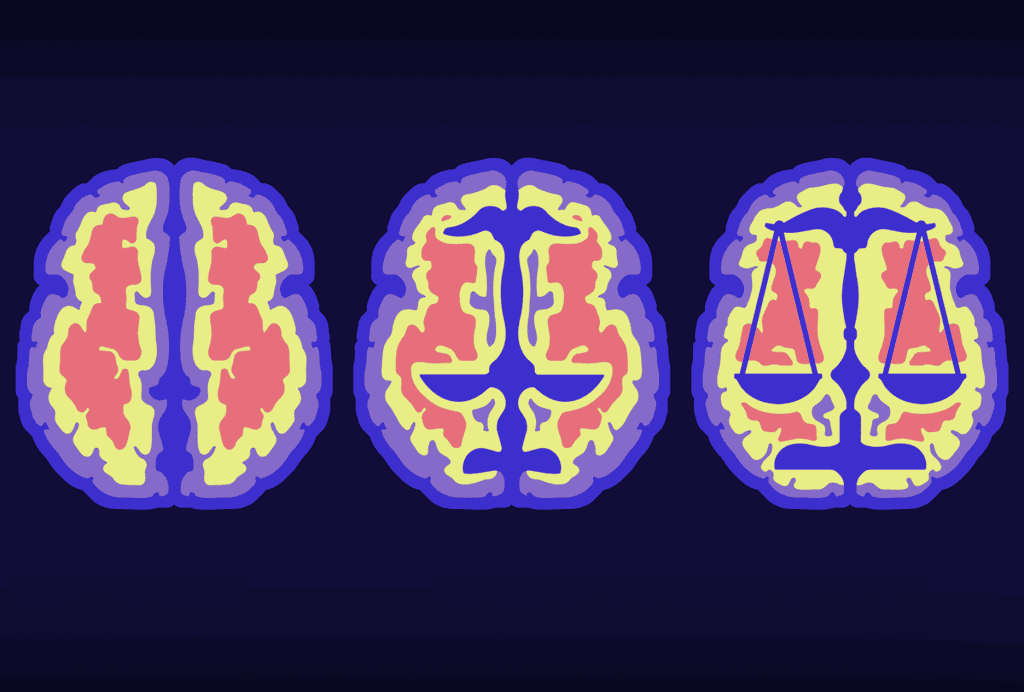
Govern neurodata by how it’s used, not where it’s from
New neurodata laws will shape how researchers gather, share and reuse brain data. A use-based governance protects basic researchers and those whose data are being used, without freezing science.
Govern neurodata by how it’s used, not where it’s from
New neurodata laws will shape how researchers gather, share and reuse brain data. A use-based governance protects basic researchers and those whose data are being used, without freezing science.