News
Recent articles
The latest developments in neuroscience
Brain registers spatial location outside hippocampus
A more complex picture of how an animal’s brain tracks its location is starting to emerge.
Brain registers spatial location outside hippocampus
A more complex picture of how an animal’s brain tracks its location is starting to emerge.
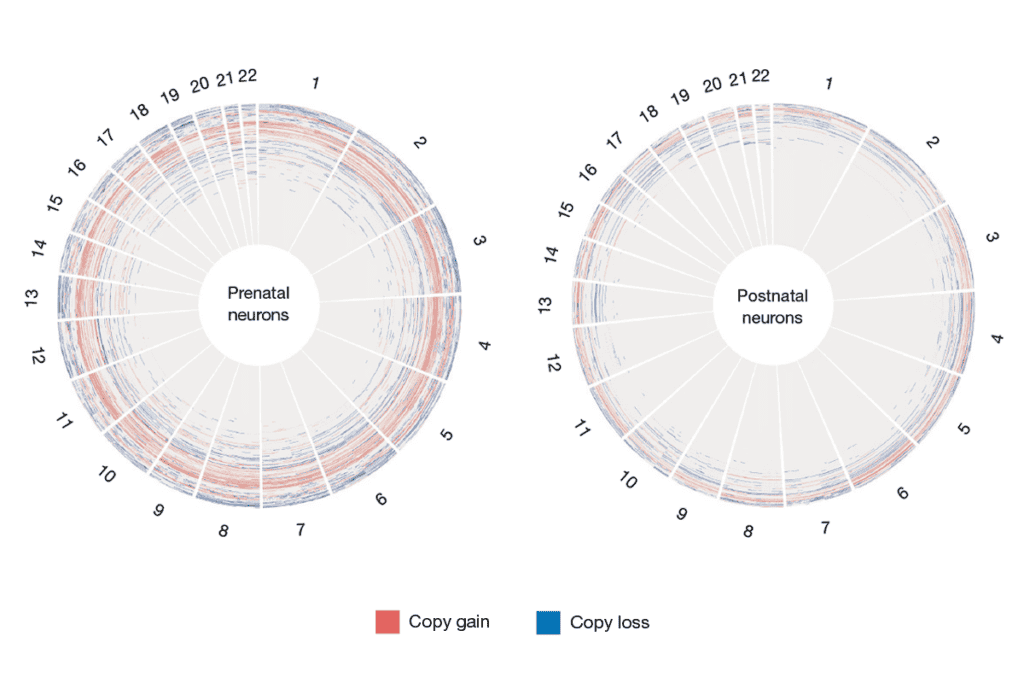
Prenatal pruning of neurons with copy number variants; and more
Here is a roundup of autism-related news and research spotted around the web for the week of 2 November.
Prenatal pruning of neurons with copy number variants; and more
Here is a roundup of autism-related news and research spotted around the web for the week of 2 November.
New Stanford initiative aims to build digital twin of human brain
The effort, funded by private donors, seeks to train the model on a trove of MRI and magnetoencephalography data that scientists plan to collect over the next five years—but questions about its scientific utility and feasibility remain.
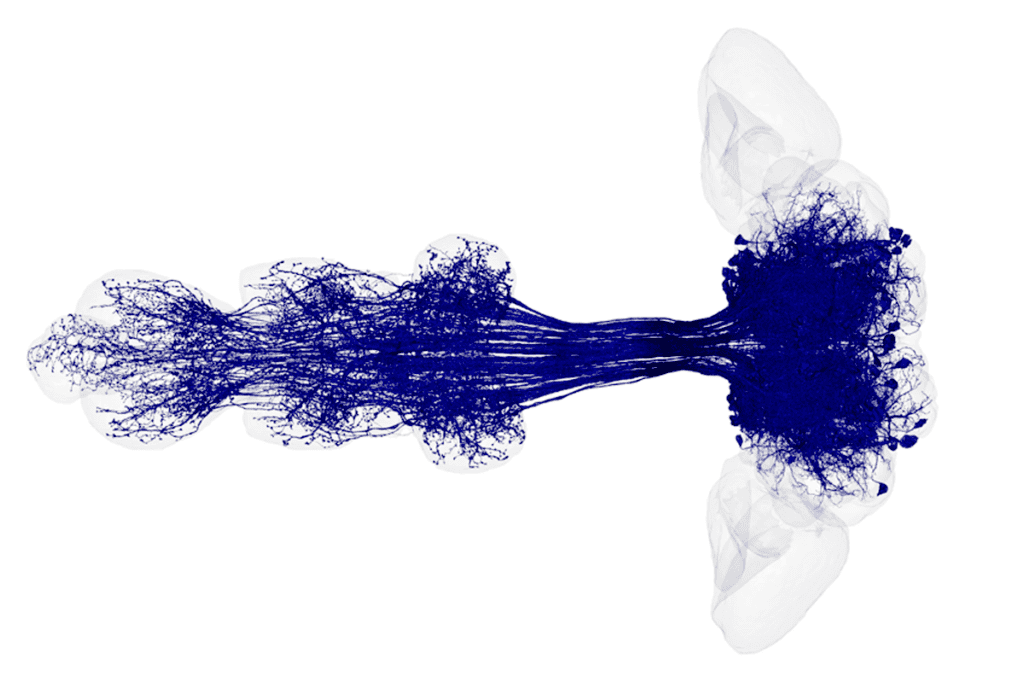
Fly taste connectome traces paths from sensation to action
The map—the first of its kind for an animal more complex than Caenorhabditis elegans—gives neuroscientists a trove of testable hypotheses about how neuronal circuits guide feeding behaviors.
Fly taste connectome traces paths from sensation to action
The map—the first of its kind for an animal more complex than Caenorhabditis elegans—gives neuroscientists a trove of testable hypotheses about how neuronal circuits guide feeding behaviors.
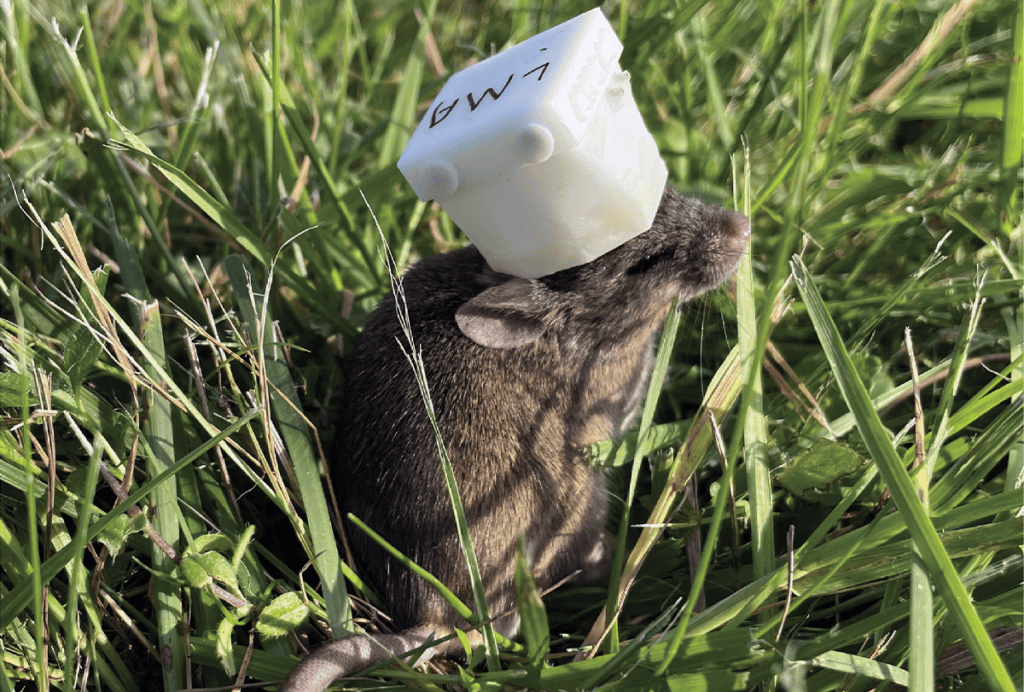
WILD platform levels up ability to record brain activity, behavior in nature
The customizable rig combines multimodal recording, onboard processing and neuronal manipulation to power more complex experiments.
WILD platform levels up ability to record brain activity, behavior in nature
The customizable rig combines multimodal recording, onboard processing and neuronal manipulation to power more complex experiments.
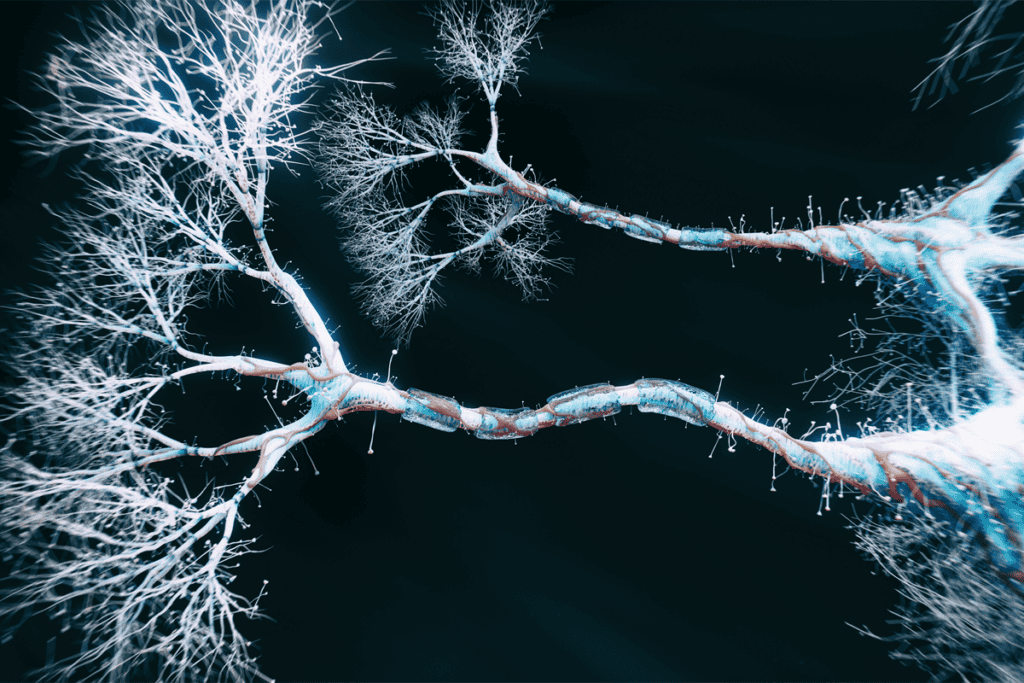
How brains prevent ‘catastrophic forgetting’
Dendrite-specific inhibition lets overlapping neuronal assemblies form across brain areas without erasing existing memories, a new modeling study suggests.
How brains prevent ‘catastrophic forgetting’
Dendrite-specific inhibition lets overlapping neuronal assemblies form across brain areas without erasing existing memories, a new modeling study suggests.
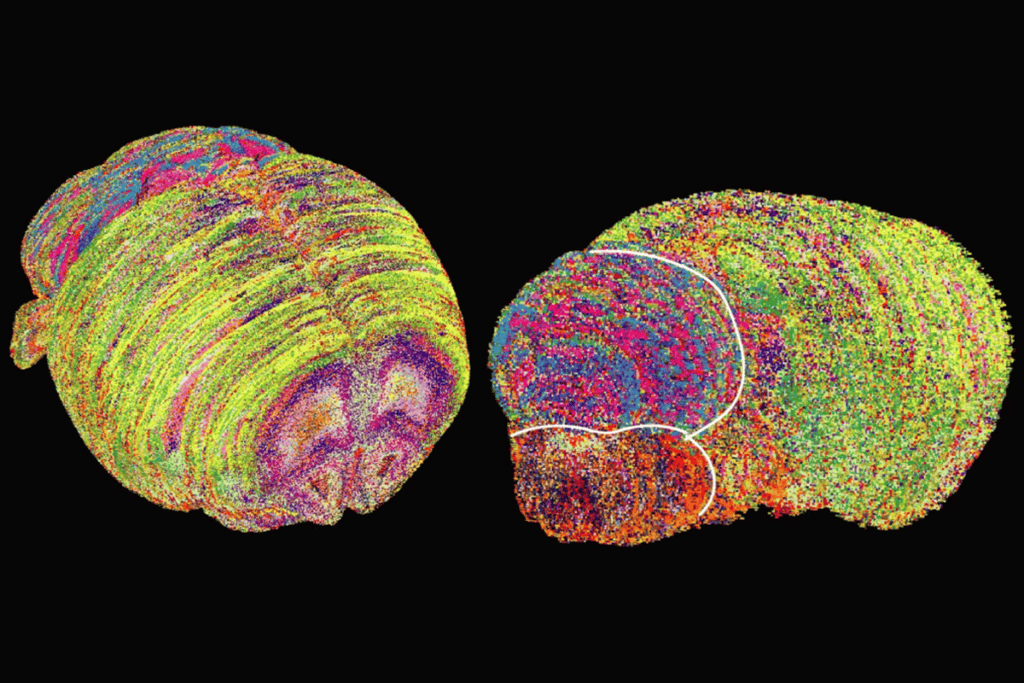
Lipids enter brain mapping limelight
Two new studies, including the first whole-brain lipid atlas in mice, uncover unforeseen complexity and influence during pregnancy and aging.
Lipids enter brain mapping limelight
Two new studies, including the first whole-brain lipid atlas in mice, uncover unforeseen complexity and influence during pregnancy and aging.
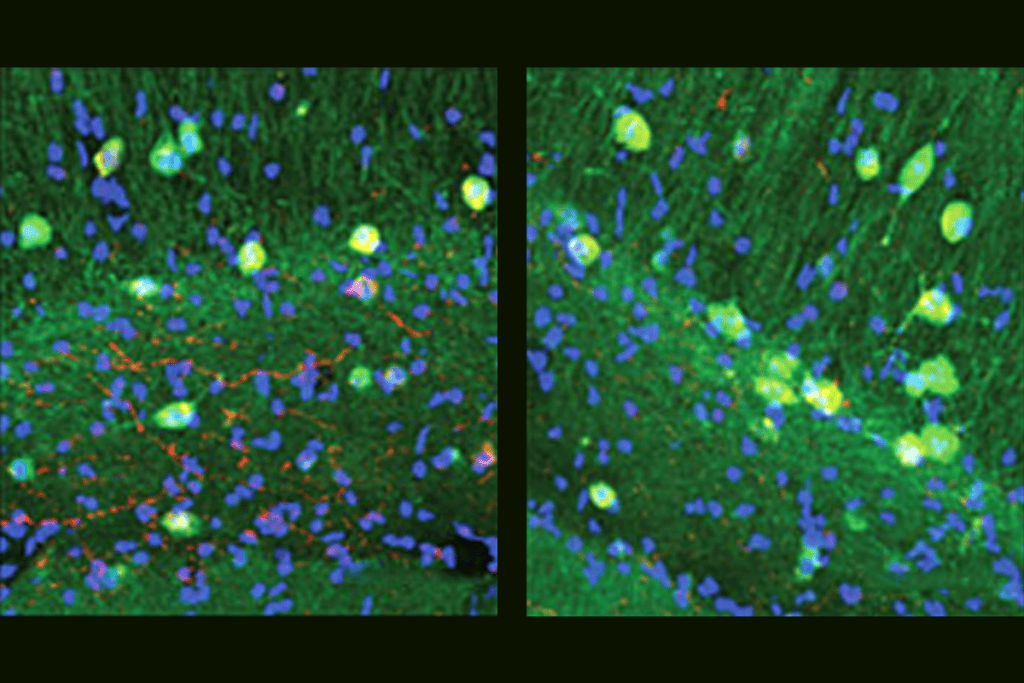
Behavioral phenomics in zebrafish; and more
Here is a roundup of autism-related news and research spotted around the web for the week of 26 October.
Behavioral phenomics in zebrafish; and more
Here is a roundup of autism-related news and research spotted around the web for the week of 26 October.
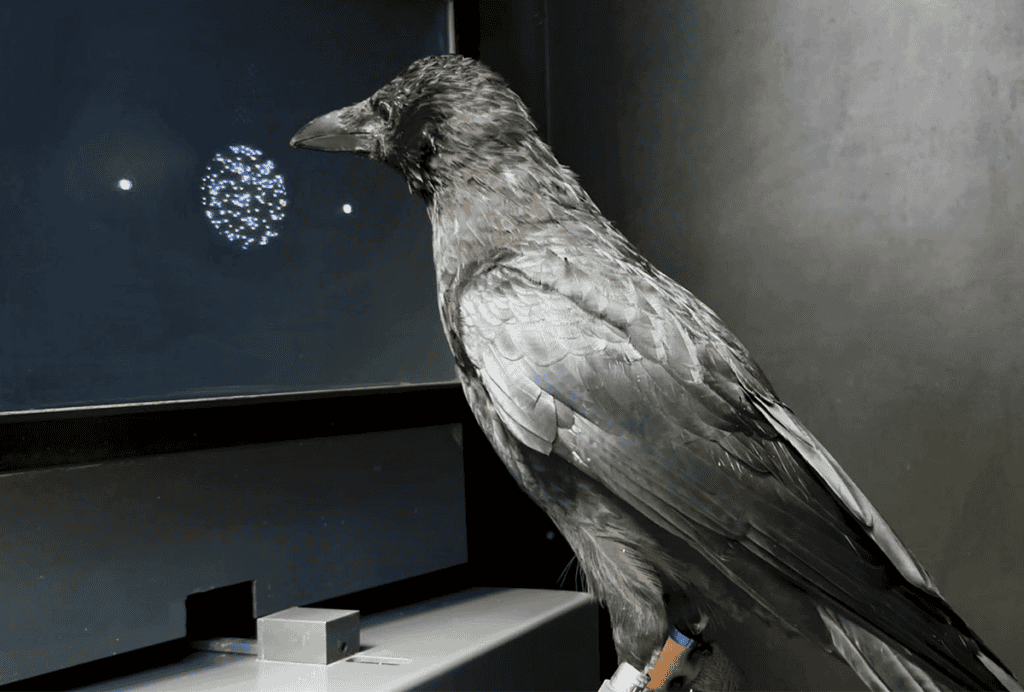
Crows have brains ‘in the fast lane’
The birds accurately complete decision-making tasks twice as fast as primates, although their endbrains look considerably different.
Crows have brains ‘in the fast lane’
The birds accurately complete decision-making tasks twice as fast as primates, although their endbrains look considerably different.

Prevalence of profound autism declines with new definition
The updated, more precise definition used in a CDC study includes adaptive scores.
Prevalence of profound autism declines with new definition
The updated, more precise definition used in a CDC study includes adaptive scores.
Explore more from The Transmitter

Amid funding uncertainty, graduate neuroscience programs in the U.S. adapt
The Transmitter surveyed 50 graduate program directors to learn how they’re faring. Securing labs for new students is one of the greatest concerns.
Amid funding uncertainty, graduate neuroscience programs in the U.S. adapt
The Transmitter surveyed 50 graduate program directors to learn how they’re faring. Securing labs for new students is one of the greatest concerns.

The changing nature of the neuroscience Ph.D.
The best science can only be sustained by a steady influx of early-stage scientists and the innovative ideas they bring, says Diane Lipscombe. She reflects on the loss of international students, the value of training grants, and the challenges that lie ahead for graduate education.
Rethinking neuroscience graduate education in the age of AI
What knowledge from traditional training protocols needs to be maintained, what can be discarded, and what new types of training should be introduced? Six neuroscientists weigh in.
Rethinking neuroscience graduate education in the age of AI
What knowledge from traditional training protocols needs to be maintained, what can be discarded, and what new types of training should be introduced? Six neuroscientists weigh in.