Methods
Recent articles
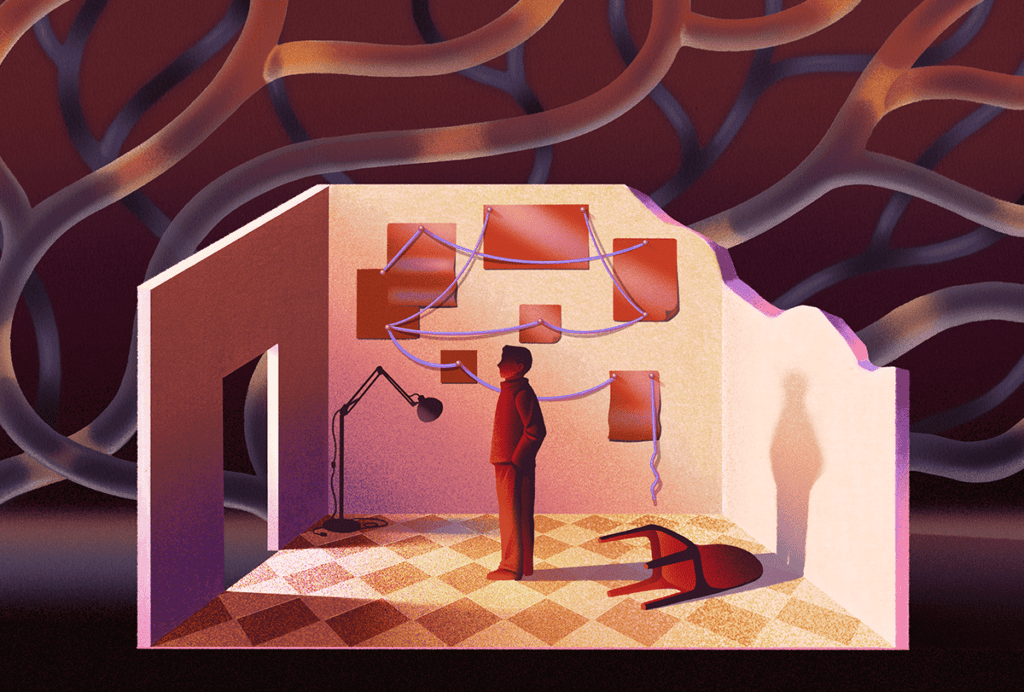
What to do when traditional mechanistic approaches no longer work
Many complex behaviors have stubbornly resisted mechanistic explanations. Deciphering them will require new approaches—and perhaps a new concept of “understanding.”
What to do when traditional mechanistic approaches no longer work
Many complex behaviors have stubbornly resisted mechanistic explanations. Deciphering them will require new approaches—and perhaps a new concept of “understanding.”
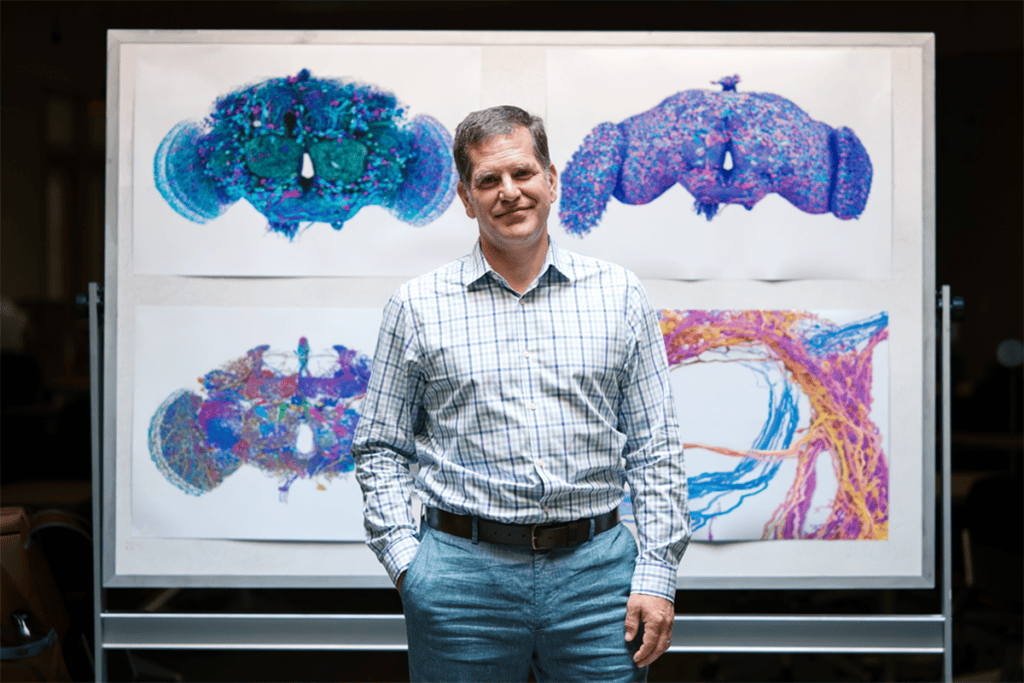
Beyond wiring diagrams: Inside a $19 million effort to expand access to connectome technology
Davi Bock’s lab took the millions of images that led to the complete connectome of a fruit fly brain. Now he wants to apply “this high-throughput flashlight across all areas of biology.”
Beyond wiring diagrams: Inside a $19 million effort to expand access to connectome technology
Davi Bock’s lab took the millions of images that led to the complete connectome of a fruit fly brain. Now he wants to apply “this high-throughput flashlight across all areas of biology.”
What AI can learn from hunger
To enhance AI safety, take a lesson from biological brains; a small set of wants maintains durable control over a much larger cognitive system.
What AI can learn from hunger
To enhance AI safety, take a lesson from biological brains; a small set of wants maintains durable control over a much larger cognitive system.
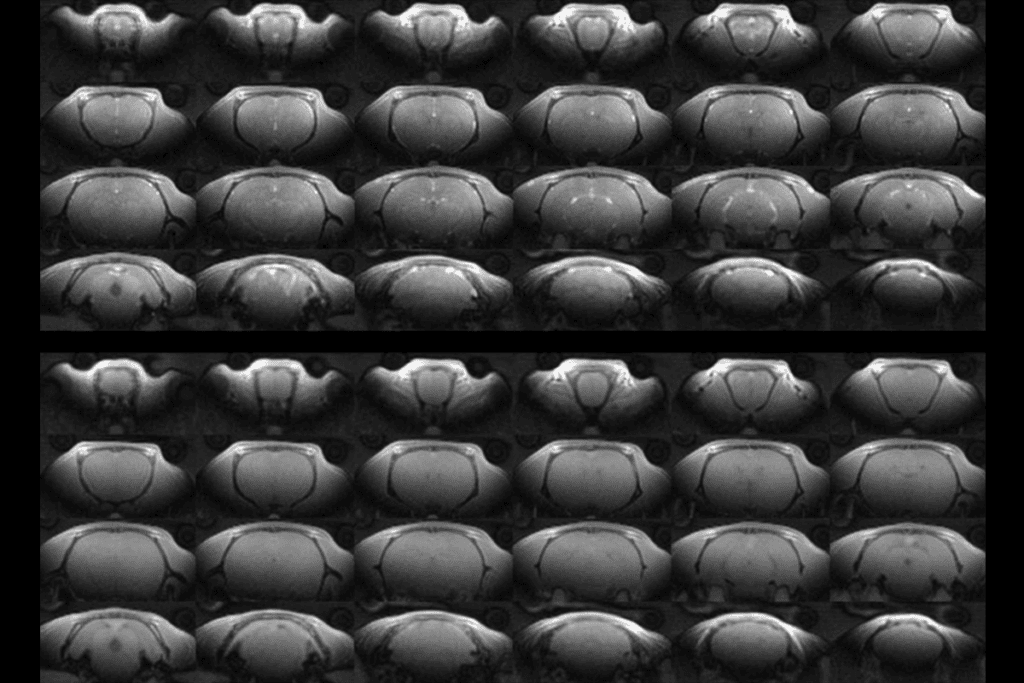
Silent, motion-resistant fMRI expands scans in behaving mice
The method, called SORDINO, captures brain images in animals while they move and interact.
Silent, motion-resistant fMRI expands scans in behaving mice
The method, called SORDINO, captures brain images in animals while they move and interact.
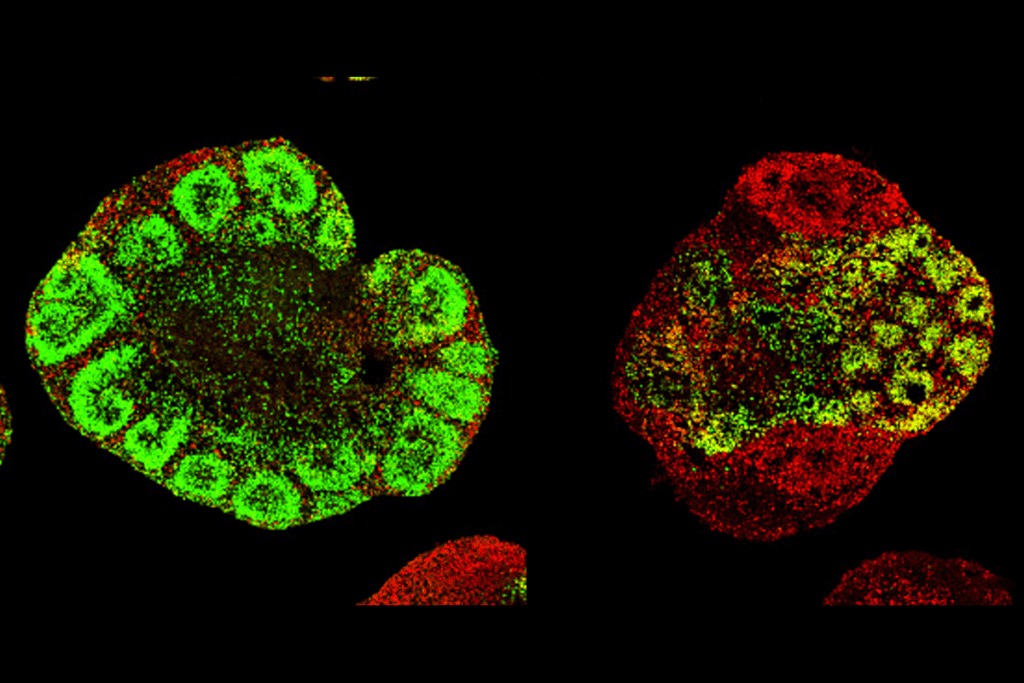
Polarized cortical organoids mimic the brain’s regional organization
The organoids show region-specific gene-expression changes that match those observed during fetal development.
Polarized cortical organoids mimic the brain’s regional organization
The organoids show region-specific gene-expression changes that match those observed during fetal development.
How neuromorphic computing could improve AI
Mihai Petrovici explains what neuromorphic computing is and how it can speed up and reduce energy consumption in artificial intelligence and brain simulations.
How neuromorphic computing could improve AI
Mihai Petrovici explains what neuromorphic computing is and how it can speed up and reduce energy consumption in artificial intelligence and brain simulations.
Mind over metrics: How can we tell if two brains (or AI models) are alike?
The ability to record from large populations of neurons has triggered the development of myriad methods for comparing them. But we’re still grappling with how to convert measures of likeness into a better mechanistic understanding.
Mind over metrics: How can we tell if two brains (or AI models) are alike?
The ability to record from large populations of neurons has triggered the development of myriad methods for comparing them. But we’re still grappling with how to convert measures of likeness into a better mechanistic understanding.

Study questions DSM-5’s combining of autism traits
Sensory traits and restricted and repetitive behaviors are best understood as distinct but related characteristics, the new work suggests.
Study questions DSM-5’s combining of autism traits
Sensory traits and restricted and repetitive behaviors are best understood as distinct but related characteristics, the new work suggests.
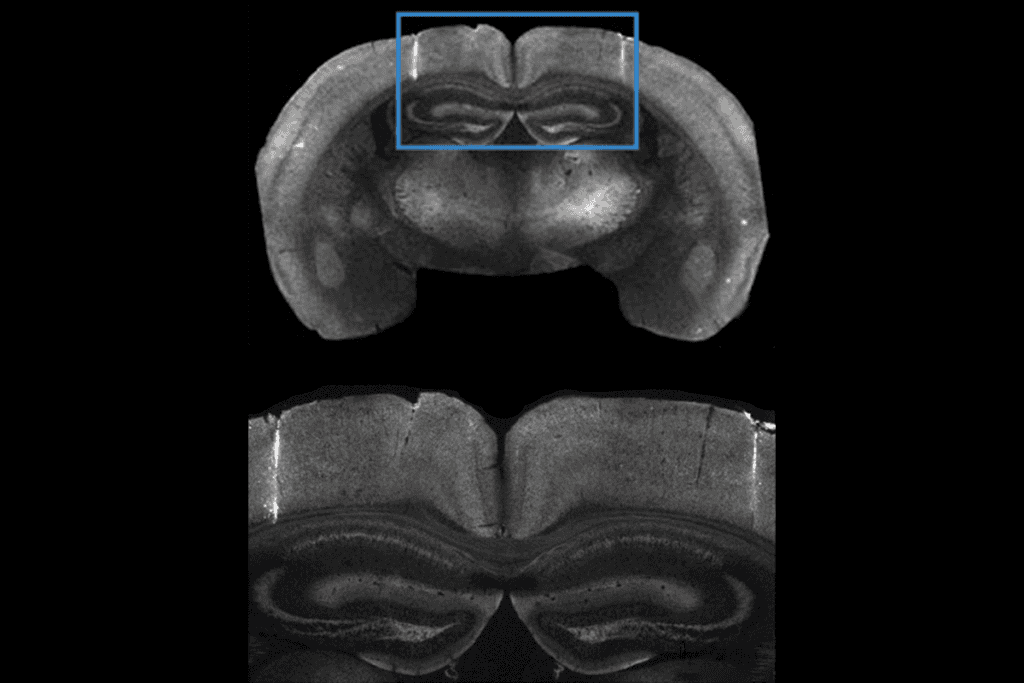
Making waves: Sleep-like brain activity in awake mice lowers sleep need, boosts memory
Alternating on/off firing patterns don’t just characterize deep, slow-wave sleep, they drive some of its restorative benefits, new findings suggest.
Making waves: Sleep-like brain activity in awake mice lowers sleep need, boosts memory
Alternating on/off firing patterns don’t just characterize deep, slow-wave sleep, they drive some of its restorative benefits, new findings suggest.
Mass-produced science is coming. What happens to scientists?
Artificial intelligence may soon enable researchers to generate high-quality science at a previously unimaginable speed. For science consumers—the public, medical patients, technology users—the likely effects will be positive. For scientists, the effects will be as disruptive as industrial mass production was for artisan manufacturers.
Mass-produced science is coming. What happens to scientists?
Artificial intelligence may soon enable researchers to generate high-quality science at a previously unimaginable speed. For science consumers—the public, medical patients, technology users—the likely effects will be positive. For scientists, the effects will be as disruptive as industrial mass production was for artisan manufacturers.
Explore more from The Transmitter
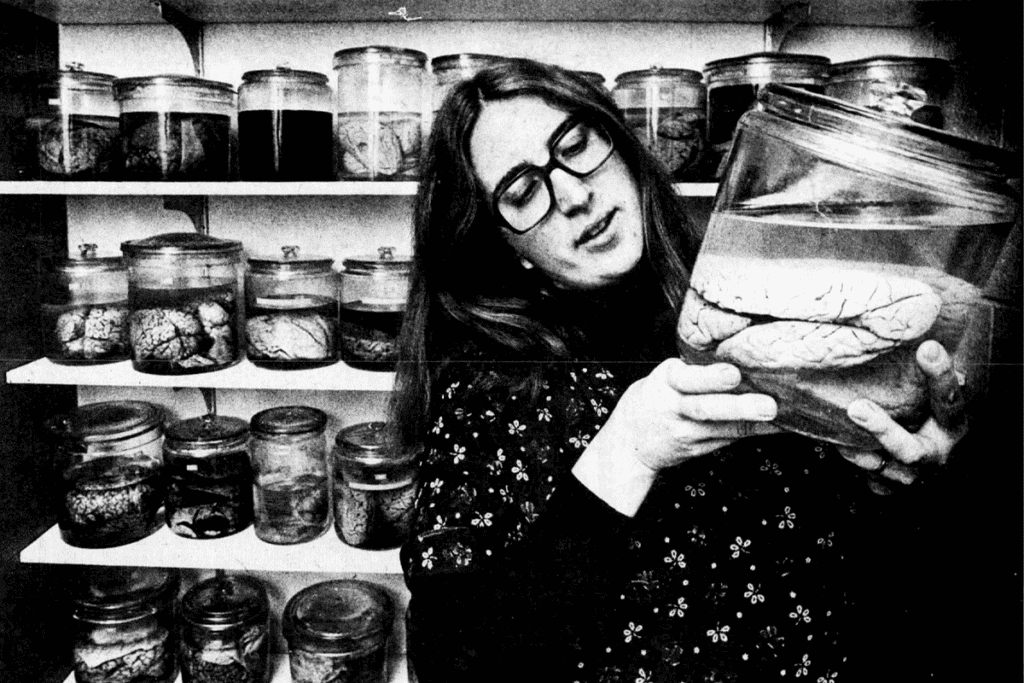
Remembering Barbara Finlay, ‘maverick’ of evolutionary neuroscience
Finlay, who died on 12 September, championed the idea that developmental constraints dictate how evolution sculpts brains, a concept she used to model the timing of hundreds of events and align them across mammalian species.
Remembering Barbara Finlay, ‘maverick’ of evolutionary neuroscience
Finlay, who died on 12 September, championed the idea that developmental constraints dictate how evolution sculpts brains, a concept she used to model the timing of hundreds of events and align them across mammalian species.
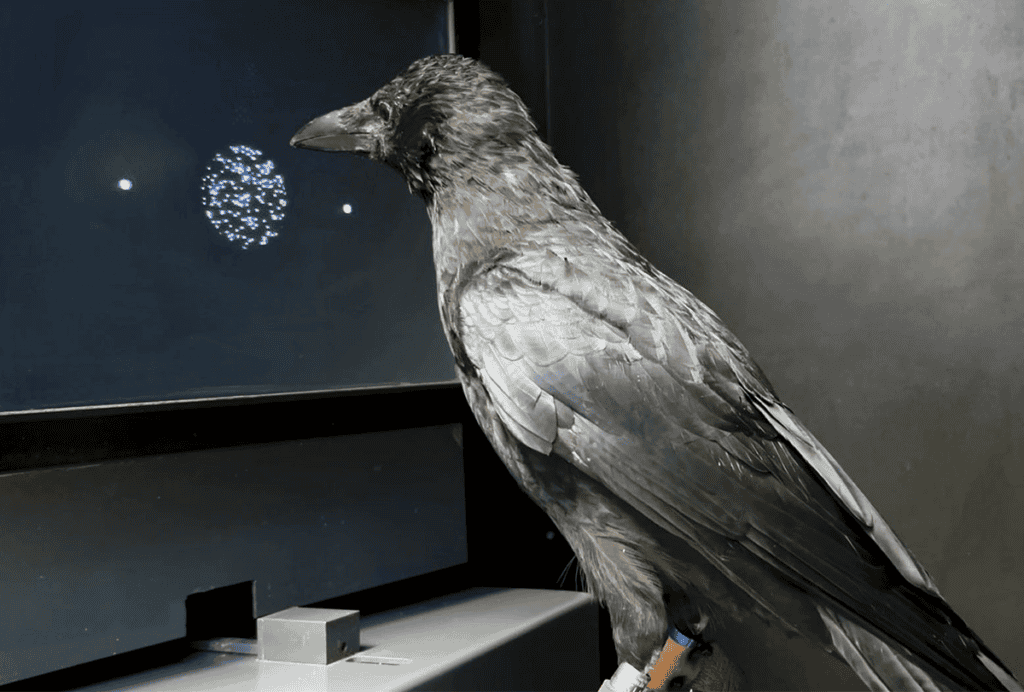
Crows have brains ‘in the fast lane’
The birds accurately complete decision-making tasks twice as fast as primates, although their endbrains look considerably different.
Crows have brains ‘in the fast lane’
The birds accurately complete decision-making tasks twice as fast as primates, although their endbrains look considerably different.

Prevalence of profound autism declines with new definition
The updated, more precise definition used in a CDC study includes adaptive scores.
Prevalence of profound autism declines with new definition
The updated, more precise definition used in a CDC study includes adaptive scores.