Alzheimer’s disease
Recent articles
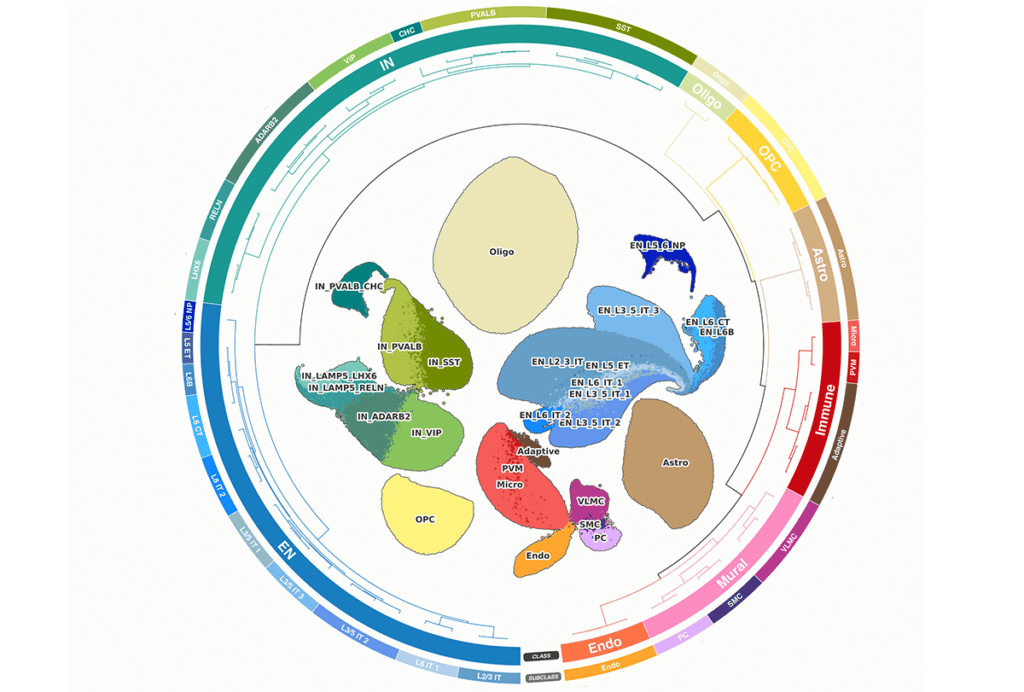
Prefrontal cortex has three transcriptomic acts across human lifespan, new atlas suggests
Various genes show distinct exits and entrances with age in the open-source dataset, the largest of its kind to date.
Prefrontal cortex has three transcriptomic acts across human lifespan, new atlas suggests
Various genes show distinct exits and entrances with age in the open-source dataset, the largest of its kind to date.
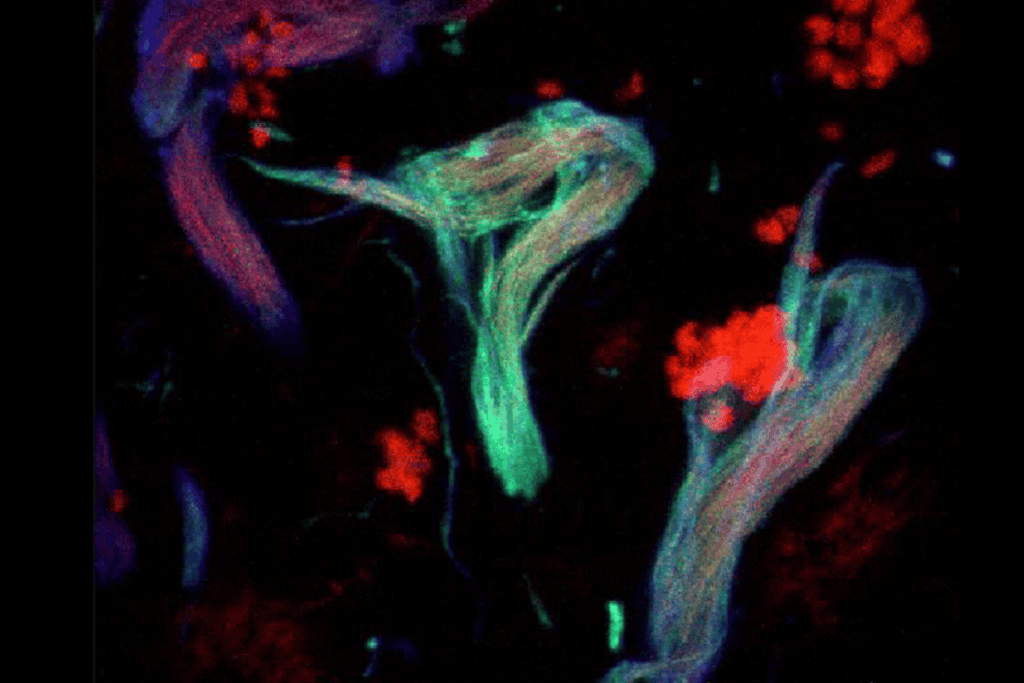
Reimagining Mexico’s brain bank
Since Alzheimer’s disease researcher José Luna-Muñoz assumed leadership of the facility—Latin America’s oldest—in 2011, he has been acquiring additional tissue types and is working to expand donor recruitment to rural areas.
Reimagining Mexico’s brain bank
Since Alzheimer’s disease researcher José Luna-Muñoz assumed leadership of the facility—Latin America’s oldest—in 2011, he has been acquiring additional tissue types and is working to expand donor recruitment to rural areas.
Reimaginando o banco de cérebros do México
Desde que o pesquisador da doença de Alzheimer José Luna-Muñoz assumiu a direção da instituição—a mais antiga da América Latina—em 2011, ele vem adquirindo novos tipos de tecido e trabalhando para ampliar o recrutamento de doadores nas áreas rurais
Reimaginando o banco de cérebros do México
Desde que o pesquisador da doença de Alzheimer José Luna-Muñoz assumiu a direção da instituição—a mais antiga da América Latina—em 2011, ele vem adquirindo novos tipos de tecido e trabalhando para ampliar o recrutamento de doadores nas áreas rurais
Reimaginando el banco de cerebros de México
Desde que el investigador de la enfermedad de Alzheimer José Luna-Muñoz se hizo cargo del banco de cerebros—el más antiguo de América Latina—en 2011, ha incorporado otros tipos de tejidos y trabaja para ampliar la captación de donantes a las zonas rurales.
Reimaginando el banco de cerebros de México
Desde que el investigador de la enfermedad de Alzheimer José Luna-Muñoz se hizo cargo del banco de cerebros—el más antiguo de América Latina—en 2011, ha incorporado otros tipos de tejidos y trabaja para ampliar la captación de donantes a las zonas rurales.
Getting grants feels good, but giving them is even better
As director of grants management at the Cure Alzheimer’s Fund, Kaela Singleton bets on bold science and shares in the joy of discovery.
Getting grants feels good, but giving them is even better
As director of grants management at the Cure Alzheimer’s Fund, Kaela Singleton bets on bold science and shares in the joy of discovery.
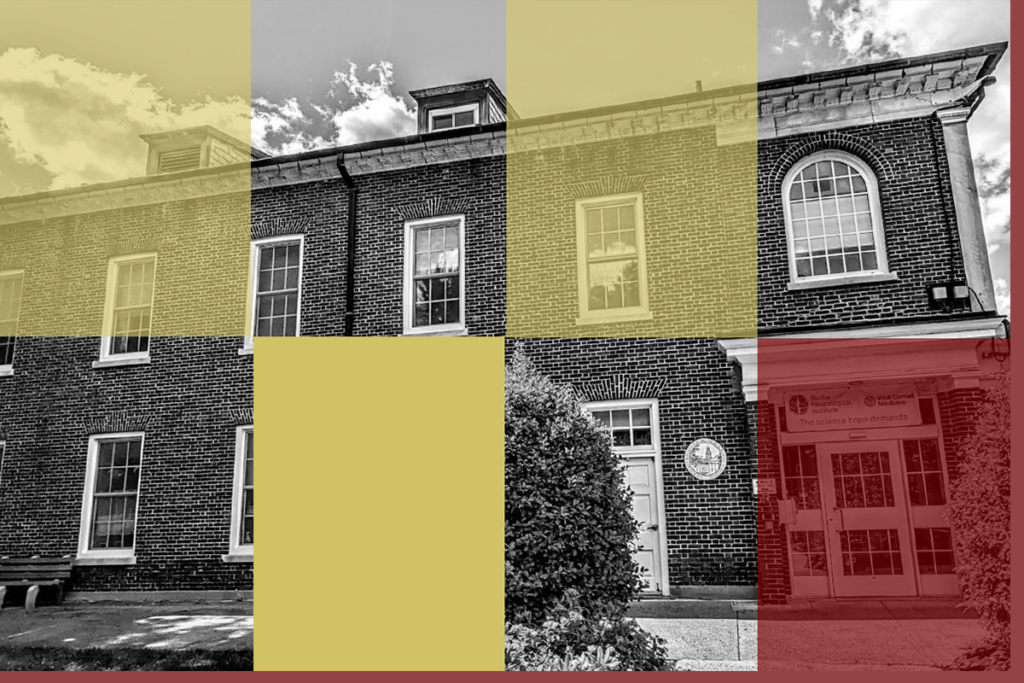
Exclusive: Brain and spinal cord institute halts research, citing funding problems
The Burke Neurological Institute, which calls itself “the only research institute in the U.S. dedicated to finding treatments to repair the brain and spinal cord,” ceased research operations on 22 May.
Exclusive: Brain and spinal cord institute halts research, citing funding problems
The Burke Neurological Institute, which calls itself “the only research institute in the U.S. dedicated to finding treatments to repair the brain and spinal cord,” ceased research operations on 22 May.
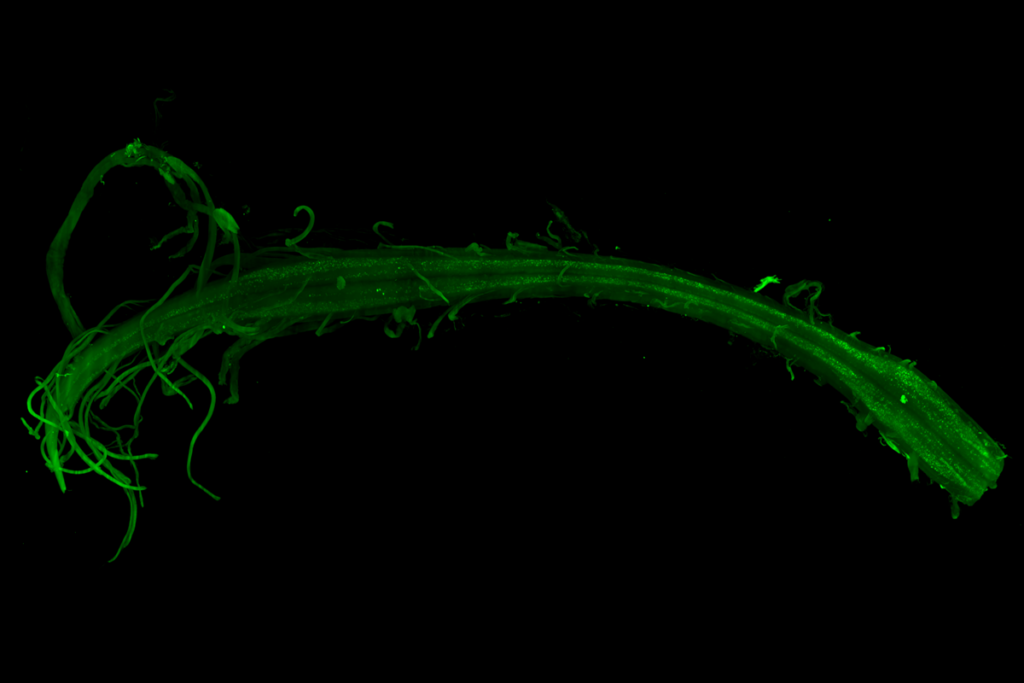
Allen Institute sets sights on treatments for five brain diseases
The Brain Health Accelerator program aims to harness single-cell transcriptomics and cell-type-specific genetic tools to develop treatments for Alzheimer’s, Huntington’s and Parkinson’s diseases, Lewy body dementia and ALS.
Allen Institute sets sights on treatments for five brain diseases
The Brain Health Accelerator program aims to harness single-cell transcriptomics and cell-type-specific genetic tools to develop treatments for Alzheimer’s, Huntington’s and Parkinson’s diseases, Lewy body dementia and ALS.
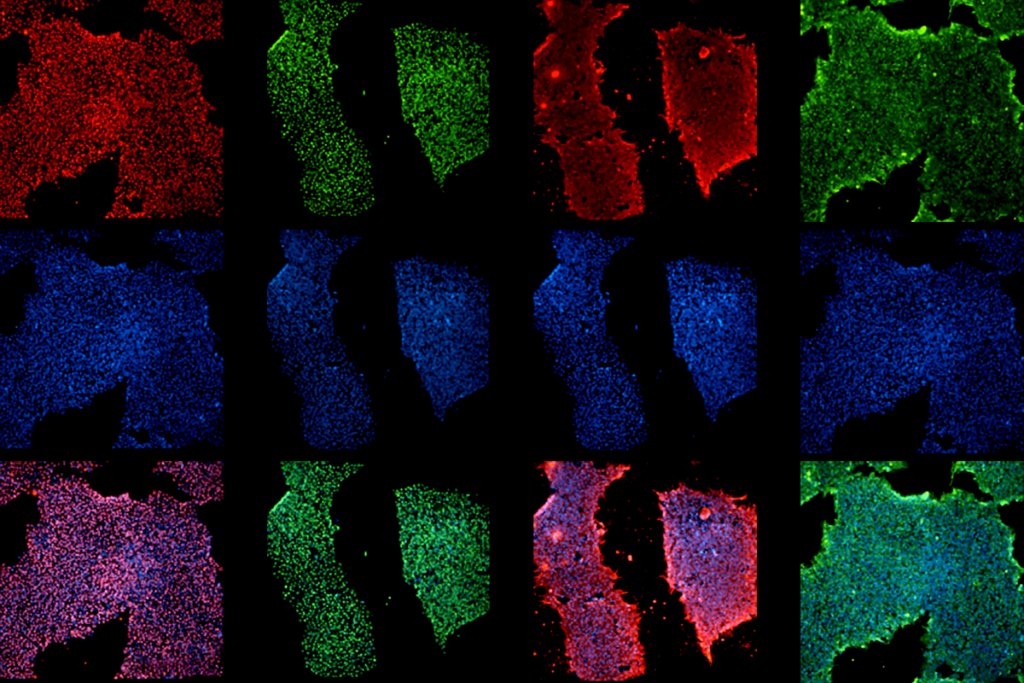
Bringing African ancestry into cellular neuroscience
Two independent teams in Africa are developing stem cell lines and organoids from local populations to explore neurodevelopmental and neurodegenerative conditions.
Bringing African ancestry into cellular neuroscience
Two independent teams in Africa are developing stem cell lines and organoids from local populations to explore neurodevelopmental and neurodegenerative conditions.
How goats can model neurodegeneration
Since debunking an urban legend that headbutting animals don’t damage their brain, Nicole Ackermans has been investigating how the behavior correlates with neurodegeneration.
How goats can model neurodegeneration
Since debunking an urban legend that headbutting animals don’t damage their brain, Nicole Ackermans has been investigating how the behavior correlates with neurodegeneration.
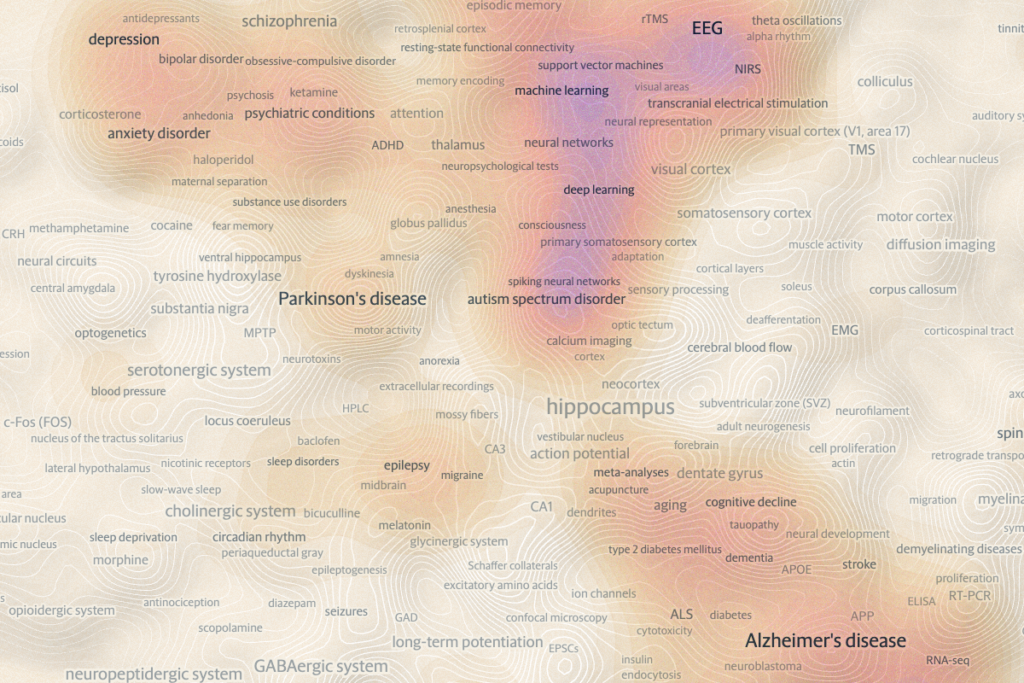
Putting 50 years of neuroscience on the map
Navigate the rise and fall of research topics over five decades using our interactive map, which is based on a semantic analysis of nearly 350,000 abstracts in leading neuroscience journals.
Putting 50 years of neuroscience on the map
Navigate the rise and fall of research topics over five decades using our interactive map, which is based on a semantic analysis of nearly 350,000 abstracts in leading neuroscience journals.
Explore more from The Transmitter
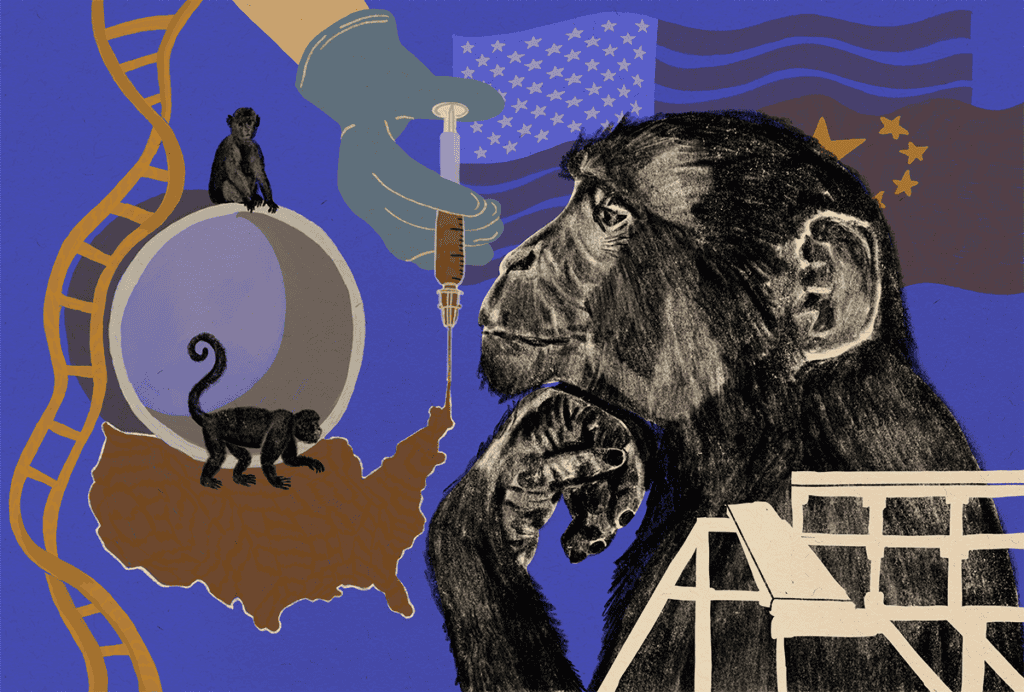
U.S. national primate research centers face an uncertain future
The facilities were meant to last 100 years. Four decades shy of that mark, amid flatlined funds and mounting political pressure, their directors are trying to find a path forward.
U.S. national primate research centers face an uncertain future
The facilities were meant to last 100 years. Four decades shy of that mark, amid flatlined funds and mounting political pressure, their directors are trying to find a path forward.
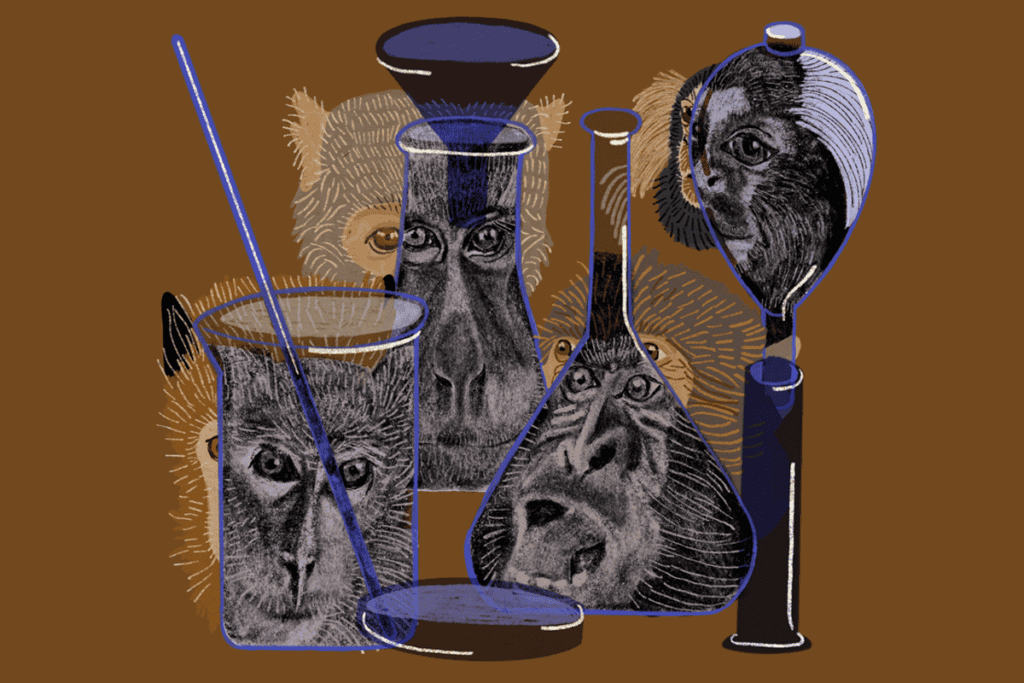
What if nonhuman primate research goes away?
As the U.S. government takes steps to stop using nonhuman primates in research, The Transmitter investigates what that shift could mean for neuroscience.
What if nonhuman primate research goes away?
As the U.S. government takes steps to stop using nonhuman primates in research, The Transmitter investigates what that shift could mean for neuroscience.
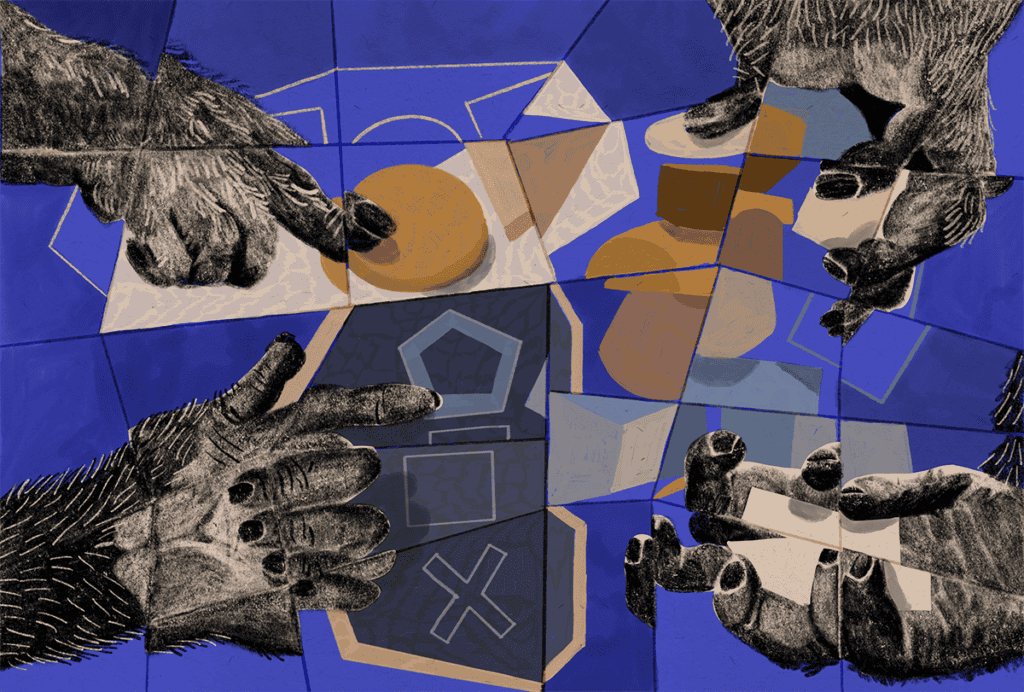
The neuroscience questions that need nonhuman primates
The Transmitter asked 17 neuroscientists what questions might remain unanswered if support for nonhuman primate research continues to decline.
The neuroscience questions that need nonhuman primates
The Transmitter asked 17 neuroscientists what questions might remain unanswered if support for nonhuman primate research continues to decline.