Early-Career Researcher Resource Center
Recent articles
News, perspectives and resources to help navigate the early stages of your neuroscience career
FEATURED
Amid funding uncertainty, graduate neuroscience programs in the U.S. adapt
Rethinking neuroscience graduate education in the age of AI
The changing nature of the neuroscience Ph.D.
RESOURCES
Early-career researcher action potentials
News and perspectives
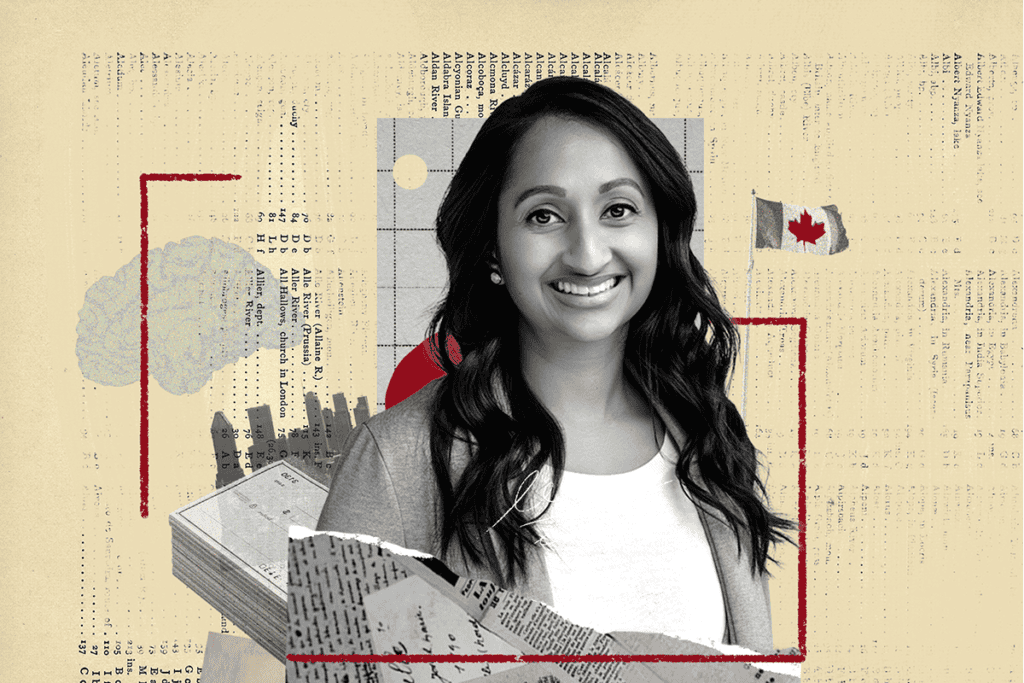
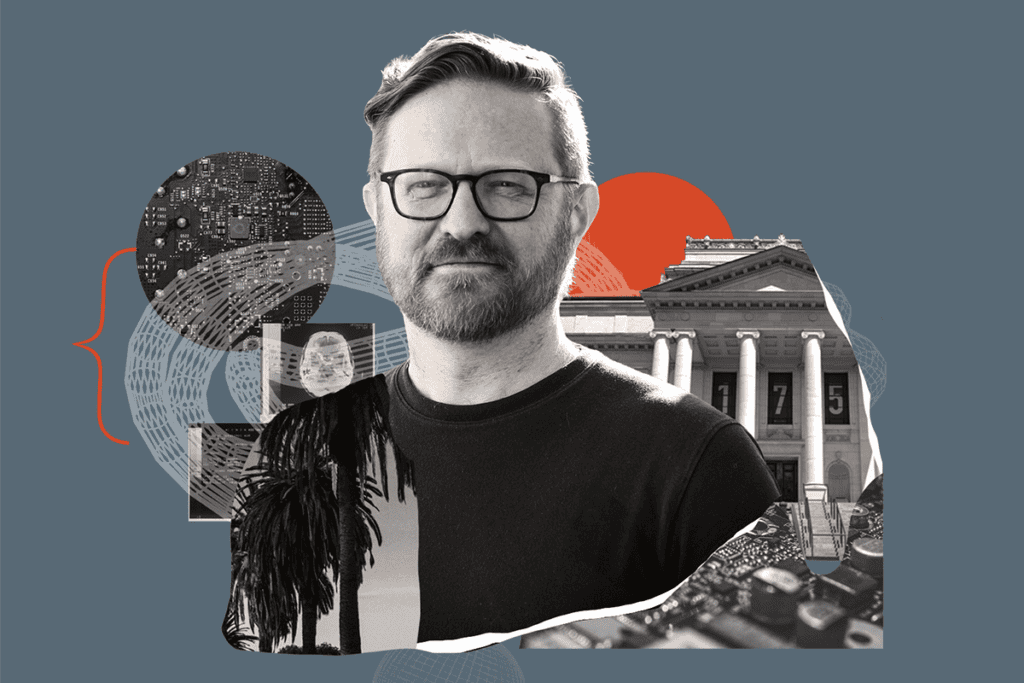
Building brain-computer interfaces at a neurotech company
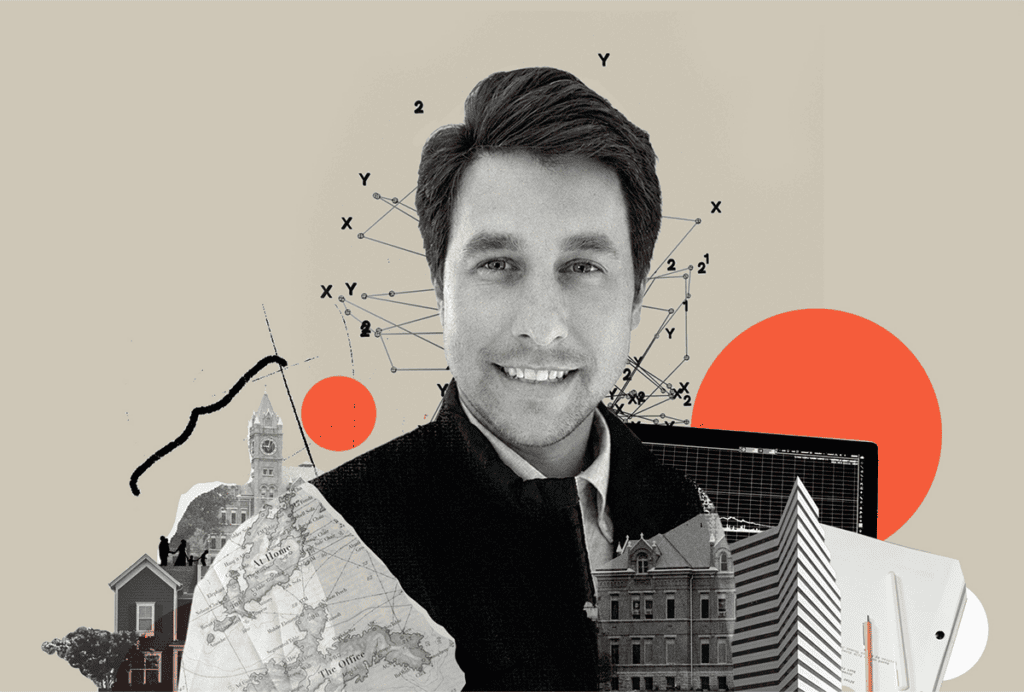
‘High risk, high reward’: How early-career neuroscientists view their future
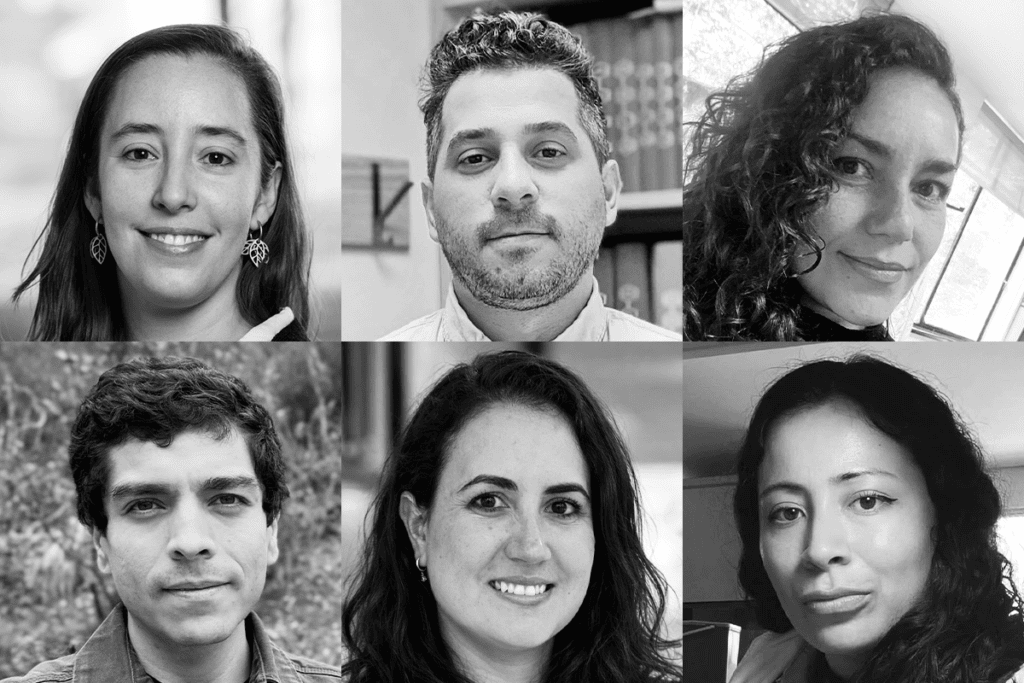
The Transmitter’s directory of new labs in Latin America
Scientific talent is global. Access to the world’s scientific stage is not.
O talento científico é global. O acesso ao cenário científico mundial, não.
A neurociência no Chile e em toda a América Latina não enfrenta falta de talento nem de ideias, mas os sistemas que dão visibilidade à ciência—periódicos de prestígio, conferências e redes—estão cada vez mais fora do alcance financeiro dos pesquisadores.
El talento científico es global. El acceso al escenario científico mundial, no.
La neurociencia en Chile y a través de Latinoamérica no carece de talento ni ideas, pero los sistemas que hacen la ciencia visible —revistas, conferencias y redes prestigiosas— dejan cada vez más a sus investigadores fuera debido a los costos.
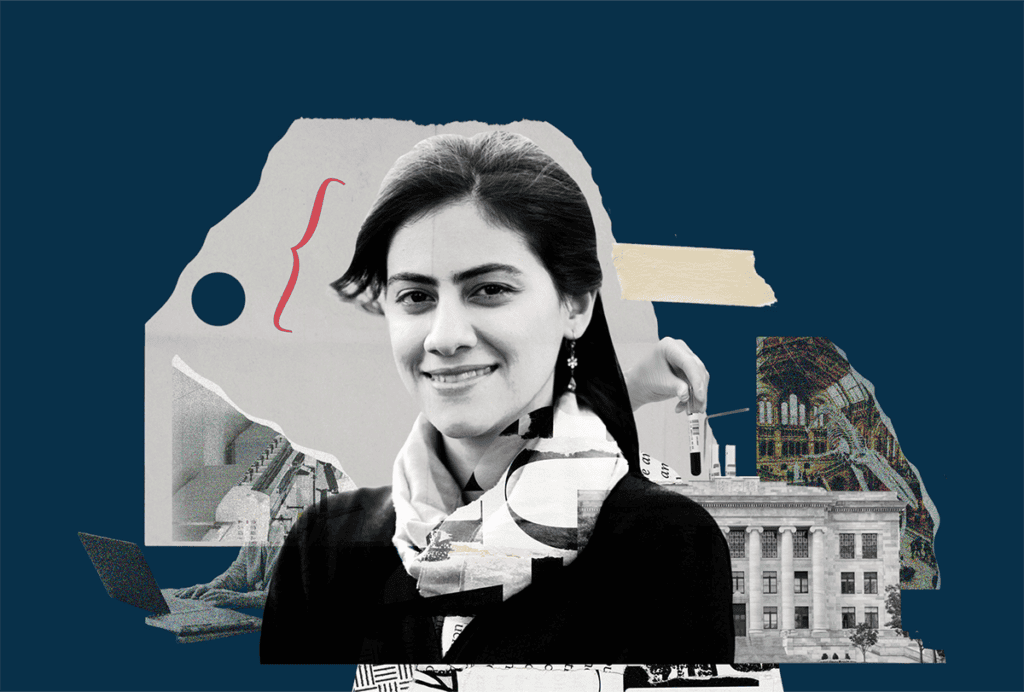
Making an impact through academic administration
As executive director of research at Harvard Medical School’s Department of Neurobiology, Soha Ashrafi supports more than 300 scientists, students and staff members.
Making an impact through academic administration
As executive director of research at Harvard Medical School’s Department of Neurobiology, Soha Ashrafi supports more than 300 scientists, students and staff members.
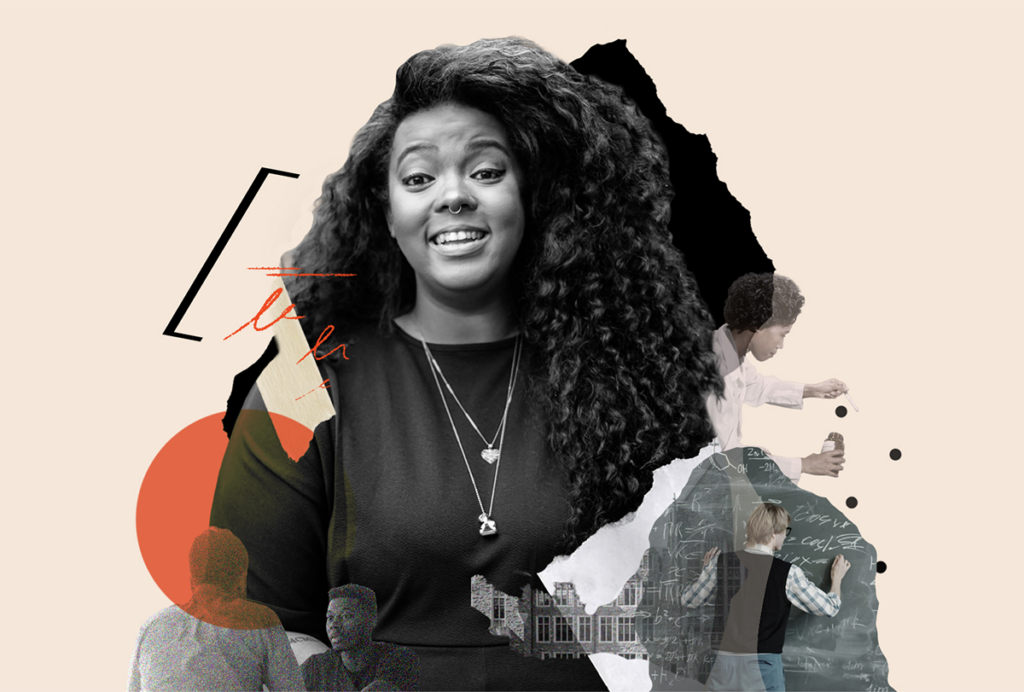
Getting grants feels good, but giving them is even better
As director of grants management at the Cure Alzheimer’s Fund, Kaela Singleton bets on bold science and shares in the joy of discovery.
Getting grants feels good, but giving them is even better
As director of grants management at the Cure Alzheimer’s Fund, Kaela Singleton bets on bold science and shares in the joy of discovery.
How to incorporate open-science practices into neuroscience training
If we want emerging neuroscientists to implement open science throughout their careers, we need to establish its practices as a core principle of training.
How to incorporate open-science practices into neuroscience training
If we want emerging neuroscientists to implement open science throughout their careers, we need to establish its practices as a core principle of training.
Explore more from The Transmitter
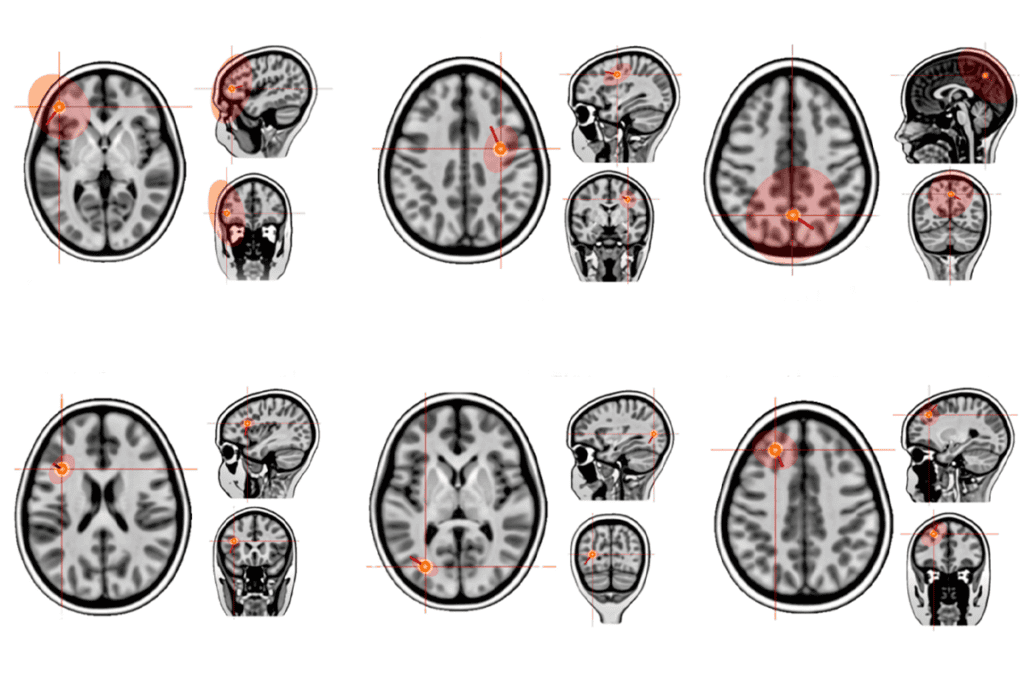
Language development during the first 1,000 days; and more
Here is a roundup of autism-related news and research spotted around the web for the week of 9 November.
Language development during the first 1,000 days; and more
Here is a roundup of autism-related news and research spotted around the web for the week of 9 November.
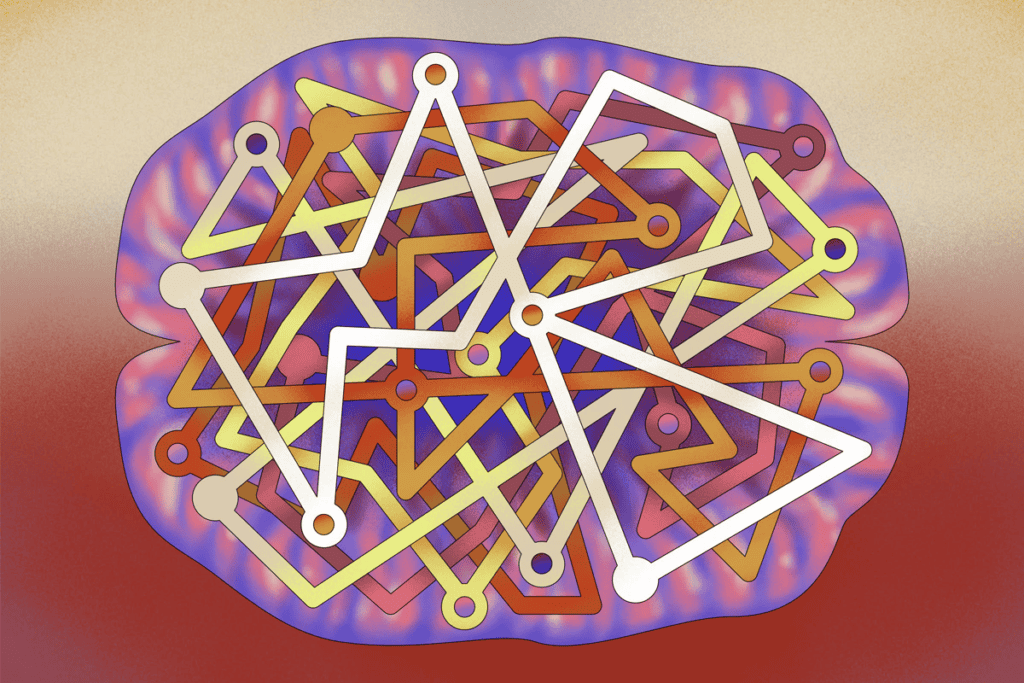
What ‘Brain Flows’ gets right
Michael W. Cole’s new book makes a convincing case that the dynamic movement of signals underpins just about everything the brain does, though it misses mention of relevant theoretical and single-cell work.
What ‘Brain Flows’ gets right
Michael W. Cole’s new book makes a convincing case that the dynamic movement of signals underpins just about everything the brain does, though it misses mention of relevant theoretical and single-cell work.
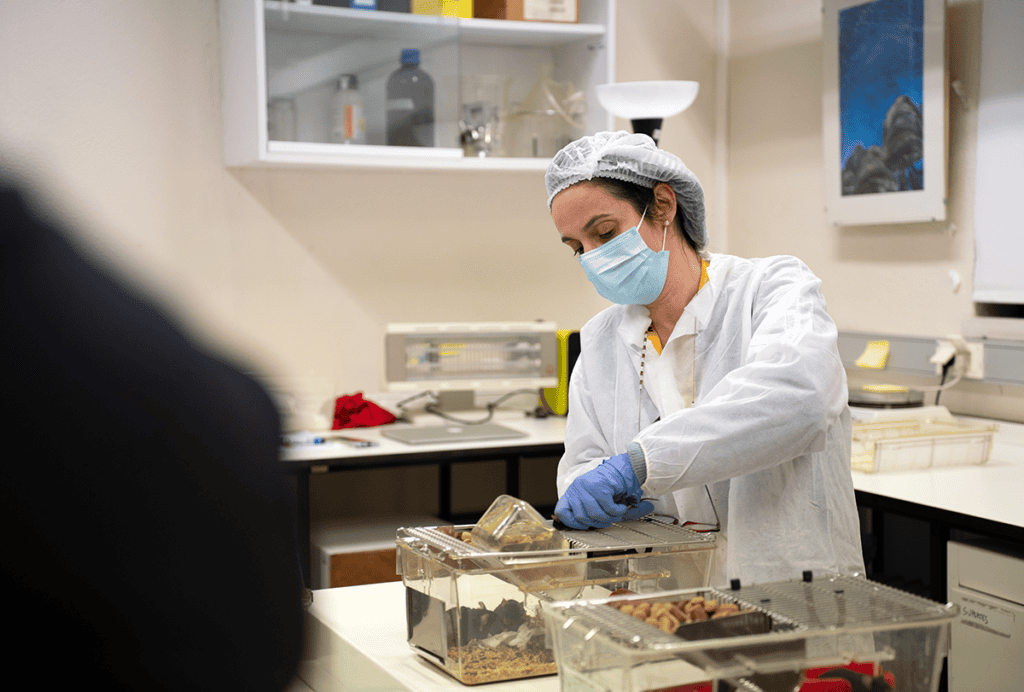
Public engagement can help cultivate support for animal research
The European Animal Research Association's Patient Discovery Project connects researchers with people who have the conditions they study. The learning goes both ways.
Public engagement can help cultivate support for animal research
The European Animal Research Association's Patient Discovery Project connects researchers with people who have the conditions they study. The learning goes both ways.