MRI
Recent articles
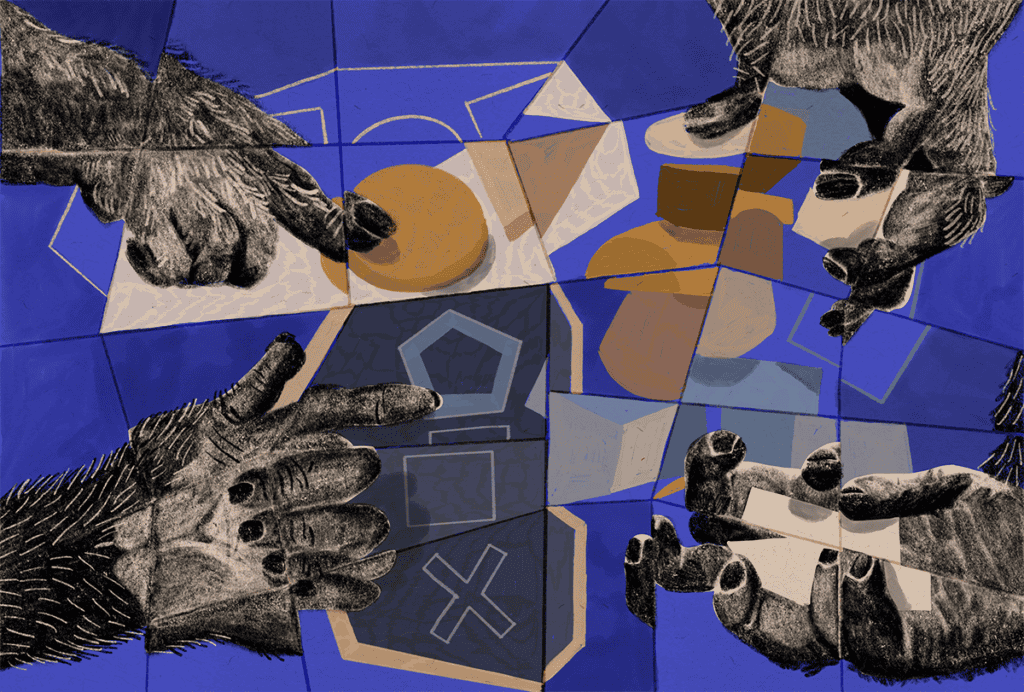
The neuroscience questions that need nonhuman primates
The Transmitter asked 17 neuroscientists what questions might remain unanswered if support for nonhuman primate research continues to decline.
The neuroscience questions that need nonhuman primates
The Transmitter asked 17 neuroscientists what questions might remain unanswered if support for nonhuman primate research continues to decline.
Susana Carmona on the neurobiology of pregnancy
In a Q&A about her new book, “A Mother’s Brain,” Carmona shares key moments in her career that led her to study the neuroscience of motherhood and discusses some of the major questions the field still needs to address.
Susana Carmona on the neurobiology of pregnancy
In a Q&A about her new book, “A Mother’s Brain,” Carmona shares key moments in her career that led her to study the neuroscience of motherhood and discusses some of the major questions the field still needs to address.
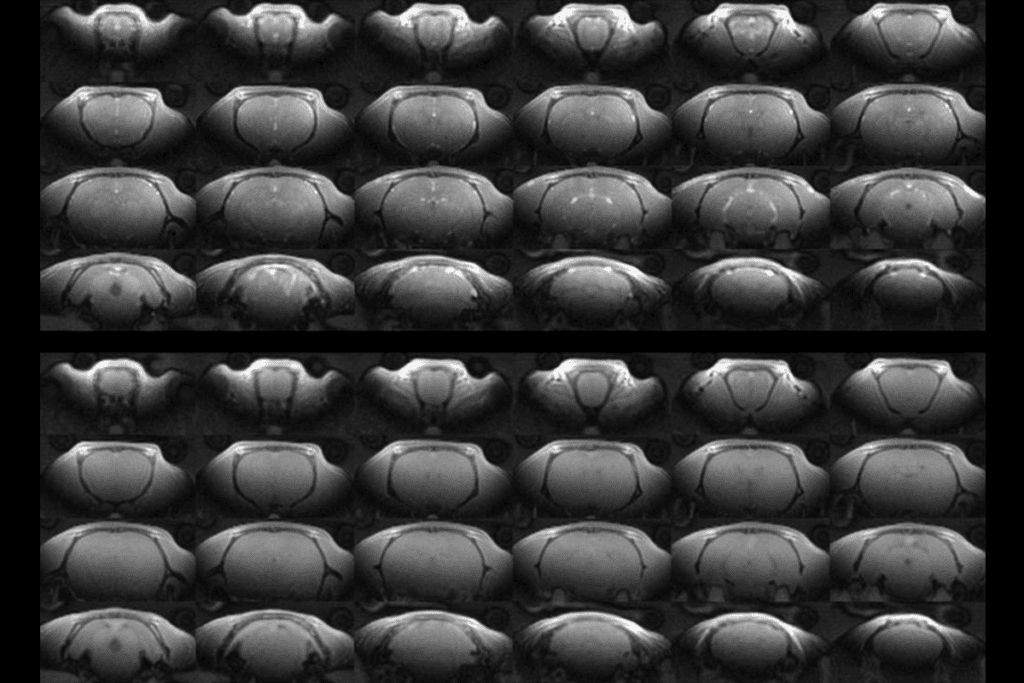
Silent, motion-resistant fMRI expands scans in behaving mice
The method, called SORDINO, captures brain images in animals while they move and interact.
Silent, motion-resistant fMRI expands scans in behaving mice
The method, called SORDINO, captures brain images in animals while they move and interact.
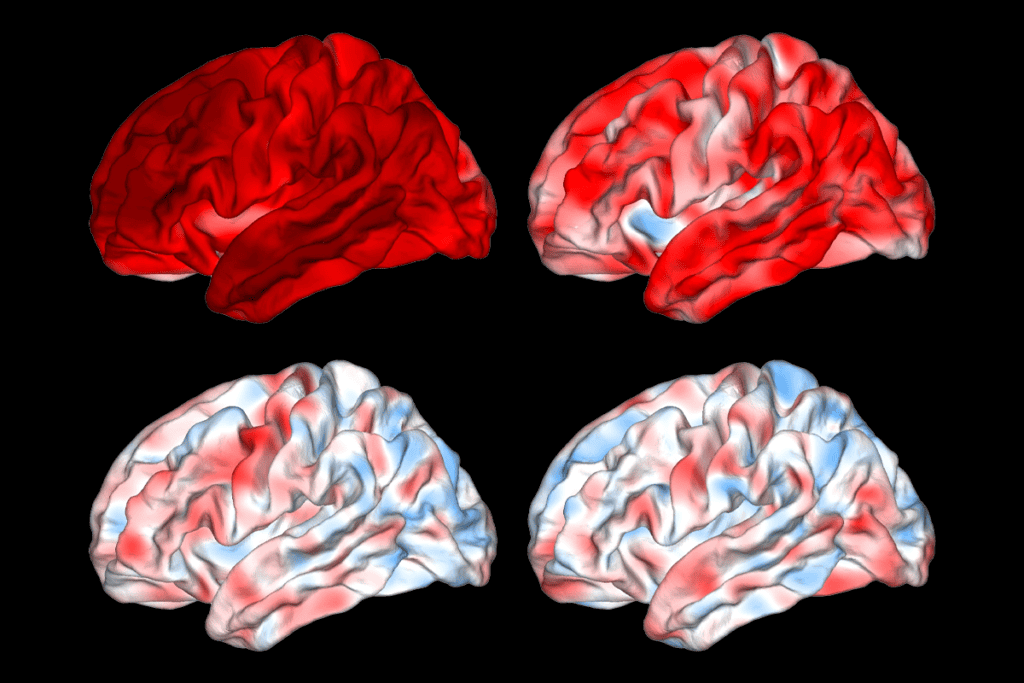
Neuropsychiatric MRI brain signatures fail reproducibility test
Small neuroimaging studies are unlikely to capture consistent anatomical changes related to conditions such as autism, schizophrenia and mood disorders, according to a new “wake-up call” study.
Neuropsychiatric MRI brain signatures fail reproducibility test
Small neuroimaging studies are unlikely to capture consistent anatomical changes related to conditions such as autism, schizophrenia and mood disorders, according to a new “wake-up call” study.
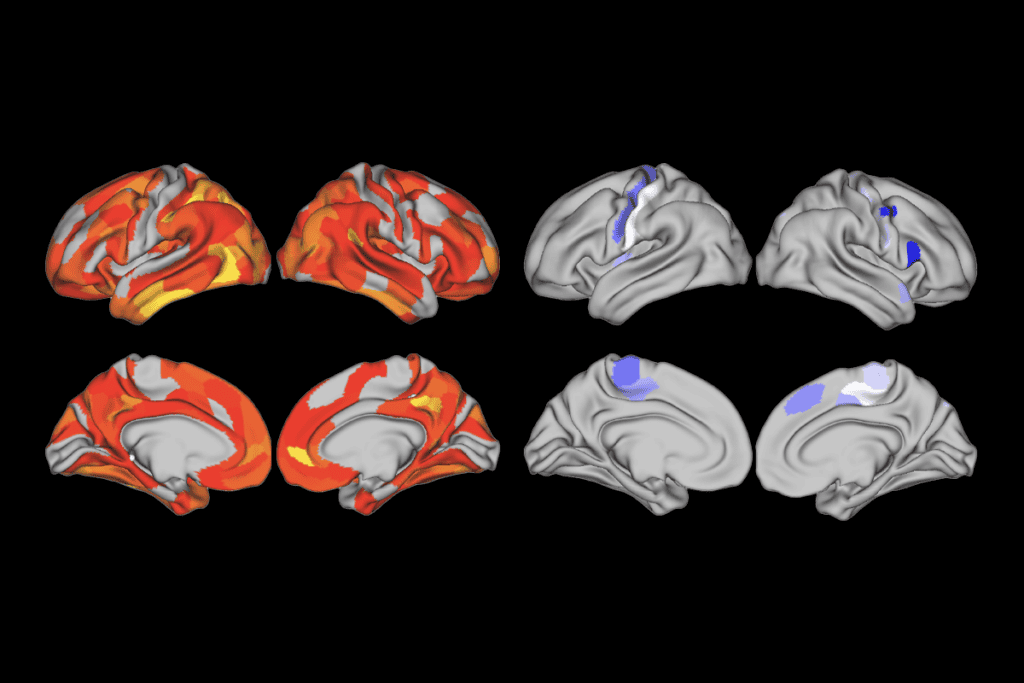
Brain’s sex differences are subtle and contradictory, large MRI study finds
Sex-based behavioral differences do not match with variations in brain activation or structure in a study of almost 1,000 people.
Brain’s sex differences are subtle and contradictory, large MRI study finds
Sex-based behavioral differences do not match with variations in brain activation or structure in a study of almost 1,000 people.
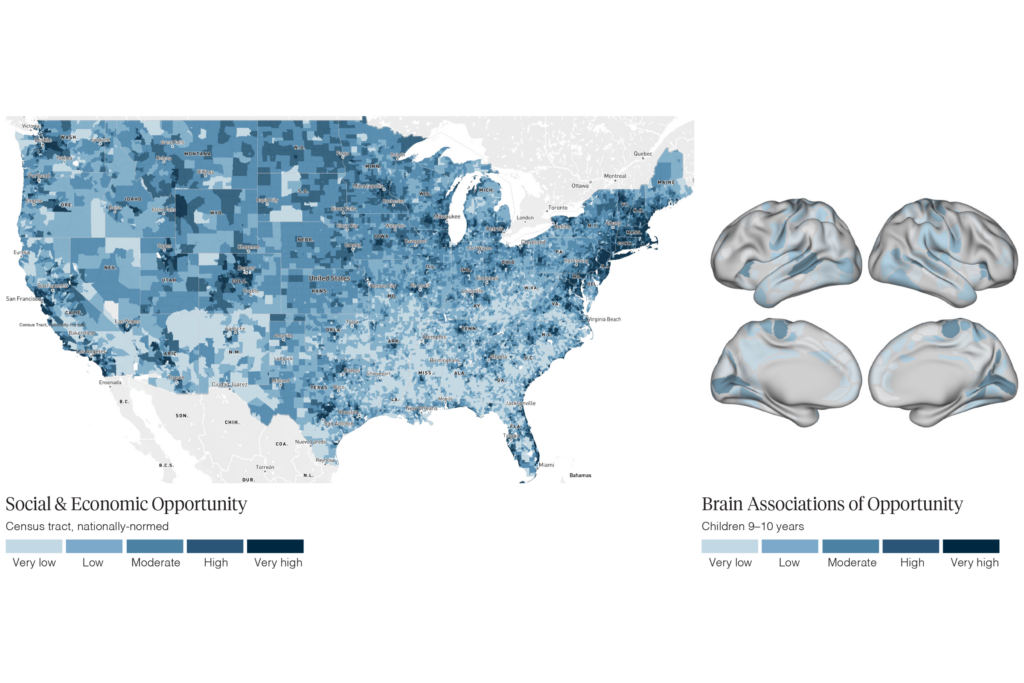
IQ’s link to brain structure, function in children may be a mirage
A child’s socioeconomic status, screen time and amount of sleep all show stronger associations with measures of brain structure and function, according to an imaging study of nearly 12,000 9- to 10-year-olds.
IQ’s link to brain structure, function in children may be a mirage
A child’s socioeconomic status, screen time and amount of sleep all show stronger associations with measures of brain structure and function, according to an imaging study of nearly 12,000 9- to 10-year-olds.
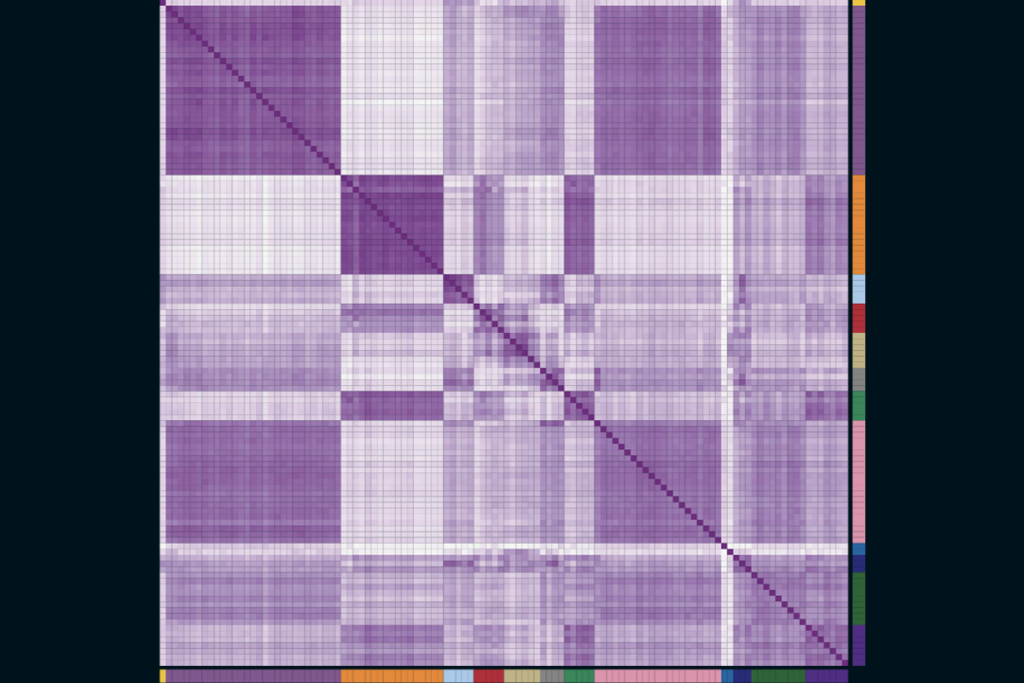
Gene activity in human cortex shows striking sex differences
The results mark a “dramatic shift” in how neuroscientists think about sex differences, and they may help explain sex biases in certain neurodegenerative and neurodevelopmental conditions.
Gene activity in human cortex shows striking sex differences
The results mark a “dramatic shift” in how neuroscientists think about sex differences, and they may help explain sex biases in certain neurodegenerative and neurodevelopmental conditions.
What are the most transformative neuroscience tools and technologies developed in the past five years?
Artificial intelligence and deep-learning methods featured prominently in the survey responses, followed by genetic tools to control circuits, advanced neuroimaging, transcriptomics and various approaches to record brain activity and behavior.
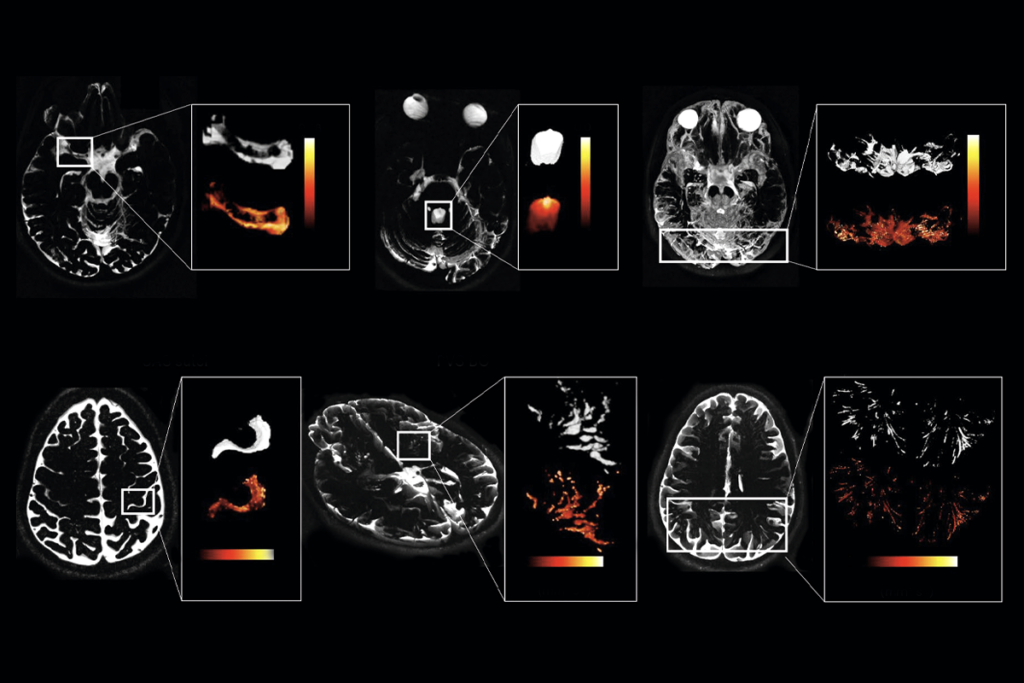
Noninvasive method lifts curtain on cerebrospinal-fluid dance in human brain
Cerebrospinal fluid shows brain-region-specific dynamics, a new high-resolution MRI approach reveals.
Noninvasive method lifts curtain on cerebrospinal-fluid dance in human brain
Cerebrospinal fluid shows brain-region-specific dynamics, a new high-resolution MRI approach reveals.
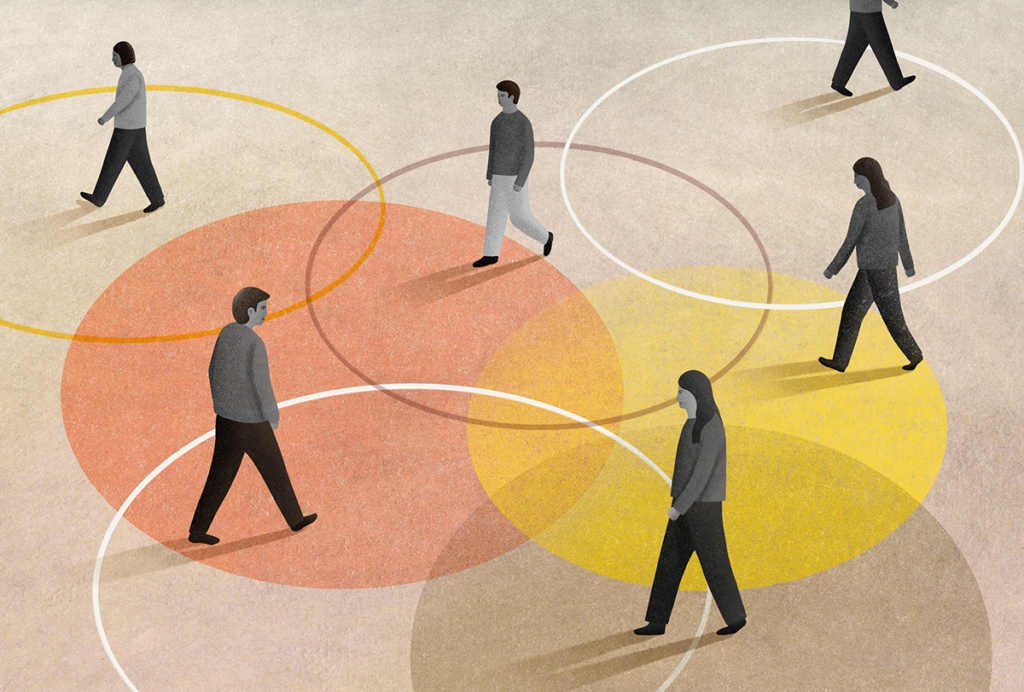
The spectrum goes multidimensional in search of autism subtypes
Grouping people with autism based on shared features, genetics and co-occurring conditions may improve clinical trial outcomes, researchers say.
The spectrum goes multidimensional in search of autism subtypes
Grouping people with autism based on shared features, genetics and co-occurring conditions may improve clinical trial outcomes, researchers say.
Explore more from The Transmitter
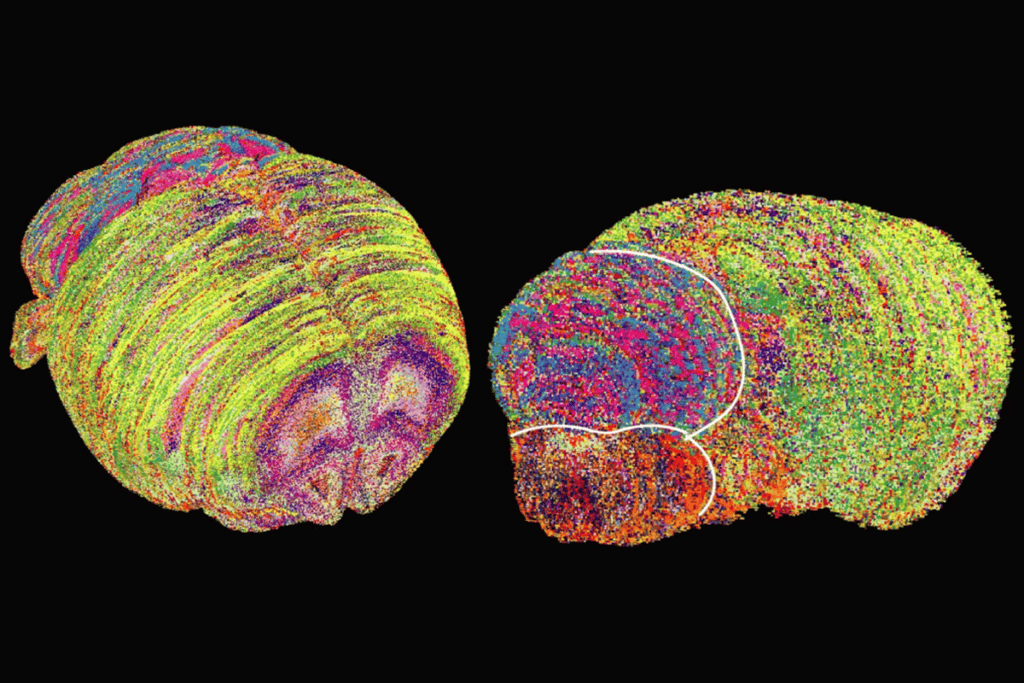
Lipids enter brain mapping limelight
Two new studies, including the first whole-brain lipid atlas in mice, uncover unforeseen complexity and influence during pregnancy and aging.
Lipids enter brain mapping limelight
Two new studies, including the first whole-brain lipid atlas in mice, uncover unforeseen complexity and influence during pregnancy and aging.
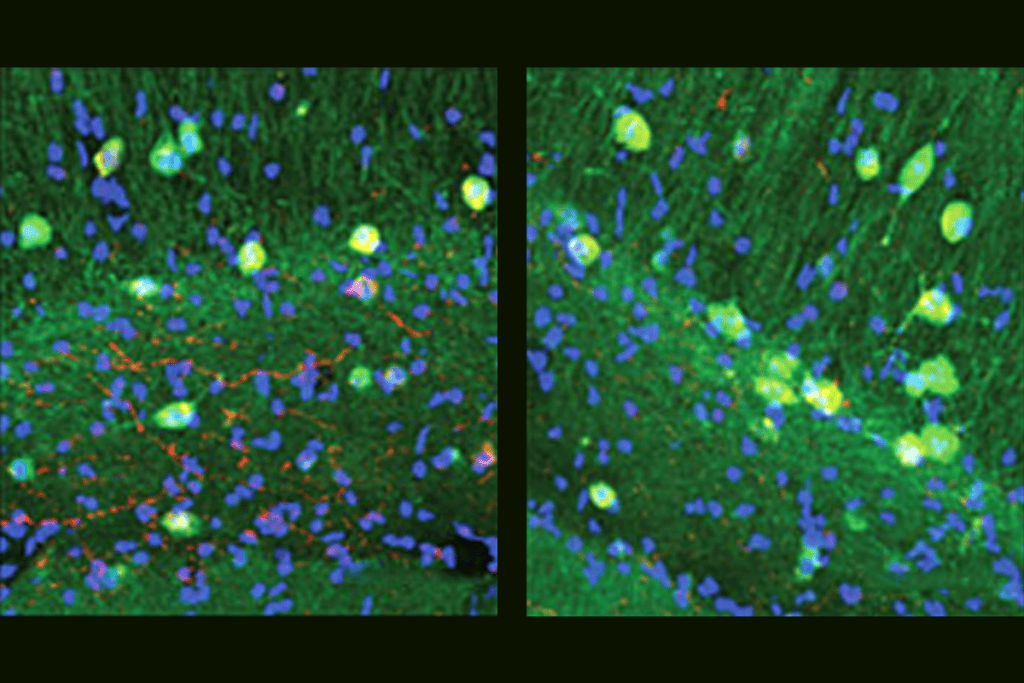
Behavioral phenomics in zebrafish; and more
Here is a roundup of autism-related news and research spotted around the web for the week of 26 October.
Behavioral phenomics in zebrafish; and more
Here is a roundup of autism-related news and research spotted around the web for the week of 26 October.
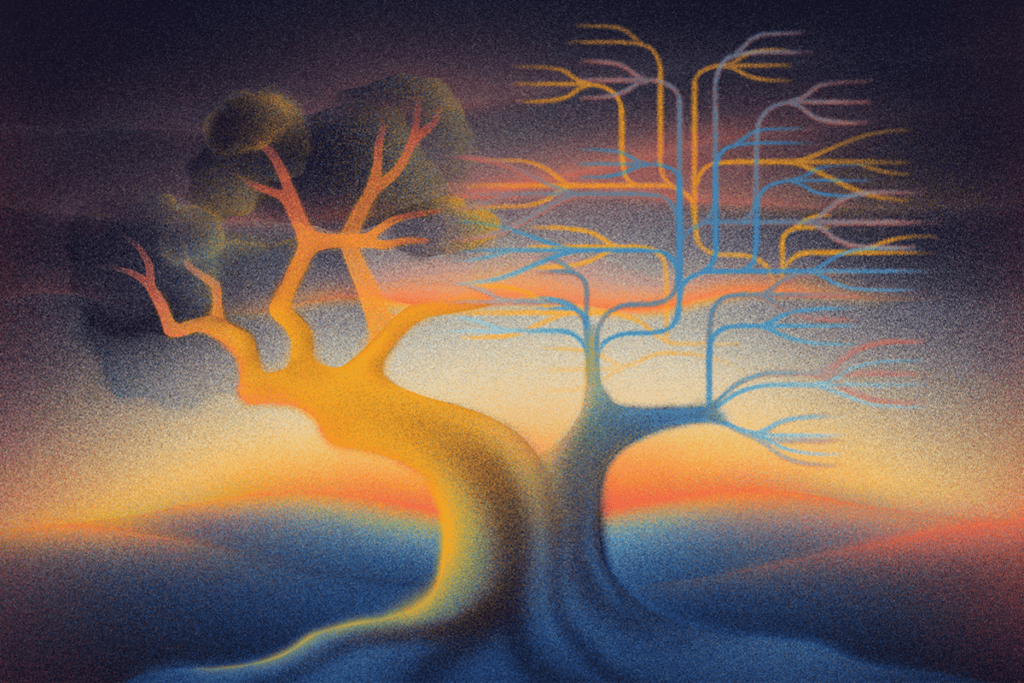
Neuroscience gave AI its start. What happens now?
David Sussillo maps the two fields' divergent paths, and where they might still meet.
Neuroscience gave AI its start. What happens now?
David Sussillo maps the two fields' divergent paths, and where they might still meet.