Synapses
Recent articles
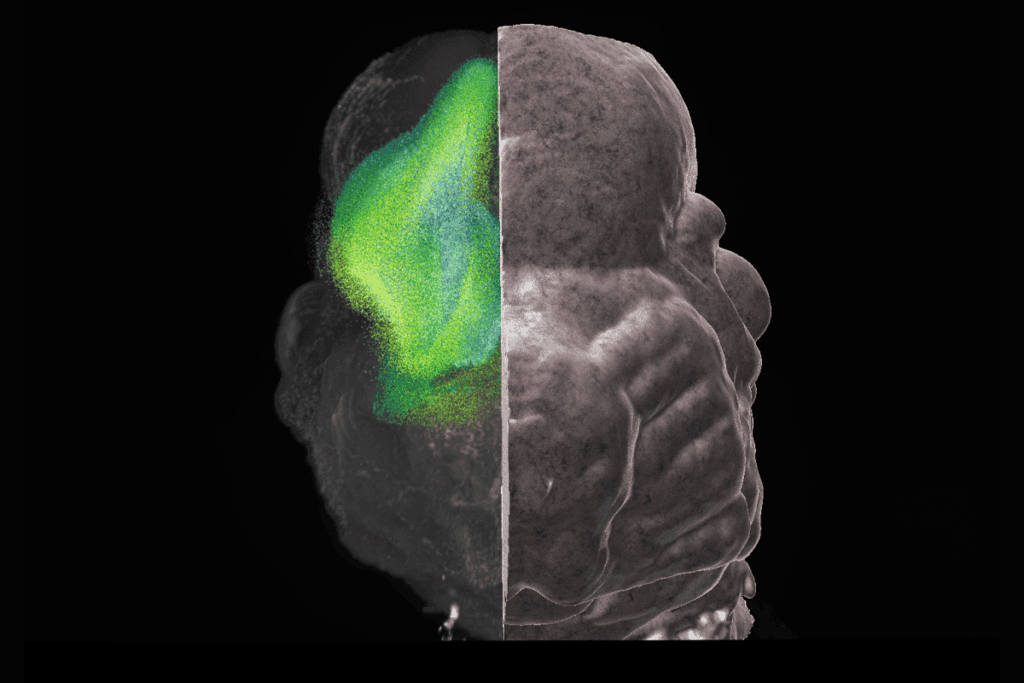
Diverse autism genes derail common developmental pathways
Multiple genetic mouse models initially show delayed cortical development, but the animals’ molecular trajectories diverge within weeks after birth, a new study finds.
Diverse autism genes derail common developmental pathways
Multiple genetic mouse models initially show delayed cortical development, but the animals’ molecular trajectories diverge within weeks after birth, a new study finds.
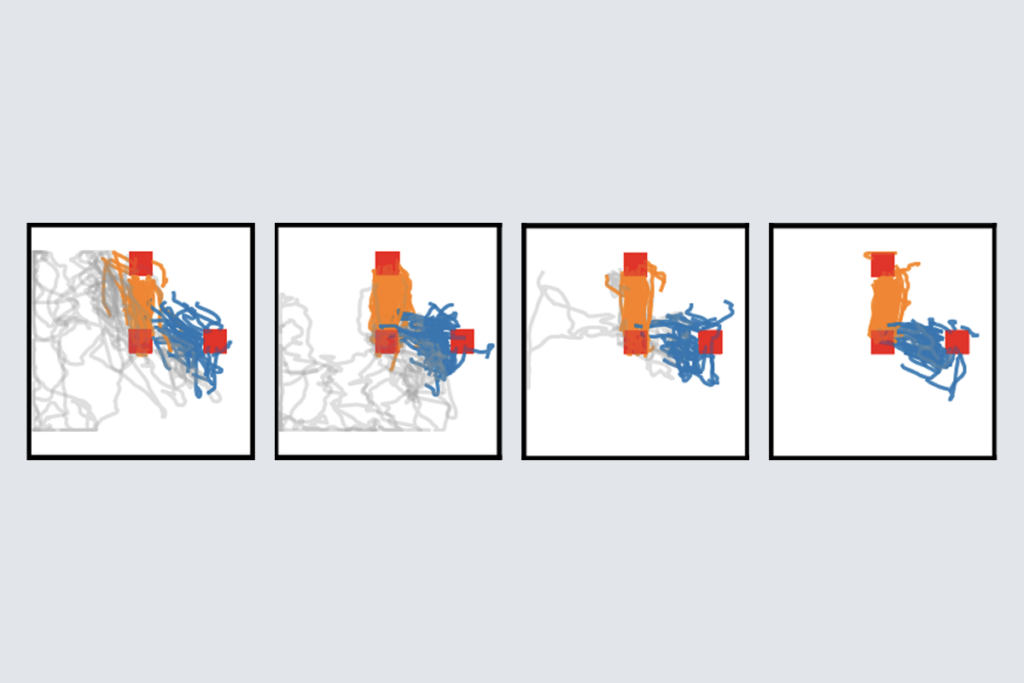
Recording warning: Common brain signal may be misunderstood
High gamma activity in electrophysiologic recordings reflects widespread neural activity, not merely local firing, as previously thought.
Recording warning: Common brain signal may be misunderstood
High gamma activity in electrophysiologic recordings reflects widespread neural activity, not merely local firing, as previously thought.
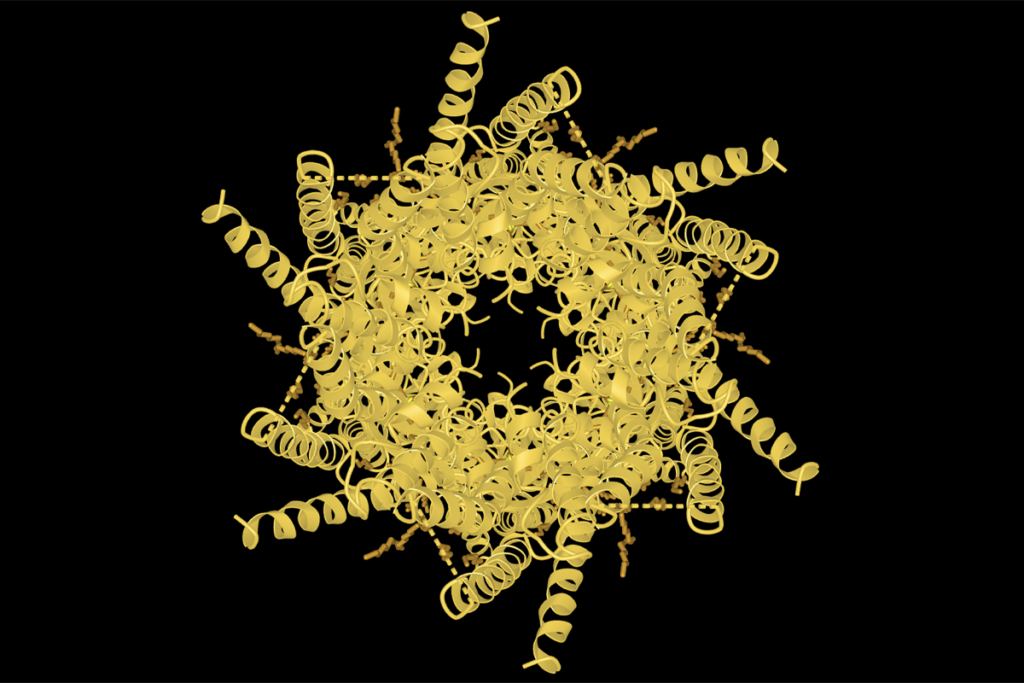
Designer synapses edit brain circuits in living animals
The approach could help elucidate relationships between circuit structure and function, as well as the role of natural electrical synapses.
Designer synapses edit brain circuits in living animals
The approach could help elucidate relationships between circuit structure and function, as well as the role of natural electrical synapses.
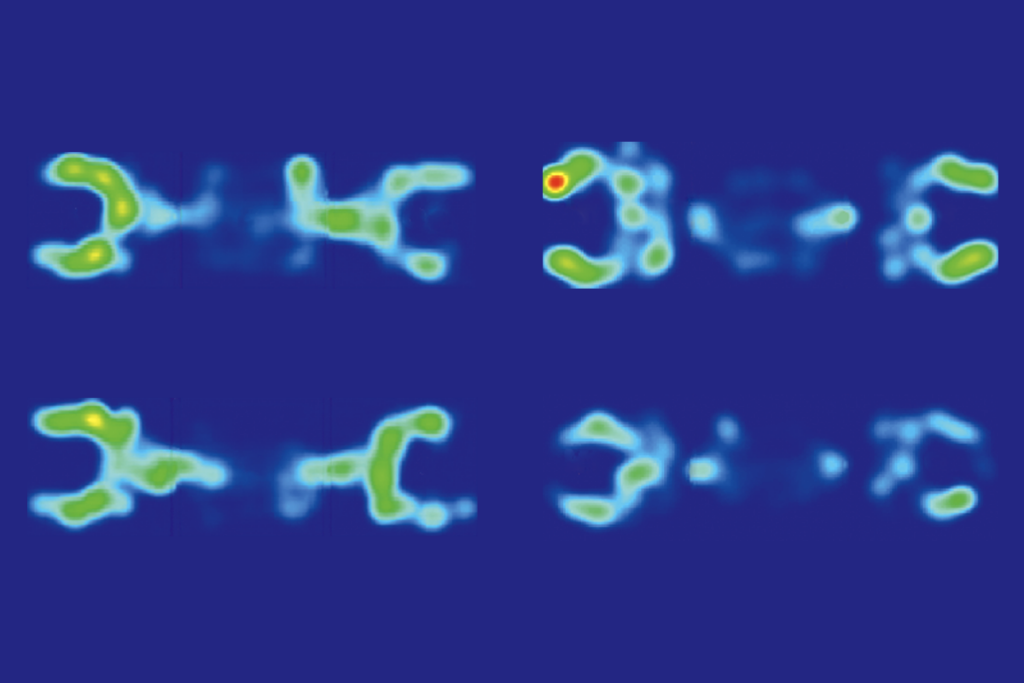
Noncoding RNA sways core autism traits in mice
Small deletions in an X-linked RNA alter social and repetitive behaviors in male mice without broadly affecting learning or memory.
Noncoding RNA sways core autism traits in mice
Small deletions in an X-linked RNA alter social and repetitive behaviors in male mice without broadly affecting learning or memory.

Four protein synthesis pioneers win Kavli Prize in Neuroscience
Their research revealed how neurons synthesize proteins in previously unrecognized places.
Four protein synthesis pioneers win Kavli Prize in Neuroscience
Their research revealed how neurons synthesize proteins in previously unrecognized places.
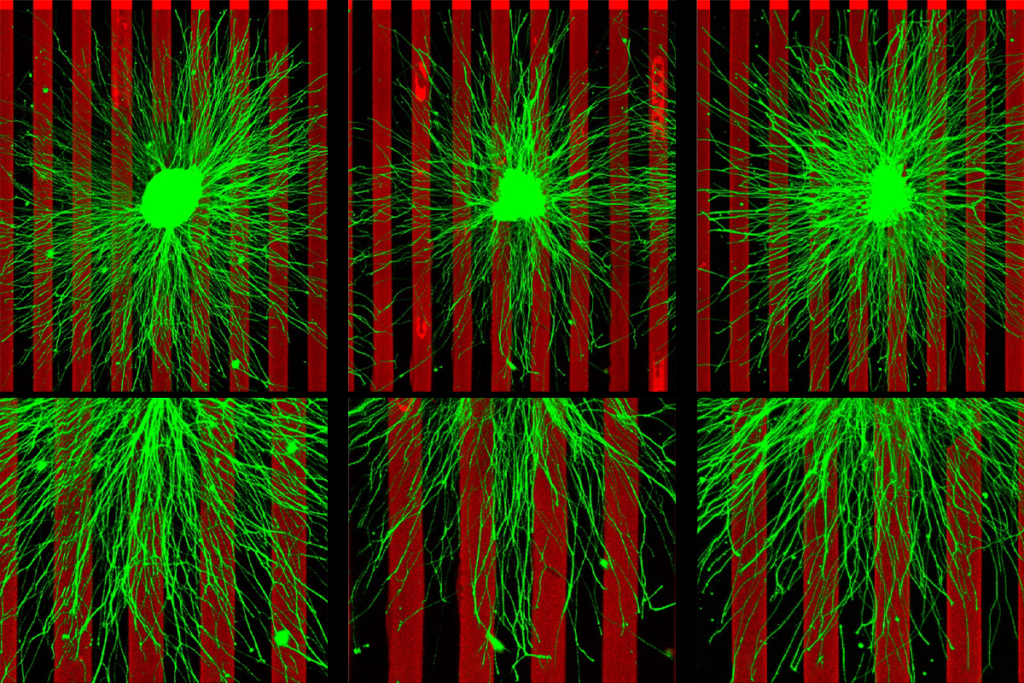
‘Push-pull’ recipe for neural wiring used in multiple brain regions
A versatile pair of proteins steers neurons toward their targets and helps establish the brain’s sensory maps, new studies suggest.
‘Push-pull’ recipe for neural wiring used in multiple brain regions
A versatile pair of proteins steers neurons toward their targets and helps establish the brain’s sensory maps, new studies suggest.

Neuroscience needs single-synapse studies
Studying individual synapses has the potential to help neuroscientists develop new theories, better understand brain disorders and reevaluate 70 years of work on synaptic transmission plasticity.
Neuroscience needs single-synapse studies
Studying individual synapses has the potential to help neuroscientists develop new theories, better understand brain disorders and reevaluate 70 years of work on synaptic transmission plasticity.
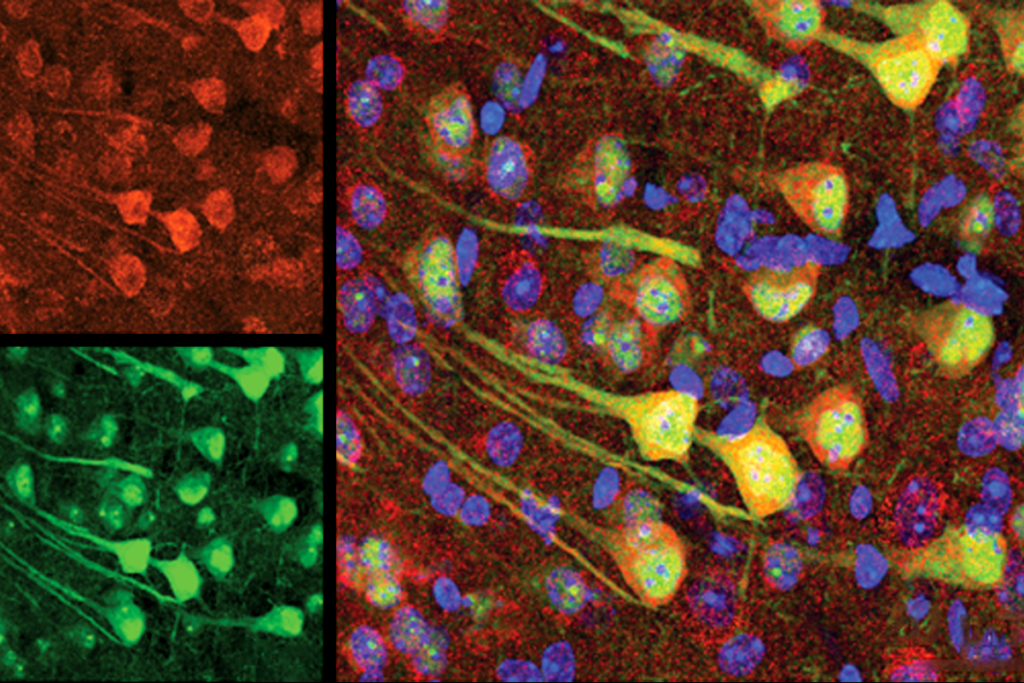
Aging neurons outsource garbage disposal, clog microglia
Degradation-resistant proteins pass from neurons to glial cells in a process that may spread protein clumps around the brain, according to a study in mice.
Aging neurons outsource garbage disposal, clog microglia
Degradation-resistant proteins pass from neurons to glial cells in a process that may spread protein clumps around the brain, according to a study in mice.
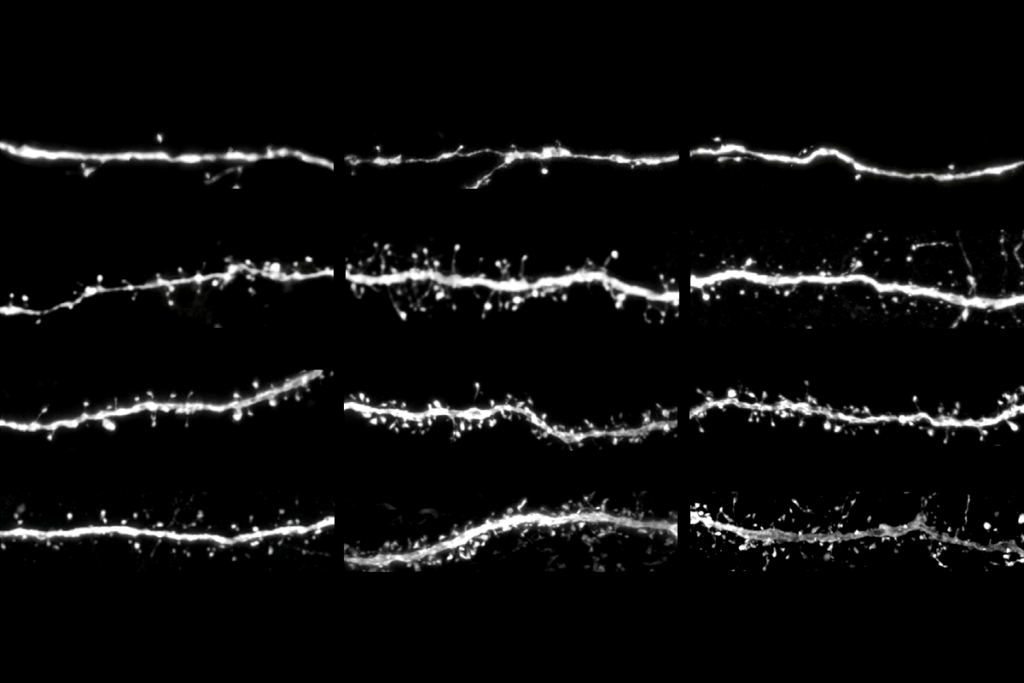
Protein tug-of-war controls pace of synaptic development, sets human brains apart
Human-specific duplicates of SRGAP2 prolong cortical development by manipulating SYNGAP, an autism-linked protein that slows synaptic growth.
Protein tug-of-war controls pace of synaptic development, sets human brains apart
Human-specific duplicates of SRGAP2 prolong cortical development by manipulating SYNGAP, an autism-linked protein that slows synaptic growth.
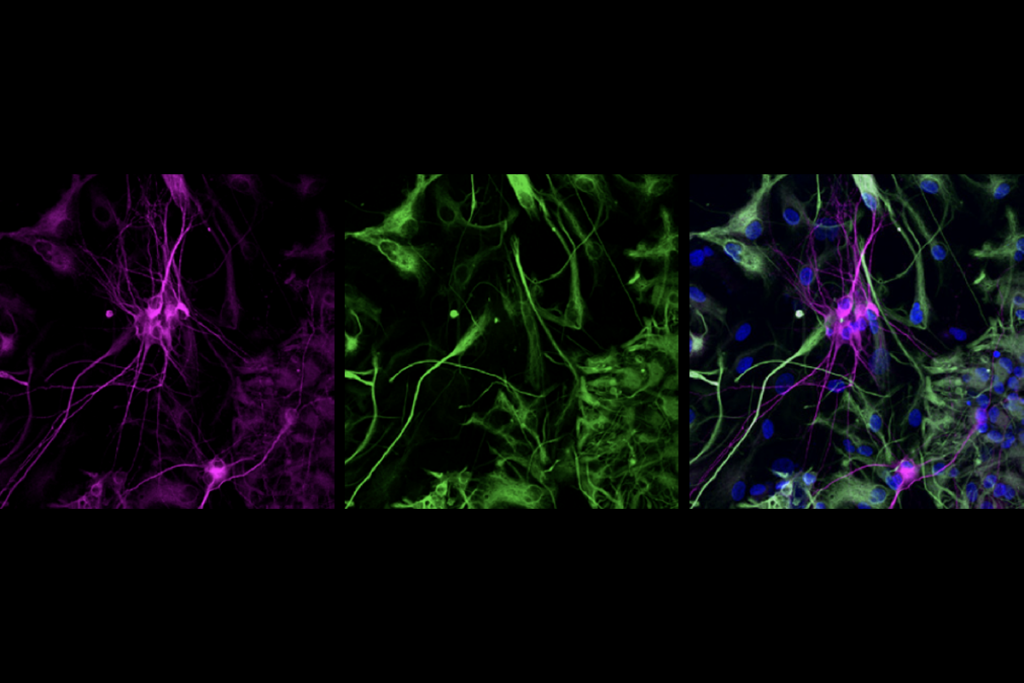
Boosting SCN2A expression reduces seizures in mice
A modified form of CRISPR amps up expression of the gene—a strategy that could apply to other gene variations linked to autism.
Boosting SCN2A expression reduces seizures in mice
A modified form of CRISPR amps up expression of the gene—a strategy that could apply to other gene variations linked to autism.
Explore more from The Transmitter

Amid funding uncertainty, graduate neuroscience programs in the U.S. adapt
The Transmitter surveyed 50 graduate program directors to learn how they’re faring. Securing labs for new students is one of the greatest concerns.
Amid funding uncertainty, graduate neuroscience programs in the U.S. adapt
The Transmitter surveyed 50 graduate program directors to learn how they’re faring. Securing labs for new students is one of the greatest concerns.

The changing nature of the neuroscience Ph.D.
The best science can only be sustained by a steady influx of early-stage scientists and the innovative ideas they bring, says Diane Lipscombe. She reflects on the loss of international students, the value of training grants, and the challenges that lie ahead for graduate education.
Rethinking neuroscience graduate education in the age of AI
What knowledge from traditional training protocols needs to be maintained, what can be discarded, and what new types of training should be introduced? Six neuroscientists weigh in.
Rethinking neuroscience graduate education in the age of AI
What knowledge from traditional training protocols needs to be maintained, what can be discarded, and what new types of training should be introduced? Six neuroscientists weigh in.