Theoretical neuroscience
Recent articles

Dimensionality—neuroscience’s red herring?
Placing too much emphasis on a specific interpretation of dimensionality, or treating it as an end-all quantification of some aspect of neural computation, may hinder progress in understanding the brain.
Dimensionality—neuroscience’s red herring?
Placing too much emphasis on a specific interpretation of dimensionality, or treating it as an end-all quantification of some aspect of neural computation, may hinder progress in understanding the brain.
How energy determines where proteins are produced in neurons
Tatjana Tchumatchenko explains how mathematical modeling elucidates whether ion-channel proteins are produced locally in the soma or in the dendrites.
How energy determines where proteins are produced in neurons
Tatjana Tchumatchenko explains how mathematical modeling elucidates whether ion-channel proteins are produced locally in the soma or in the dendrites.
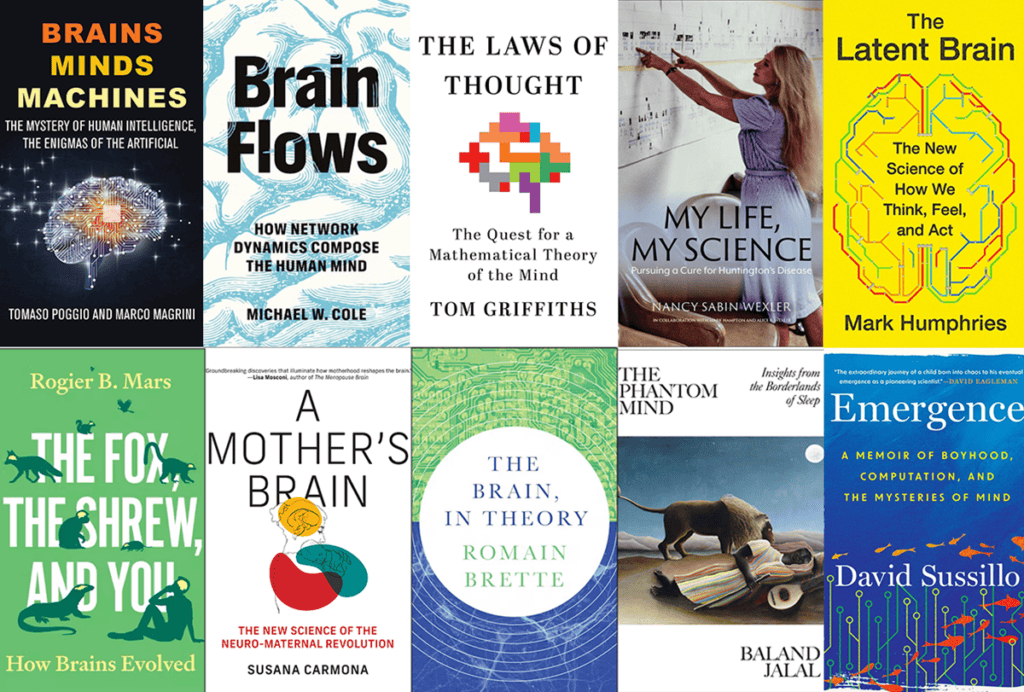
Five new neuroscience books, and other notable titles from 2026
The Transmitter’s summer reading list includes an autopsy of the Human Brain Project, an overview of the neuroscience of motherhood and a memoir from a pioneer in Huntington’s disease research.
Five new neuroscience books, and other notable titles from 2026
The Transmitter’s summer reading list includes an autopsy of the Human Brain Project, an overview of the neuroscience of motherhood and a memoir from a pioneer in Huntington’s disease research.
Marco Facchin explores the ever-shifting landscape of neuroscience theory and philosophy
Computational explanations of cognition, though powerful, aren't the only game in town.
Marco Facchin explores the ever-shifting landscape of neuroscience theory and philosophy
Computational explanations of cognition, though powerful, aren't the only game in town.
Reverse engineering neural circuits; success stories from computational neuroscience
Kevin Mitchell talks with Timothy Behrens about ring attractors, the role of innate structure, and an expanded view of cognitive maps.
Reverse engineering neural circuits; success stories from computational neuroscience
Kevin Mitchell talks with Timothy Behrens about ring attractors, the role of innate structure, and an expanded view of cognitive maps.
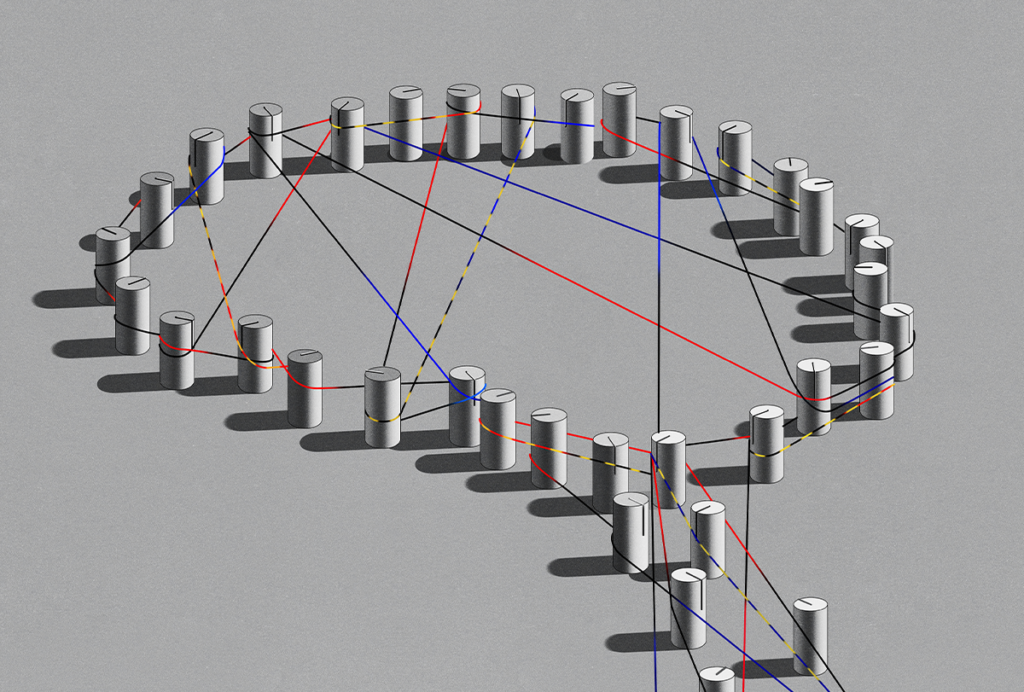
Transforming AI models into useful model organisms
These systems were not built to explain the brain. But treating them as model organisms that we can perturb and evolve will move us closer to that goal.
Transforming AI models into useful model organisms
These systems were not built to explain the brain. But treating them as model organisms that we can perturb and evolve will move us closer to that goal.

Models at the speed of thought: How AI coding is reshaping theoretical neuroscience
Agentic coding makes it possible to specify a neuroscience model in hours instead of months. Seven neuroscientists weigh in on what that tectonic change may bring to the field.
Models at the speed of thought: How AI coding is reshaping theoretical neuroscience
Agentic coding makes it possible to specify a neuroscience model in hours instead of months. Seven neuroscientists weigh in on what that tectonic change may bring to the field.
Romain Brette reveals fundamental flaws in commonly assumed neuroscience concepts
His new book, “The Brain, In Theory,” offers alternatives to many of the computer science frameworks currently driving theoretical neuroscience.
Romain Brette reveals fundamental flaws in commonly assumed neuroscience concepts
His new book, “The Brain, In Theory,” offers alternatives to many of the computer science frameworks currently driving theoretical neuroscience.
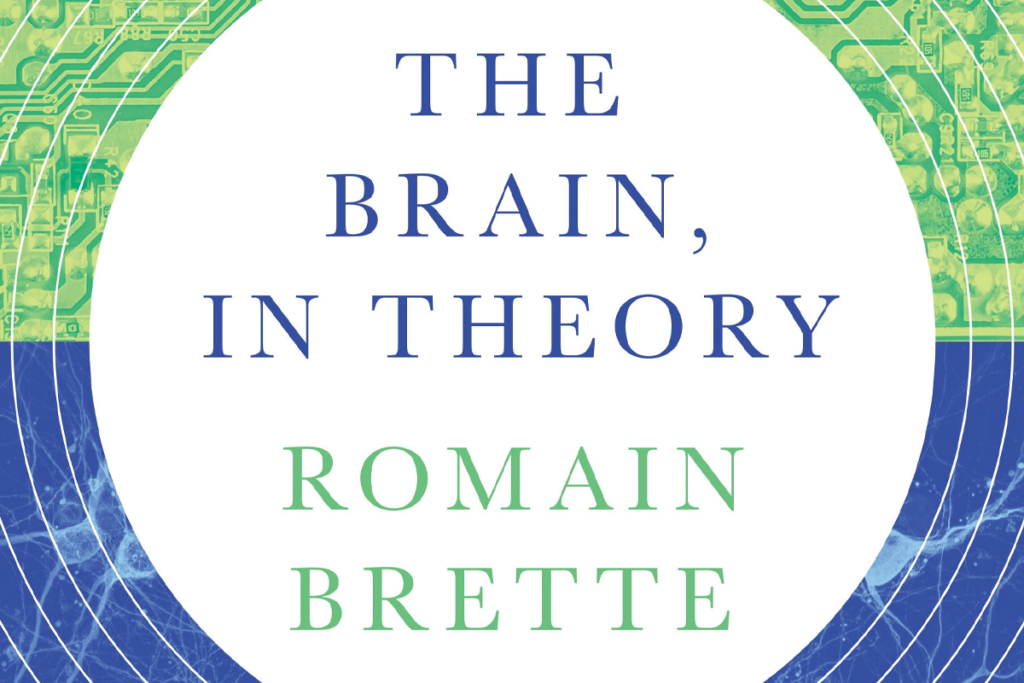
‘The Brain, In Theory,’ an excerpt
In his new book, Brette pushes back against theories that describe the brain as a “biological computer.” In this excerpt from Chapter 4, he challenges equating brain evolution with programming, and the universality of neural network models.
‘The Brain, In Theory,’ an excerpt
In his new book, Brette pushes back against theories that describe the brain as a “biological computer.” In this excerpt from Chapter 4, he challenges equating brain evolution with programming, and the universality of neural network models.
What a bird’s-eye view of half a million papers reveals about neuroscience
New research uses artificial-intellligence-driven bibliometrics to map the structural organization of neuroscience across 25 years. The field it reveals is at once thriving and theoretically adrift.
What a bird’s-eye view of half a million papers reveals about neuroscience
New research uses artificial-intellligence-driven bibliometrics to map the structural organization of neuroscience across 25 years. The field it reveals is at once thriving and theoretically adrift.
Explore more from The Transmitter
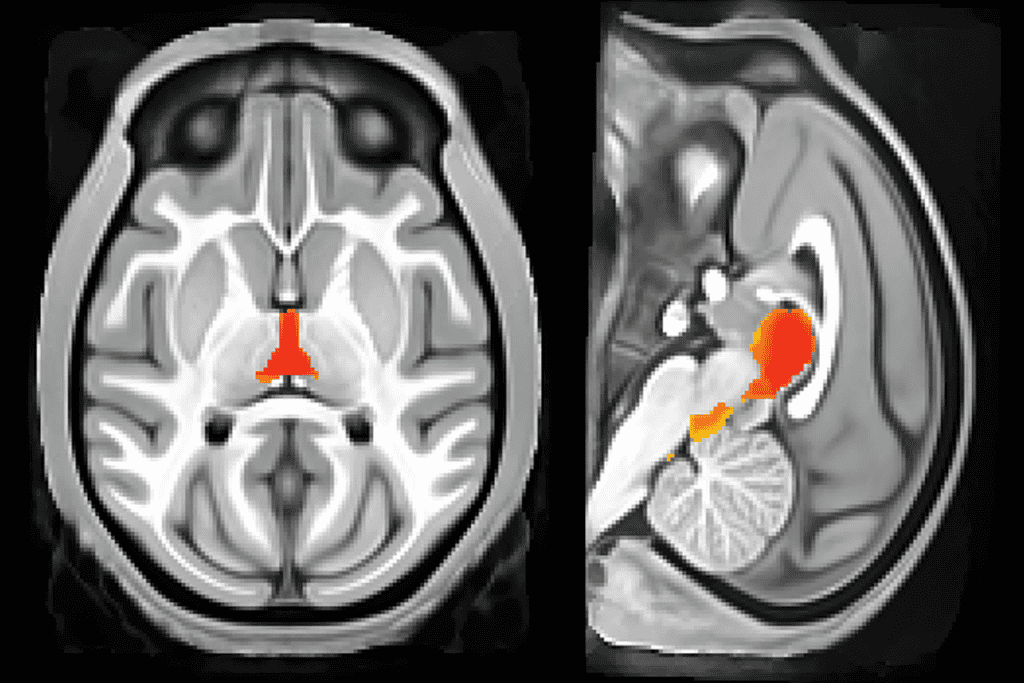
Acetaminophen effects on developing brain organoids; and more
Here is a roundup of autism-related news and research spotted around the web for the week of 12 October.
Acetaminophen effects on developing brain organoids; and more
Here is a roundup of autism-related news and research spotted around the web for the week of 12 October.

Private initiative makes ‘historic’ investment in autism research
Aligning Research to Impact Autism has committed more than $450 million to build a new multidisciplinary research network to uncover the roots of profound autism and develop treatments.
Private initiative makes ‘historic’ investment in autism research
Aligning Research to Impact Autism has committed more than $450 million to build a new multidisciplinary research network to uncover the roots of profound autism and develop treatments.
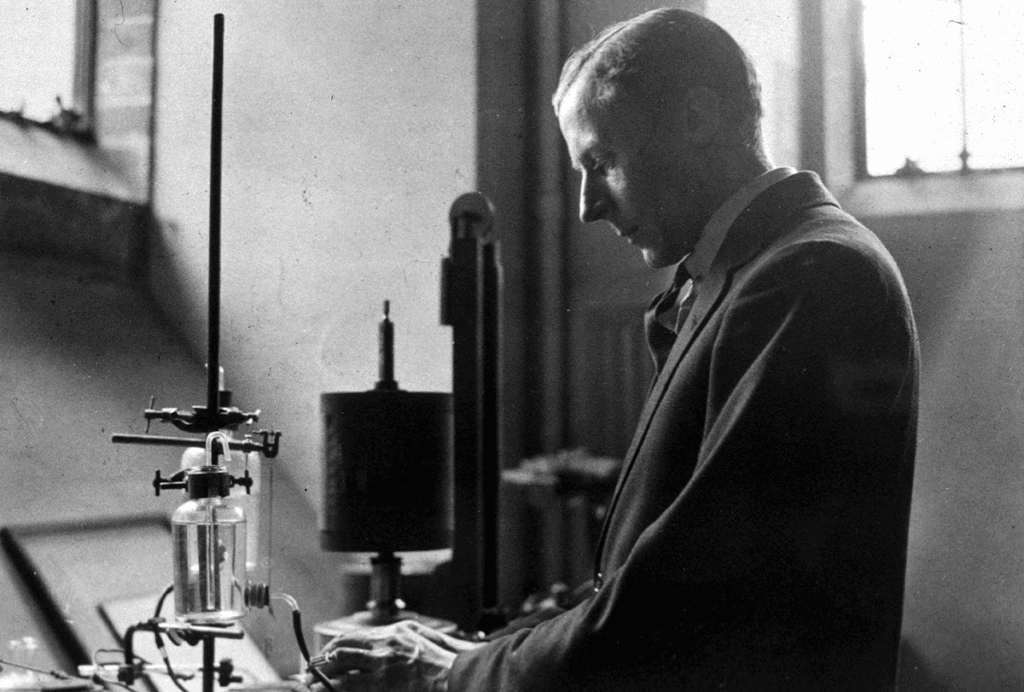
The neural code at 100
In two 1926 articles, Edgar Douglas Adrian revealed that neurons communicate through trains of spikes.
The neural code at 100
In two 1926 articles, Edgar Douglas Adrian revealed that neurons communicate through trains of spikes.