Cortex
Recent articles
The relationship between structure and function in cortical networks
Michael Reimann explains how the shape of neurons puts strong constraints on how they are wired in a network, and how this affects their structure-function relationships.
The relationship between structure and function in cortical networks
Michael Reimann explains how the shape of neurons puts strong constraints on how they are wired in a network, and how this affects their structure-function relationships.
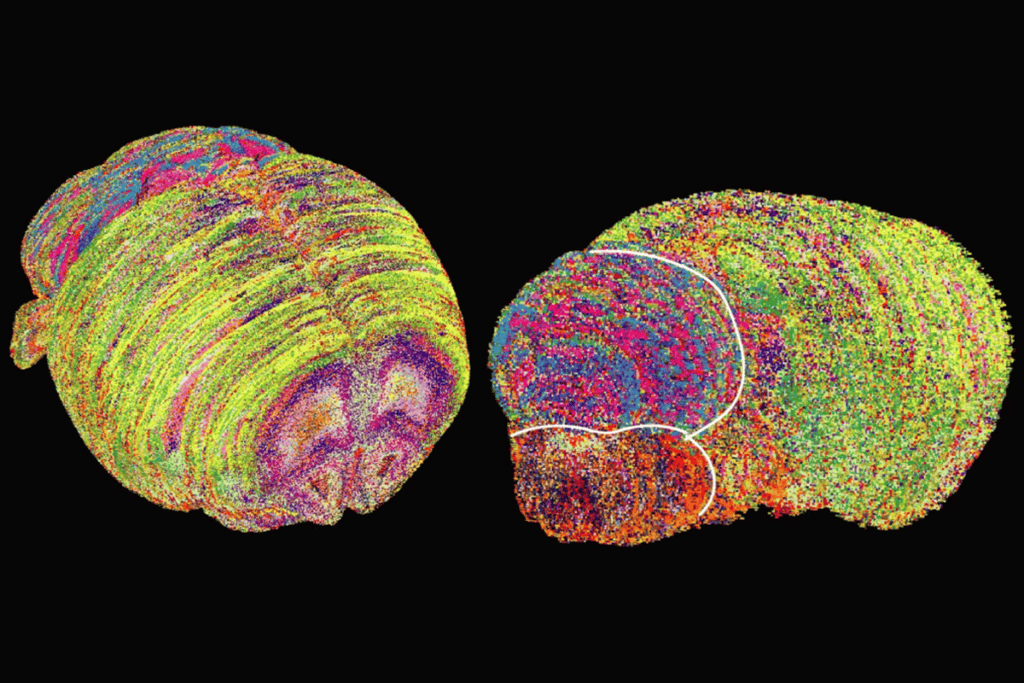
Lipids enter brain mapping limelight
Two new studies, including the first whole-brain lipid atlas in mice, uncover unforeseen complexity and influence during pregnancy and aging.
Lipids enter brain mapping limelight
Two new studies, including the first whole-brain lipid atlas in mice, uncover unforeseen complexity and influence during pregnancy and aging.
What to do when traditional mechanistic approaches no longer work
Many complex behaviors have stubbornly resisted mechanistic explanations. Deciphering them will require new approaches—and perhaps a new concept of “understanding.”
What to do when traditional mechanistic approaches no longer work
Many complex behaviors have stubbornly resisted mechanistic explanations. Deciphering them will require new approaches—and perhaps a new concept of “understanding.”

How Nobel Prize-winning optogenetics has revolutionized neuroscience
The technique has enabled neuroscientists to target brain circuits and cells with unprecedented specificity, transforming the study of memory, interoception, brain disorders and reward, among other domains.
How Nobel Prize-winning optogenetics has revolutionized neuroscience
The technique has enabled neuroscientists to target brain circuits and cells with unprecedented specificity, transforming the study of memory, interoception, brain disorders and reward, among other domains.
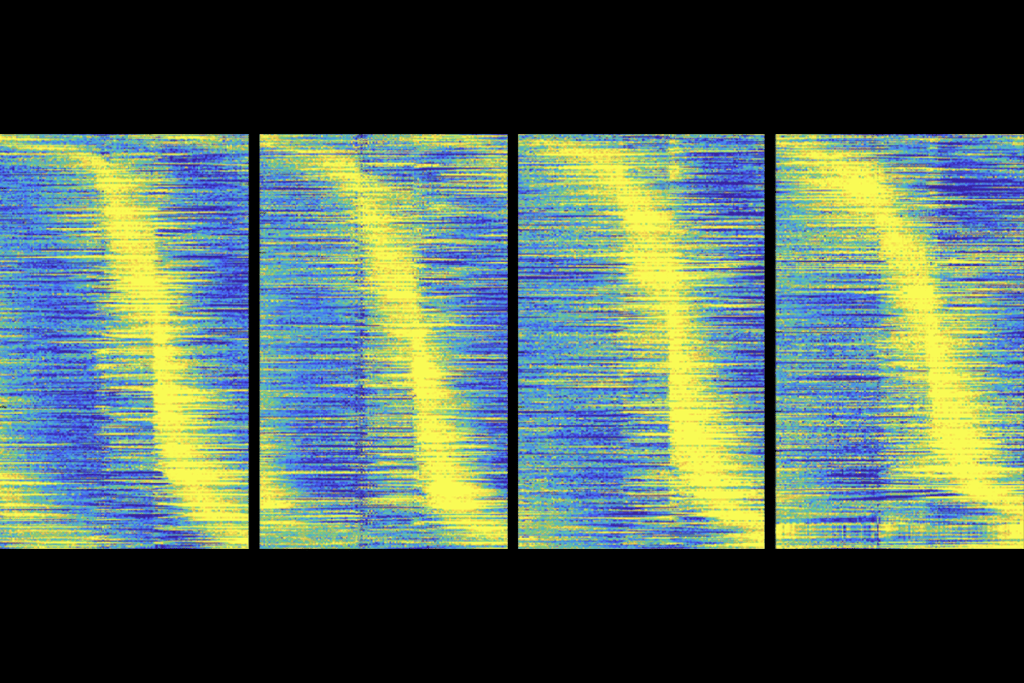
Cerebellar neurons reorient brain activity to differentiate similar behaviors
The findings provide a new perspective on how granule cells help to generalize learning across tasks.
Cerebellar neurons reorient brain activity to differentiate similar behaviors
The findings provide a new perspective on how granule cells help to generalize learning across tasks.
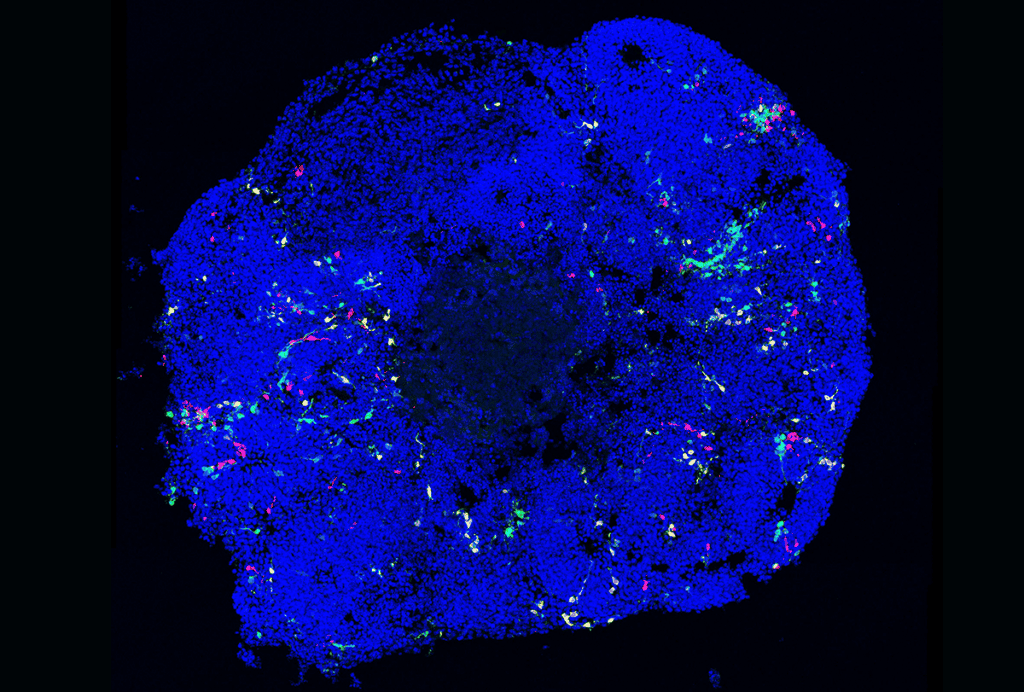
Hasty stem cells highlight potential limitation with cortical organoids
The models recapitulate many key developmental processes, but some radial glial cells in mouse organoids make neurons earlier than they should.
Hasty stem cells highlight potential limitation with cortical organoids
The models recapitulate many key developmental processes, but some radial glial cells in mouse organoids make neurons earlier than they should.
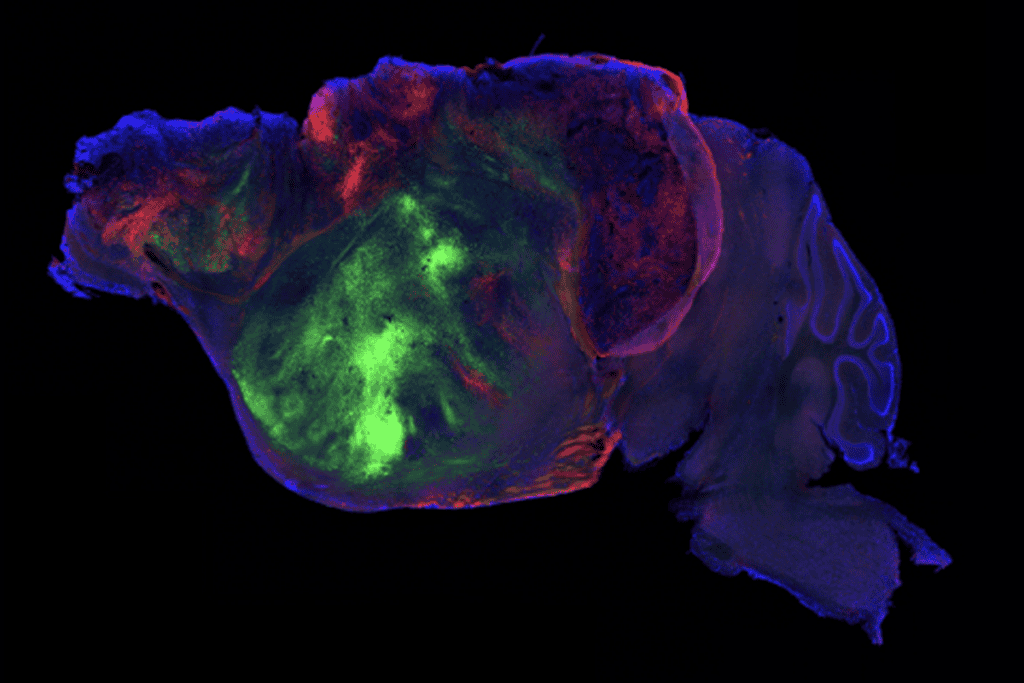
Human brain organoids flourish in emptied mouse cortex
The chimeric mice could help untangle the biology of human brain development or conditions such as autism.
Human brain organoids flourish in emptied mouse cortex
The chimeric mice could help untangle the biology of human brain development or conditions such as autism.
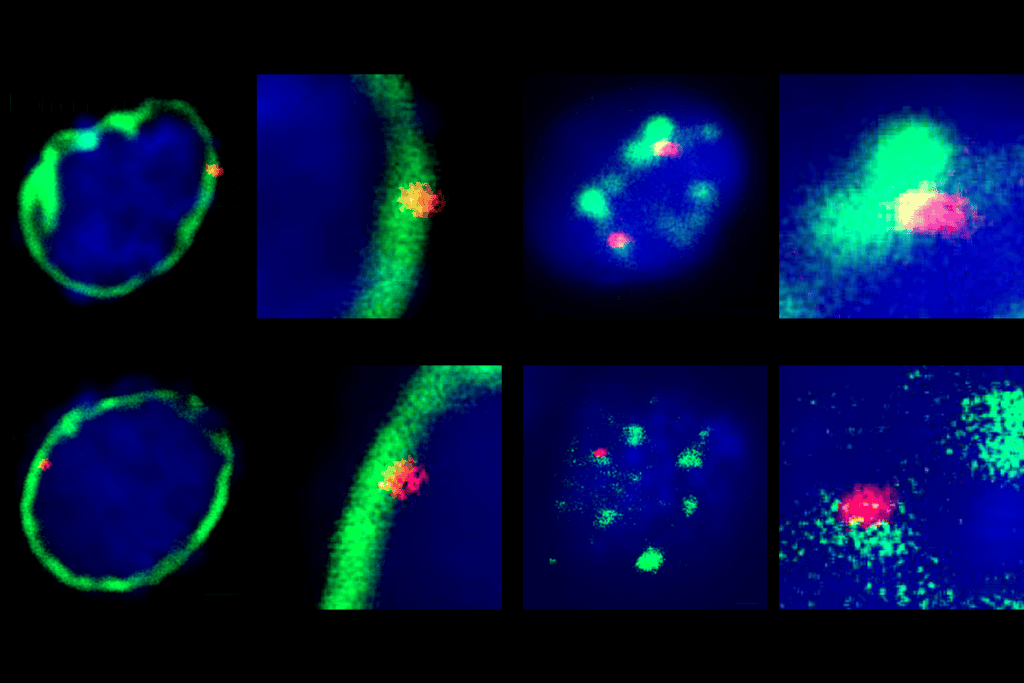
Nuclear location helps control gene activity during brain development
A study of developing human brain tissue suggests that genes switch on more strongly when they move from the nucleus’s edge toward structures that contain proteins involved in making and processing RNA.
Nuclear location helps control gene activity during brain development
A study of developing human brain tissue suggests that genes switch on more strongly when they move from the nucleus’s edge toward structures that contain proteins involved in making and processing RNA.
Alison Barth discovers how different neuron types contribute to cortical function
Barth uses learning tasks in mice as a tool to drive synaptic plasticity in the sensory cortex, hoping to unlock more general principles of how the cortex works.
Alison Barth discovers how different neuron types contribute to cortical function
Barth uses learning tasks in mice as a tool to drive synaptic plasticity in the sensory cortex, hoping to unlock more general principles of how the cortex works.
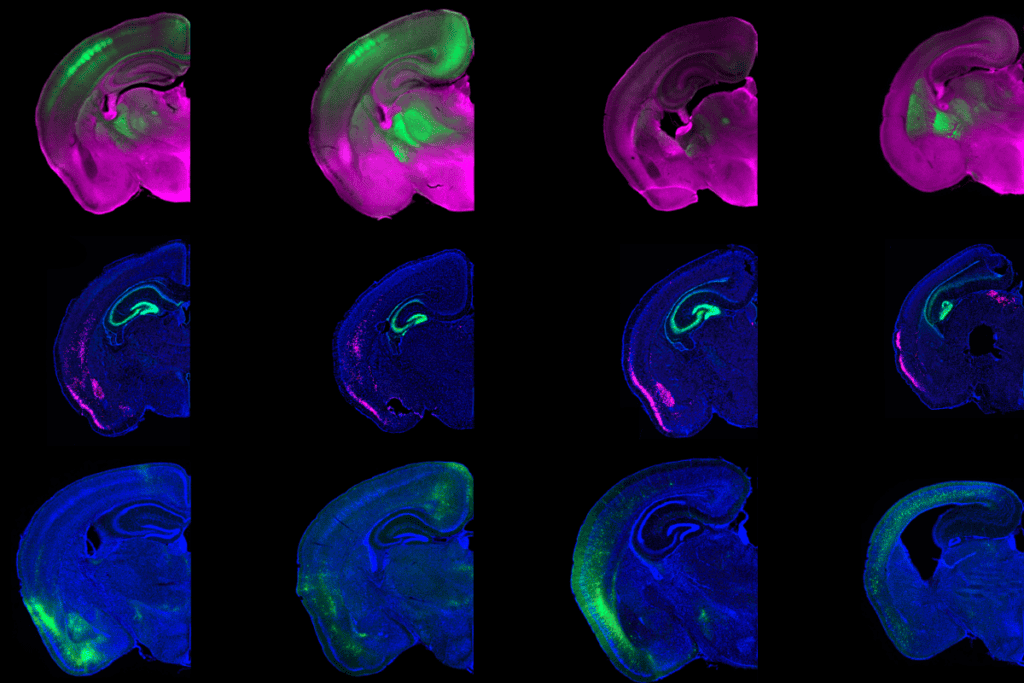
Cortical territories compete in developmental space race
Sensory and association regions are established through a reciprocal process, according to a new model of cortical development.
Cortical territories compete in developmental space race
Sensory and association regions are established through a reciprocal process, according to a new model of cortical development.
Explore more from The Transmitter
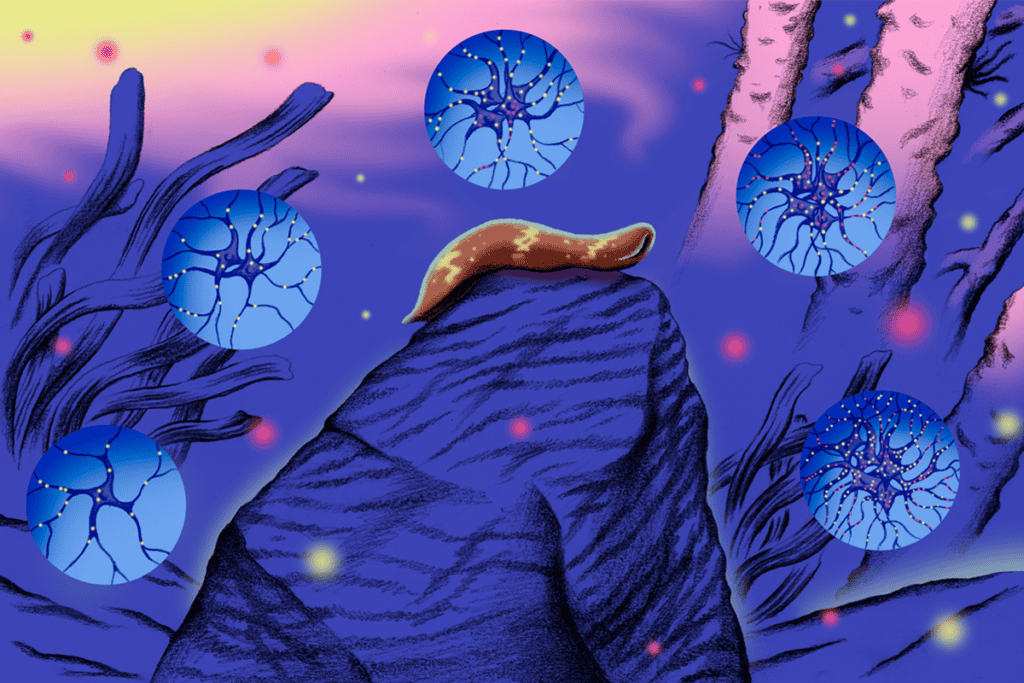
The three-banded panther worm is rewriting the story of brain evolution
The animal has a brain structure all its own, according to a 2026 preprint. The finding hints that brains could have evolved centralization before regionalization.
The three-banded panther worm is rewriting the story of brain evolution
The animal has a brain structure all its own, according to a 2026 preprint. The finding hints that brains could have evolved centralization before regionalization.
Does cognition happen in brain areas or between them?
Michael Cole explains how "brain flows" are the fundamental units of brain function and cognition.
Does cognition happen in brain areas or between them?
Michael Cole explains how "brain flows" are the fundamental units of brain function and cognition.
‘Brain Flows: How Network Dynamics Compose the Human Mind,’ an excerpt
In his new book, published today, Michael W. Cole examines how the movement of neuronal activity between neuronal populations shapes free will, intelligence and creativity. In this excerpt from Chapter 1, Cole explores why activity flows could unify efforts to map brain functions and connectivity.