Sensory perception
Recent articles
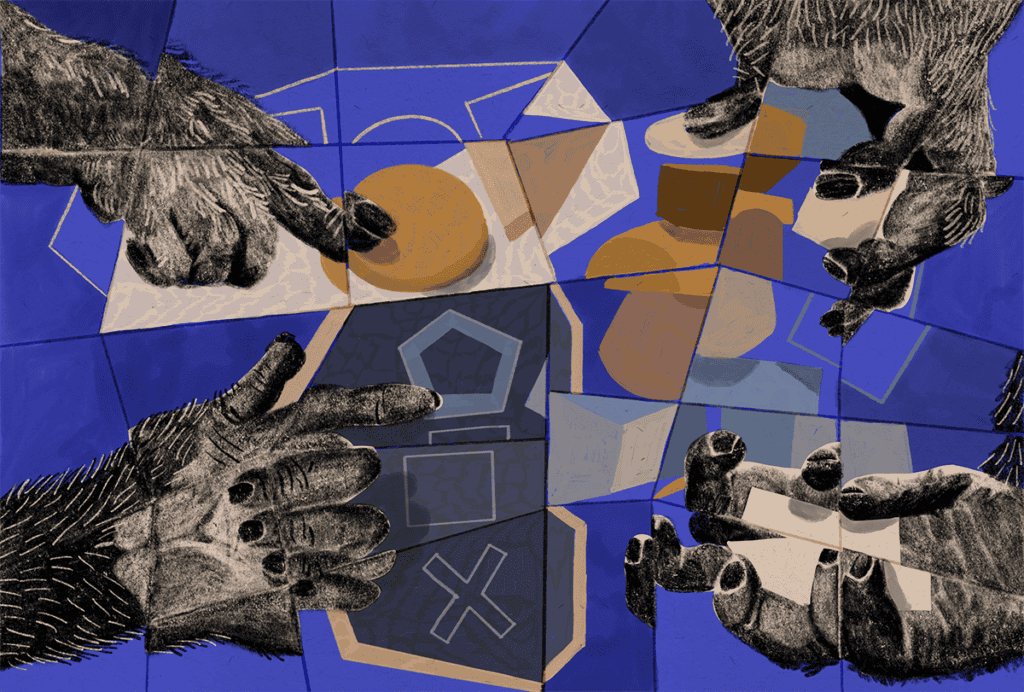
The neuroscience questions that need nonhuman primates
The Transmitter asked 17 neuroscientists what questions might remain unanswered if support for nonhuman primate research continues to decline.
The neuroscience questions that need nonhuman primates
The Transmitter asked 17 neuroscientists what questions might remain unanswered if support for nonhuman primate research continues to decline.
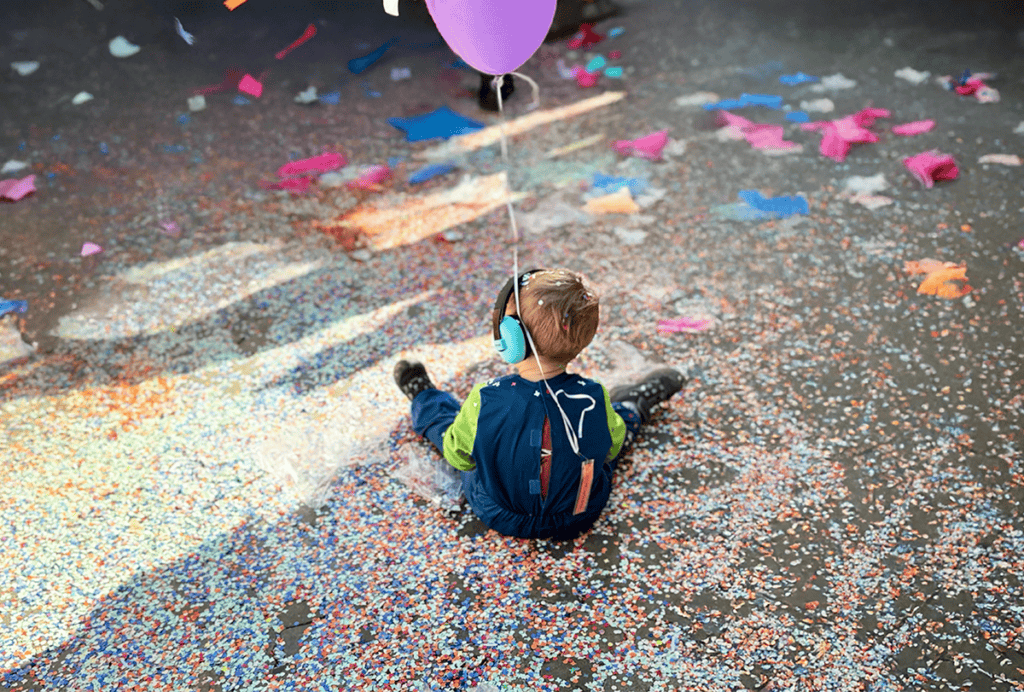
Sensory over-responsivity tied to autism, anxiety but not other conditions
Negative reactions to sensations track with certain neurodevelopmental traits in more than 15,000 children—pointing to shared neurobiological roots.
Sensory over-responsivity tied to autism, anxiety but not other conditions
Negative reactions to sensations track with certain neurodevelopmental traits in more than 15,000 children—pointing to shared neurobiological roots.
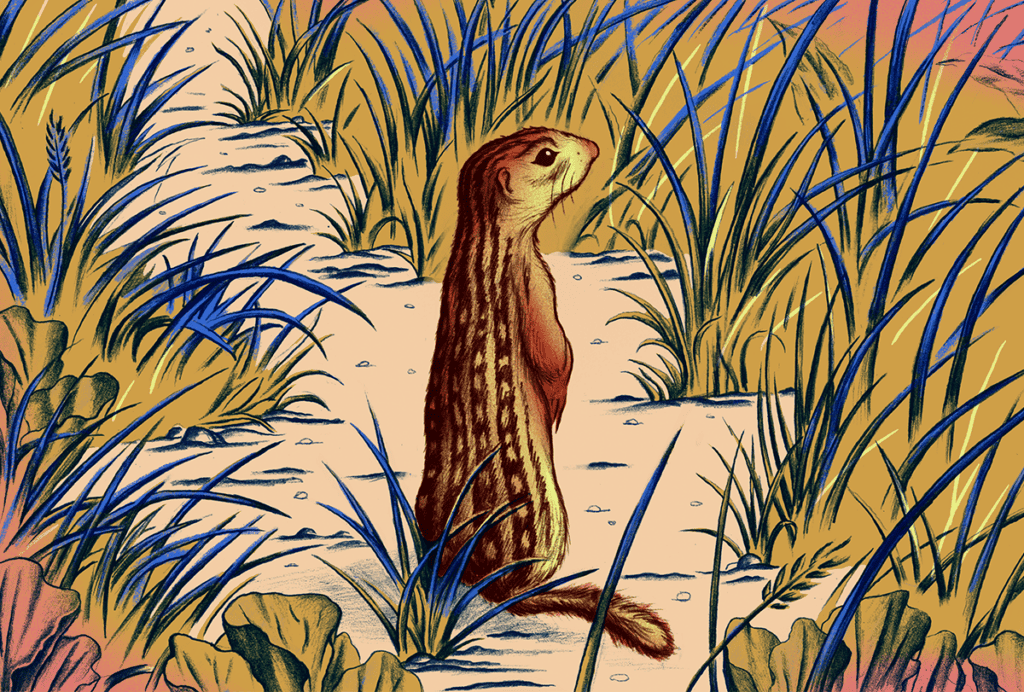
How thirteen-lined ground squirrels illuminate retinal development
In most mammalian retinas, rods outnumber cones. But that ratio is flipped in ground squirrels, a quirk that helps Seth Blackshaw explore how retinal cells develop their identities.
How thirteen-lined ground squirrels illuminate retinal development
In most mammalian retinas, rods outnumber cones. But that ratio is flipped in ground squirrels, a quirk that helps Seth Blackshaw explore how retinal cells develop their identities.
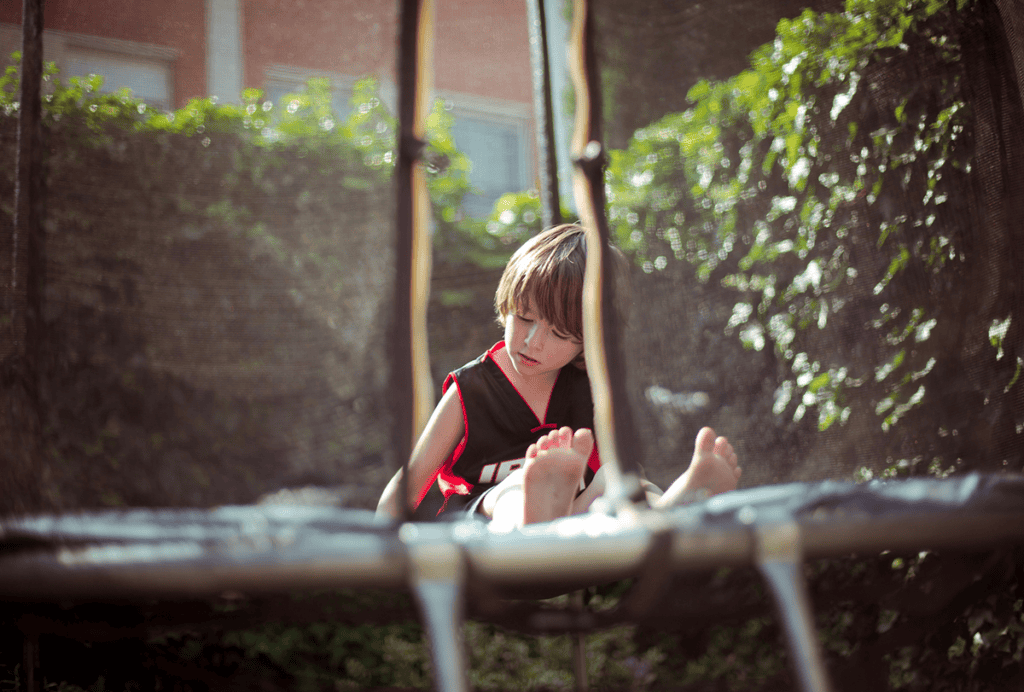
Study questions DSM-5’s combining of autism traits
Sensory traits and restricted and repetitive behaviors are best understood as distinct but related characteristics, the new work suggests.
Study questions DSM-5’s combining of autism traits
Sensory traits and restricted and repetitive behaviors are best understood as distinct but related characteristics, the new work suggests.
Ehud Ahissar offers a new kind of dualism for neuroscience
He explains how “perceptual dualism” can account for the way we communicate via digital symbols and perceive the world via analog brain processes.
Ehud Ahissar offers a new kind of dualism for neuroscience
He explains how “perceptual dualism” can account for the way we communicate via digital symbols and perceive the world via analog brain processes.
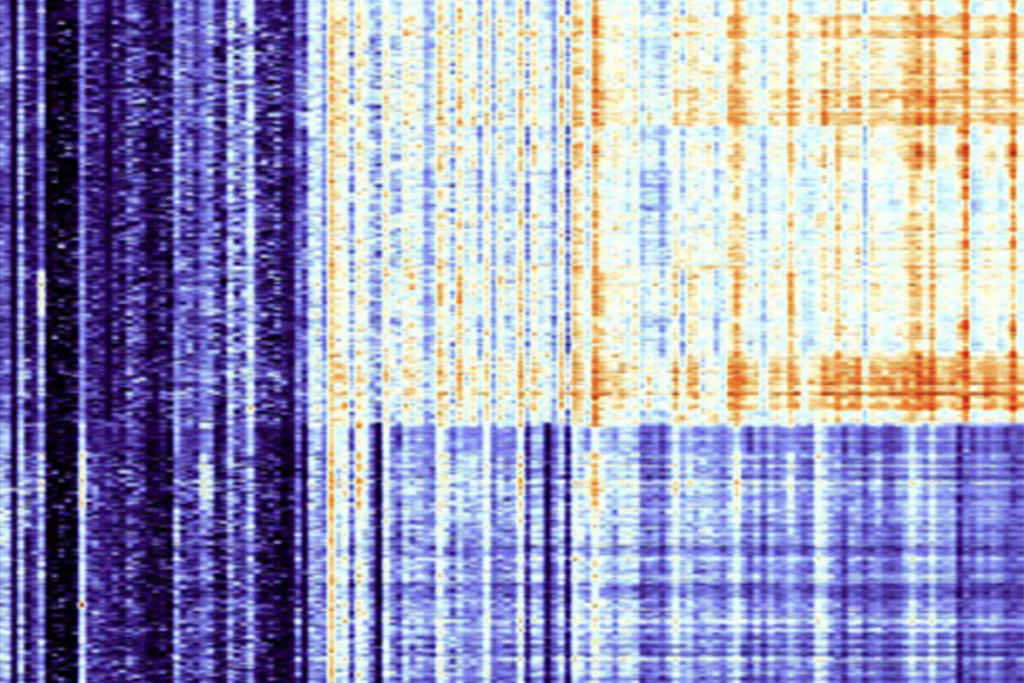
Switching neural code may solve ongoing face-recognition debate
Face patch cells in macaque monkeys initially respond to images of any object but rapidly transition to attend to faces exclusively, a new study finds.
Switching neural code may solve ongoing face-recognition debate
Face patch cells in macaque monkeys initially respond to images of any object but rapidly transition to attend to faces exclusively, a new study finds.
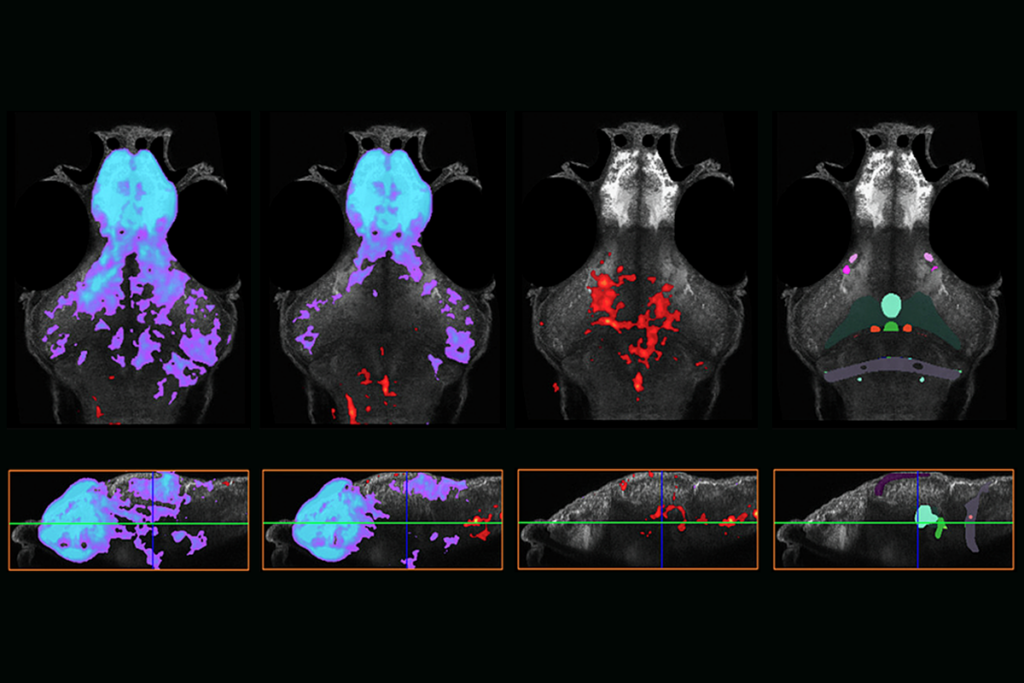
Nearly 400 compounds affect behaviors tied to autism-linked genes in zebrafish
Estropipate, paclitaxel and levocarnitine altered behaviors tied to SCN2A and DYRK1A variants specifically, a new open-source platform revealed.
Nearly 400 compounds affect behaviors tied to autism-linked genes in zebrafish
Estropipate, paclitaxel and levocarnitine altered behaviors tied to SCN2A and DYRK1A variants specifically, a new open-source platform revealed.
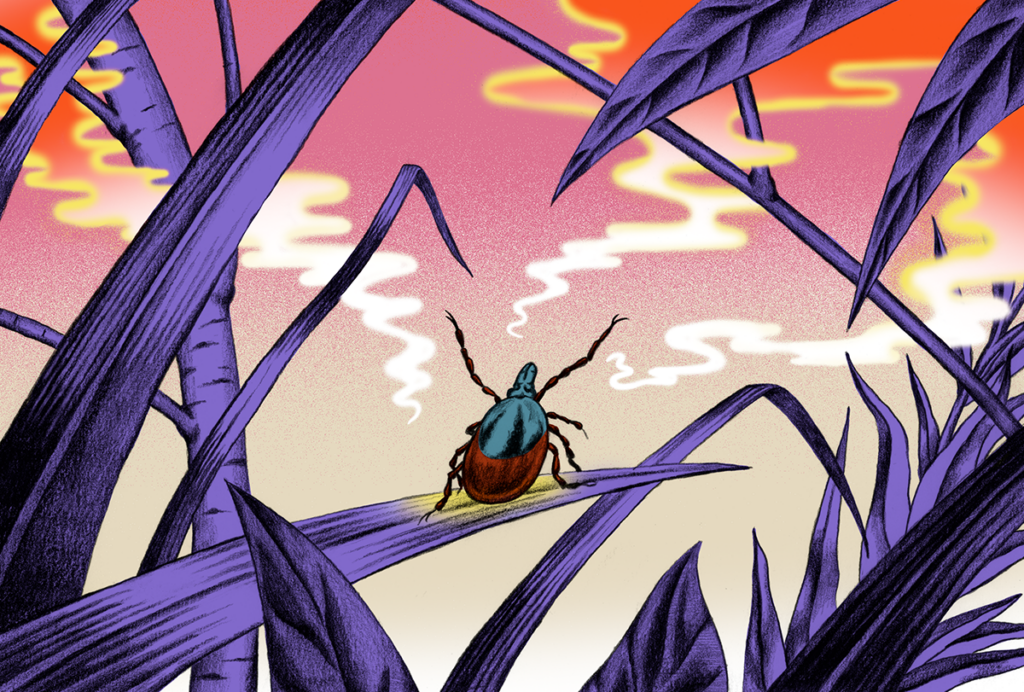
The secret sensory world of ticks
Carola Städele, a self-proclaimed “tick magnet,” studies the arachnids’ sensory neurobiology—in other words, how these tiny parasites zero in on their next meal.
The secret sensory world of ticks
Carola Städele, a self-proclaimed “tick magnet,” studies the arachnids’ sensory neurobiology—in other words, how these tiny parasites zero in on their next meal.
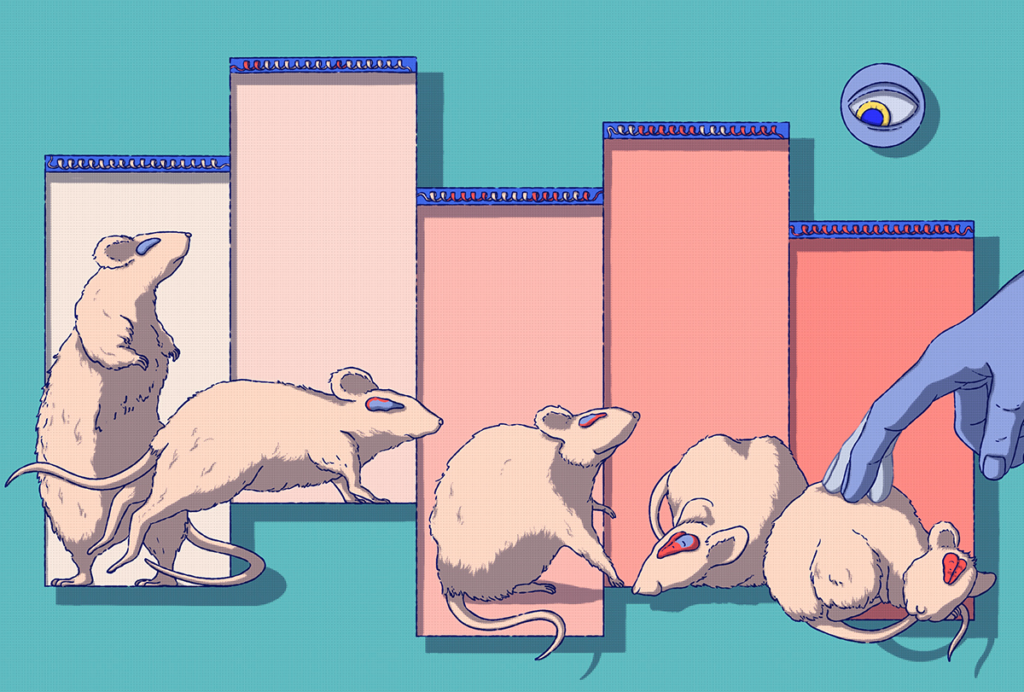
This paper changed my life: Ishmail Abdus-Saboor on balancing the study of pain and pleasure
A 2013 Nature paper from David Anderson’s lab revealed a group of sensory neurons involved in pleasurable touch and led Abdus-Saboor down a new research path.
This paper changed my life: Ishmail Abdus-Saboor on balancing the study of pain and pleasure
A 2013 Nature paper from David Anderson’s lab revealed a group of sensory neurons involved in pleasurable touch and led Abdus-Saboor down a new research path.
Michael Shadlen explains how theory of mind ushers nonconscious thoughts into consciousness
All of our thoughts, mostly nonconscious, are interrogations of the world, Shadlen says. The opportunity to report our answers to ourselves or others brings a thought into conscious awareness.
Michael Shadlen explains how theory of mind ushers nonconscious thoughts into consciousness
All of our thoughts, mostly nonconscious, are interrogations of the world, Shadlen says. The opportunity to report our answers to ourselves or others brings a thought into conscious awareness.
Explore more from The Transmitter
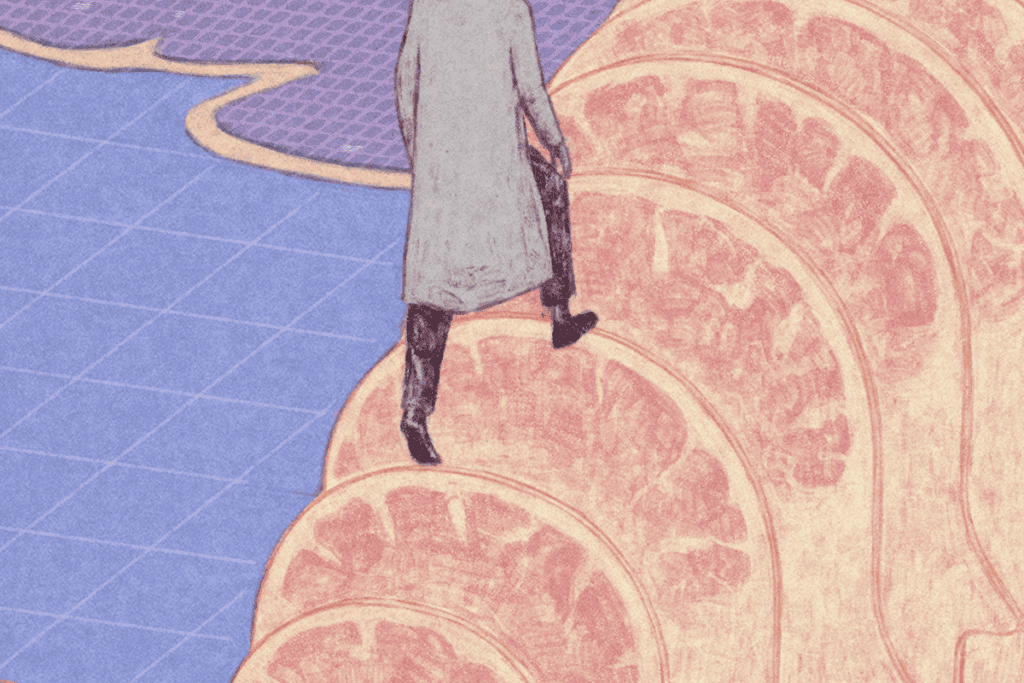
Commentary: The rising absolute number of neuro-inspired AI papers represents a substantial footprint
Many of the design choices present in the current generation of artificial-intelligence tools parallel purported properties of the brain.
Commentary: The rising absolute number of neuro-inspired AI papers represents a substantial footprint
Many of the design choices present in the current generation of artificial-intelligence tools parallel purported properties of the brain.
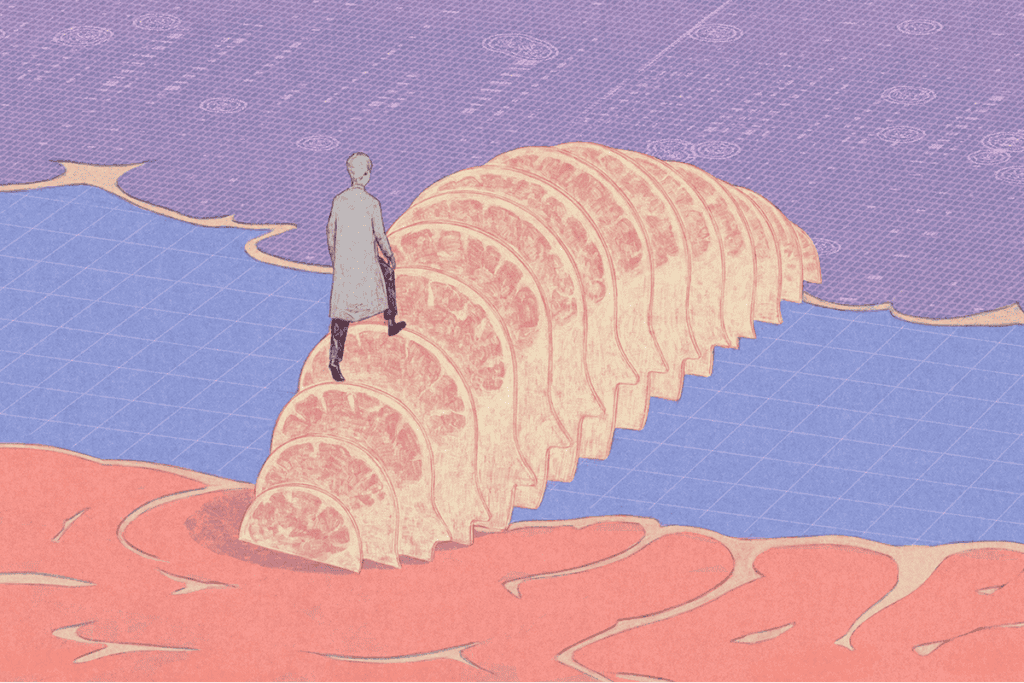
Examining the bridge between neuroscience and AI
A citation analysis reveals that the connection between the two fields is real and gaining momentum. But it’s also narrow and tool-heavy; we need to find ways to widen it.
Examining the bridge between neuroscience and AI
A citation analysis reveals that the connection between the two fields is real and gaining momentum. But it’s also narrow and tool-heavy; we need to find ways to widen it.
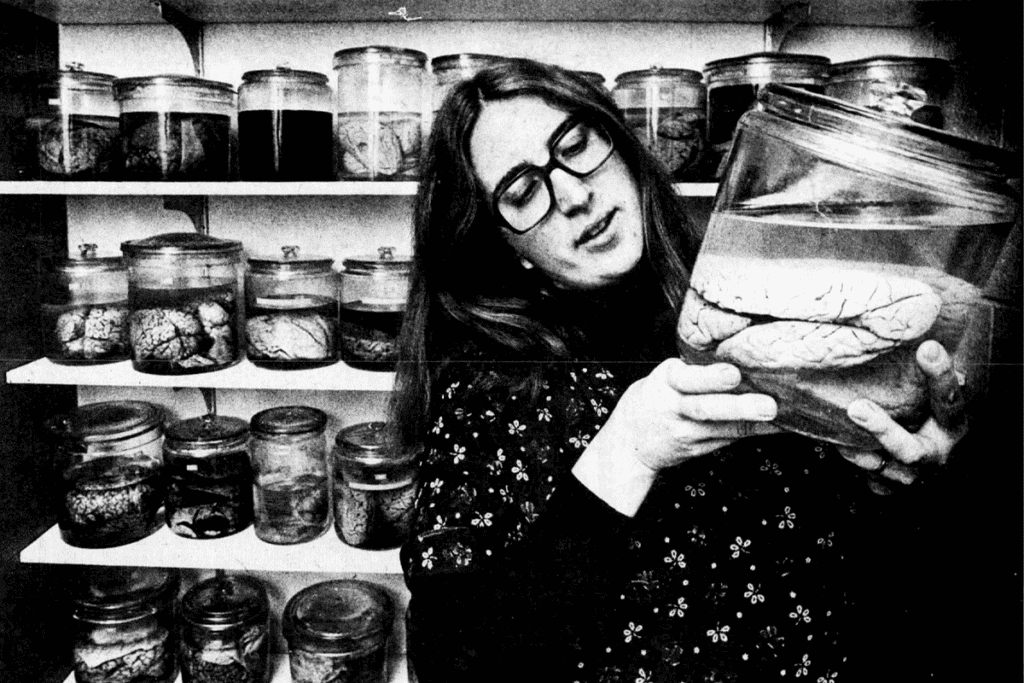
Remembering Barbara Finlay, ‘maverick’ of evolutionary neuroscience
Finlay, who died on 12 September, championed the idea that developmental constraints dictate how evolution sculpts brains, a concept she used to model the timing of hundreds of events and align them across mammalian species.
Remembering Barbara Finlay, ‘maverick’ of evolutionary neuroscience
Finlay, who died on 12 September, championed the idea that developmental constraints dictate how evolution sculpts brains, a concept she used to model the timing of hundreds of events and align them across mammalian species.