Nonhuman primates
Recent articles
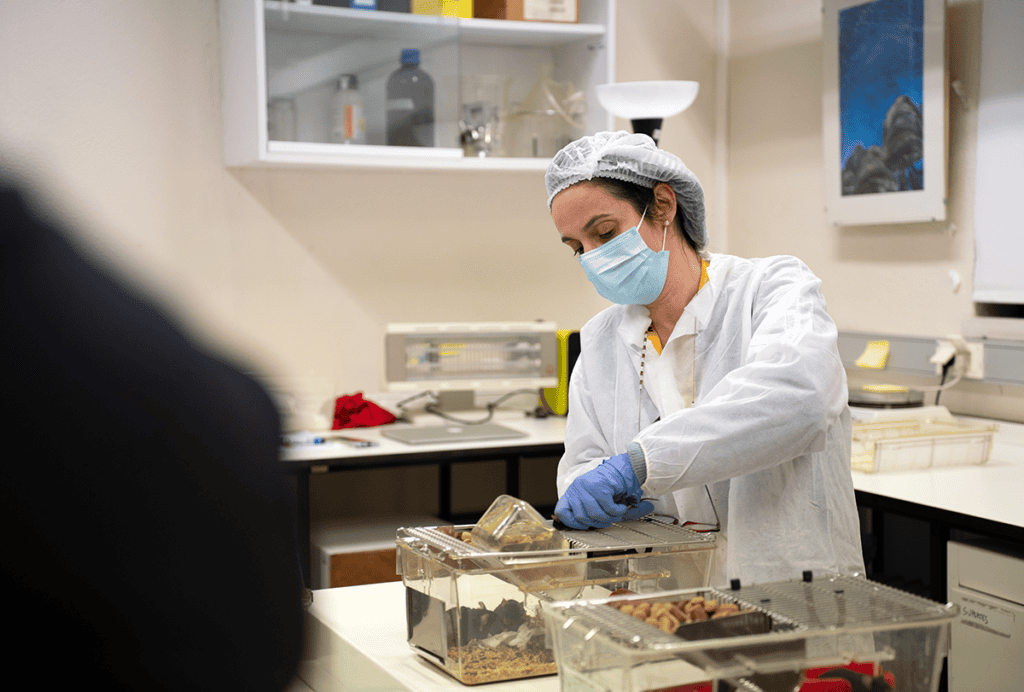
Public engagement can help cultivate support for animal research
The European Animal Research Association's Patient Discovery Project connects researchers with people who have the conditions they study. The learning goes both ways.
Public engagement can help cultivate support for animal research
The European Animal Research Association's Patient Discovery Project connects researchers with people who have the conditions they study. The learning goes both ways.
How new technologies can bring primatologists and systems neuroscientists together
The two groups study the same behavioral phenomena yet rarely interact or read each other's work—a mutual blind spot that weakens both fields. New technologies offer a chance to bring them together.
How new technologies can bring primatologists and systems neuroscientists together
The two groups study the same behavioral phenomena yet rarely interact or read each other's work—a mutual blind spot that weakens both fields. New technologies offer a chance to bring them together.
This paper changed my life: A first glimpse into the ‘middle’ of brain processing
Work by Jeffrey Moran and Robert Desimone showed that monkeys could focus their attention on different stimuli in their visual field without shifting their gaze. Their work marked a key milestone in the emergence of cognitive neuroscience.
The neuroscience questions that need nonhuman primates
The Transmitter asked 17 neuroscientists what questions might remain unanswered if support for nonhuman primate research continues to decline.
The neuroscience questions that need nonhuman primates
The Transmitter asked 17 neuroscientists what questions might remain unanswered if support for nonhuman primate research continues to decline.
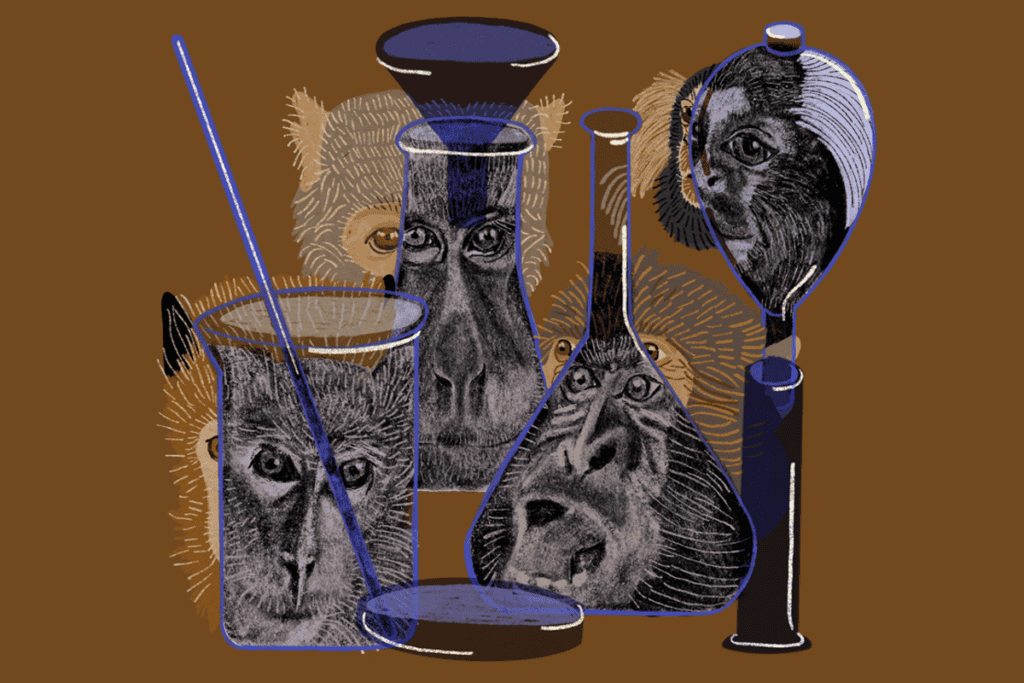
What if nonhuman primate research goes away?
As the U.S. government takes steps to stop using nonhuman primates in research, The Transmitter investigates what that shift could mean for neuroscience.
What if nonhuman primate research goes away?
As the U.S. government takes steps to stop using nonhuman primates in research, The Transmitter investigates what that shift could mean for neuroscience.
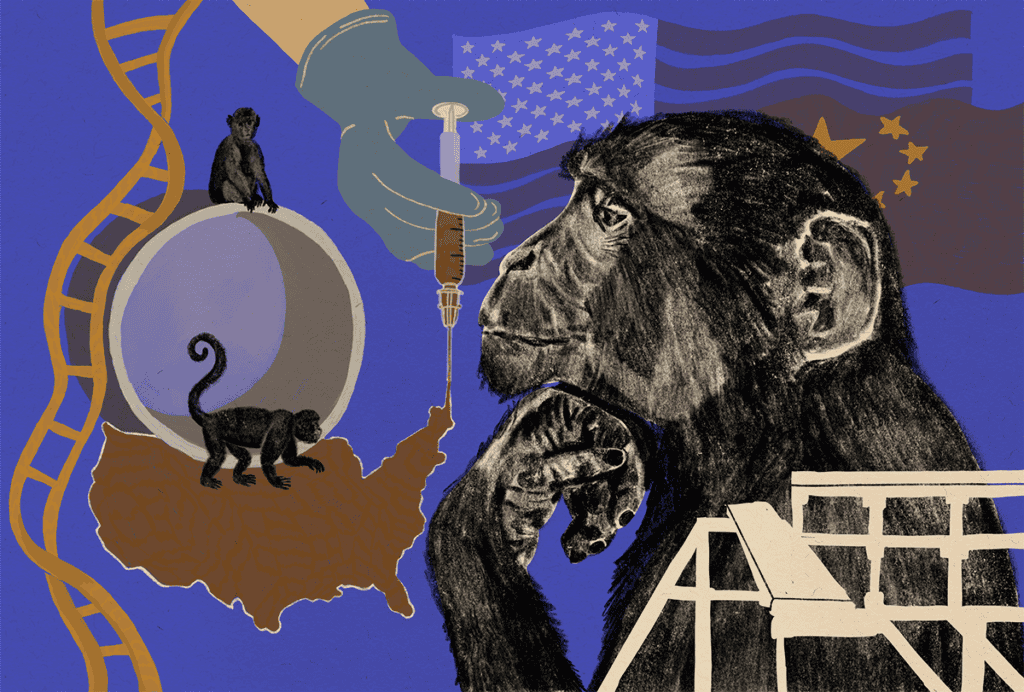
U.S. national primate research centers face an uncertain future
The facilities were meant to last 100 years. Four decades shy of that mark, amid flatlined funds and mounting political pressure, their directors are trying to find a path forward.
U.S. national primate research centers face an uncertain future
The facilities were meant to last 100 years. Four decades shy of that mark, amid flatlined funds and mounting political pressure, their directors are trying to find a path forward.
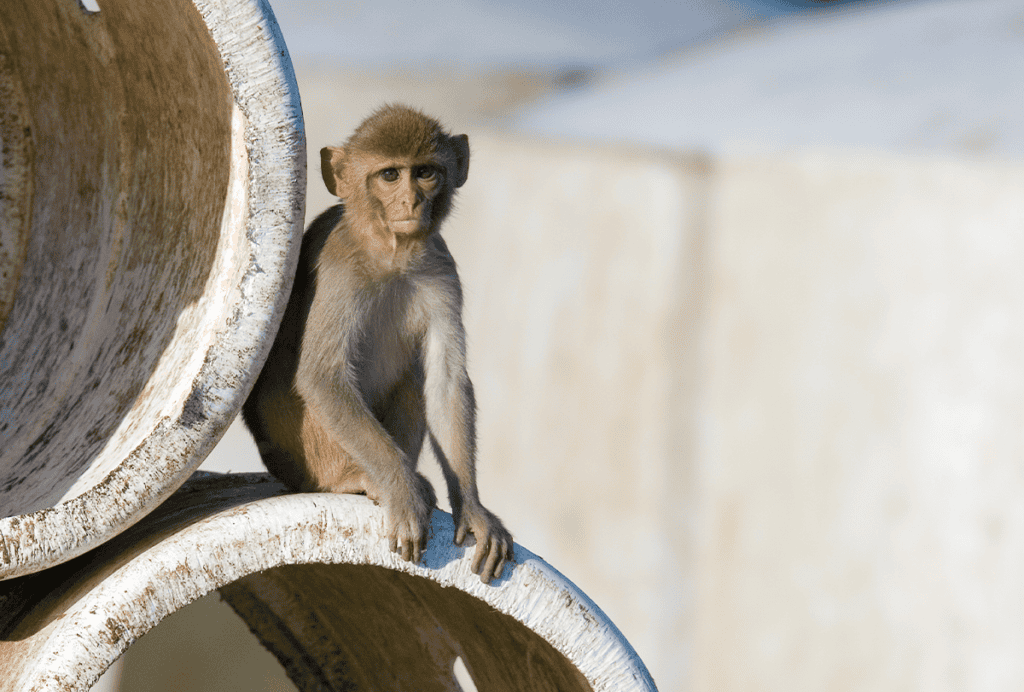
Oregon primate research center to downsize monkey colony, pivot to non-animal models
The center’s host university had been negotiating with the federal government about converting the center into an animal sanctuary. A new plan, approved today, preserves some of the center’s nonhuman primate studies.
Cooperating marmosets extend decision-making model of the brain
When a pair of marmosets works together to earn some marshmallow fluff, one of them decides to act only after its brain accumulates enough evidence about what the other is doing, new work shows.
Cooperating marmosets extend decision-making model of the brain
When a pair of marmosets works together to earn some marshmallow fluff, one of them decides to act only after its brain accumulates enough evidence about what the other is doing, new work shows.
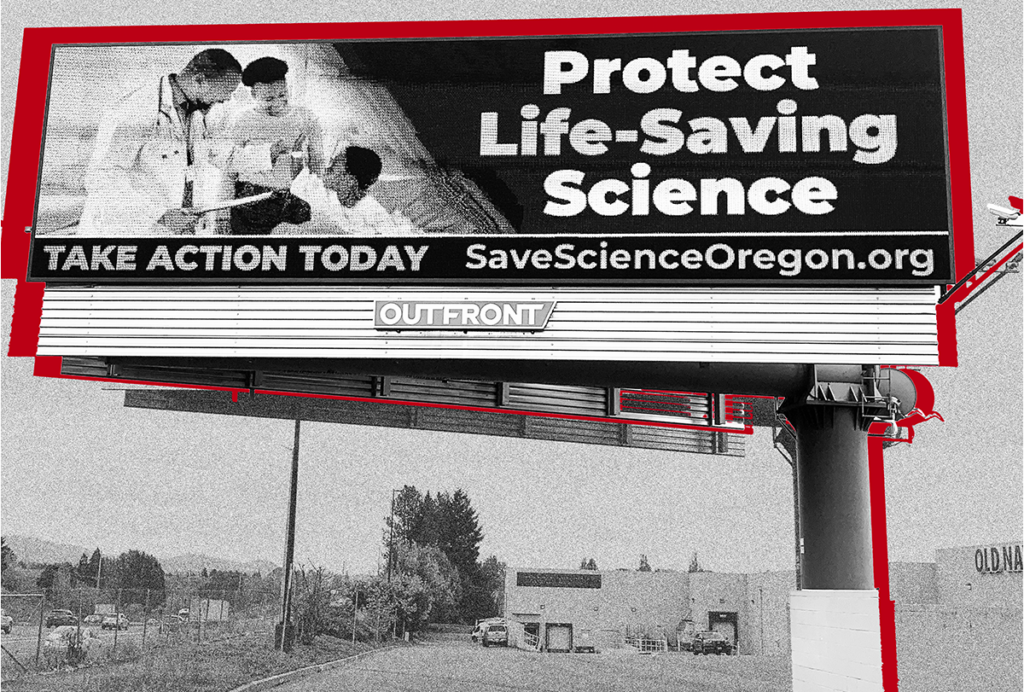
Oregon primate center scientists fight proposed sanctuary transition
A group of employees has launched a series of campaigns to advocate for their work and argue against the center’s potential transition to an animal sanctuary.
Oregon primate center scientists fight proposed sanctuary transition
A group of employees has launched a series of campaigns to advocate for their work and argue against the center’s potential transition to an animal sanctuary.
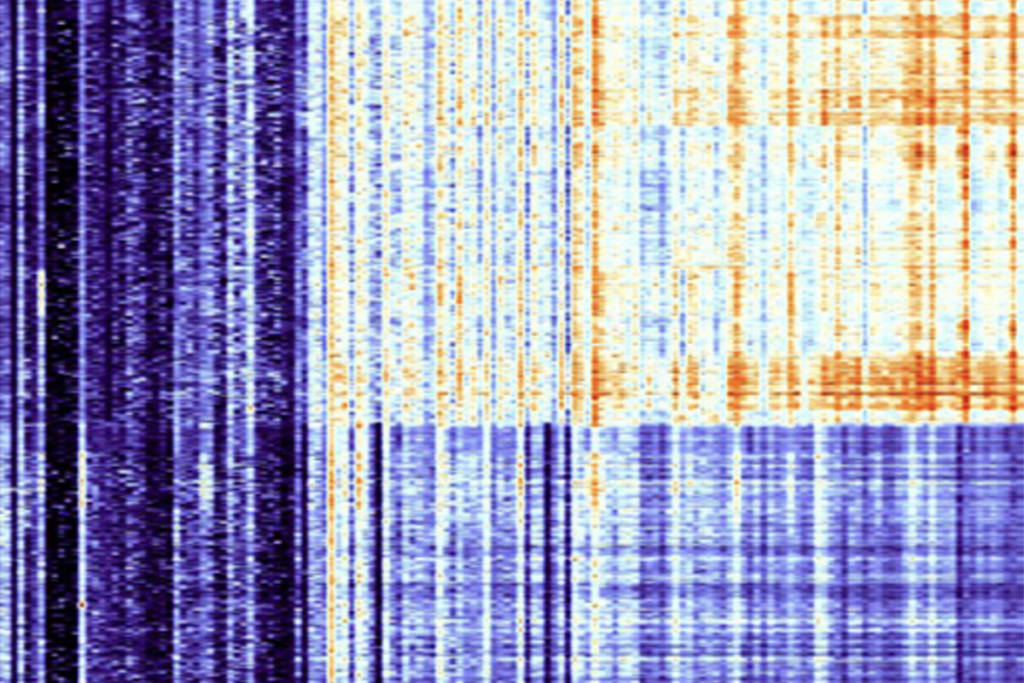
Switching neural code may solve ongoing face-recognition debate
Face patch cells in macaque monkeys initially respond to images of any object but rapidly transition to attend to faces exclusively, a new study finds.
Switching neural code may solve ongoing face-recognition debate
Face patch cells in macaque monkeys initially respond to images of any object but rapidly transition to attend to faces exclusively, a new study finds.
Explore more from The Transmitter

Training graduate students as a teaching professor
Mayank Chugh instructs graduate students in a range of molecular biology techniques at the University of Maryland and carves out time to do metascience research as well.
Training graduate students as a teaching professor
Mayank Chugh instructs graduate students in a range of molecular biology techniques at the University of Maryland and carves out time to do metascience research as well.
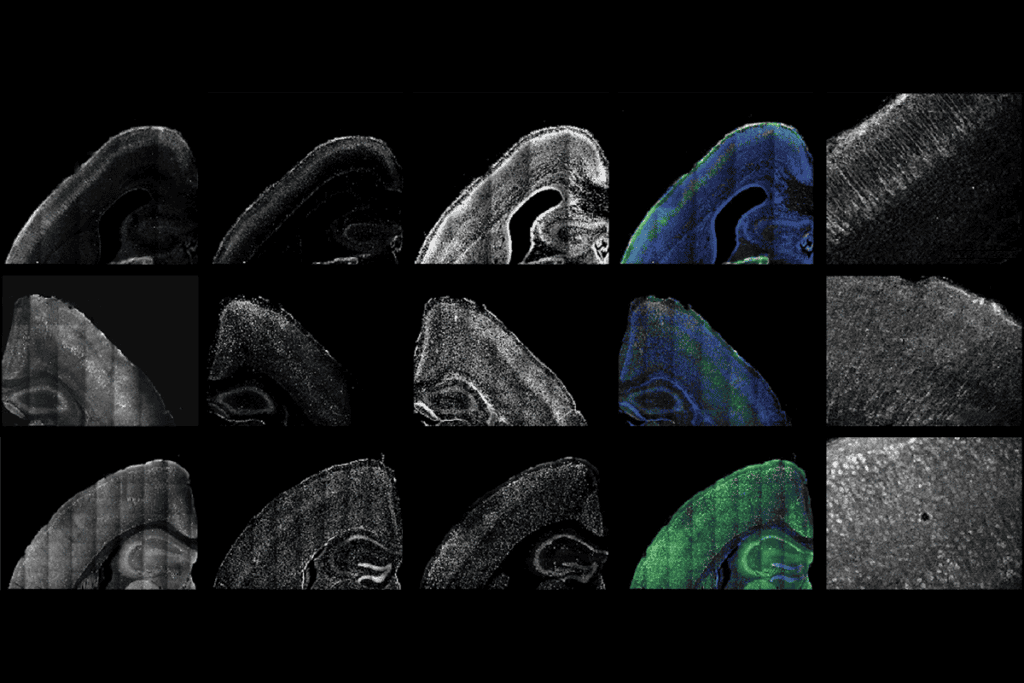
Loss of Angelman-linked UBE3A gene triggers stress response in neurons
A failure to break down asparagine synthetase ultimately leads to stunted neuronal development.
Loss of Angelman-linked UBE3A gene triggers stress response in neurons
A failure to break down asparagine synthetase ultimately leads to stunted neuronal development.
What makes computation possible in brains?
Nima Dehghani formalizes how computation can arise out of physical systems, such as brains, and describes the “special sauce” for real biological agency.
What makes computation possible in brains?
Nima Dehghani formalizes how computation can arise out of physical systems, such as brains, and describes the “special sauce” for real biological agency.