CRISPR
Recent articles
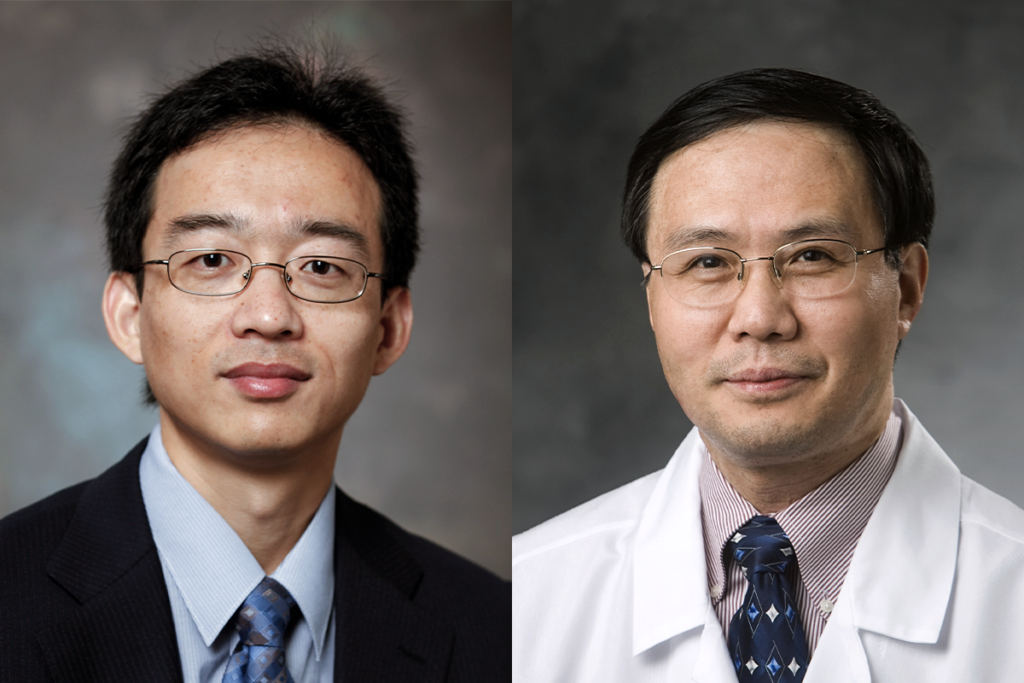
Supported by a $40 million NIH grant, Yale brain shuttle technology raises questions
Yale University claims its STEP platform might be able to deliver gene-editing tools into the brain via multiple routes. Researchers are eager to see more.
Supported by a $40 million NIH grant, Yale brain shuttle technology raises questions
Yale University claims its STEP platform might be able to deliver gene-editing tools into the brain via multiple routes. Researchers are eager to see more.
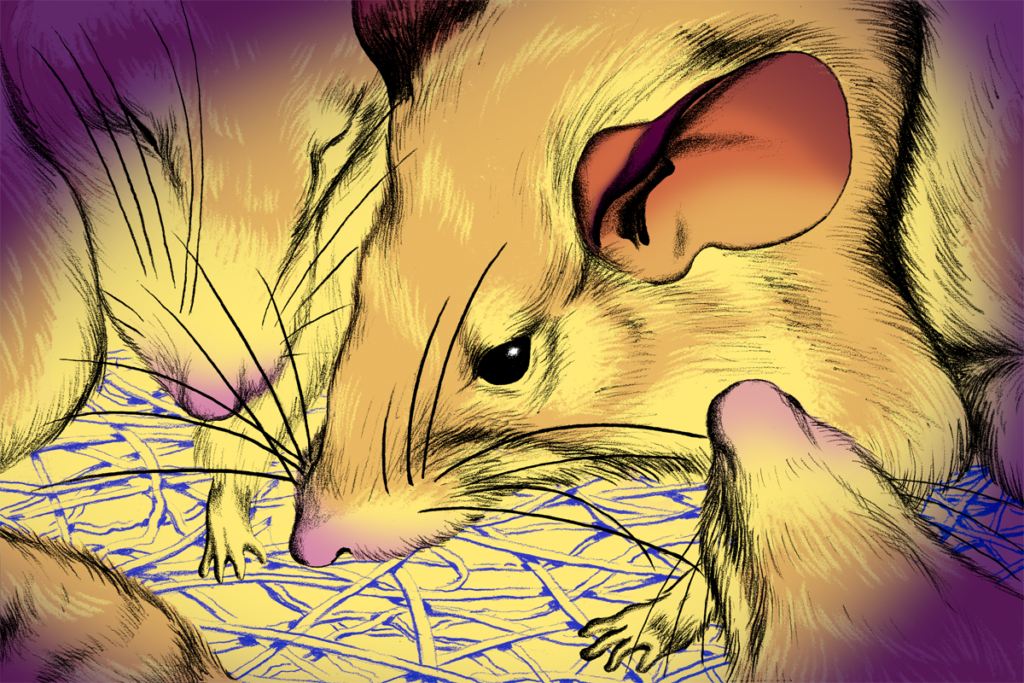
Learning why spiny mice play well with others
Aubrey Kelly studies the gregarious mammal to explore how the brain controls complex social behaviors “akin to friendship.”
Learning why spiny mice play well with others
Aubrey Kelly studies the gregarious mammal to explore how the brain controls complex social behaviors “akin to friendship.”
Advances in genetic medicine took center stage at INSAR
The president of the Autism Science Foundation and parent of a child with profound autism reflects on how advances in the treatment of rare gene variants bring hope to many families.
Advances in genetic medicine took center stage at INSAR
The president of the Autism Science Foundation and parent of a child with profound autism reflects on how advances in the treatment of rare gene variants bring hope to many families.
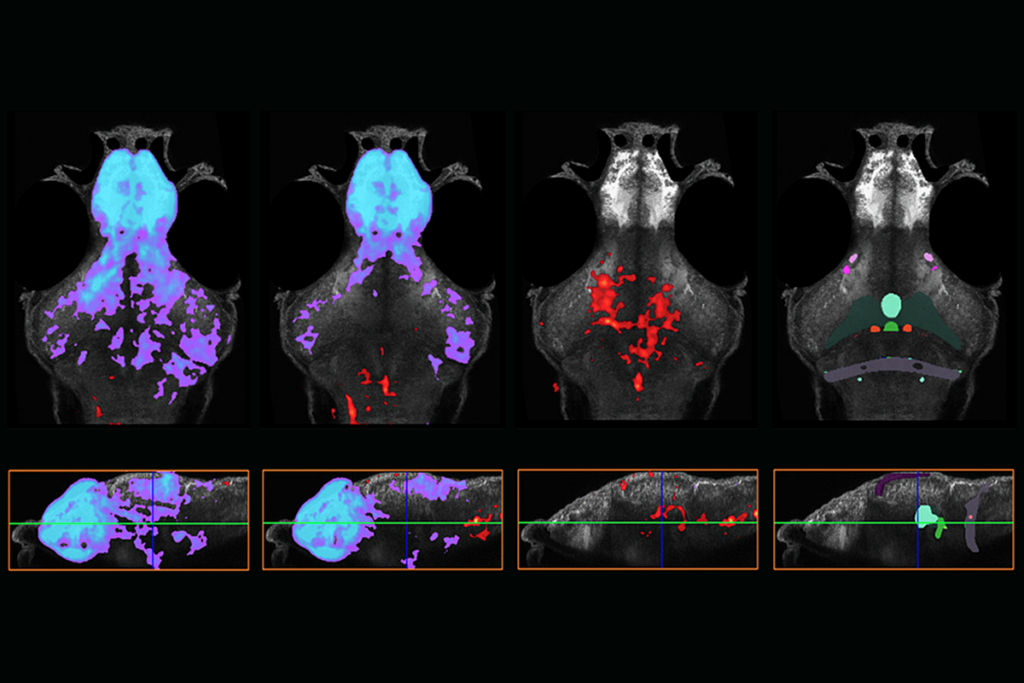
Nearly 400 compounds affect behaviors tied to autism-linked genes in zebrafish
Estropipate, paclitaxel and levocarnitine altered behaviors tied to SCN2A and DYRK1A variants specifically, a new open-source platform revealed.
Nearly 400 compounds affect behaviors tied to autism-linked genes in zebrafish
Estropipate, paclitaxel and levocarnitine altered behaviors tied to SCN2A and DYRK1A variants specifically, a new open-source platform revealed.
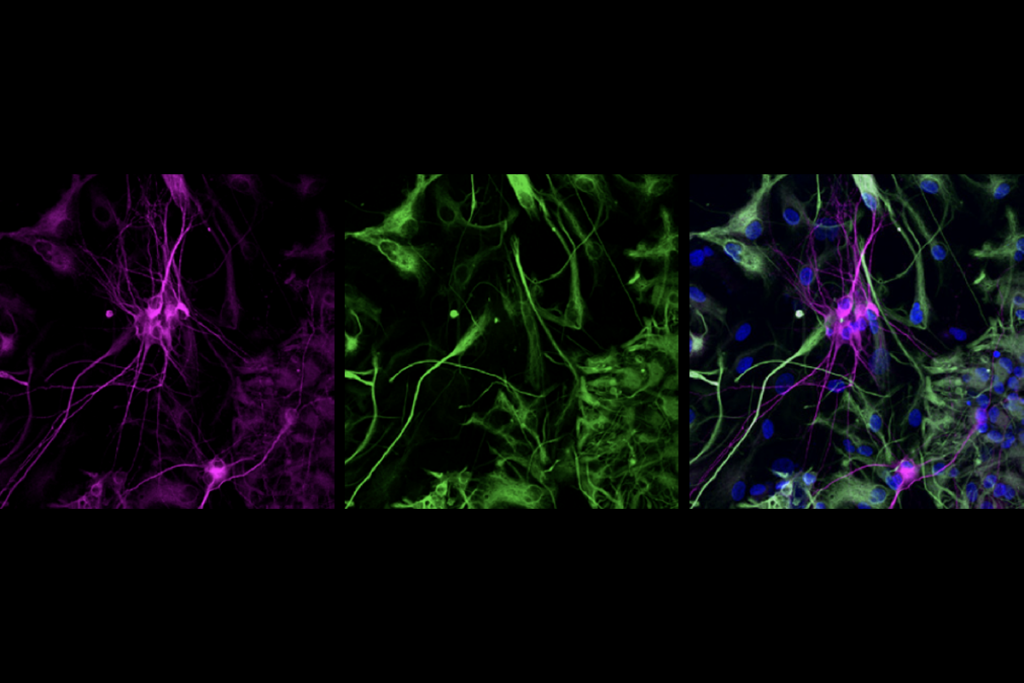
Boosting SCN2A expression reduces seizures in mice
A modified form of CRISPR amps up expression of the gene—a strategy that could apply to other gene variations linked to autism.
Boosting SCN2A expression reduces seizures in mice
A modified form of CRISPR amps up expression of the gene—a strategy that could apply to other gene variations linked to autism.
Cell ‘antennae’ link autism, congenital heart disease
Variants in genes tied to both conditions derail the formation of cilia, the tiny hair-like structure found on almost every cell in the body, a new study finds.
Cell ‘antennae’ link autism, congenital heart disease
Variants in genes tied to both conditions derail the formation of cilia, the tiny hair-like structure found on almost every cell in the body, a new study finds.
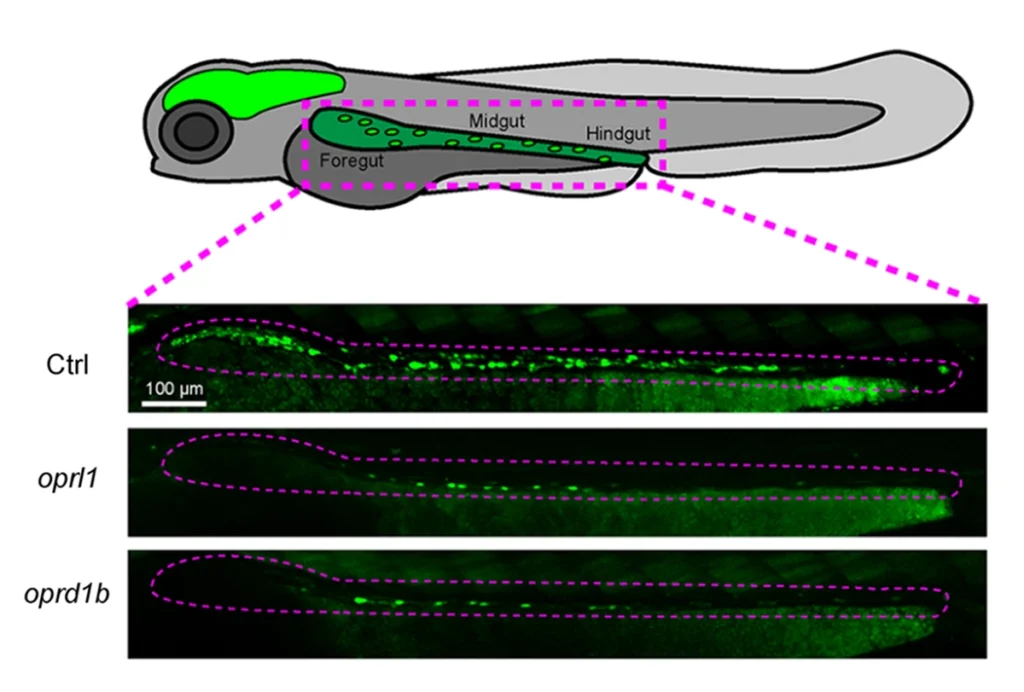
Opioid receptors may guide formation of gut nervous system in zebrafish
Fish lacking functional copies of the receptors have fewer enteric neurons than usual, but the findings await further validation.
Opioid receptors may guide formation of gut nervous system in zebrafish
Fish lacking functional copies of the receptors have fewer enteric neurons than usual, but the findings await further validation.
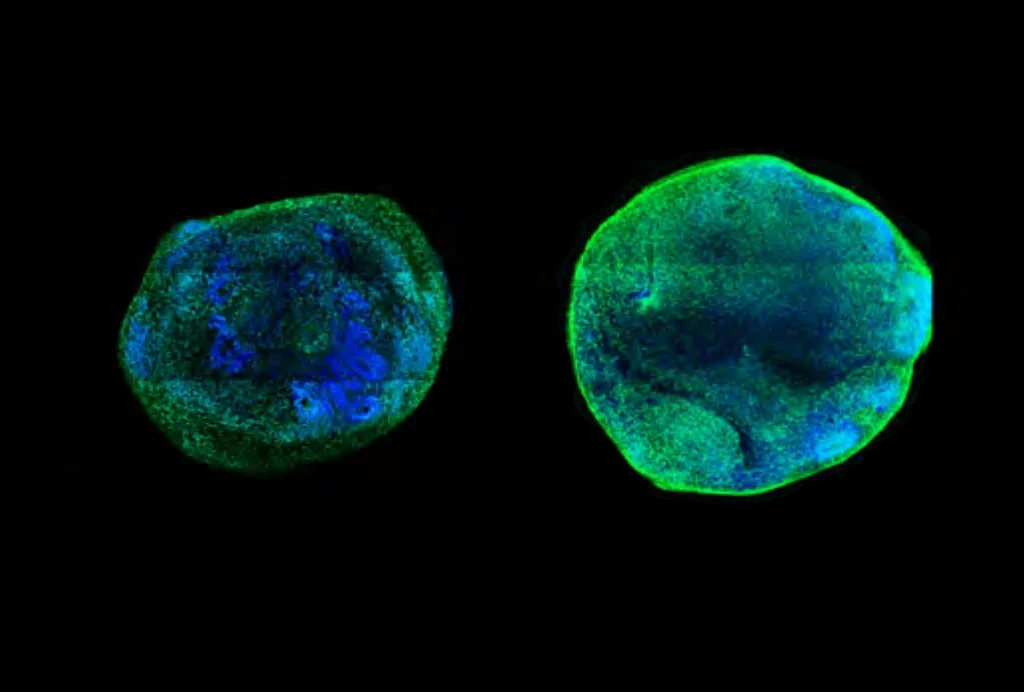
CRISPR gives autism-linked genes a boost, rescues functioning
A modified form of the gene-editing tool increases the expression of CHD8 and SCN2A, showing potential for autism therapies.
CRISPR gives autism-linked genes a boost, rescues functioning
A modified form of the gene-editing tool increases the expression of CHD8 and SCN2A, showing potential for autism therapies.
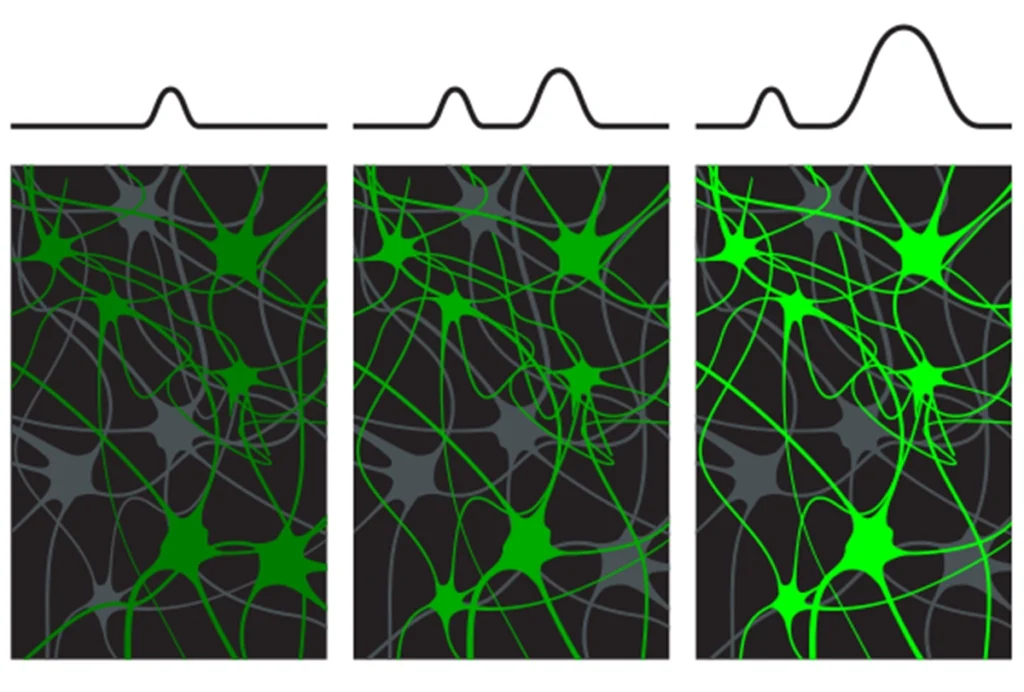
Cocaine, morphine commandeer neurons normally activated by food, water in mice
Confirming a long-held hypothesis, repeated exposure to the drugs alters neurons in the nucleus accumbens, the brain’s reward center, and curbs an animal’s urge for sustenance.
Cocaine, morphine commandeer neurons normally activated by food, water in mice
Confirming a long-held hypothesis, repeated exposure to the drugs alters neurons in the nucleus accumbens, the brain’s reward center, and curbs an animal’s urge for sustenance.
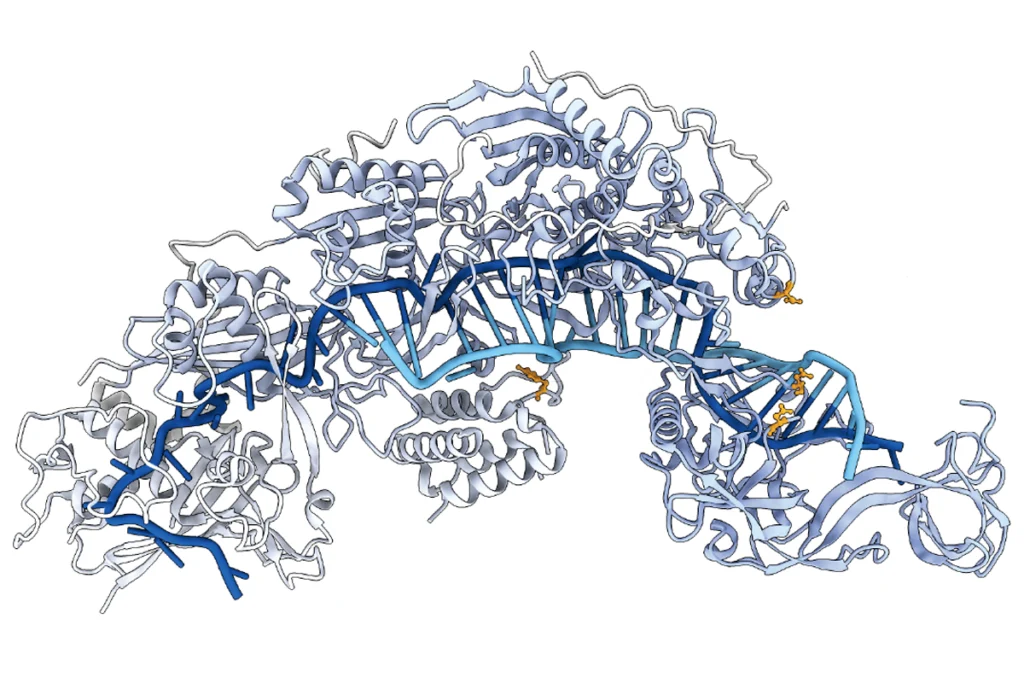
New RNA editor boasts increased versatility, safety
The “PRECISE” technique reprograms cells in a way that, unlike DNA editors, avoids potentially permanent off-target effects.
New RNA editor boasts increased versatility, safety
The “PRECISE” technique reprograms cells in a way that, unlike DNA editors, avoids potentially permanent off-target effects.
Explore more from The Transmitter

Amid funding uncertainty, graduate neuroscience programs in the U.S. adapt
The Transmitter surveyed 50 graduate program directors to learn how they’re faring. Securing labs for new students is one of the greatest concerns.
Amid funding uncertainty, graduate neuroscience programs in the U.S. adapt
The Transmitter surveyed 50 graduate program directors to learn how they’re faring. Securing labs for new students is one of the greatest concerns.

The changing nature of the neuroscience Ph.D.
The best science can only be sustained by a steady influx of early-stage scientists and the innovative ideas they bring, says Diane Lipscombe. She reflects on the loss of international students, the value of training grants, and the challenges that lie ahead for graduate education.
Rethinking neuroscience graduate education in the age of AI
What knowledge from traditional training protocols needs to be maintained, what can be discarded, and what new types of training should be introduced? Six neuroscientists weigh in.
Rethinking neuroscience graduate education in the age of AI
What knowledge from traditional training protocols needs to be maintained, what can be discarded, and what new types of training should be introduced? Six neuroscientists weigh in.