LLMs
Recent articles
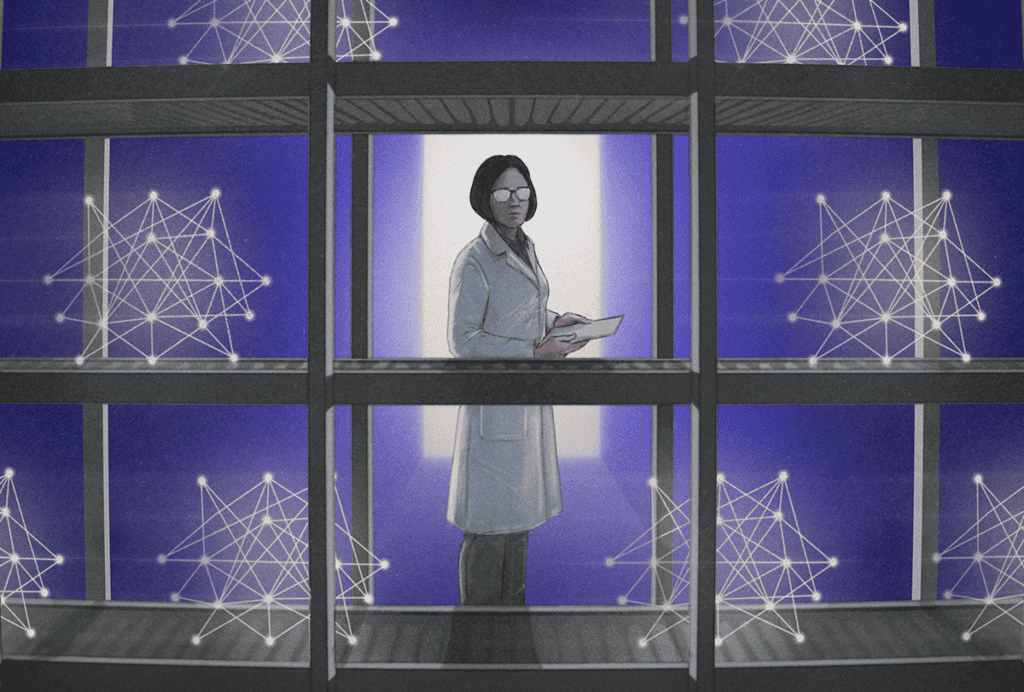
Mass-produced science is coming. What happens to scientists?
Artificial intelligence may soon enable researchers to generate high-quality science at a previously unimaginable speed. For science consumers—the public, medical patients, technology users—the likely effects will be positive. For scientists, the effects will be as disruptive as industrial mass production was for artisan manufacturers.
Mass-produced science is coming. What happens to scientists?
Artificial intelligence may soon enable researchers to generate high-quality science at a previously unimaginable speed. For science consumers—the public, medical patients, technology users—the likely effects will be positive. For scientists, the effects will be as disruptive as industrial mass production was for artisan manufacturers.
How to use artificial intelligence to strengthen scientific processes and scholarly output
As AI-driven systems are integrated into all aspects of science, we need to make sure that they read and write to a shared data and knowledge space.
How to use artificial intelligence to strengthen scientific processes and scholarly output
As AI-driven systems are integrated into all aspects of science, we need to make sure that they read and write to a shared data and knowledge space.
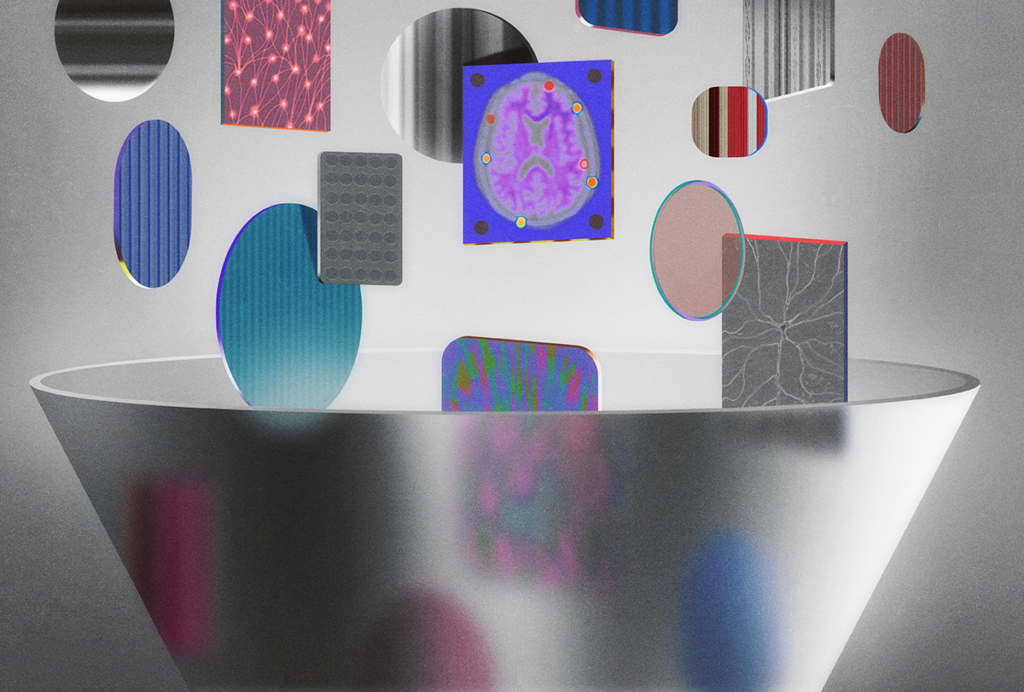
AI can’t solve the brain without data that fit together
The brain's first foundation models exist because some areas of neuroscience did the slow work of developing and adopting standards to help integrate data. Artificial intelligence cannot do that work for us.
AI can’t solve the brain without data that fit together
The brain's first foundation models exist because some areas of neuroscience did the slow work of developing and adopting standards to help integrate data. Artificial intelligence cannot do that work for us.
Models at the speed of thought: How AI coding is reshaping theoretical neuroscience
Agentic coding makes it possible to specify a neuroscience model in hours instead of months. Seven neuroscientists weigh in on what that tectonic change may bring to the field.
Models at the speed of thought: How AI coding is reshaping theoretical neuroscience
Agentic coding makes it possible to specify a neuroscience model in hours instead of months. Seven neuroscientists weigh in on what that tectonic change may bring to the field.

Writing science that humans and machines can read
Large language models are now routinely used to search, summarize and synthesize the literature at scales impossible for any individual researcher—yet scientific publishing has not adapted to that reality.
Writing science that humans and machines can read
Large language models are now routinely used to search, summarize and synthesize the literature at scales impossible for any individual researcher—yet scientific publishing has not adapted to that reality.
The illusion of AI consciousness: Lessons from human unconscious processing
Complex, goal-directed and even emotionally responsive behavior can unfold without awareness, providing a useful lens for interpreting artificial systems.
The illusion of AI consciousness: Lessons from human unconscious processing
Complex, goal-directed and even emotionally responsive behavior can unfold without awareness, providing a useful lens for interpreting artificial systems.
What can AI teach us about ‘emotions’?
Exploring why Anthropic’s AI, Claude, displays something like emotion could ultimately help us better understand the function that emotions serve in humans.
What can AI teach us about ‘emotions’?
Exploring why Anthropic’s AI, Claude, displays something like emotion could ultimately help us better understand the function that emotions serve in humans.

The next unit of science: Is the scientific paper due to be replaced?
Artificial intelligence is pushing scientific publishing to the brink. For a field as sprawling as neuroscience, the crisis may also be an opportunity to finally connect findings across subfields.
The next unit of science: Is the scientific paper due to be replaced?
Artificial intelligence is pushing scientific publishing to the brink. For a field as sprawling as neuroscience, the crisis may also be an opportunity to finally connect findings across subfields.
Can AI do neuroscience without understanding?
Prediction without understanding sustained astronomy through a thousand years of epicycles. Artificial intelligence is now offering neuroscience the same deal.
Can AI do neuroscience without understanding?
Prediction without understanding sustained astronomy through a thousand years of epicycles. Artificial intelligence is now offering neuroscience the same deal.
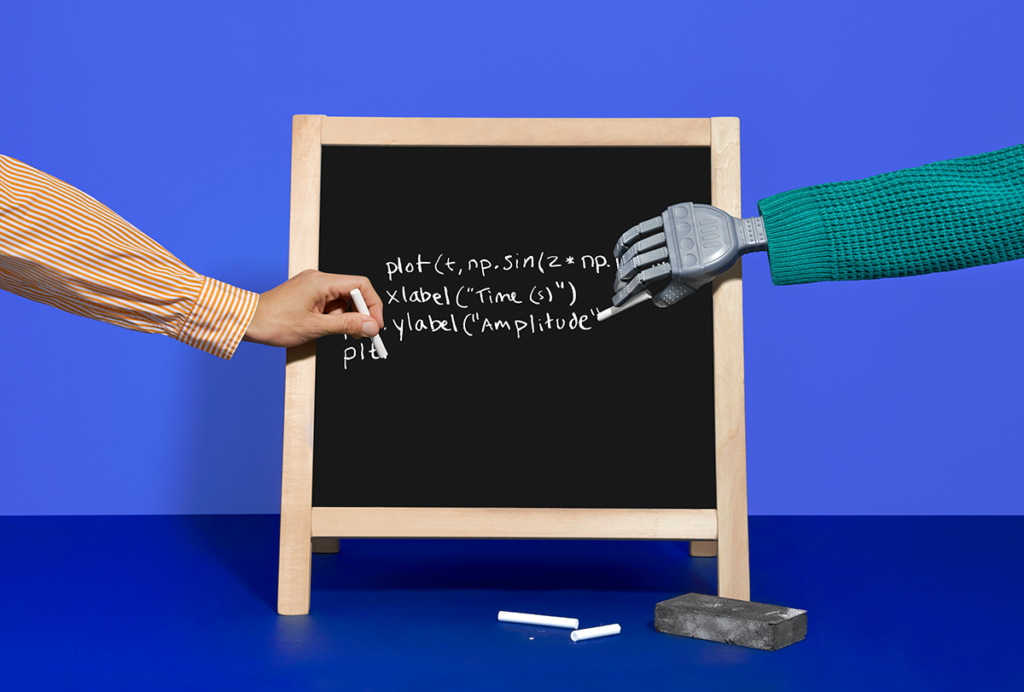
How to teach programming in the age of AI
Scientists and educators are concerned about students using artificial intelligence to shortcut their learning. But there are also opportunities, especially when it comes to teaching neuroscience students how to code.
How to teach programming in the age of AI
Scientists and educators are concerned about students using artificial intelligence to shortcut their learning. But there are also opportunities, especially when it comes to teaching neuroscience students how to code.
Explore more from The Transmitter
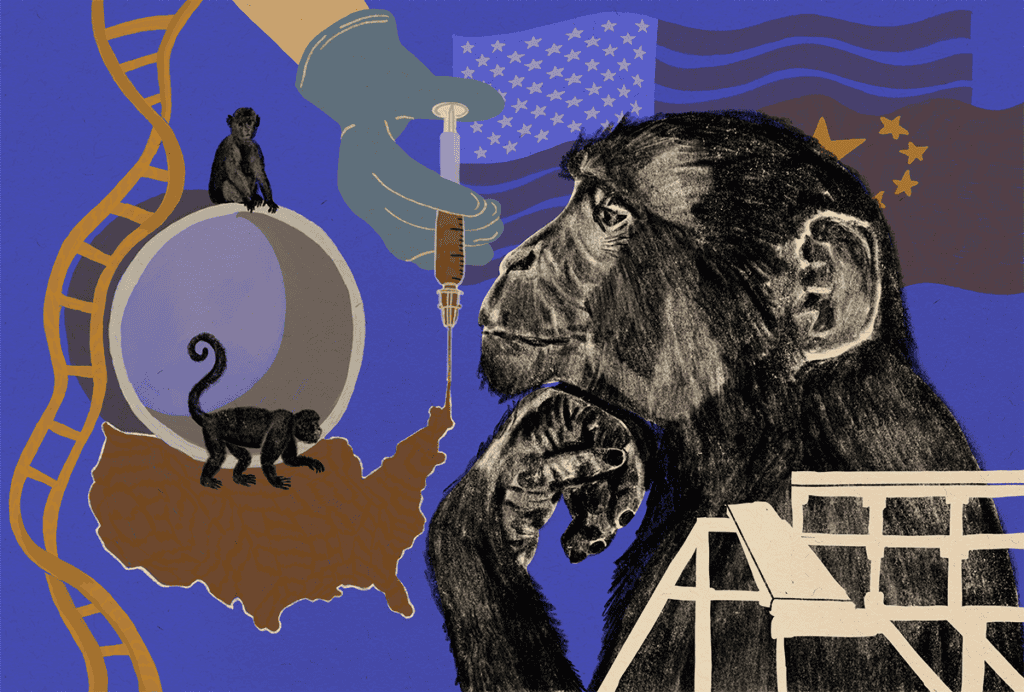
U.S. national primate research centers face an uncertain future
The facilities were meant to last 100 years. Four decades shy of that mark, amid flatlined funds and mounting political pressure, their directors are trying to find a path forward.
U.S. national primate research centers face an uncertain future
The facilities were meant to last 100 years. Four decades shy of that mark, amid flatlined funds and mounting political pressure, their directors are trying to find a path forward.
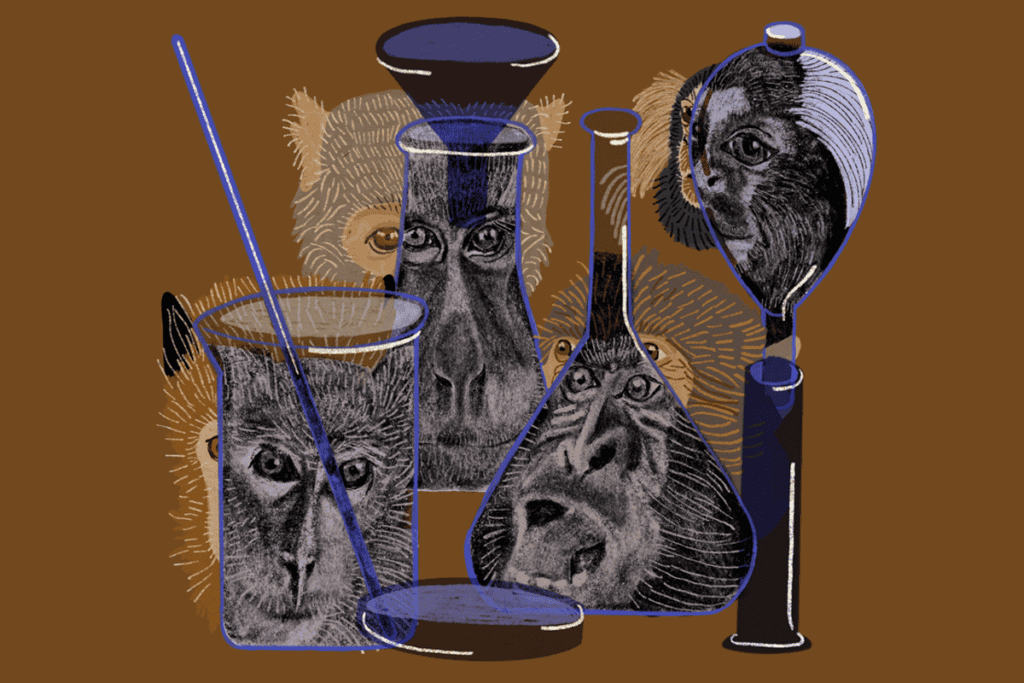
What if nonhuman primate research goes away?
As the U.S. government takes steps to stop using nonhuman primates in research, The Transmitter investigates what that shift could mean for neuroscience.
What if nonhuman primate research goes away?
As the U.S. government takes steps to stop using nonhuman primates in research, The Transmitter investigates what that shift could mean for neuroscience.
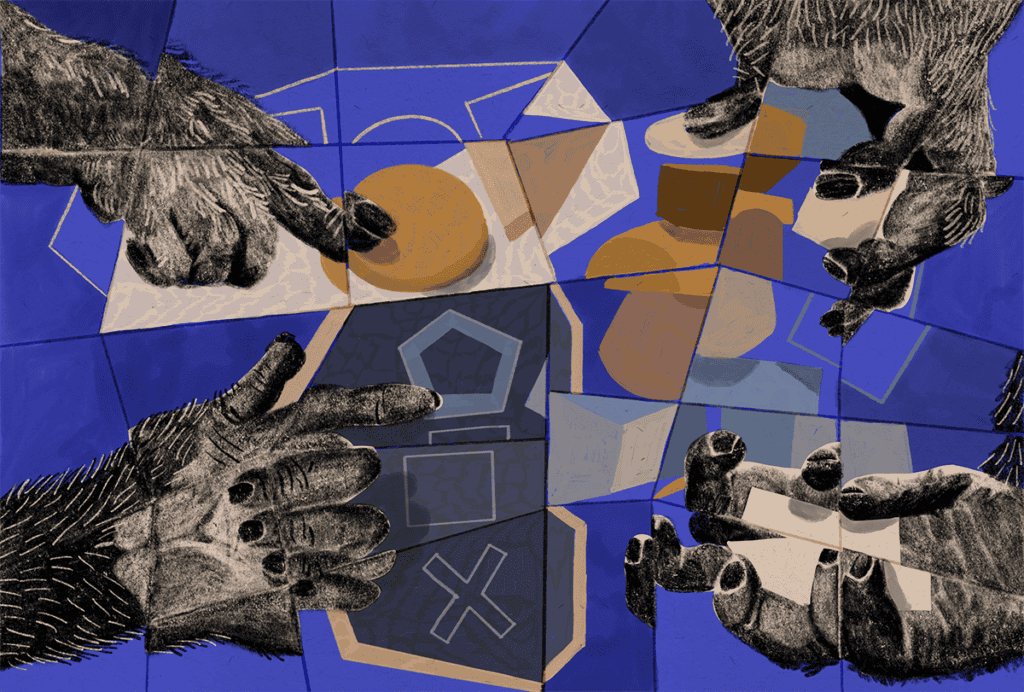
The neuroscience questions that need nonhuman primates
The Transmitter asked 17 neuroscientists what questions might remain unanswered if support for nonhuman primate research continues to decline.
The neuroscience questions that need nonhuman primates
The Transmitter asked 17 neuroscientists what questions might remain unanswered if support for nonhuman primate research continues to decline.