Organoids
Recent articles
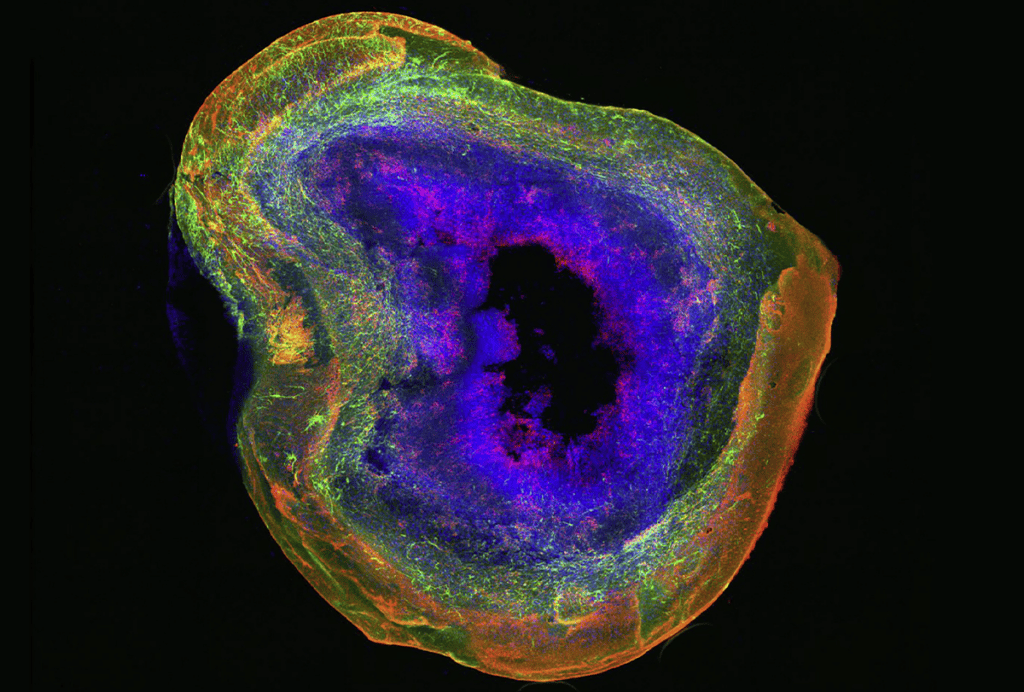
Human brain organoids come of age—but still have room to grow
The U.S. government has touted organoids as an alternative to animals for studying the brain. The model has improved since its debut in 2013, but scientists are still working to overcome key limitations: immaturity, consistency and the lack of vascularization.
Human brain organoids come of age—but still have room to grow
The U.S. government has touted organoids as an alternative to animals for studying the brain. The model has improved since its debut in 2013, but scientists are still working to overcome key limitations: immaturity, consistency and the lack of vascularization.
Private initiative makes ‘historic’ investment in autism research
Aligning Research to Impact Autism has committed more than $450 million to build a new multidisciplinary research network to uncover the roots of profound autism and develop treatments.
Private initiative makes ‘historic’ investment in autism research
Aligning Research to Impact Autism has committed more than $450 million to build a new multidisciplinary research network to uncover the roots of profound autism and develop treatments.
What if nonhuman primate research goes away?
As the U.S. government takes steps to stop using nonhuman primates in research, The Transmitter investigates what that shift could mean for neuroscience.
What if nonhuman primate research goes away?
As the U.S. government takes steps to stop using nonhuman primates in research, The Transmitter investigates what that shift could mean for neuroscience.
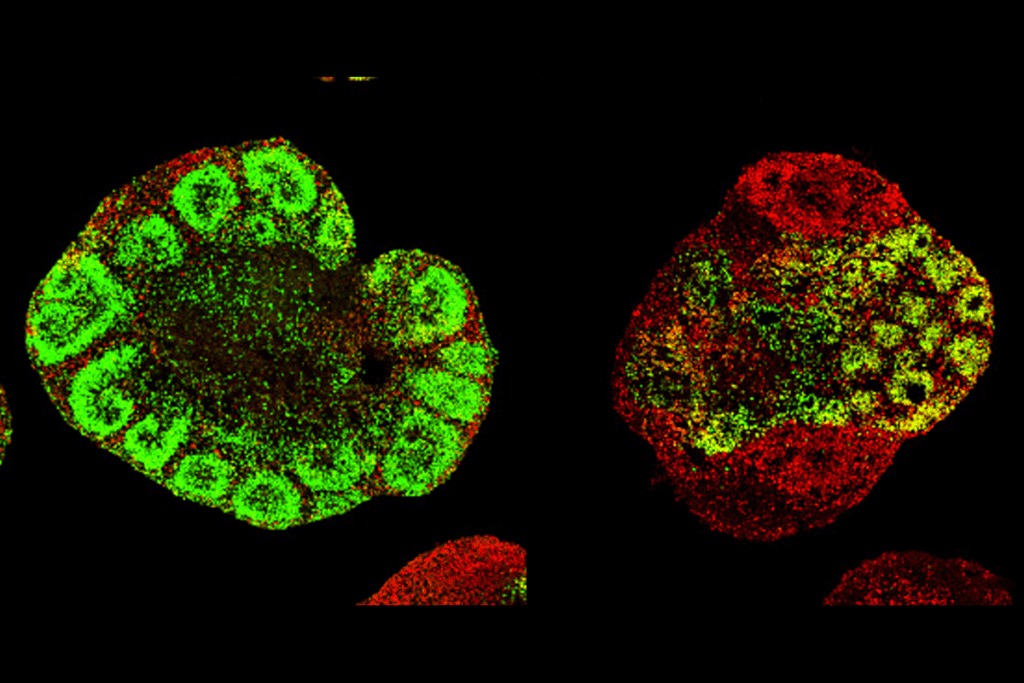
Polarized cortical organoids mimic the brain’s regional organization
The organoids show region-specific gene-expression changes that match those observed during fetal development.
Polarized cortical organoids mimic the brain’s regional organization
The organoids show region-specific gene-expression changes that match those observed during fetal development.
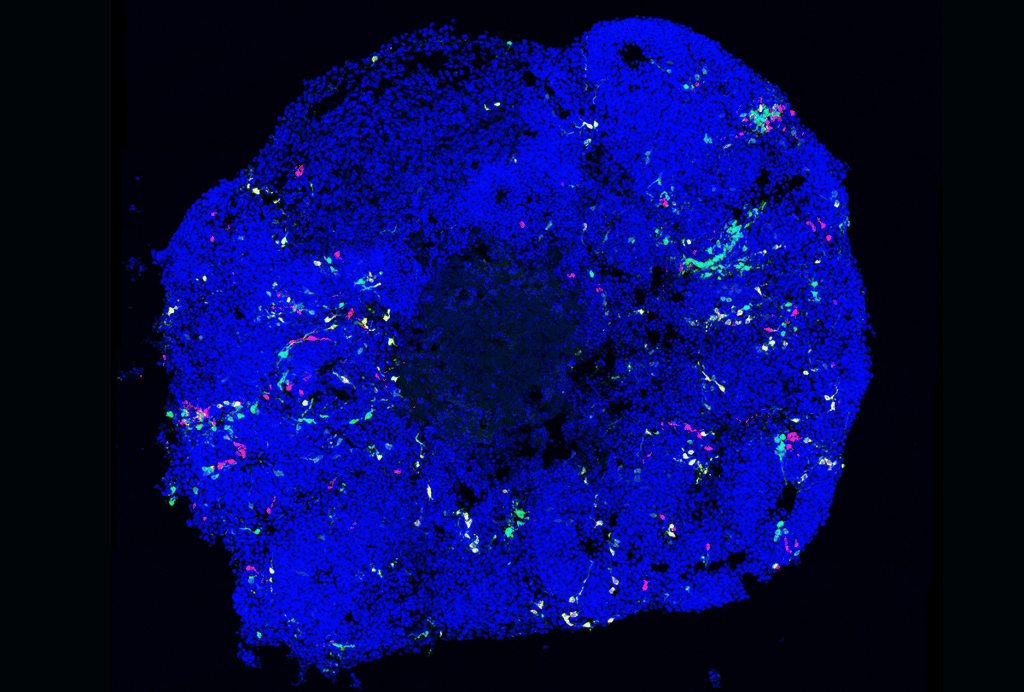
Hasty stem cells highlight potential limitation with cortical organoids
The models recapitulate many key developmental processes, but some radial glial cells in mouse organoids make neurons earlier than they should.
Hasty stem cells highlight potential limitation with cortical organoids
The models recapitulate many key developmental processes, but some radial glial cells in mouse organoids make neurons earlier than they should.
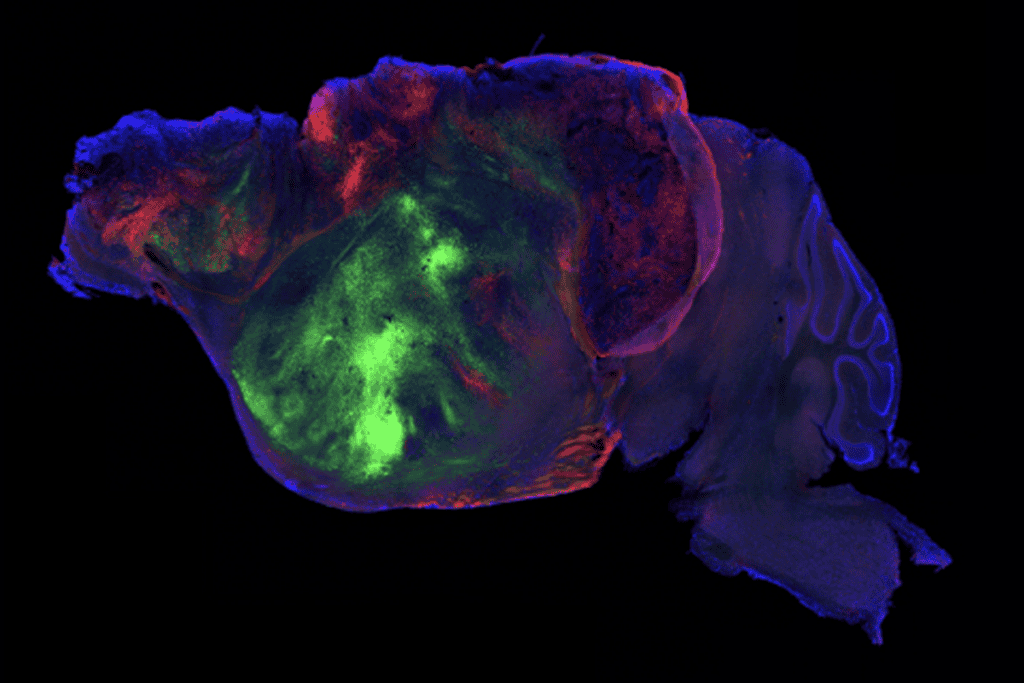
Human brain organoids flourish in emptied mouse cortex
The chimeric mice could help untangle the biology of human brain development or conditions such as autism.
Human brain organoids flourish in emptied mouse cortex
The chimeric mice could help untangle the biology of human brain development or conditions such as autism.
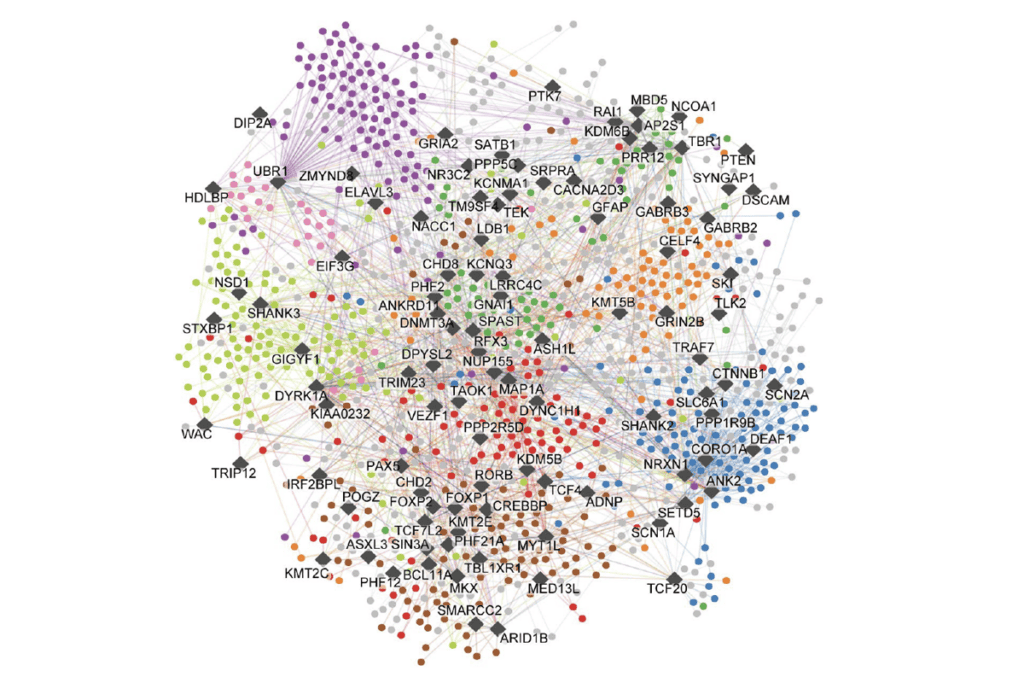
Autism-linked variants rewire protein networks
The myriad proteins tied to autism cluster in previously unrecognized ways that can be disrupted by specific variants in the proteins.
Autism-linked variants rewire protein networks
The myriad proteins tied to autism cluster in previously unrecognized ways that can be disrupted by specific variants in the proteins.
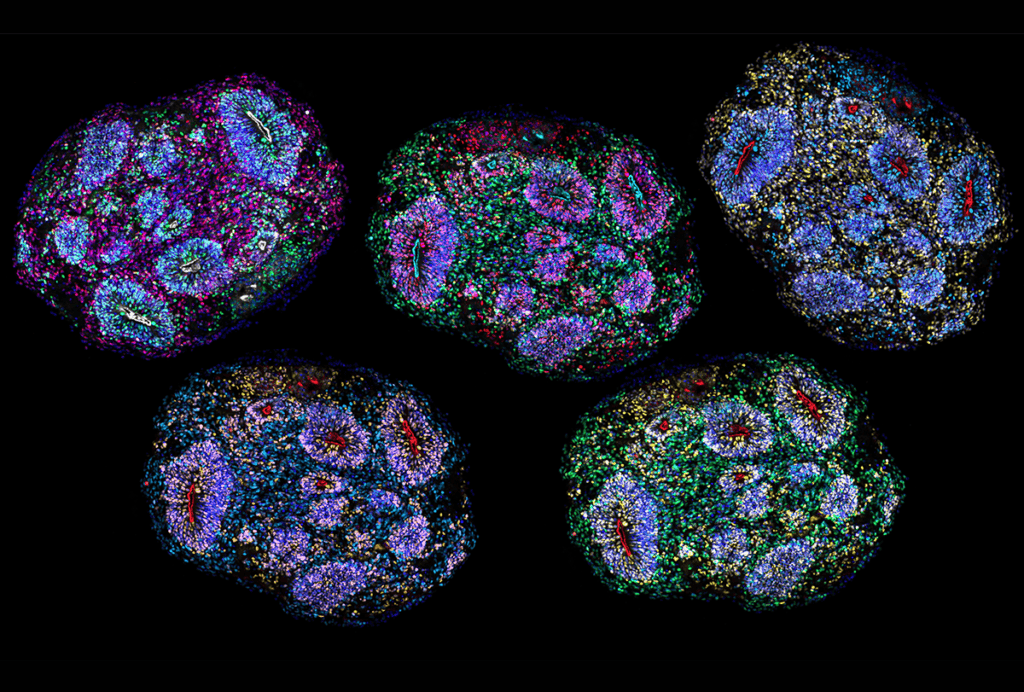
Five-year-old human brain organoids aged on schedule
The cultured spheres typically mimic only prenatal development, but the five-year-old ones grown in Paola Arlotta’s lab acquired postnatal features.
Five-year-old human brain organoids aged on schedule
The cultured spheres typically mimic only prenatal development, but the five-year-old ones grown in Paola Arlotta’s lab acquired postnatal features.
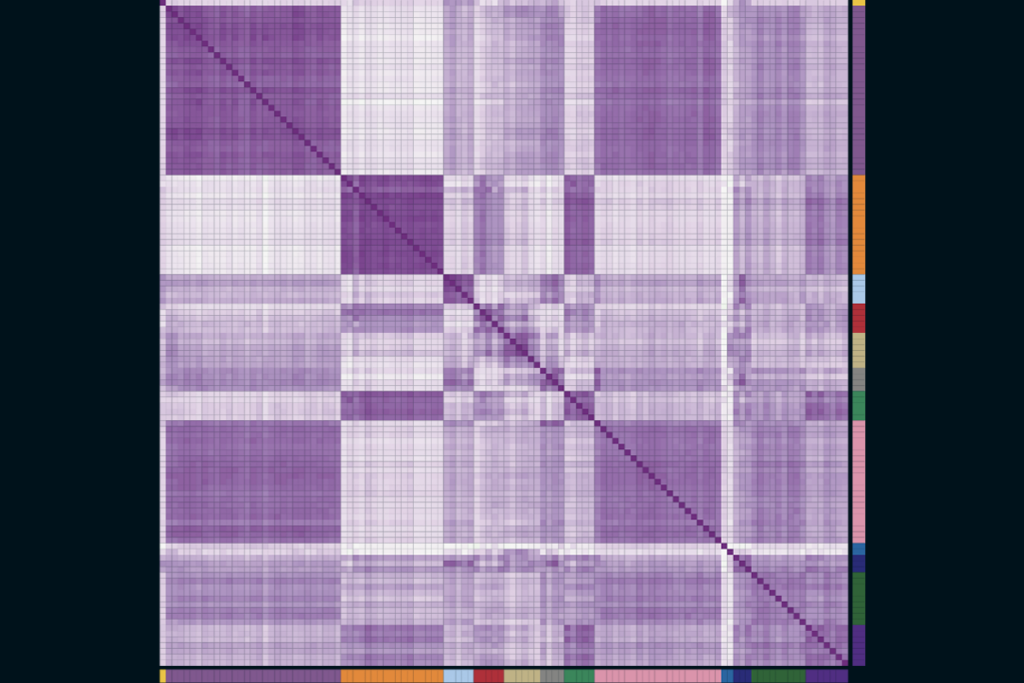
Gene activity in human cortex shows striking sex differences
The results mark a “dramatic shift” in how neuroscientists think about sex differences, and they may help explain sex biases in certain neurodegenerative and neurodevelopmental conditions.
Gene activity in human cortex shows striking sex differences
The results mark a “dramatic shift” in how neuroscientists think about sex differences, and they may help explain sex biases in certain neurodegenerative and neurodevelopmental conditions.
Novel assembloid illuminates serotonin changes linked to 22q11.2 deletion
The combination of a serotonin-producing organoid with an organoid based on the developing cerebral cortex offers a new way to investigate neuromodulation.
Novel assembloid illuminates serotonin changes linked to 22q11.2 deletion
The combination of a serotonin-producing organoid with an organoid based on the developing cerebral cortex offers a new way to investigate neuromodulation.
Explore more from The Transmitter
Commentary: Citation graphs may underestimate neuroscience’s influence on AI
An alternative, albeit less quantitative, way to trace this history is through the people who carried ideas between the fields.
Commentary: Citation graphs may underestimate neuroscience’s influence on AI
An alternative, albeit less quantitative, way to trace this history is through the people who carried ideas between the fields.
Commentary: The rising absolute number of neuro-inspired AI papers represents a substantial footprint
Many of the design choices present in the current generation of artificial-intelligence tools parallel purported properties of the brain.
Commentary: The rising absolute number of neuro-inspired AI papers represents a substantial footprint
Many of the design choices present in the current generation of artificial-intelligence tools parallel purported properties of the brain.
Examining the bridge between neuroscience and AI
A citation analysis reveals that the connection between the two fields is real and gaining momentum. But it’s also narrow and tool-heavy; we need to find ways to widen it.
Examining the bridge between neuroscience and AI
A citation analysis reveals that the connection between the two fields is real and gaining momentum. But it’s also narrow and tool-heavy; we need to find ways to widen it.