Transcriptomics
Recent articles
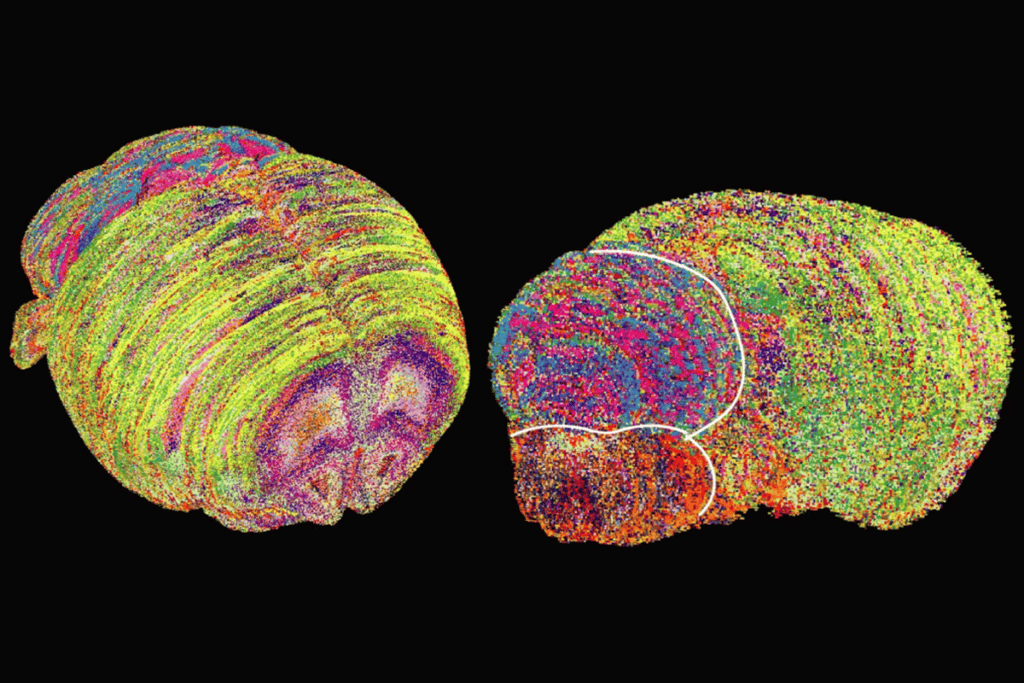
Lipids enter brain mapping limelight
Two new studies, including the first whole-brain lipid atlas in mice, uncover unforeseen complexity and influence during pregnancy and aging.
Lipids enter brain mapping limelight
Two new studies, including the first whole-brain lipid atlas in mice, uncover unforeseen complexity and influence during pregnancy and aging.
New projectome captures ‘complex beast’ of serotonin system in mice
The whole-brain map—the first of its kind in a vertebrate—identifies five distinct neuron groups.
New projectome captures ‘complex beast’ of serotonin system in mice
The whole-brain map—the first of its kind in a vertebrate—identifies five distinct neuron groups.
Autism-linked variants converge on two molecular patterns in mouse brains
Gene activity across 17 autism mouse models occurs in either of two opposing transcriptomic states, supporting the idea that diverse genetic changes may converge on a few recurring biological patterns.
Autism-linked variants converge on two molecular patterns in mouse brains
Gene activity across 17 autism mouse models occurs in either of two opposing transcriptomic states, supporting the idea that diverse genetic changes may converge on a few recurring biological patterns.
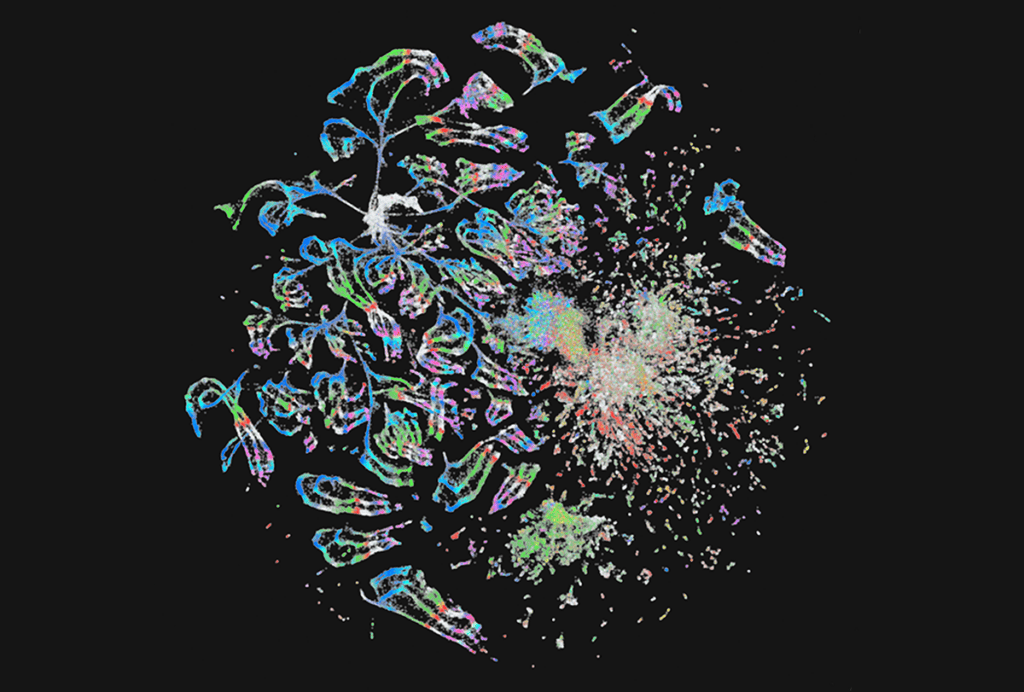
Fly neurons carry molecular signatures of their origins
The pattern of transcription factors a Drosophila neuron expresses offers clues to its lineage and birth order—and ultimately how neural circuits emerge.
Fly neurons carry molecular signatures of their origins
The pattern of transcription factors a Drosophila neuron expresses offers clues to its lineage and birth order—and ultimately how neural circuits emerge.
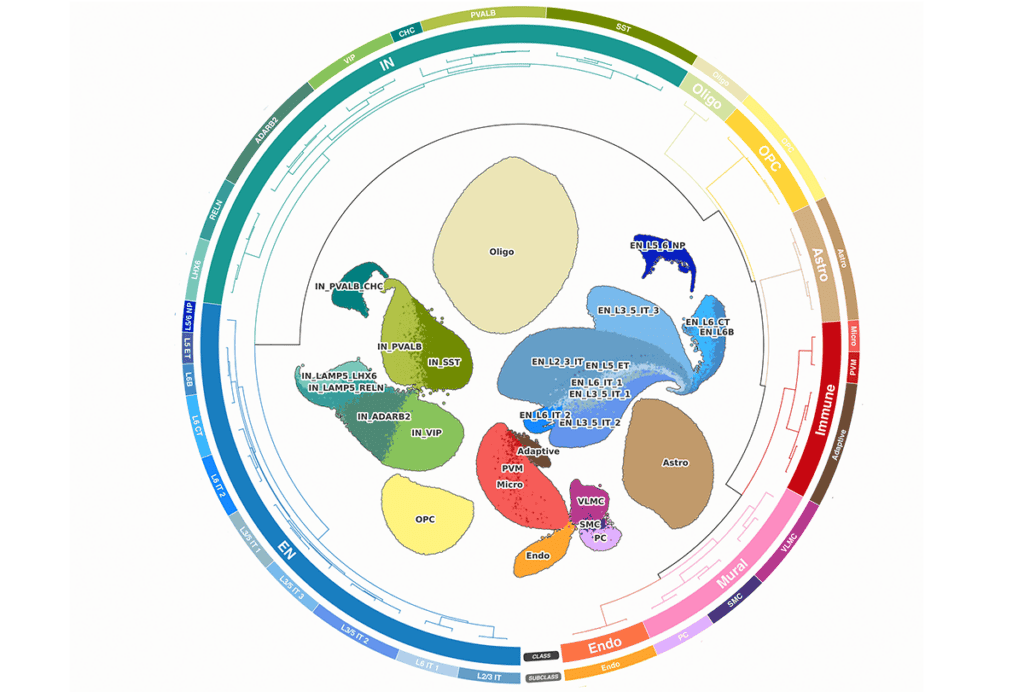
Prefrontal cortex has three transcriptomic acts across human lifespan, new atlas suggests
Various genes show distinct exits and entrances with age in the open-source dataset, the largest of its kind to date.
Prefrontal cortex has three transcriptomic acts across human lifespan, new atlas suggests
Various genes show distinct exits and entrances with age in the open-source dataset, the largest of its kind to date.
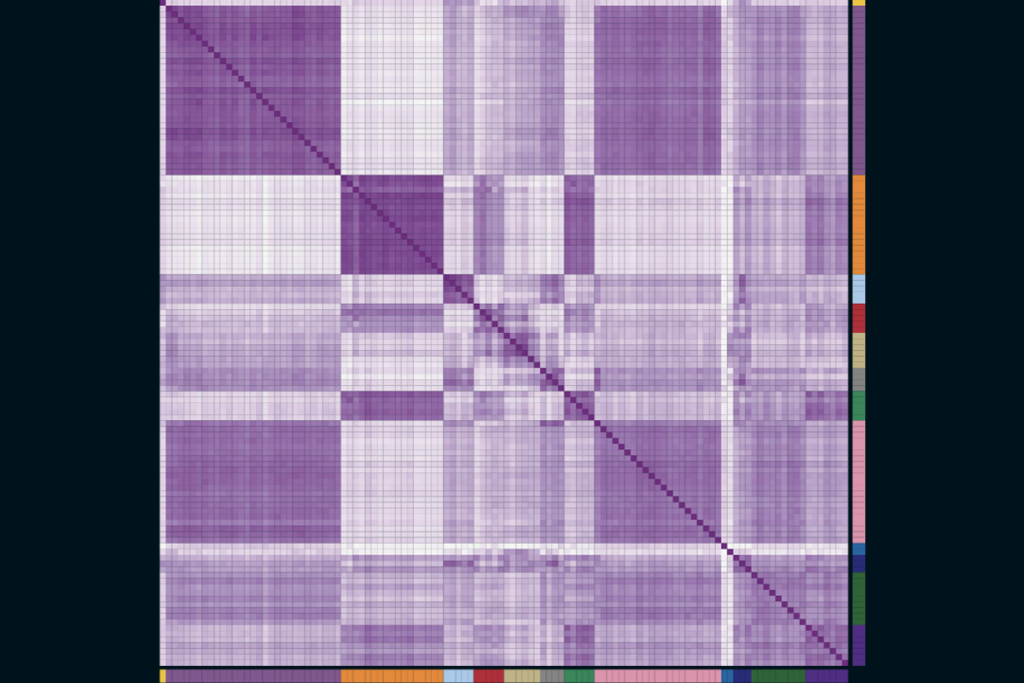
Gene activity in human cortex shows striking sex differences
The results mark a “dramatic shift” in how neuroscientists think about sex differences, and they may help explain sex biases in certain neurodegenerative and neurodevelopmental conditions.
Gene activity in human cortex shows striking sex differences
The results mark a “dramatic shift” in how neuroscientists think about sex differences, and they may help explain sex biases in certain neurodegenerative and neurodevelopmental conditions.

Reporter’s notebook: Highlights from INSAR 2026
At the 25th annual meeting of the International Society for Autism Research, scientists, clinicians and self-advocates gathered to discuss topics such as autism genetics and the gap between clinical trials and real-world benefits.
Reporter’s notebook: Highlights from INSAR 2026
At the 25th annual meeting of the International Society for Autism Research, scientists, clinicians and self-advocates gathered to discuss topics such as autism genetics and the gap between clinical trials and real-world benefits.
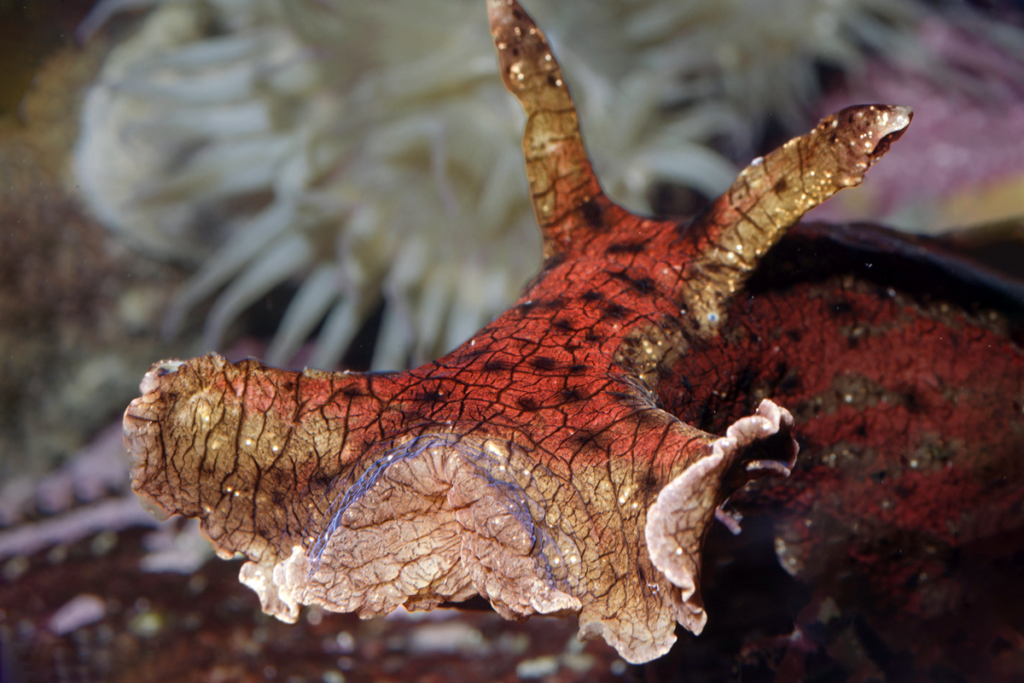
New study questions role of persistent gene activity in memory maintenance
An experiment in sea slugs suggests transcriptional changes might fade after 24 hours.
New study questions role of persistent gene activity in memory maintenance
An experiment in sea slugs suggests transcriptional changes might fade after 24 hours.

From genes to dynamics: Examining brain cell types in action may reveal the logic of brain function
Defining brain cell types is no longer a matter of classification alone, but of embedding their genetic identities within the dynamical organization of population activity.
From genes to dynamics: Examining brain cell types in action may reveal the logic of brain function
Defining brain cell types is no longer a matter of classification alone, but of embedding their genetic identities within the dynamical organization of population activity.
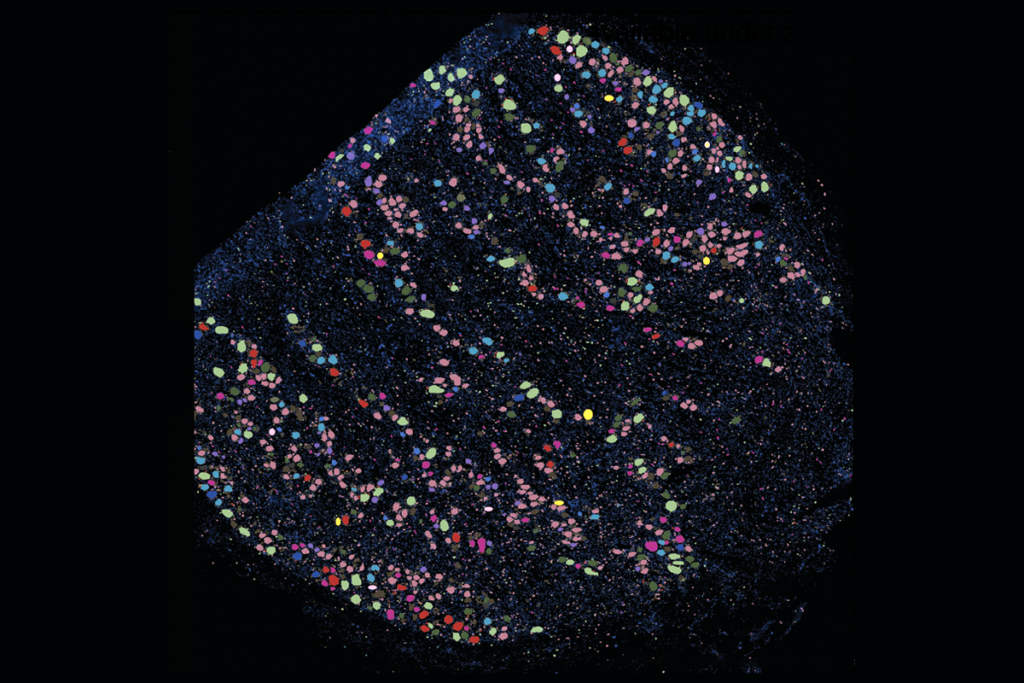
‘Unprecedented’ dorsal root ganglion atlas captures 22 types of human sensory neurons
The atlas also offers up molecular and cellular targets for new pain therapies.
‘Unprecedented’ dorsal root ganglion atlas captures 22 types of human sensory neurons
The atlas also offers up molecular and cellular targets for new pain therapies.
Explore more from The Transmitter
The genome offers a recipe, not a blueprint, for the brain
During brain development, genes set the rules and turn the knobs; self-organization does much of the rest.
The genome offers a recipe, not a blueprint, for the brain
During brain development, genes set the rules and turn the knobs; self-organization does much of the rest.
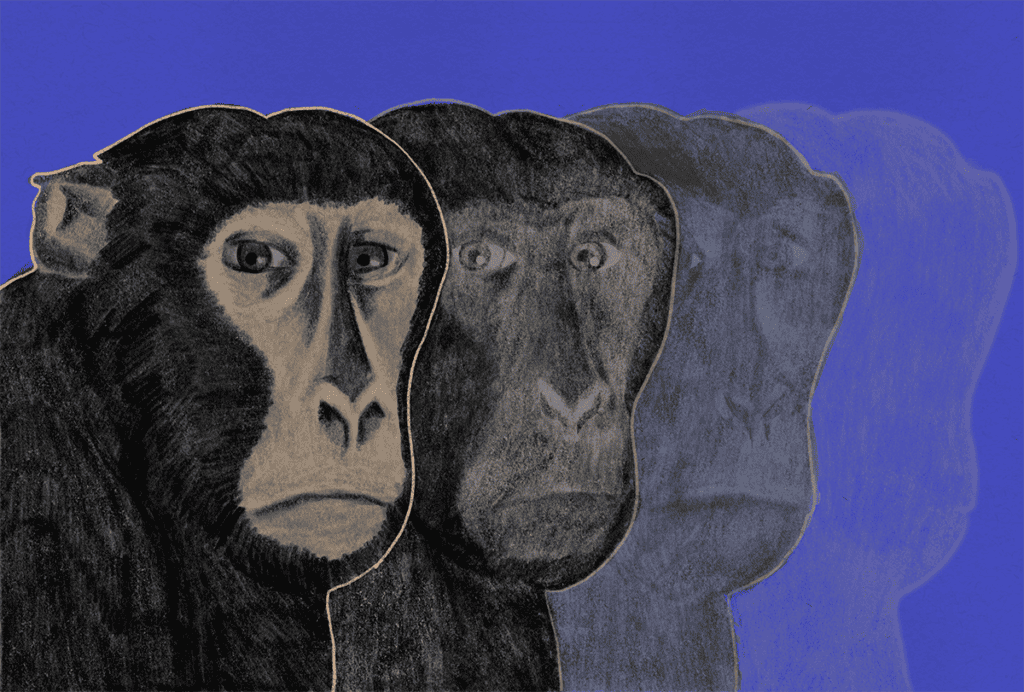
Autism research involving monkeys contends with uphill battle
Macaques and marmosets recapitulate the condition’s core traits better than mice can, but funding uncertainty and challenges at primate centers in the United States could make this work difficult to continue.
Autism research involving monkeys contends with uphill battle
Macaques and marmosets recapitulate the condition’s core traits better than mice can, but funding uncertainty and challenges at primate centers in the United States could make this work difficult to continue.
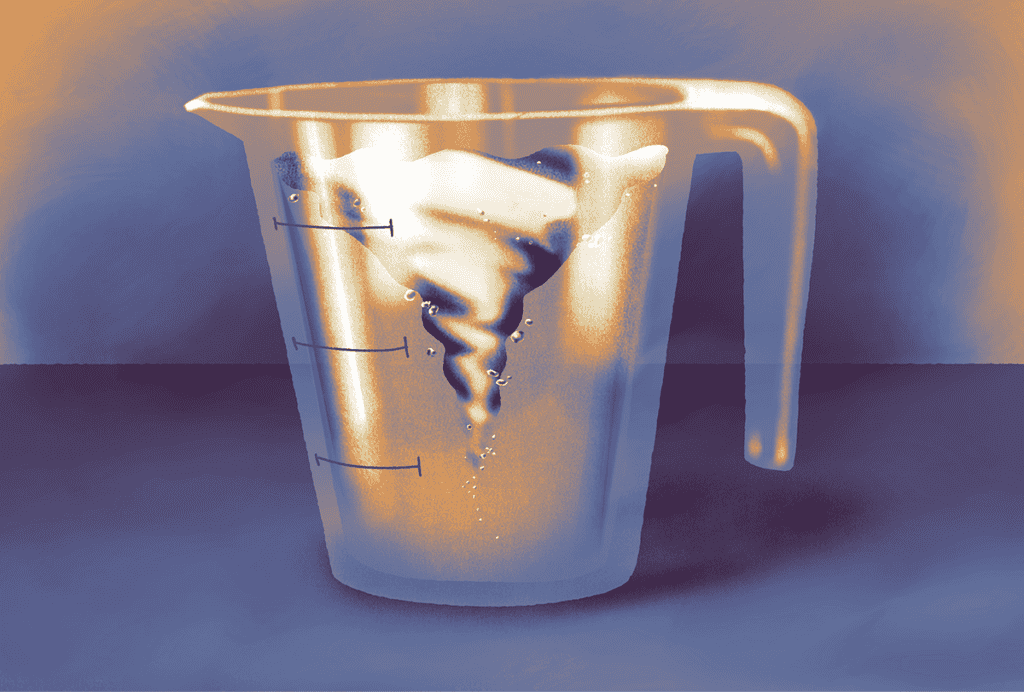
When is self-organization a mechanism in brain development?
Retinal waves offer a powerful example of a self-organizing system that can build structure without external guidance. The field would do well to embrace such phenomena more broadly as a type of mechanistic explanation.
When is self-organization a mechanism in brain development?
Retinal waves offer a powerful example of a self-organizing system that can build structure without external guidance. The field would do well to embrace such phenomena more broadly as a type of mechanistic explanation.