Early-Career Researcher Resource Center
Recent articles
News, perspectives and resources to help navigate the early stages of your neuroscience career
FEATURED

‘High risk, high reward’: How early-career neuroscientists view their future

The Transmitter’s directory of new labs in Latin America
RESOURCES
Early-career researcher action potentials
News and perspectives
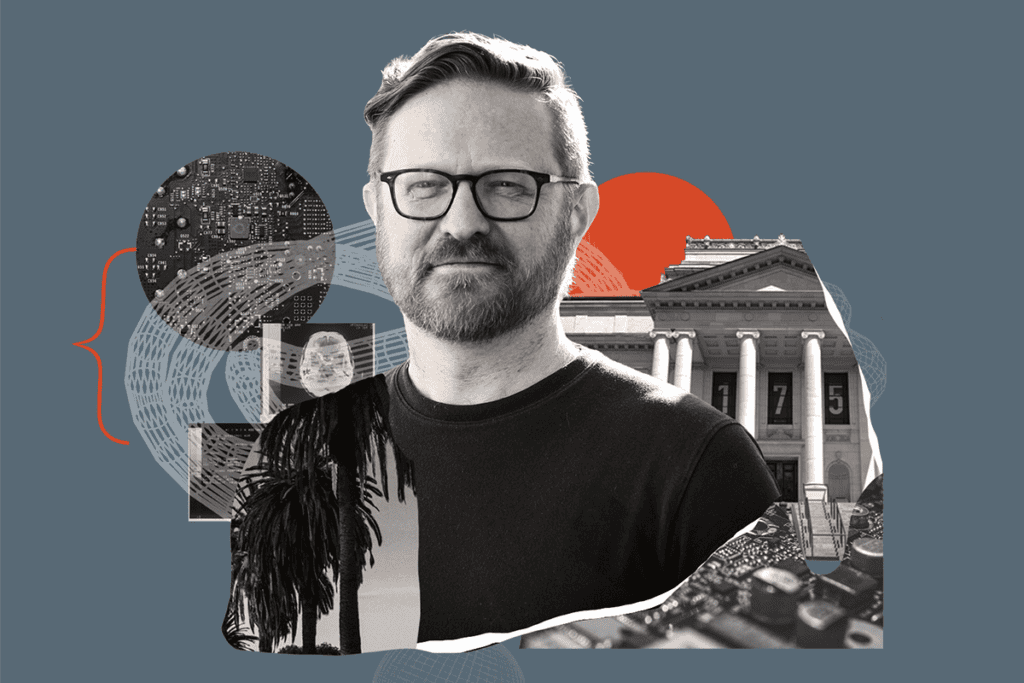
Building brain-computer interfaces at a neurotech company
Scientific talent is global. Access to the world’s scientific stage is not.
O talento científico é global. O acesso ao cenário científico mundial, não.
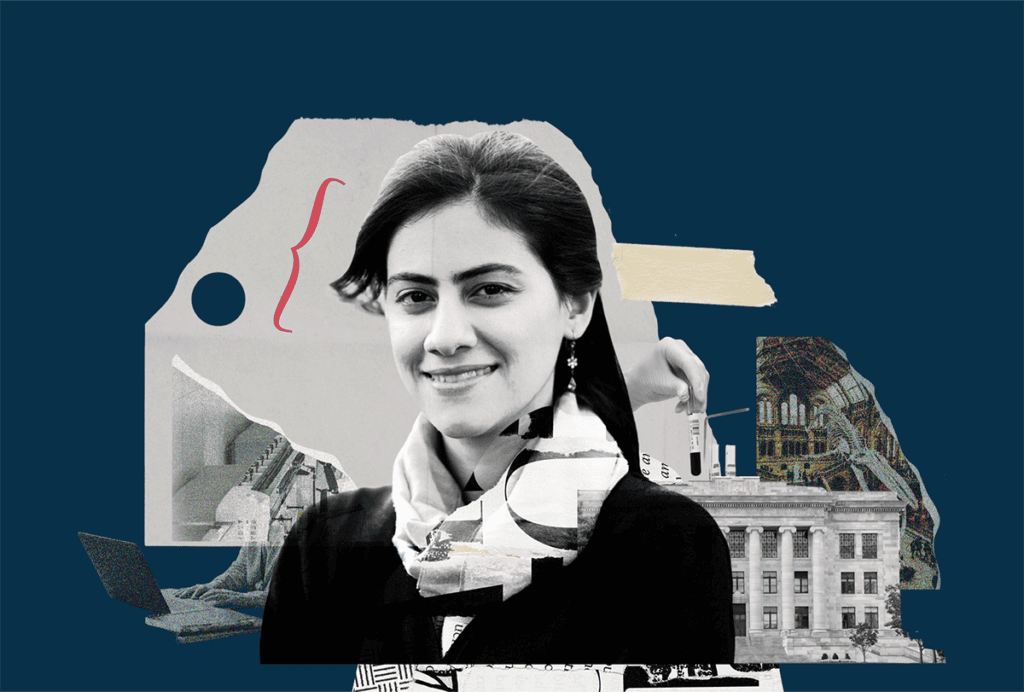
Making an impact through academic administration
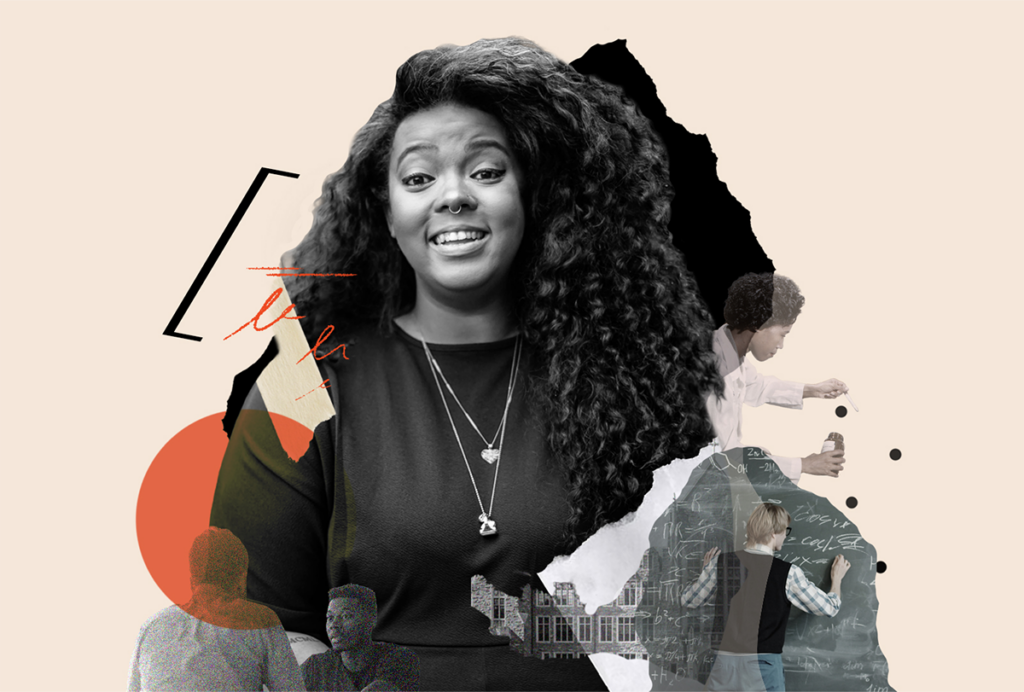
Getting grants feels good, but giving them is even better
As director of grants management at the Cure Alzheimer’s Fund, Kaela Singleton bets on bold science and shares in the joy of discovery.
Getting grants feels good, but giving them is even better
As director of grants management at the Cure Alzheimer’s Fund, Kaela Singleton bets on bold science and shares in the joy of discovery.

How to incorporate open-science practices into neuroscience training
If we want emerging neuroscientists to implement open science throughout their careers, we need to establish its practices as a core principle of training.
How to incorporate open-science practices into neuroscience training
If we want emerging neuroscientists to implement open science throughout their careers, we need to establish its practices as a core principle of training.

Exclusive: Brain and spinal cord institute halts research, citing funding problems
The Burke Neurological Institute, which calls itself “the only research institute in the U.S. dedicated to finding treatments to repair the brain and spinal cord,” ceased research operations on 22 May.
Exclusive: Brain and spinal cord institute halts research, citing funding problems
The Burke Neurological Institute, which calls itself “the only research institute in the U.S. dedicated to finding treatments to repair the brain and spinal cord,” ceased research operations on 22 May.
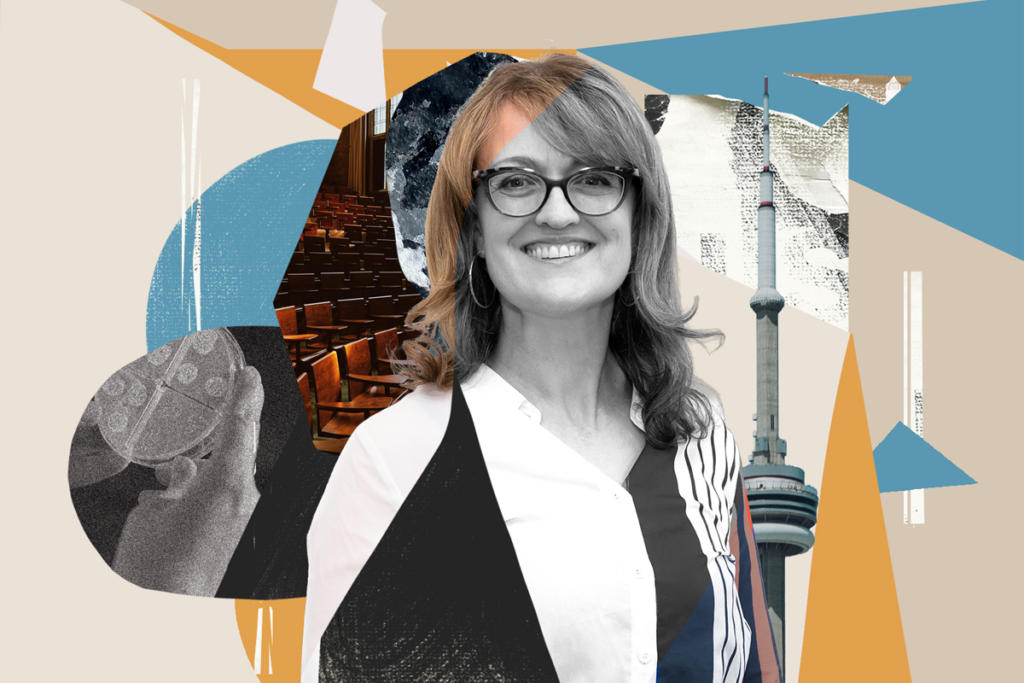
The ‘secretly awesome’ side of a teaching career
The freedom to do “wacky” research projects that interest you is a major perk of the teaching stream, says Suzanne Wood, a teaching professor at the University of Toronto.
The ‘secretly awesome’ side of a teaching career
The freedom to do “wacky” research projects that interest you is a major perk of the teaching stream, says Suzanne Wood, a teaching professor at the University of Toronto.

Reforming neuroscience graduate education for—and with—AI
In disrupting the status quo, artificial intelligence can help us critically reassess and redefine what neuroscience graduate training should look like—and potentially address long-standing training challenges in novel and innovative ways.
Reforming neuroscience graduate education for—and with—AI
In disrupting the status quo, artificial intelligence can help us critically reassess and redefine what neuroscience graduate training should look like—and potentially address long-standing training challenges in novel and innovative ways.
Explore more from The Transmitter
Finding neuroheterogeneity’s sweet spot
Once thought to be detrimental to memory processing, neuronal diversity—at the right ‘Goldilocks’ dose—is a new boon to theoretical neuroscience.
Finding neuroheterogeneity’s sweet spot
Once thought to be detrimental to memory processing, neuronal diversity—at the right ‘Goldilocks’ dose—is a new boon to theoretical neuroscience.
COVID-19 and influenza effects in pregnancy; and more
Here is a roundup of autism-related news and research spotted around the web for the week of 19 October.
COVID-19 and influenza effects in pregnancy; and more
Here is a roundup of autism-related news and research spotted around the web for the week of 19 October.
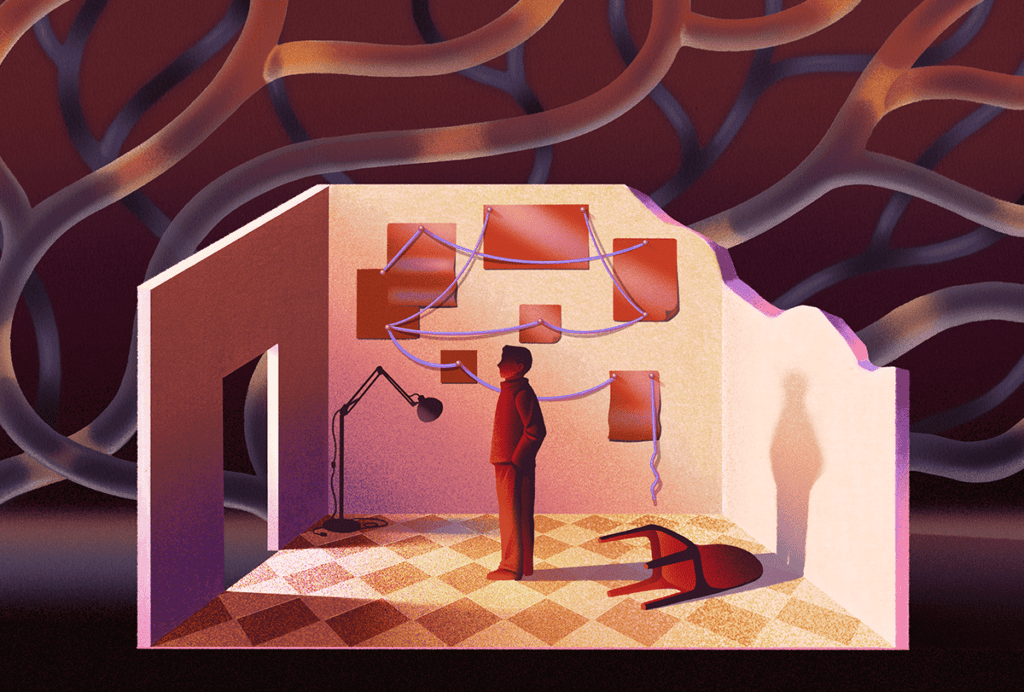
What to do when traditional mechanistic approaches no longer work
Many complex behaviors have stubbornly resisted mechanistic explanations. Deciphering them will require new approaches—and perhaps a new concept of “understanding.”
What to do when traditional mechanistic approaches no longer work
Many complex behaviors have stubbornly resisted mechanistic explanations. Deciphering them will require new approaches—and perhaps a new concept of “understanding.”