Audio research news
Recent articles
The latest audio stories from The Transmitter
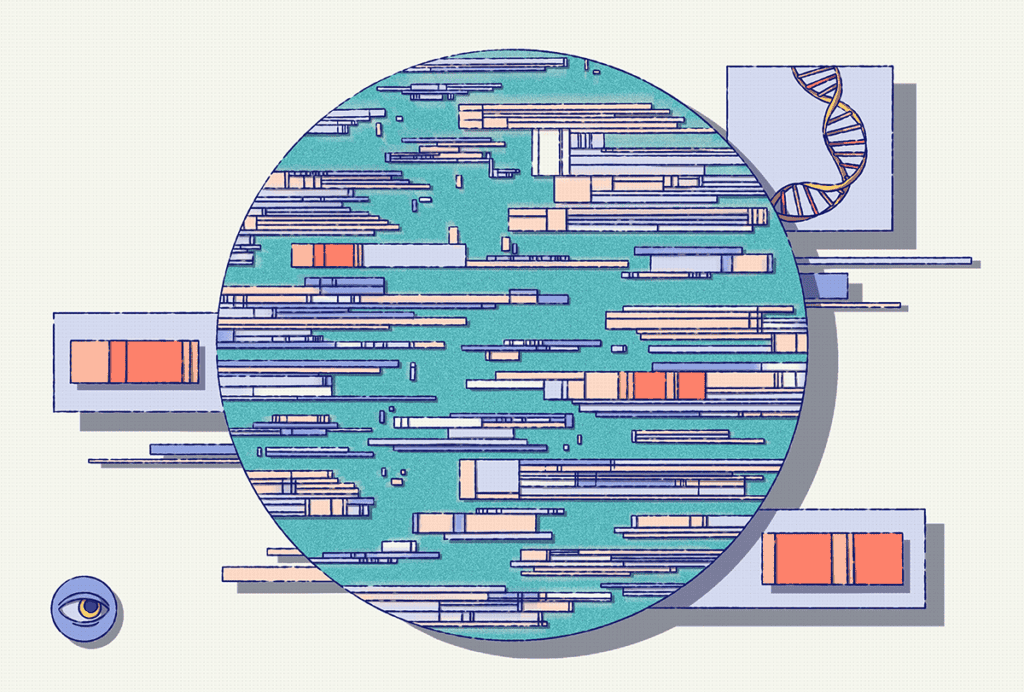
This paper changed my life: Transformative work in addiction neuroscience
A 2011 Nature study found that loss of a nicotinic receptor subunit leads to increased nicotine intake in mice. The work set the standard for how to functionally validate genetic association study findings in neuroscience.
This paper changed my life: Transformative work in addiction neuroscience
A 2011 Nature study found that loss of a nicotinic receptor subunit leads to increased nicotine intake in mice. The work set the standard for how to functionally validate genetic association study findings in neuroscience.
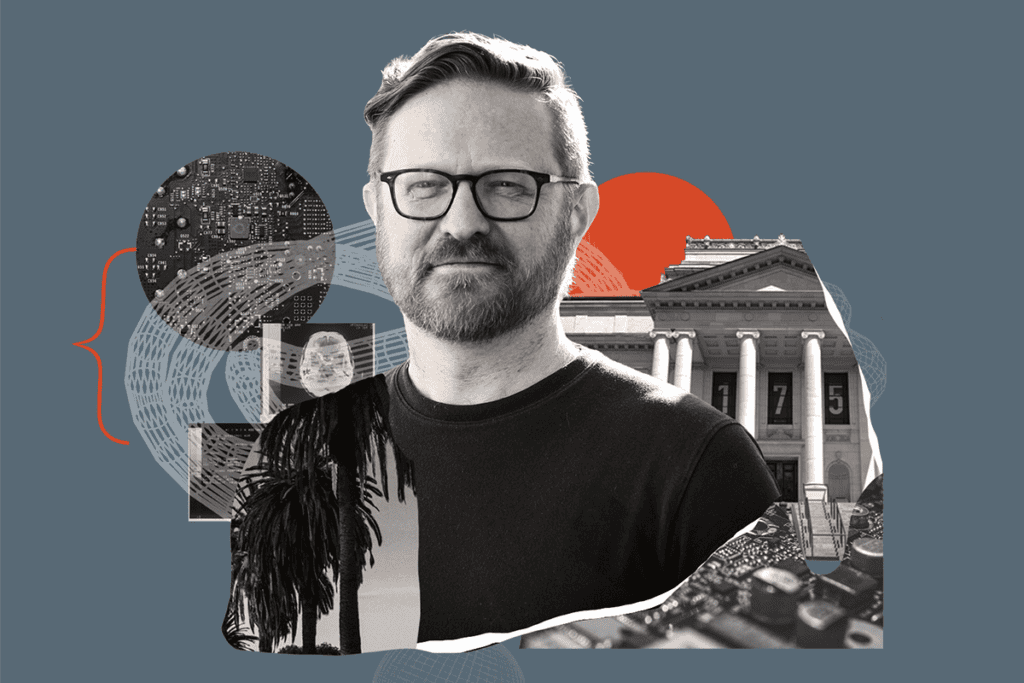
Building brain-computer interfaces at a neurotech company
At Blackrock Neurotech, Spencer Kellis develops implantable devices that help people with brain and spinal cord conditions communicate, move and more.
Building brain-computer interfaces at a neurotech company
At Blackrock Neurotech, Spencer Kellis develops implantable devices that help people with brain and spinal cord conditions communicate, move and more.

Infant memories: Lost but not gone?
Infantile amnesia is not simply a story about forgetting the past. It is an opportunity to understand how memory itself is built.
Infant memories: Lost but not gone?
Infantile amnesia is not simply a story about forgetting the past. It is an opportunity to understand how memory itself is built.
Neuromechanical models deepen our understanding of animal motor control
Thanks to recent progress in physics-based simulators and robotics, it has never been easier for neuroscientists to use neuromechanical modeling to test hypotheses about animal movement.
Neuromechanical models deepen our understanding of animal motor control
Thanks to recent progress in physics-based simulators and robotics, it has never been easier for neuroscientists to use neuromechanical modeling to test hypotheses about animal movement.
Dimensionality—neuroscience’s red herring?
Placing too much emphasis on a specific interpretation of dimensionality, or treating it as an end-all quantification of some aspect of neural computation, may hinder progress in understanding the brain.
Dimensionality—neuroscience’s red herring?
Placing too much emphasis on a specific interpretation of dimensionality, or treating it as an end-all quantification of some aspect of neural computation, may hinder progress in understanding the brain.
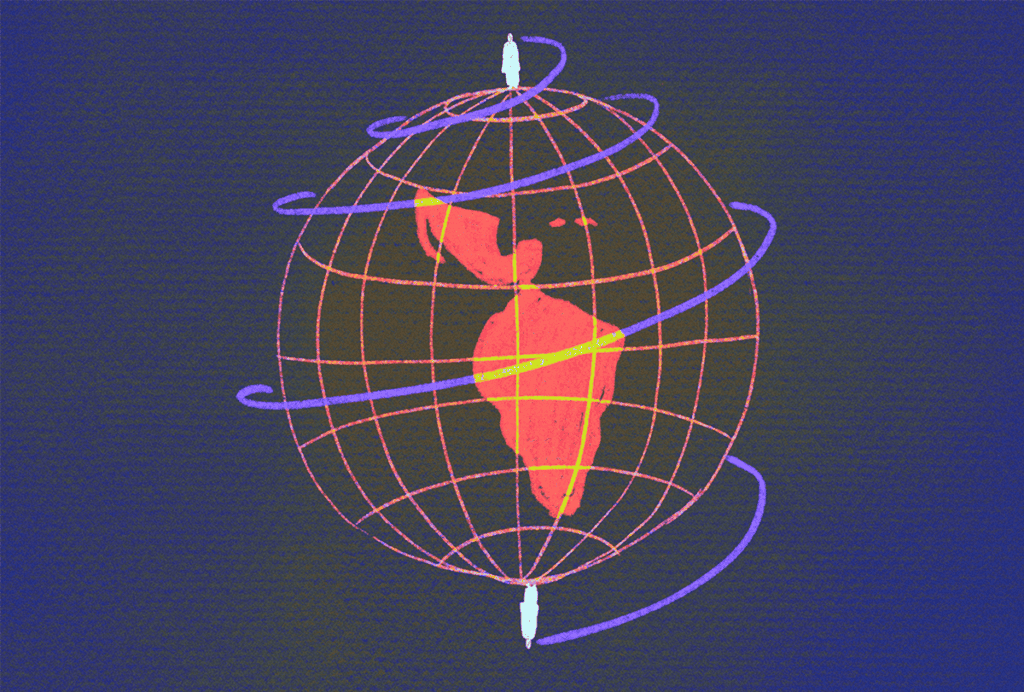
How FALAN is building a thriving neuroscience community in Latin America
As the Federation of Latin American and Caribbean Neuroscience Societies Congress kicks off next week, its president shares how the organization aims to foster collaborations and provide high-quality training for young neuroscientists in the region.
How FALAN is building a thriving neuroscience community in Latin America
As the Federation of Latin American and Caribbean Neuroscience Societies Congress kicks off next week, its president shares how the organization aims to foster collaborations and provide high-quality training for young neuroscientists in the region.
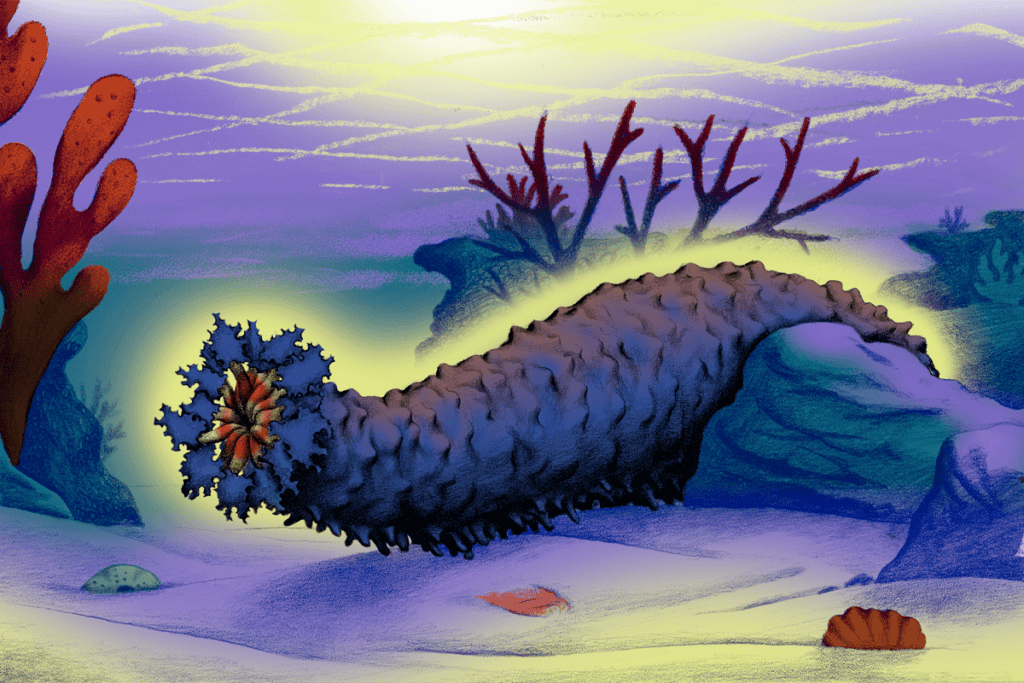
Inside the sea cucumber’s regenerative superpowers
José E. García-Arrarás studies how these marine invertebrates manage to regrow their nervous system, intestines and other internal organs in a matter of months after threats prompt them to literally spill their guts.
Inside the sea cucumber’s regenerative superpowers
José E. García-Arrarás studies how these marine invertebrates manage to regrow their nervous system, intestines and other internal organs in a matter of months after threats prompt them to literally spill their guts.
Redefining underrepresentation in global neuroscience
Shifting the focus of equity initiatives from identity categories to structural barriers can reveal overlooked challenges and increase support and participation worldwide.
Redefining underrepresentation in global neuroscience
Shifting the focus of equity initiatives from identity categories to structural barriers can reveal overlooked challenges and increase support and participation worldwide.
Scientific talent is global. Access to the world’s scientific stage is not.
Neuroscience in Chile, and across Latin America, does not lack talent or ideas, but the systems that make science visible—prestigious journals, conferences and networks—increasingly price its researchers out.
Scientific talent is global. Access to the world’s scientific stage is not.
Neuroscience in Chile, and across Latin America, does not lack talent or ideas, but the systems that make science visible—prestigious journals, conferences and networks—increasingly price its researchers out.
How, when and why to use agentic AI in our neuroscience labs
With agentic AI’s rapid infiltration into science, researchers need to develop AI use policies and practices.
How, when and why to use agentic AI in our neuroscience labs
With agentic AI’s rapid infiltration into science, researchers need to develop AI use policies and practices.
Explore more from The Transmitter
Susana Carmona on the neurobiology of pregnancy
In a Q&A about her new book, “A Mother’s Brain,” Carmona shares key moments in her career that led her to study the neuroscience of motherhood and discusses some of the major questions the field still needs to address.
Susana Carmona on the neurobiology of pregnancy
In a Q&A about her new book, “A Mother’s Brain,” Carmona shares key moments in her career that led her to study the neuroscience of motherhood and discusses some of the major questions the field still needs to address.
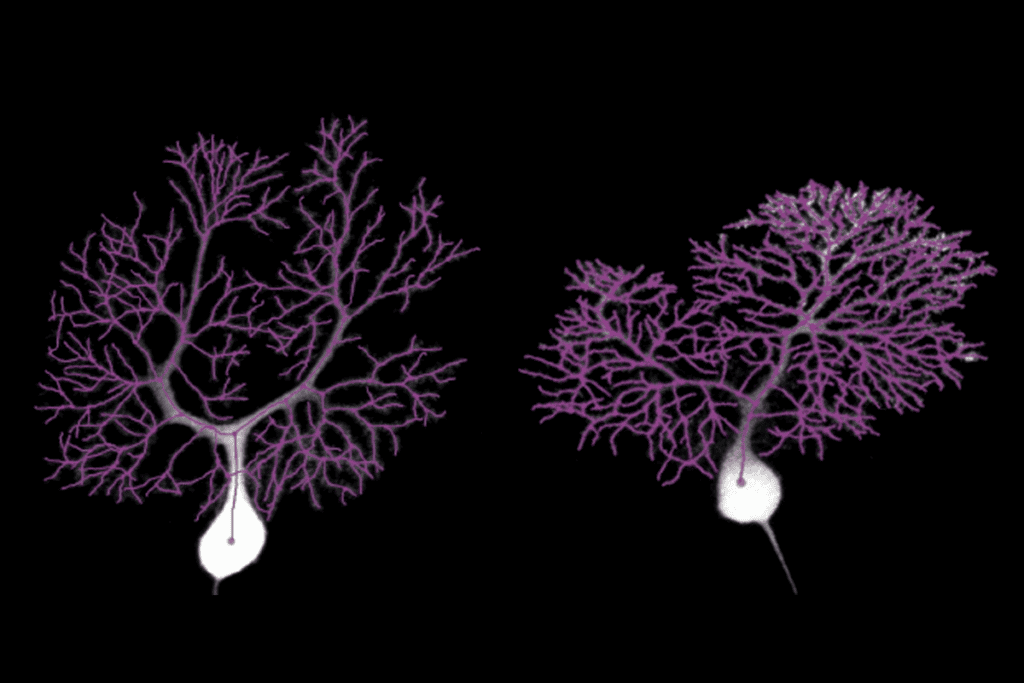
Aging biomarkers in autism; and more
Here is a roundup of autism-related news and research spotted around the web for the week of 5 October.
Aging biomarkers in autism; and more
Here is a roundup of autism-related news and research spotted around the web for the week of 5 October.
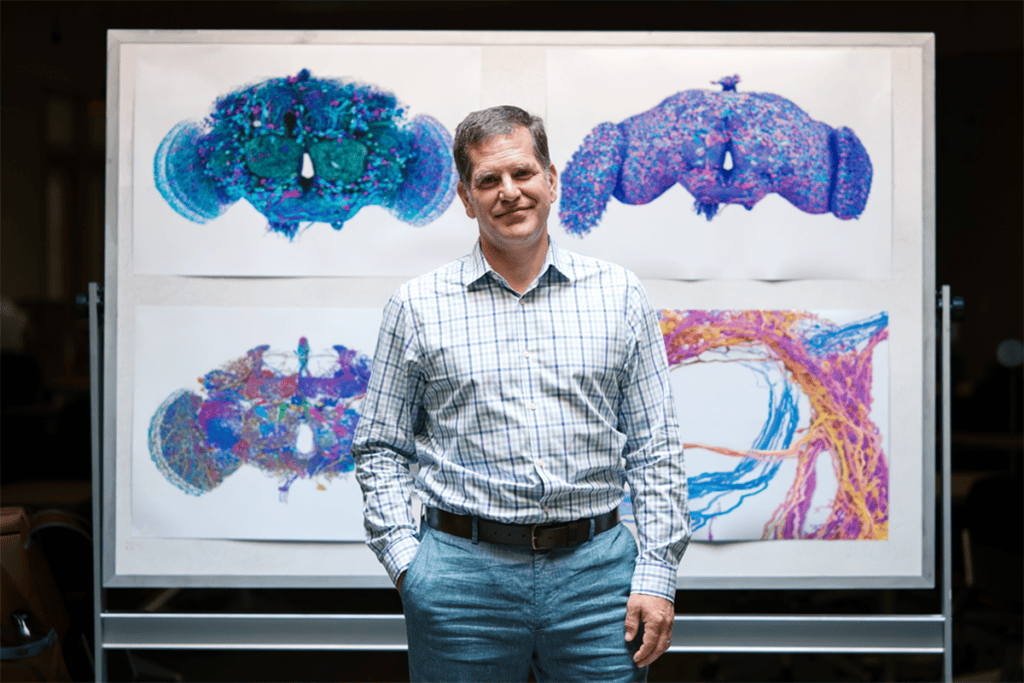
Beyond wiring diagrams: Inside a $19 million effort to expand access to connectome technology
Davi Bock’s lab took the millions of images that led to the complete connectome of a fruit fly brain. Now he wants to apply “this high-throughput flashlight across all areas of biology.”
Beyond wiring diagrams: Inside a $19 million effort to expand access to connectome technology
Davi Bock’s lab took the millions of images that led to the complete connectome of a fruit fly brain. Now he wants to apply “this high-throughput flashlight across all areas of biology.”